Sebastián Figueroa Rubio – författare
Visar alla böcker från författaren Sebastián Figueroa Rubio. Handla med fri frakt och snabb leverans.
4 produkter
4 produkter
Häftad, Engelska, 2027
678 kr
Kommande
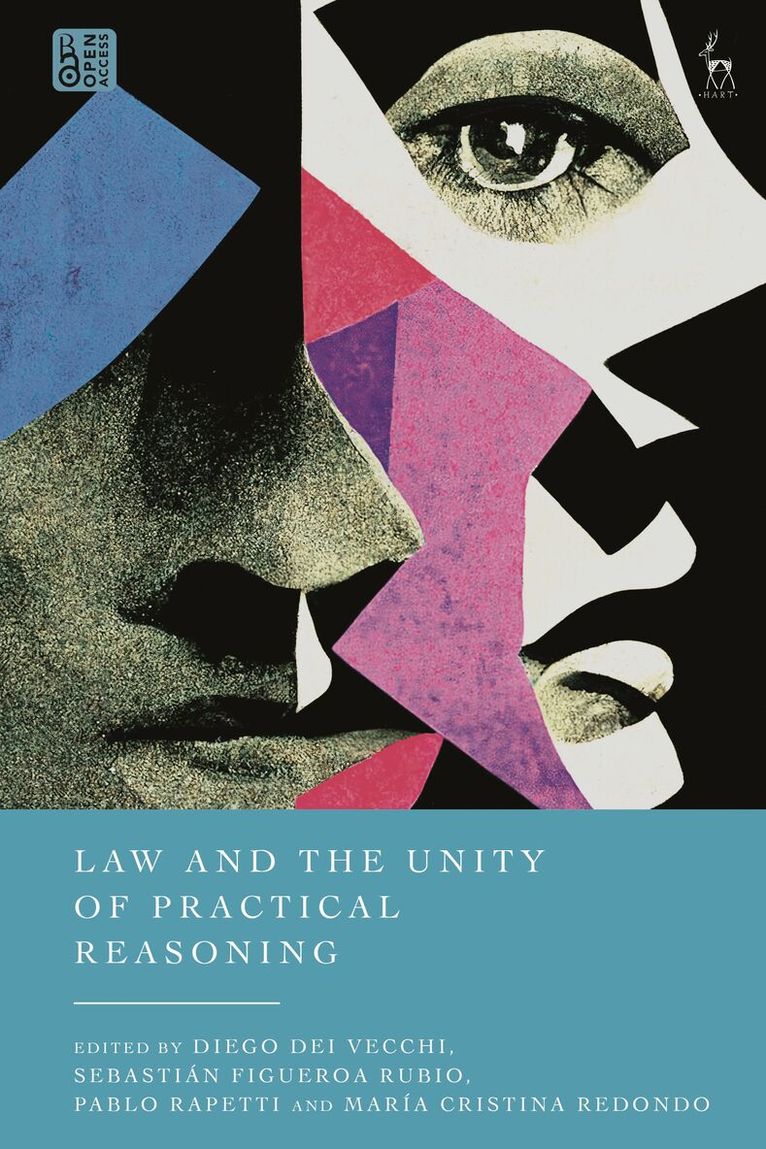
This open access book introduces the first systematic approach to the debate on the unity or fragmentation of practical reasoning and its profound implications for legal philosophy. Bringing together some of the foremost legal philosophers from the Hispanic-Latin world, the book presents a thoughtful dialogue with the Anglo-American literature, making it of interest to scholars from both cultural traditions. Although the topic is rarely discussed explicitly and systematically, it is pivotal to ongoing debates about legal normativity, the nature of law, legal authority, and the rationale behind legal decisions. This book fills this gap by providing a comprehensive perspective that illuminates the intersections between the philosophy of law and the philosophy of practical reasoning. It analyses law from the perspective of the agent and offers deep insights into critical issues in the field of law.The volume is divided into four parts.The 1st part addresses the question of the nature of reasons and the unity of practical and theoretical reasoning. The 2nd part deals with the question of whether practical reasoning works in a unified or fragmented way. The 3rd section examines the autonomy of legal normativity in relation to morality and other normative domains. In the 4th and concluding section, the authors analyse the implications of the thesis of the unity of practical reason for legal decision-making and the authority of law.The ebook editions of this book are available open access under a CC BY-NC-ND 4.0 licence on bloomsburycollections.com.
Inbunden, Engelska, 2025
1 220 kr
Skickas inom 10-15 vardagar
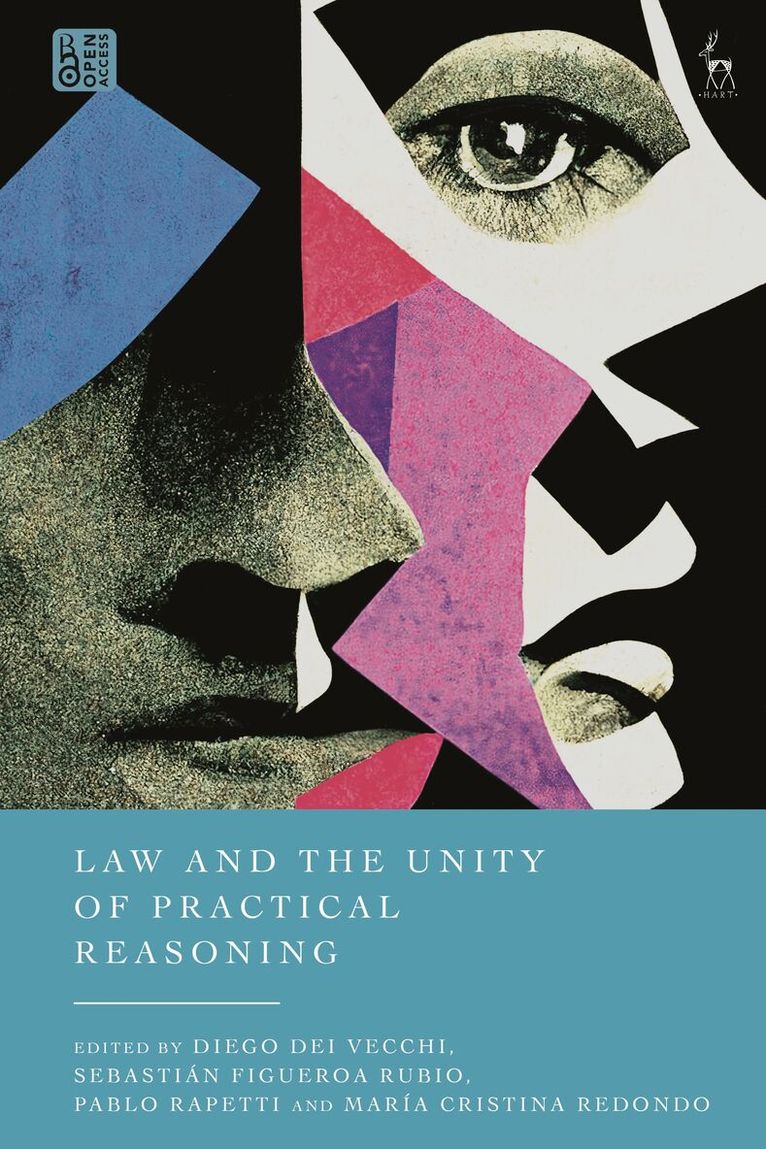
This open access book introduces the first systematic approach to the debate on the unity or fragmentation of practical reasoning and its profound implications for legal philosophy. Bringing together some of the foremost legal philosophers from the Hispanic-Latin world, the book presents a thoughtful dialogue with the Anglo-American literature, making it of interest to scholars from both cultural traditions. Although the topic is rarely discussed explicitly and systematically, it is pivotal to ongoing debates about legal normativity, the nature of law, legal authority, and the rationale behind legal decisions. This book fills this gap by providing a comprehensive perspective that illuminates the intersections between the philosophy of law and the philosophy of practical reasoning. It analyses law from the perspective of the agent and offers deep insights into critical issues in the field of law.The volume is divided into four parts.The 1st part addresses the question of the nature of reasons and the unity of practical and theoretical reasoning. The 2nd part deals with the question of whether practical reasoning works in a unified or fragmented way. The 3rd section examines the autonomy of legal normativity in relation to morality and other normative domains. In the 4th and concluding section, the authors analyse the implications of the thesis of the unity of practical reason for legal decision-making and the authority of law.The ebook editions of this book are available open access under a CC BY-NC-ND 4.0 licence on bloomsburycollections.com.
E-bok
PDF, Spanska, 2019194 kr
Läs direkt efter köp
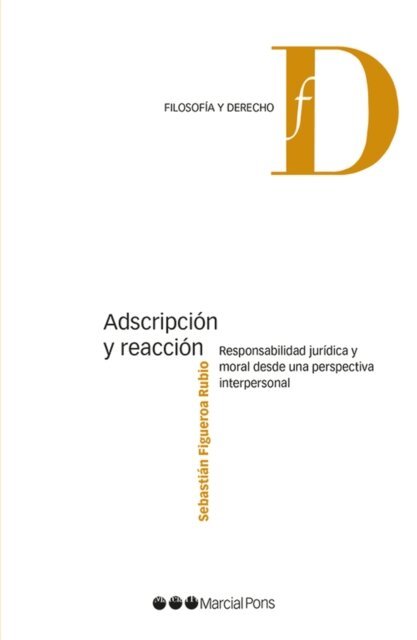
Una de las formas más elementales por medio de la cual nos enfrentamos al mundo es buscar responsables por las cosas que llaman nuestra atención. Así, atribuimos a otros o a uno mismo ser el origen de un accidente, de una derrota deportiva o de problemas económicos. A su vez, estamos inclinados a pensar y sentir que dichas atribuciones justifican reprimendas, castigos o alabanzas por lo sucedido. Este libro es una propuesta acerca de cómo dar sentido a estas experiencias y actividades considerando las reflexiones desarrolladas dentro de la filosofía del derecho y de la moral en torno al concepto de responsabilidad.La obra consta de tres partes. En la primera se muestra el ámbito de discusión, presentando un panorama de las actividades y conceptos involucrados. En la segunda, se presentan las bases filosóficas desde las cuales se puede dar sentido y ordenar dichos conceptos, mostrando la existencia de dos concepciones, una intrapersonal y una interpersonal. Por último, el autor toma partido por una concepción interpersonal y propone una forma de reconstruir los procesos de atribución de responsabilidad. Esto supone entender la responsabilidad a partir de interacciones entre personas, que contrasta con la visión dominante en la modernidad que propone entenderla a partir de un individuo abstracto.El presente libro es una invitación a reflexionar, no solo sobre la responsabilidad, sino acerca de conceptos como agencia, acción, personalidad y autoridad, mostrando las consecuencias de una meditación seria sobre el ámbito de lo práctico.
E-bok
Spanska, 202179 kr
Läs direkt efter köp
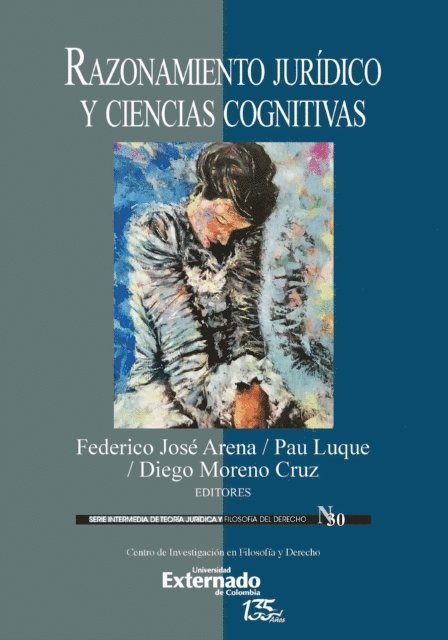
En las últimas décadas, el estudio del razonamiento jurídico se ha visto enriquecido por la psicología cognitiva y la neurociencia. La filosofía experimental del derecho (Experimental Jurisprudence) es un modo, estimulante y novedoso, de enfocar problemas de la teoría general y la filosofía del derecho que se apoya en experimentos a partir de los cuales se sostiene que nuestras acciones están influenciadas por un conjunto de estados y operaciones mentales conscientes e inconscientes, y también por ideas normativas acerca de cómo debemos actuar en situaciones dadas.El libro que ustedes, amables lectores, tienen ahora entre manos constituye posiblemente el primer volumen de filosofía experimental del derecho escrito en español. Reúne una serie de textos inéditos de diferentes autoras y autores que abordan problemas clásicos, pero también nuevos, no sólo de teoría general del derecho, sino de teoría de la interpretación, teoría de la responsabilidad, teoría del proceso y teoría de la prueba, entre otros. Todo ello a la luz de la mejor neurociencia y la más avanzada psicología cognitiva.El volumen está dirigido a todas aquellas personas que se dedican a la filosofía del derecho, a la filosofía moral y, por supuesto, a las que están interesadas en los avances de la psicología cognitiva para comprender cómo la mente humana funciona. Pero también está dirigido a quienes ejercen el derecho no solo desde su vertiente teórica, sino también desde su vertiente práctica. El cruce de caminos entre la psicología, la neurociencia, la teoría y la filosofía del derecho ayudará a entender cómo opera el derecho en los casos concretos. Por ello, abogados, jueces, fiscales y procuradores deberían encontrar enormemente útiles los debates filosóficos, teóricos y psicológicos que esta obra contiene.