Seligman - Böcker
Visar alla böcker från författaren Seligman. Handla med fri frakt och snabb leverans.
2 produkter
2 produkter
581 kr
Skickas inom 5-8 vardagar
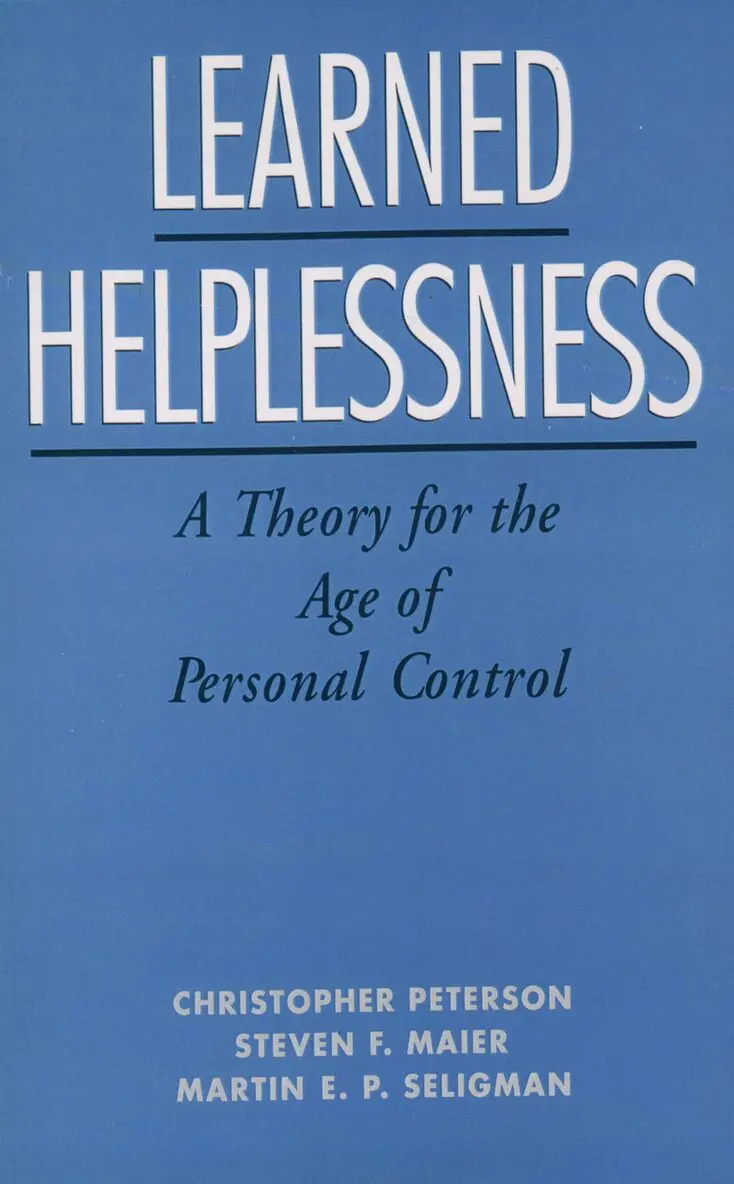
The psychological syndrome of learned helplessness is a uniquely modern phenomenon, deeply rooted in cultural concepts of personal power and security. This timely and valuable work examines learned helplessness with reference to the salient emphases in contemporary culture of individuality and personal control.An indispensable reference of interest to a broad spectrum of researchers in psychology.
1 801 kr
Skickas inom 5-8 vardagar
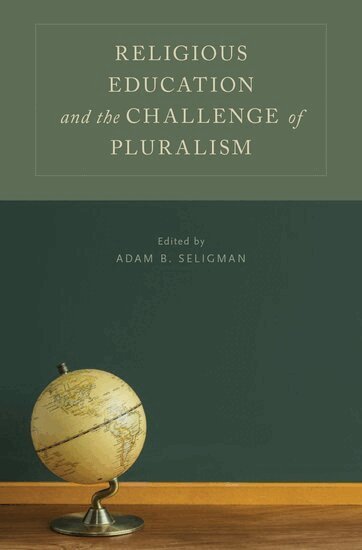
The essays in this volume offer a groundbreaking comparative analysis of religious education, and state policies towards religious education, in seven different countries and in the European Union as a whole. They pose a challenging and crucial question: can religious education effect positive civic change and foster solidarity across different ethnic and religious communities? In many traditional societies and increasingly in secular European societies, our place in creation, the meaning of good and evil, and the definition of the good life, virtue, and moral action, are all addressed primarily in religious terms. Despite the promise of the Enlightenment and of the nineteenth-century ideology of progress, it seems impossible to come to grips with these issues without recourse to religious language, traditions, and frames of reference. Unsurprisingly, countries approach religious education in dramatically different ways, in keeping with their respective understandings of their own religious traditions and the relative saliency of different ethno-religious groups within the polity. Religious Education and the Challenge of Pluralism addresses a pervasive problem: in most cases, it is impossible to provide a framework of meaning, let alone religious meaning, without at the same time invoking language of community and belonging, or of borders and otherness. This volume offers in-depth analysis of such pluralistic countries as Bulgaria, Israel, Malaysia, and Turkey, as well as Cyprus--a country split along lines of ethno-religious difference. The contributors also examine the connection between religious education and the terms of citizenship in the EU, France, and the USA, illuminating the challenges facing us as we seek to educate our citizenry in an age of religious resurgence and global politics.