Sergio T. Amancio-Filho – författare
2 051 kr
Skickas inom 10-15 vardagar
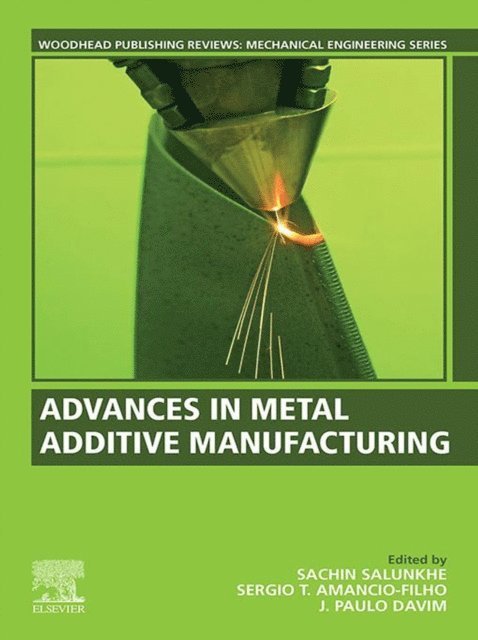
Advances in Metal Additive Manufacturing explains fundamental information and the latest research on new technologies, including powder bed fusion, direct energy deposition using high energy beams, and hybrid additive and subtractive methods. This book introduces readers to the technology, provides everything needed to understand how the different stages work together, and inspires to think beyond traditional metal processing to capture new ideas in metal. Chapters offer an introduction on metal additive manufacturing, processes, and properties and standards and then present surveys on the most significant international advances in metal additive manufacturing.
Throughout, the book presents a focus on the effect of important process parameters on the microstructure, mechanical properties and wear behavior of additively manufactured parts.
Covers the entire process chain of metal additive manufacturing, from input data preparation to part certification Describes a wide range of the latest design tools and options, including generative design, topology optimization, and lattice and surface optimization Addresses additive manufacturing, with a comprehensive list of metals including titanium, aluminum, iron-and nickel-based alloys and Inconel 7182 920 kr
Läs direkt efter köp
2 037 kr
Skickas inom 11-20 vardagar
2 320 kr
Läs direkt efter köp
A comprehensive introduction to the concepts of joining technologies for hybrid structures
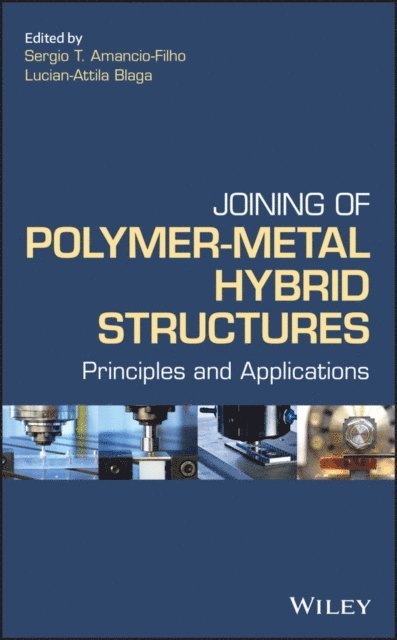
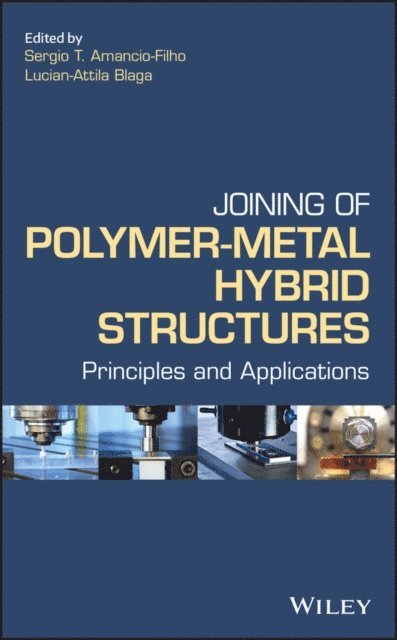
This book introduces the concepts of joining technology for polymer-metal hybrid structures by addressing current and new joining methods. This is achieved by using a balanced approach focusing on the scientific features (structural, physical, chemical, and metallurgical/polymer science phenomena) and engineering properties (mechanical performance, design, applications, etc.) of the currently available and new joining processes. It covers such topics as mechanical fastening, adhesive bonding, advanced joining methods, and statistical analysis in joining technology.
Joining of Polymer-Metal Hybrid Structures: Principles and Applications is structured by joining principles, in adhesion-based, mechanical fastened, and direct-assembly methods. The book discusses such recent technologies as friction riveting, friction spot joining and ultrasonic joining. This is used for applications where the original base material characteristics must remain unchanged. Additional sections cover the main principles of statistical analysis in joining technology (illustrated with examples from the field of polymer-metal joining). Joining methods discussed include mechanical fastening (bolting, screwing, riveting, hinges, and fits of polymers and composites), adhesive bonding, and other advanced joining methods (friction staking, laser welding, induction welding, etc.).
Provides a combined engineering and scientific approach used to describe principles, properties, and applications of polymer-metal hybrid joints Describes the current developments in design of experiments and statistical analysis in joining technology with emphasis on joining of polymer-metal hybrid structures Covers recent innovations in joining technology of polymer-metal hybrid joints including friction riveting, friction spot joining, friction staking, and ultrasonic joining Principles illustrated by pictures, 3D-schemes, charts, and drawings using examples from the field of polymer-metal joiningJoining of Polymer-Metal Hybrid Structures: Principles and Applications will appeal to chemical, polymer, materials, metallurgical, composites, mechanical, process, product, and welding engineers, scientists and students, technicians, and joining process professionals.
2 320 kr
Läs direkt efter köp
A comprehensive introduction to the concepts of joining technologies for hybrid structures
This book introduces the concepts of joining technology for polymer-metal hybrid structures by addressing current and new joining methods. This is achieved by using a balanced approach focusing on the scientific features (structural, physical, chemical, and metallurgical/polymer science phenomena) and engineering properties (mechanical performance, design, applications, etc.) of the currently available and new joining processes. It covers such topics as mechanical fastening, adhesive bonding, advanced joining methods, and statistical analysis in joining technology.
Joining of Polymer-Metal Hybrid Structures: Principles and Applications is structured by joining principles, in adhesion-based, mechanical fastened, and direct-assembly methods. The book discusses such recent technologies as friction riveting, friction spot joining and ultrasonic joining. This is used for applications where the original base material characteristics must remain unchanged. Additional sections cover the main principles of statistical analysis in joining technology (illustrated with examples from the field of polymer-metal joining). Joining methods discussed include mechanical fastening (bolting, screwing, riveting, hinges, and fits of polymers and composites), adhesive bonding, and other advanced joining methods (friction staking, laser welding, induction welding, etc.).
Provides a combined engineering and scientific approach used to describe principles, properties, and applications of polymer-metal hybrid joints Describes the current developments in design of experiments and statistical analysis in joining technology with emphasis on joining of polymer-metal hybrid structures Covers recent innovations in joining technology of polymer-metal hybrid joints including friction riveting, friction spot joining, friction staking, and ultrasonic joining Principles illustrated by pictures, 3D-schemes, charts, and drawings using examples from the field of polymer-metal joiningJoining of Polymer-Metal Hybrid Structures: Principles and Applications will appeal to chemical, polymer, materials, metallurgical, composites, mechanical, process, product, and welding engineers, scientists and students, technicians, and joining process professionals.