Séverine Awenengo Dalberto – författare
2 387 kr
Skickas inom 10-15 vardagar
657 kr
Skickas inom 10-15 vardagar
788 kr
Läs direkt efter köp
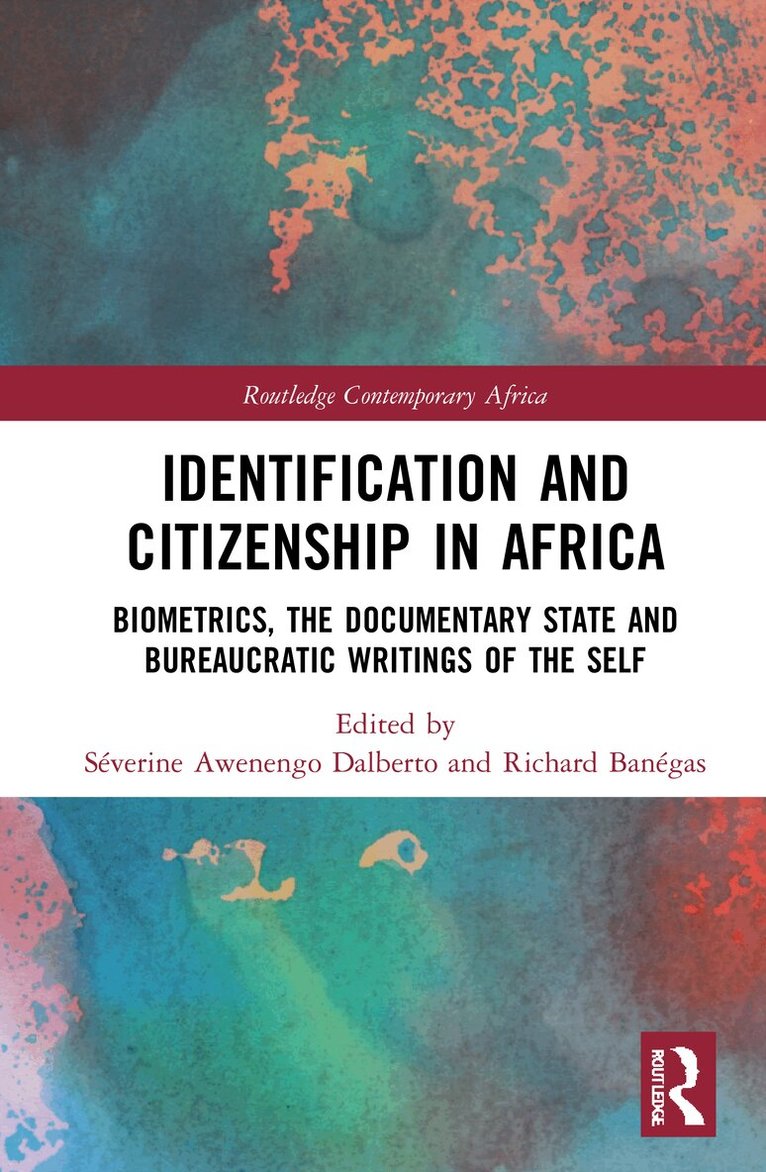
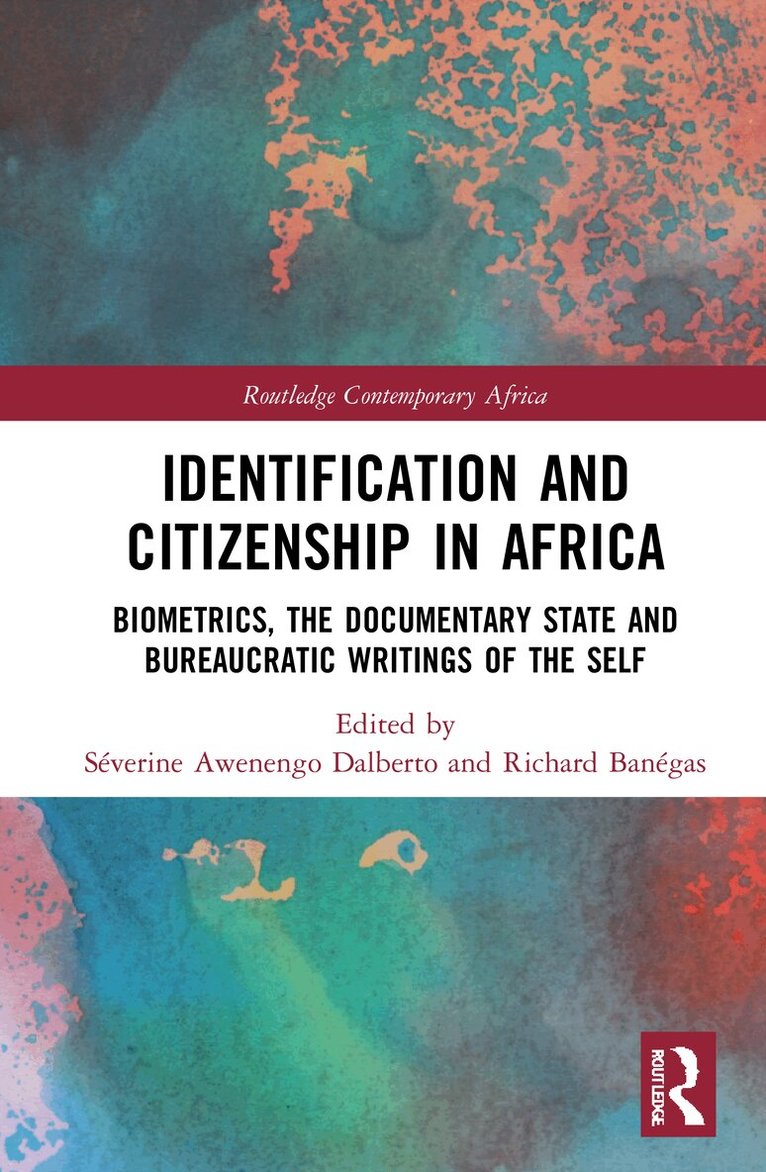
In the context of a global biometric turn, this book investigates processes of legal identification in Africa ‘from below,’ asking what this means for the relationship between citizens and the state.Almost half of the population of the African continent is thought to lack a legal identity, and many states see biometric technology as a reliable and efficient solution to the problem. However, this book shows that biometrics, far from securing identities and avoiding fraud or political distrust, can even participate in reinforcing exclusion and polarizing debates on citizenship and national belonging. It highlights the social and political embedding of legal identities and the resilience of the documentary state. Drawing on empirical research conducted across 14 countries, the book documents the processes, practices, and meanings of legal identification in Africa from the 1950s right up to the biometric boom. Beyond the classic opposition between surveillance and recognition, it demonstrates how analysing the social uses of IDs and tools of identification can give a fresh account of the state at work, the practices of citizenship, and the role of bureaucracy in the writing of the self in African societies.This book will be of an important reference for students and scholars of African studies, politics, human security, and anthropology and the sociology of the state.
788 kr
Läs direkt efter köp
In the context of a global biometric turn, this book investigates processes of legal identification in Africa ‘from below,’ asking what this means for the relationship between citizens and the state.Almost half of the population of the African continent is thought to lack a legal identity, and many states see biometric technology as a reliable and efficient solution to the problem. However, this book shows that biometrics, far from securing identities and avoiding fraud or political distrust, can even participate in reinforcing exclusion and polarizing debates on citizenship and national belonging. It highlights the social and political embedding of legal identities and the resilience of the documentary state. Drawing on empirical research conducted across 14 countries, the book documents the processes, practices, and meanings of legal identification in Africa from the 1950s right up to the biometric boom. Beyond the classic opposition between surveillance and recognition, it demonstrates how analysing the social uses of IDs and tools of identification can give a fresh account of the state at work, the practices of citizenship, and the role of bureaucracy in the writing of the self in African societies.This book will be of an important reference for students and scholars of African studies, politics, human security, and anthropology and the sociology of the state.
329 kr
Läs direkt efter köp
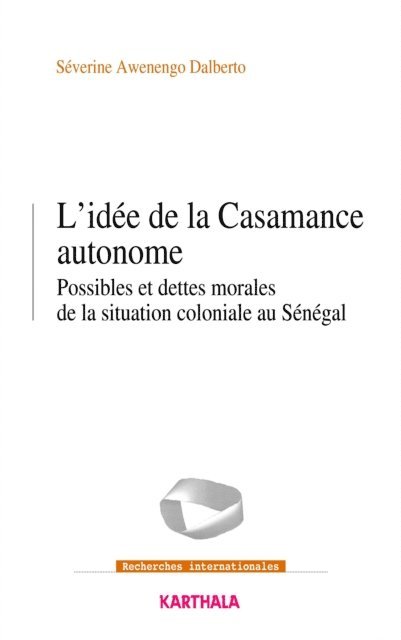
Depuis quarante ans, le Mouvement des forces démocratiques de Casamance argue d’un droit à la séparation avec le Sénégal qui aurait été acquis pendant la colonisation. Réfutée par les travaux académiques et experts, cette affirmation ne peut, pour autant, être traitée à la légère. La centralité du moment colonial dans la narration indépendantiste casamançaise est une réverbération, dans le présent, des zones grises du passé. Entre le dernier quart du xixe siècle et les années 1970, l’idée de l’autonomie s’est forgée et consolidée dans l’expérience coloniale, les luttes des années de la décolonisation, les attentes morales et la mémoire politique que ces combats ont générées.
Reposant sur des archives publiques, des archives privées inédites et de nombreux entretiens, cette enquête nous propose une nouvelle manière de penser l’histoire de la Casamance et celle de la formation de l’État au Sénégal. Elle montre que l’autonomie de cette partie méridionale du territoire sénégalais a été l’un des projets non advenus de la colonisation et de la décolonisation, un projet qu’ont envisagé aussi bien des agents français que des militants politiques casamançais. Elle restitue la généalogie coloniale des imaginaires sociaux contemporains et apporte un éclairage puissant sur le jeu électoral et parlementaire dans l’Afrique de l’Ouest des années 1950, en rendant compte de l’incertitude du cadre territorial de la décolonisation.
Cet ouvrage invite également à questionner l’événement en histoire. Il prend au sérieux les idées et les projets inaboutis ainsi que leurs effets dans le temps, et considère dans son ensemble le champ des possibles. Il offre ainsi une contribution fondamentale à la compréhension de l’historicité, singulièrement des sociétés africaines.
329 kr
Läs direkt efter köp
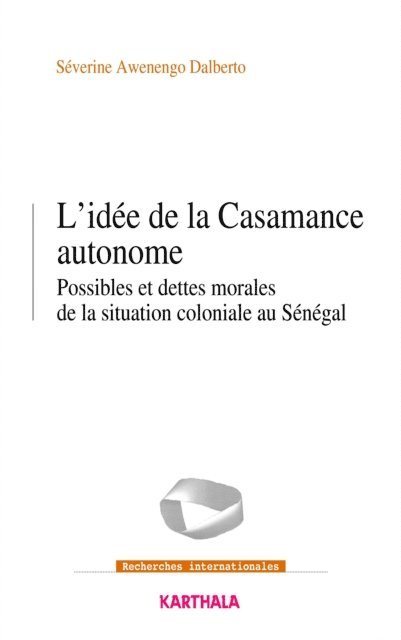
Depuis quarante ans, le Mouvement des forces démocratiques de Casamance argue d’un droit à la séparation avec le Sénégal qui aurait été acquis pendant la colonisation. Réfutée par les travaux académiques et experts, cette affirmation ne peut, pour autant, être traitée à la légère. La centralité du moment colonial dans la narration indépendantiste casamançaise est une réverbération, dans le présent, des zones grises du passé. Entre le dernier quart du xixe siècle et les années 1970, l’idée de l’autonomie s’est forgée et consolidée dans l’expérience coloniale, les luttes des années de la décolonisation, les attentes morales et la mémoire politique que ces combats ont générées.
Reposant sur des archives publiques, des archives privées inédites et de nombreux entretiens, cette enquête nous propose une nouvelle manière de penser l’histoire de la Casamance et celle de la formation de l’État au Sénégal. Elle montre que l’autonomie de cette partie méridionale du territoire sénégalais a été l’un des projets non advenus de la colonisation et de la décolonisation, un projet qu’ont envisagé aussi bien des agents français que des militants politiques casamançais. Elle restitue la généalogie coloniale des imaginaires sociaux contemporains et apporte un éclairage puissant sur le jeu électoral et parlementaire dans l’Afrique de l’Ouest des années 1950, en rendant compte de l’incertitude du cadre territorial de la décolonisation.
Cet ouvrage invite également à questionner l’événement en histoire. Il prend au sérieux les idées et les projets inaboutis ainsi que leurs effets dans le temps, et considère dans son ensemble le champ des possibles. Il offre ainsi une contribution fondamentale à la compréhension de l’historicité, singulièrement des sociétés africaines.