Shalini Grover – författare
Visar alla böcker från författaren . Handla med fri frakt och snabb leverans.
6 produkter
6 produkter
Häftad, Engelska, 2024
666 kr
Skickas inom 10-15 vardagar
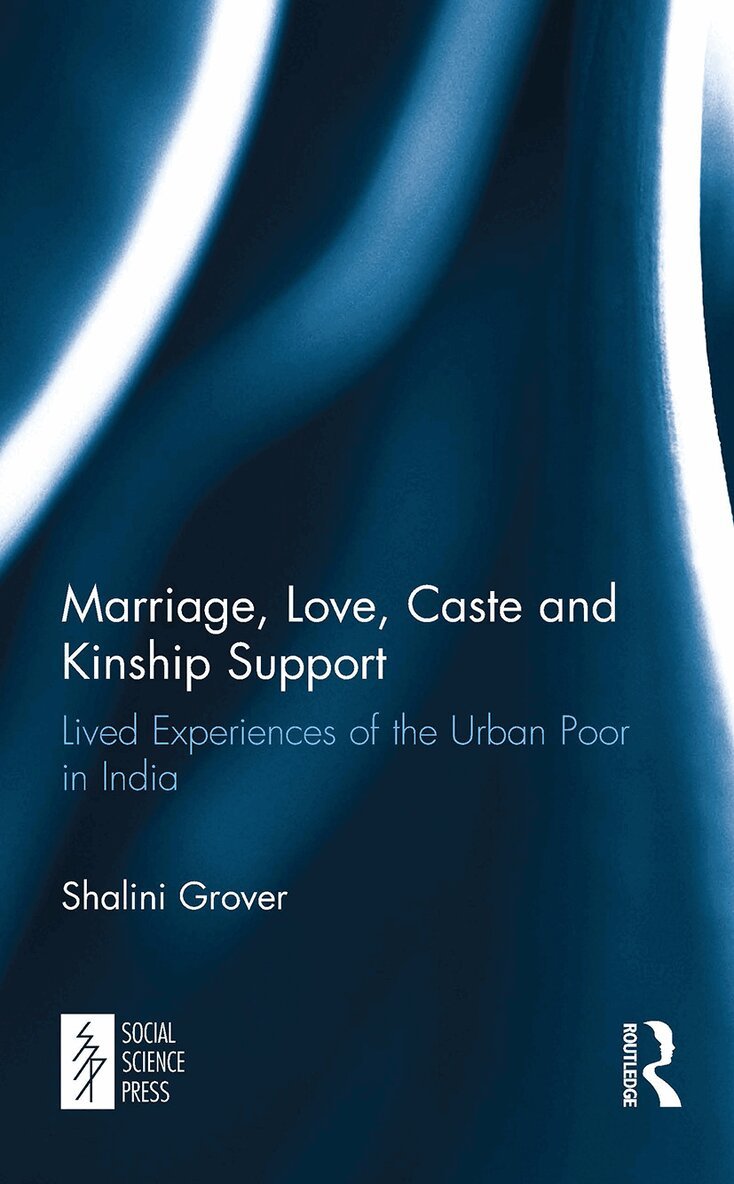
This book makes use of interesting case studies and photographs to describe everyday life in a squatter settlement in Delhi. The book helps to understand the marital experiences of these people most of whom belong to the Scheduled Caste and live in one identified geographical space. The author describes the shifts within their marriages, remarriages and other kinds of unions and their striking diversities, which have been described with care. Shalini Grover also examines the close ties of married women with their mothers and natal families. An important contribution of the book lies in the unfolding of the role of women-led informal courts, Mahila Panchayats and their influence in conflict resolution. This takes place in a distinctly different mode of community-based arbitration against the backdrop of mainstream legal structures and male-dominated caste associations. The book will be of interest to students of sociology and social anthropology, gender studies, development studies, law and psychology. Activists and family counsellors will also find the book useful.
Inbunden, Engelska, 2017
2 417 kr
Skickas inom 10-15 vardagar
This book makes use of interesting case studies and photographs to describe everyday life in a squatter settlement in Delhi. The book helps to understand the marital experiences of these people most of whom belong to the Scheduled Caste and live in one identified geographical space. The author describes the shifts within their marriages, remarriages and other kinds of unions and their striking diversities, which have been described with care. Shalini Grover also examines the close ties of married women with their mothers and natal families. An important contribution of the book lies in the unfolding of the role of women-led informal courts, Mahila Panchayats and their influence in conflict resolution. This takes place in a distinctly different mode of community-based arbitration against the backdrop of mainstream legal structures and male-dominated caste associations. The book will be of interest to students of sociology and social anthropology, gender studies, development studies, law and psychology. Activists and family counsellors will also find the book useful.
E-bok
Engelska, 2017790 kr
Läs direkt efter köp
This book makes use of interesting case studies and photographs to describe everyday life in a squatter settlement in Delhi. The book helps to understand the marital experiences of these people most of whom belong to the Scheduled Caste and live in one identified geographical space. The author describes the shifts within their marriages, remarriages and other kinds of unions and their striking diversities, which have been described with care. Shalini Grover also examines the close ties of married women with their mothers and natal families. An important contribution of the book lies in the unfolding of the role of women-led informal courts, Mahila Panchayats and their influence in conflict resolution. This takes place in a distinctly different mode of community-based arbitration against the backdrop of mainstream legal structures and male-dominated caste associations. The book will be of interest to students of sociology and social anthropology, gender studies, development studies, law and psychology. Activists and family counsellors will also find the book useful.
E-bok
PDF, Engelska, 2017790 kr
Läs direkt efter köp
This book makes use of interesting case studies and photographs to describe everyday life in a squatter settlement in Delhi. The book helps to understand the marital experiences of these people most of whom belong to the Scheduled Caste and live in one identified geographical space. The author describes the shifts within their marriages, remarriages and other kinds of unions and their striking diversities, which have been described with care. Shalini Grover also examines the close ties of married women with their mothers and natal families. An important contribution of the book lies in the unfolding of the role of women-led informal courts, Mahila Panchayats and their influence in conflict resolution. This takes place in a distinctly different mode of community-based arbitration against the backdrop of mainstream legal structures and male-dominated caste associations. The book will be of interest to students of sociology and social anthropology, gender studies, development studies, law and psychology. Activists and family counsellors will also find the book useful.
Häftad, Engelska, 2026
431 kr
Kommande
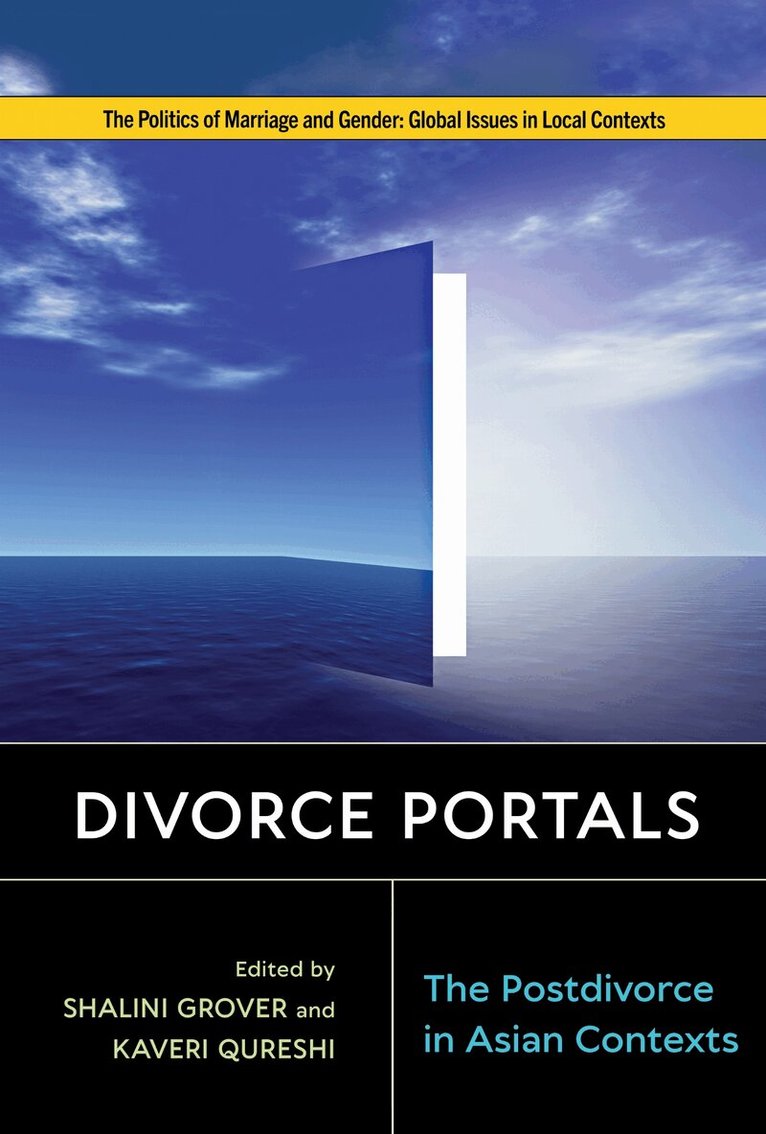
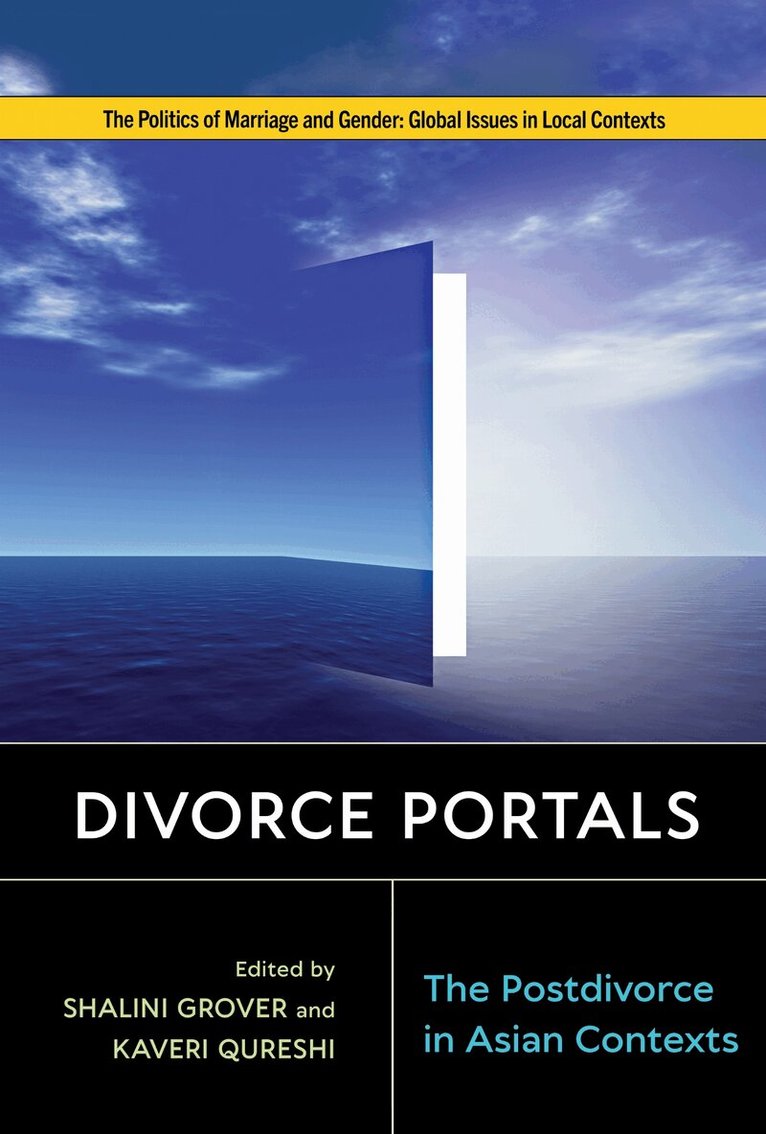
Across Asia and its global diasporas, marriage remains a dominant and public institution, and divorce generates widespread comment and concern. Breaking new ground, Divorce Portals reveals divorce to be generative of transformations in individual intimate lives and wider societies. Through compelling, sensitive ethnographic accounts inviting readers into the lives of people undergoing separation and divorce, chapters capture the antecedent-lives of uncoupling – the imaginary, anticipatory, and cautionary – and the afterlives of divorce, in the immediate aftermath and across life courses and generations. Chapters explore the vivid and bold new selves that divorcees are fashioning for themselves and highlight the intersecting inequalities that shape postdivorce predicaments, sometimes belying the hoped-for freedoms of divorce and remarriage. Together, chapters chart nascent and haltering accommodations of the single, repartnered, and queer. Across cases drawn from diverse geographic contexts, this book unlocks new, expansive, and accessible ways to think about divorce and its aftermath.
Inbunden, Engelska, 2026
1 336 kr
Kommande
Across Asia and its global diasporas, marriage remains a dominant and public institution, and divorce generates widespread comment and concern. Breaking new ground, Divorce Portals reveals divorce to be generative of transformations in individual intimate lives and wider societies. Through compelling, sensitive ethnographic accounts inviting readers into the lives of people undergoing separation and divorce, chapters capture the antecedent-lives of uncoupling – the imaginary, anticipatory, and cautionary – and the afterlives of divorce, in the immediate aftermath and across life courses and generations. Chapters explore the vivid and bold new selves that divorcees are fashioning for themselves and highlight the intersecting inequalities that shape postdivorce predicaments, sometimes belying the hoped-for freedoms of divorce and remarriage. Together, chapters chart nascent and haltering accommodations of the single, repartnered, and queer. Across cases drawn from diverse geographic contexts, this book unlocks new, expansive, and accessible ways to think about divorce and its aftermath.