Shannon Perez-Darby – författare
Visar alla böcker från författaren Shannon Perez-Darby. Handla med fri frakt och snabb leverans.
3 produkter
3 produkter
Häftad, Engelska, 2025
200 kr
Skickas inom 5-8 vardagar
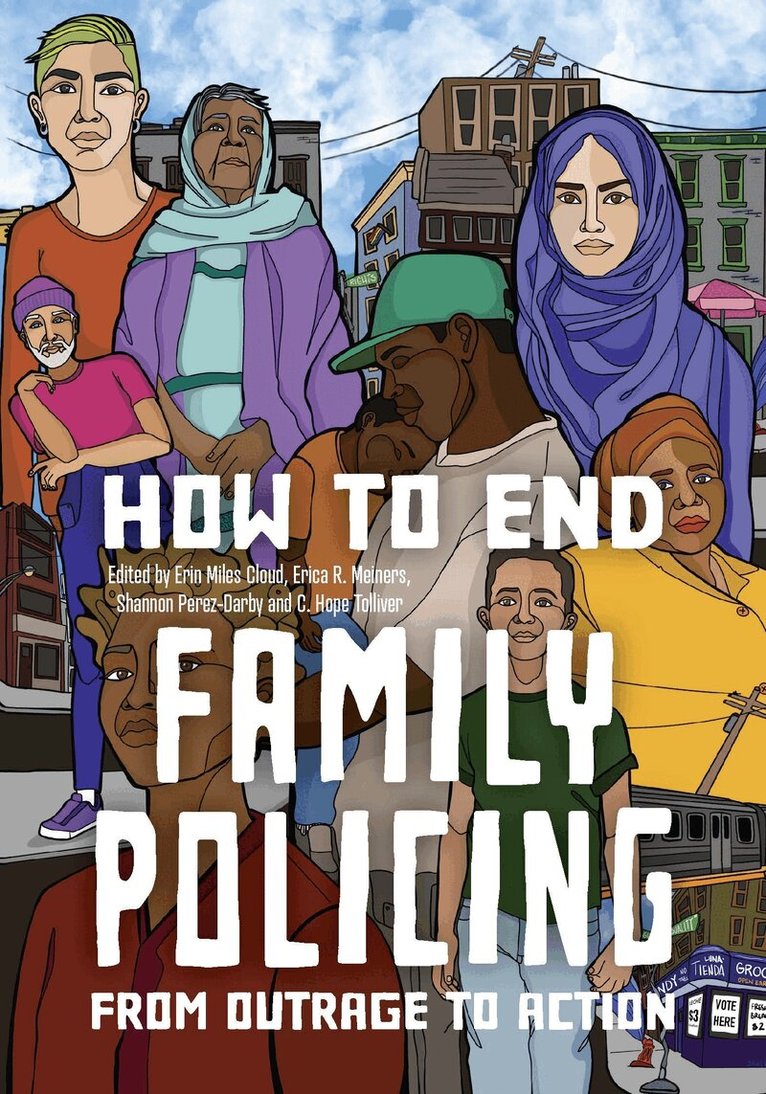
From leading abolitionist organizers, a much-needed intervention arguing that the systems that purport to protect children make them—and our communities—less safe.Based on decades of shared organizing, study, and lived experience, the contributors to How to End Family Policing argue that the child welfare system cannot build genuine safety. Rather than the misleading language of “child welfare” and “child protective services,” scholars and activists use the term “family policing” to name the fact that these institutions and practices are neither neutral nor benign. Black, Indigenous, and Latinx parents do not mistreat their children at higher rates than white parents. Yet 53 percent of all Black children in the United States will experience a child protective services investigation before the age of eighteen.Offering first-person testimony and laying out visions for alternatives to family policing, this book is an urgent call to build flourishing communities.With contributions from Corey B. Best, Annie Chambers, Noran Elzarka, Brianna Harvey, Shira Hassan, Shawn Koyano, jaboa lake, Elizabeth Ling, Leah Plasse, Margaret Prescod, zara raven, Ignacio G. Hutía Xeiti Rivera, Dorothy Roberts, Arneta Rogers, Lisa Sangoi, jasmine Sankofa, Kylee Sunderlin, Jasmine Wali, Amanda Wallace, Eleni Zimiles, and the editors.
Inbunden, Engelska, 2025
613 kr
Skickas inom 5-8 vardagar
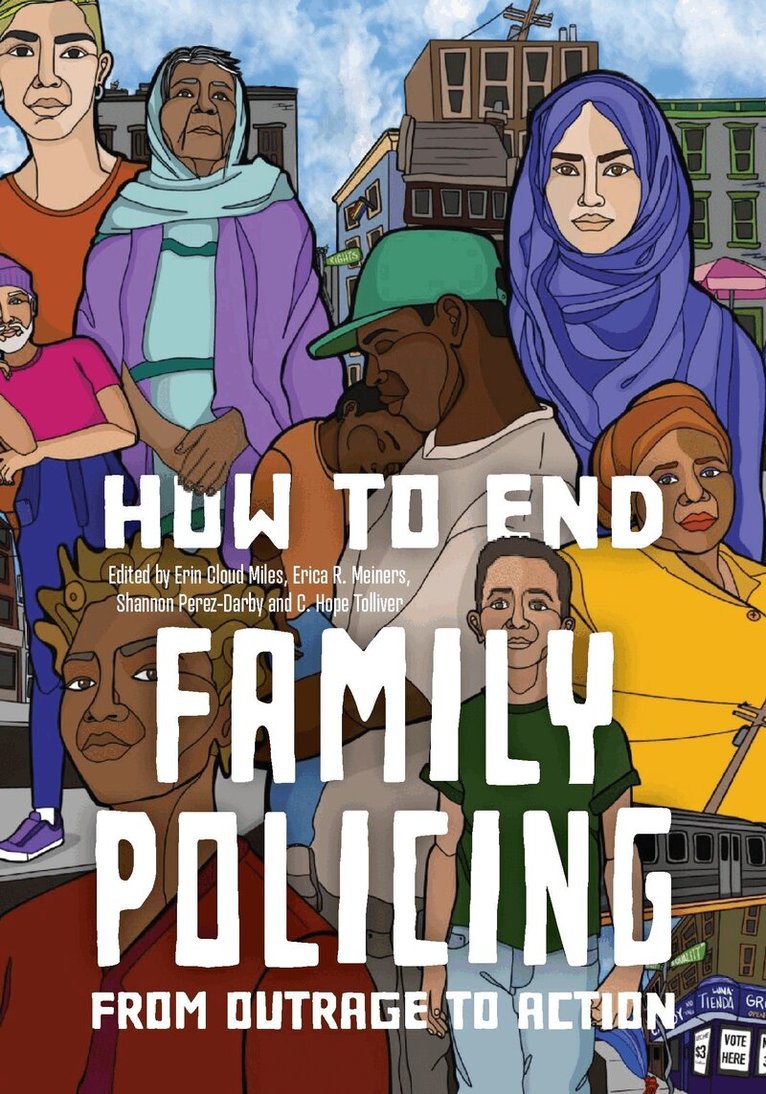
From leading abolitionist organizers, a much-needed intervention arguing that the systems that purport to protect children make them—and our communities—less safe.Based on decades of shared organizing, study, and lived experience, the contributors to How to End Family Policing argue that the child welfare system cannot build genuine safety. Rather than the misleading language of “child welfare” and “child protective services,” scholars and activists use the term “family policing” to name the fact that these institutions and practices are neither neutral nor benign. Black, Indigenous, and Latinx parents do not mistreat their children at higher rates than white parents. Yet 53 percent of all Black children in the United States will experience a child protective services investigation before the age of eighteen.Offering first-person testimony and laying out visions for alternatives to family policing, this book is an urgent call to build flourishing communities.With contributions from Corey B. Best, Annie Chambers, Noran Elzarka, Brianna Harvey, Shira Hassan, Shawn Koyano, jaboa lake, Elizabeth Ling, Leah Plasse, Margaret Prescod, zara raven, Ignacio G. Hutía Xeiti Rivera, Dorothy Roberts, Arneta Rogers, Lisa Sangoi, jasmine Sankofa, Kylee Sunderlin, Jasmine Wali, Amanda Wallace, Eleni Zimiles, and the editors.
E-bok
Engelska, 2025124 kr
Läs direkt efter köp
From leading abolitionist organizers, a much-needed intervention arguing that the systems that purport to protect children make them-and our communities-less safe.Based on decades of shared organizing, study, and lived experience, the contributors to How to End Family Policing argue that the child welfare system cannot build genuine safety. Rather than the misleading language of child welfare and child protective services, scholars and activists use the term family policing to name the fact that these institutions and practices are neither neutral nor benign. Black, Indigenous, and Latinx parents do not mistreat their children at higher rates than white parents. Yet 53 percent of all Black children in the United States will experience a child protective services investigation before the age of eighteen.Offering first-person testimony and laying out visions for alternatives to family policing, this book is an urgent call to build flourishing communities.With contributions from Corey B. Best, Annie Chambers, Noran Elzarka, Brianna Harvey, Shira Hassan, Shawn Koyano, jaboa lake, Elizabeth Ling, Leah Plasse, Margaret Prescod, zara raven, Ignacio G. Hutia Xeiti Rivera, Dorothy Roberts, Arneta Rogers, Lisa Sangoi, jasmine Sankofa, Kylee Sunderlin, Jasmine Wali, Amanda Wallace, Eleni Zimiles, and the editors.