Erica R. Meiners – författare
Visar alla böcker från författaren Erica R. Meiners. Handla med fri frakt och snabb leverans.
18 produkter
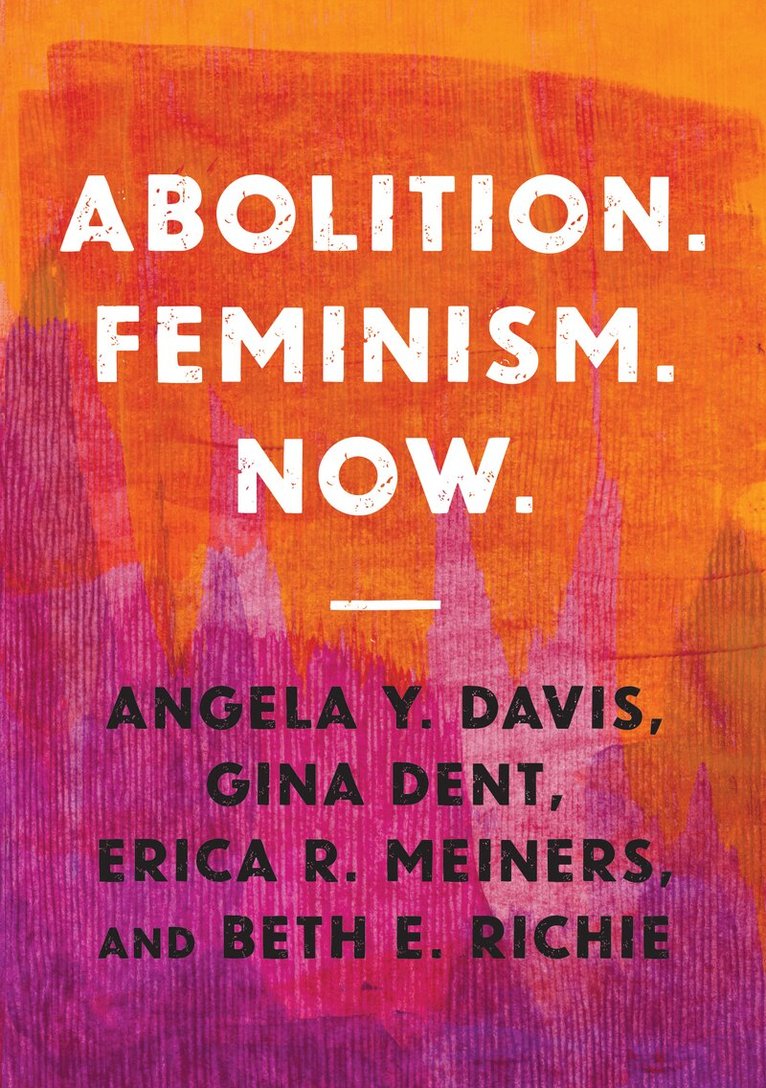
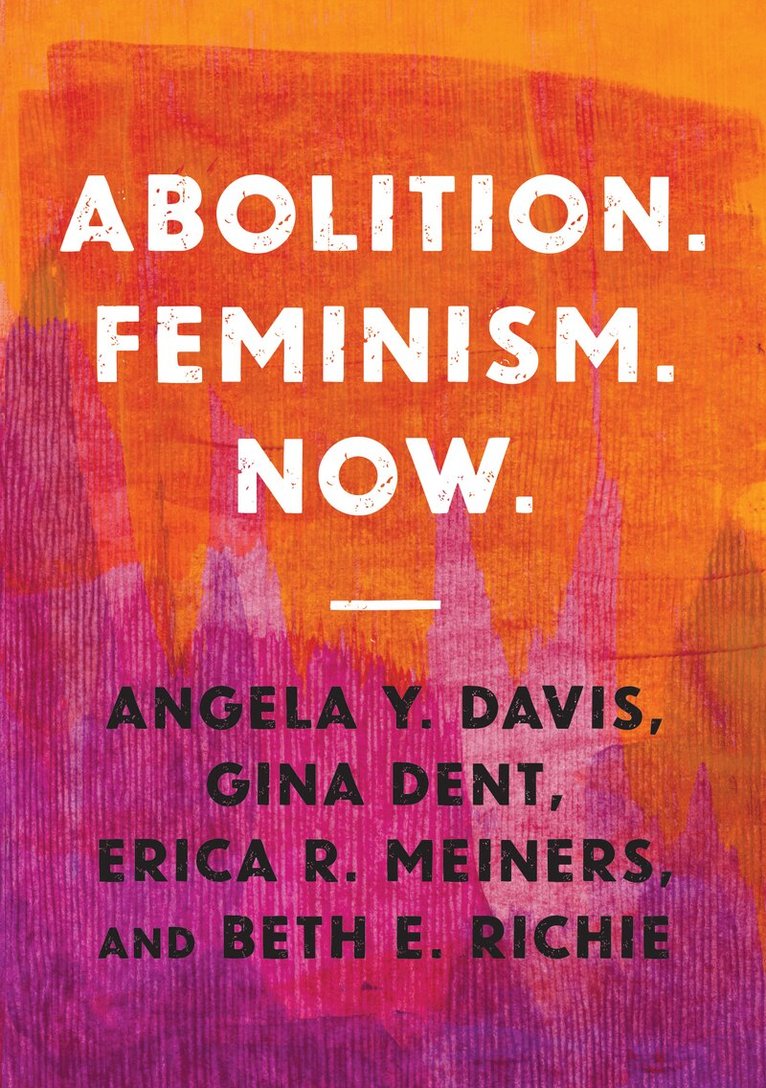
Abolition. Feminism. Now.
Av Angela Y. Davis, Gina Dent m. fl.
Inbunden, 2022
560 kr
Lägg i varukorg
Abolition. Feminism. Now. is a celebration of freedom work, a movement genealogy, a call to action, and a challenge to those who think of abolition and feminism as separate—even incompatible—political projects.In this remarkable collaborative work, leading scholar-activists Angela Y. Davis, Gina …
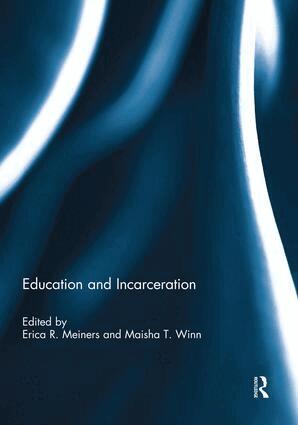
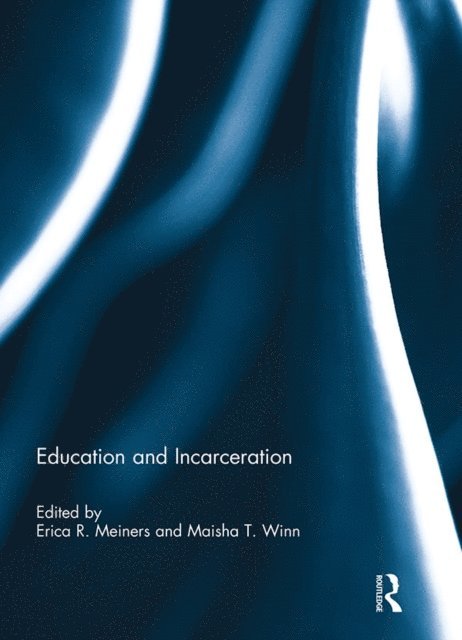
Education and Incarceration
Av Erica R. Meiners, Maisha T. Winn
Inbunden, 2011
2439 kr
Lägg i varukorg
The United States of America is in possession of the largest prison population in the world, with 2.3 million people currently behind bars. This number is predominantly and disproportionately made up of communities of colour and poverty. Between 1987 and 2007, the U.S. prison population tripled; …
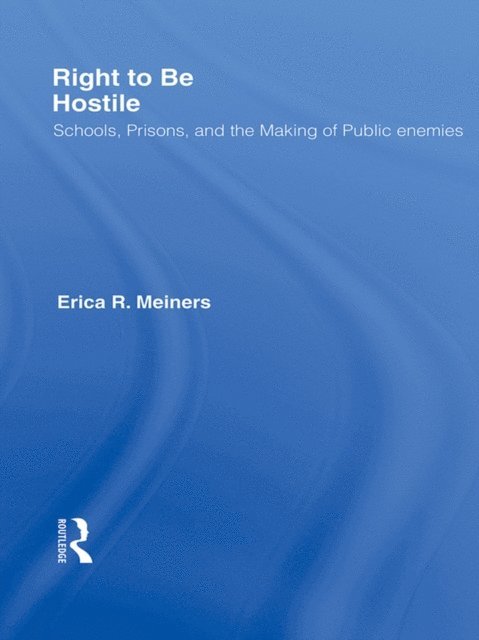
Right to Be Hostile
Schools, Prisons, and the Making of Public Enemies
Inbunden, 2007
3063 kr
Lägg i varukorg
In Right to be Hostile, scholar and activist Erica Meiners offers concrete examples and new insights into the "school to prison' pipeline phenomenon, showing how disciplinary regulations, pedagogy, pop culture and more not only implicitly advance, but actually normalize an expectation of …
Right to Be Hostile
Schools, Prisons, and the Making of Public Enemies
Häftad, 2007
735 kr
Lägg i varukorg
In Right to be Hostile, scholar and activist Erica Meiners offers concrete examples and new insights into the "school to prison' pipeline phenomenon, showing how disciplinary regulations, pedagogy, pop culture and more not only implicitly advance, but actually normalize an expectation of …
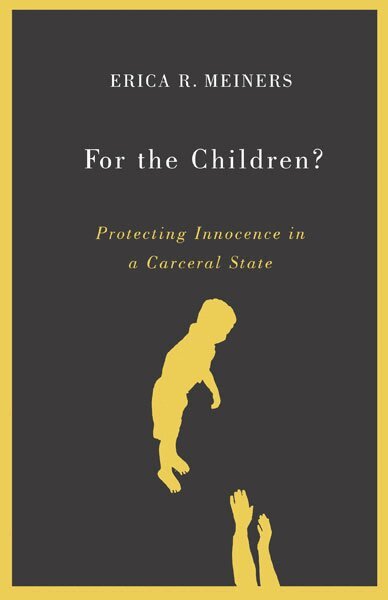
For the Children?
Protecting Innocence in a Carceral State
Häftad, 2016
292 kr
Lägg i varukorg
Childhood has never been available to all.In her opening chapter of For the Children?, Erica R. Meiners stakes the claim that childhood is a racial category often unavailable to communities of color. According to Meiners, this is glaringly evident in the U.S. criminal justice system, where the …
Right to Be Hostile
Schools, Prisons, and the Making of Public Enemies
E-bok, 2010
842 kr
Lägg i varukorg
In Right to be Hostile , scholar and activist Erica Meiners offers concrete examples and new insights into the "school to prison'' pipeline phenomenon, showing how disciplinary regulations, pedagogy, pop culture and more not only implicitly advance, but actually normalize an expectation of …
Right to Be Hostile
Schools, Prisons, and the Making of Public Enemies
E-bok, 2010
842 kr
Lägg i varukorg
In Right to be Hostile , scholar and activist Erica Meiners offers concrete examples and new insights into the "school to prison'' pipeline phenomenon, showing how disciplinary regulations, pedagogy, pop culture and more not only implicitly advance, but actually normalize an expectation of …
Education and Incarceration
Av Erica R. Meiners, Maisha T. Winn
Häftad, 2014
841 kr
Lägg i varukorg
The United States of America is in possession of the largest prison population in the world, with 2.3 million people currently behind bars. This number is predominantly and disproportionately made up of communities of colour and poverty. Between 1987 and 2007, the U.S. prison population tripled; …
Education and Incarceration
Av Maisha T. Winn, Erica R. Meiners
E-bok, 2014
1000 kr
Lägg i varukorg
The United States of America is in possession of the largest prison population in the world, with 2.3 million people currently behind bars. This number is predominantly and disproportionately made up of communities of colour and poverty. Between 1987 and 2007, the U.S. prison population tripled; …
Education and Incarceration
Av Maisha T. Winn, Erica R. Meiners
E-bok, 2014
1022 kr
Lägg i varukorg
The United States of America is in possession of the largest prison population in the world, with 2.3 million people currently behind bars. This number is predominantly and disproportionately made up of communities of colour and poverty. Between 1987 and 2007, the U.S. prison population tripled; …
Abolition. Feminism. Now.
Av Angela Y. Davis, Gina Dent m. fl.
Häftad, 2022
231 kr
Lägg i varukorg
Abolition. Feminism. Now. is a celebration of freedom work, a movement genealogy, a call to action, and a challenge to those who think of abolition and feminism as separate—even incompatible—political projects.In this remarkable collaborative work, leading scholar-activists Angela Y. Davis, Gina …
Abolition. Feminism. Now.
Av Beth E. Richie, Erica R. Meiners m. fl.
E-bok, 2022
334 kr
Lägg i varukorg
Abolition. Feminism. Now. is a celebration of freedom work, a movement genealogy, a call to action, and a challenge to those who think of abolition and feminism as separate—even incompatible—political projects. In this remarkable collaborative work, leading scholar-activists Angela Y. Davis, Gina …
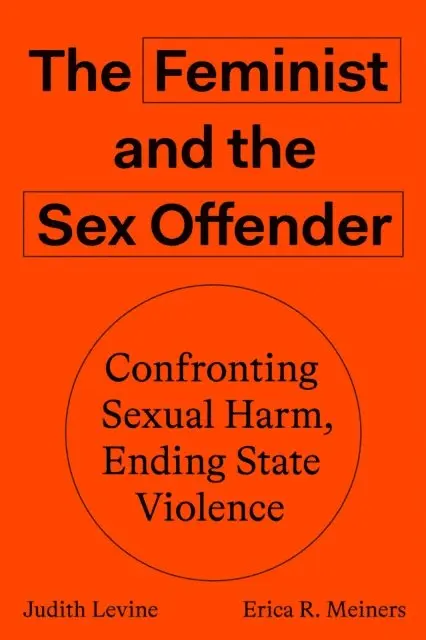
Feminist and The Sex Offender
Confronting Sexual Harm, Ending State Violence
Av Erica R. Meiners, Judith Levine
Häftad, 2020
184 kr
Lägg i varukorg
With analytical clarity and narrative force, The Feminist and the Sex Offender contends with two problems that are typically siloed in the era of #MeToo and mass incarceration: sexual and gender violence, on the one hand, and the state's unjust, ineffective, and soul-destroying response to it on …
Feminist and The Sex Offender
Confronting Sexual Harm, Ending State Violence
Av Erica R. Meiners, Judith Levine
E-bok, 2020
174 kr
Lägg i varukorg
With analytical clarity and narrative force, The Feminist and the Sex Offender contends with two problems that, despite their inextricable linkages, are typically siloed in the era of #MeToo and mass incarceration: sexual and gender violence, on the one hand, and the state''s unjust, ineffective, …
Abolitionismus. Feminismus. Jetzt.
Av Angela Y. Davis, Beth E. Richie m. fl.
Häftad, 2023
214 kr
Lägg i varukorg
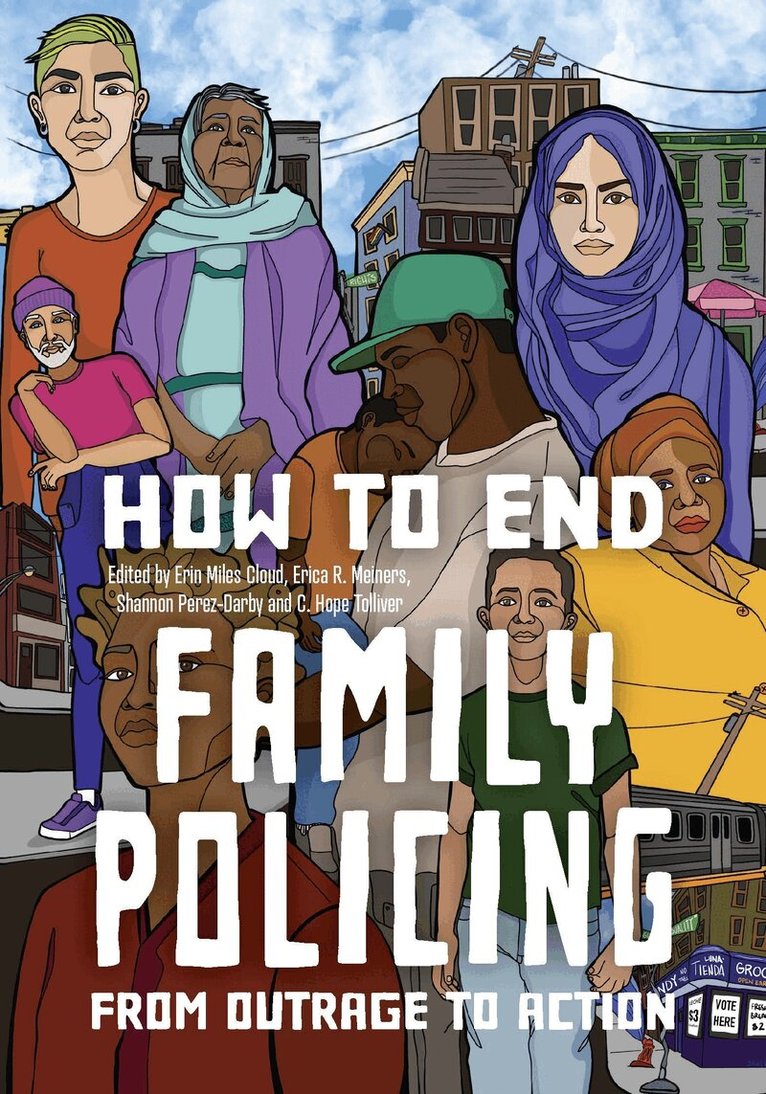
How to End Family Policing
From Outrage to Action
Av Erin Miles Cloud, Erica R. Meiners m. fl.
Häftad, 2025
212 kr
Lägg i varukorg
From leading abolitionist organizers, a much-needed intervention arguing that the systems that purport to protect children make them—and our communities—less safe.Based on decades of shared organizing, study, and lived experience, the contributors to How to End Family Policing argue that the child …
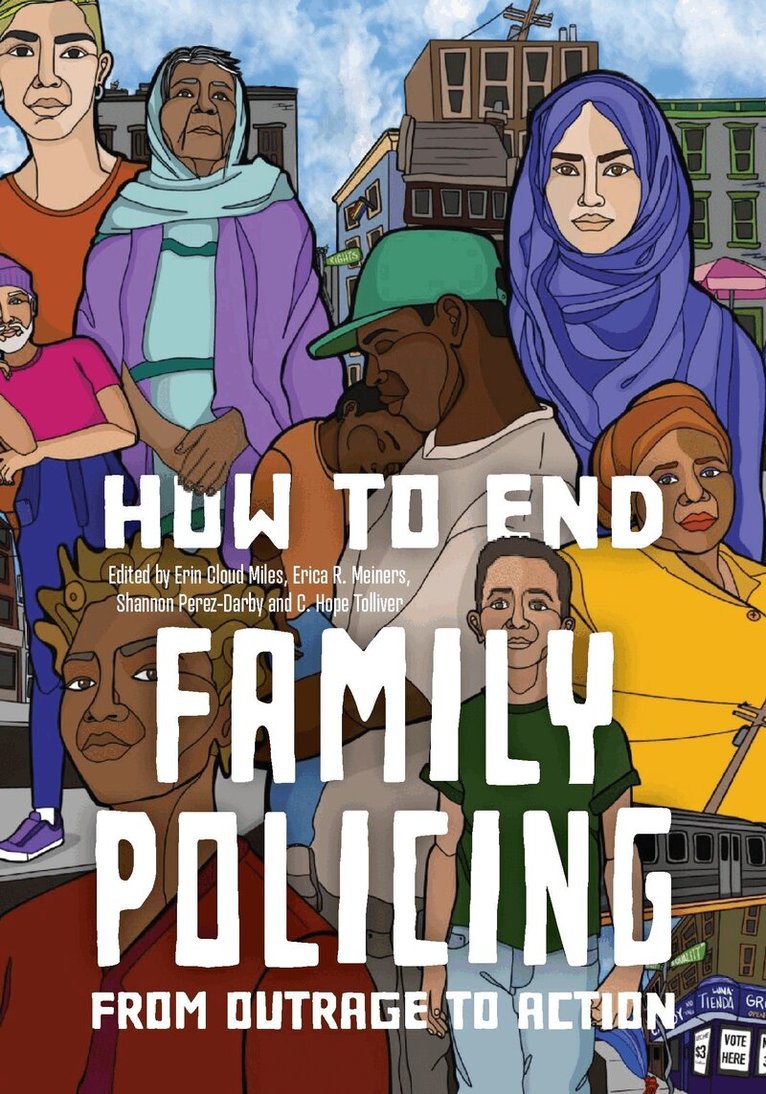
How to End Family Policing
From Outrage to Action
Av Erin Miles Cloud, Erica R. Meiners m. fl.
Inbunden, 2025
653 kr
Lägg i varukorg
From leading abolitionist organizers, a much-needed intervention arguing that the systems that purport to protect children make them—and our communities—less safe.Based on decades of shared organizing, study, and lived experience, the contributors to How to End Family Policing argue that the child …
How to End Family Policing
From Outrage to Action
Av C. Hope Tolliver, Shannon Perez-Darby m. fl.
E-bok, 2025
133 kr
Lägg i varukorg
From leading abolitionist organizers, a much-needed intervention arguing that the systems that purport to protect children make them-and our communities-less safe.Based on decades of shared organizing, study, and lived experience, the contributors to How to End Family Policing argue that the child …