Maisha T. Winn – författare
Visar alla böcker från författaren Maisha T. Winn. Handla med fri frakt och snabb leverans.
21 produkter
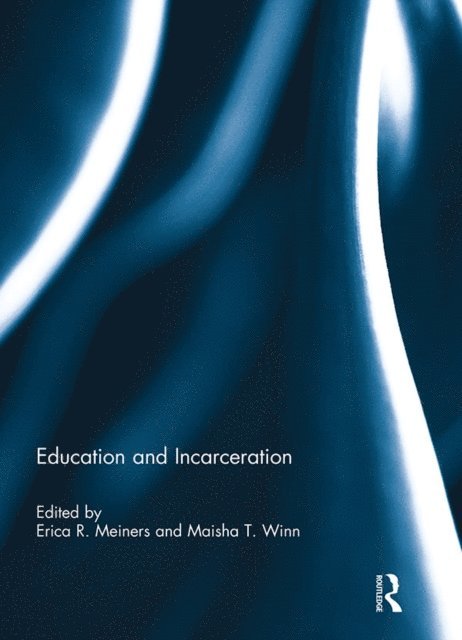
Education and Incarceration
Av Erica R. Meiners, Maisha T. Winn
Inbunden, 2011
2439 kr
Lägg i varukorg
The United States of America is in possession of the largest prison population in the world, with 2.3 million people currently behind bars. This number is predominantly and disproportionately made up of communities of colour and poverty. Between 1987 and 2007, the U.S. prison population tripled; …
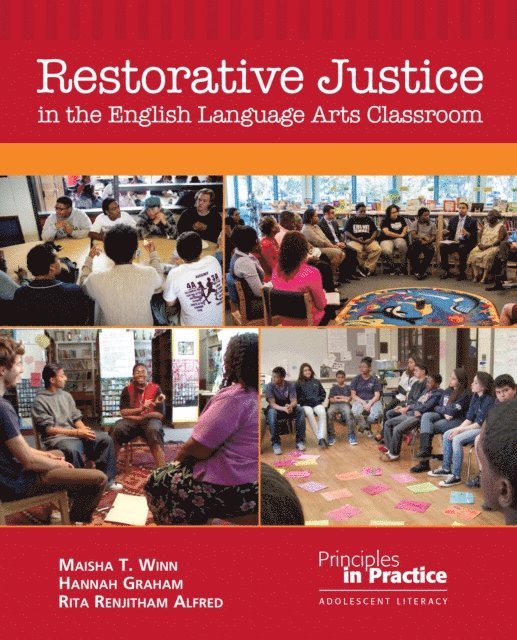
Restorative Justice in the English Language Arts Classroom
Av Hannah Graham, Maisha T. Winn
E-bok, 2019
322 kr
Lägg i varukorg
The authors show how English teachers can think and plan using a restorative justice lens to address issues of student disconnection and alienation; adult and youth well-being in schools; and inequity and racial justice through writing, reading, speaking, and action. How do teachers educate …
Restorative Justice in the English Language Arts Classroom
Av Maisha T. Winn, Hannah Graham m. fl.
Häftad, 2019
458 kr
Lägg i varukorg
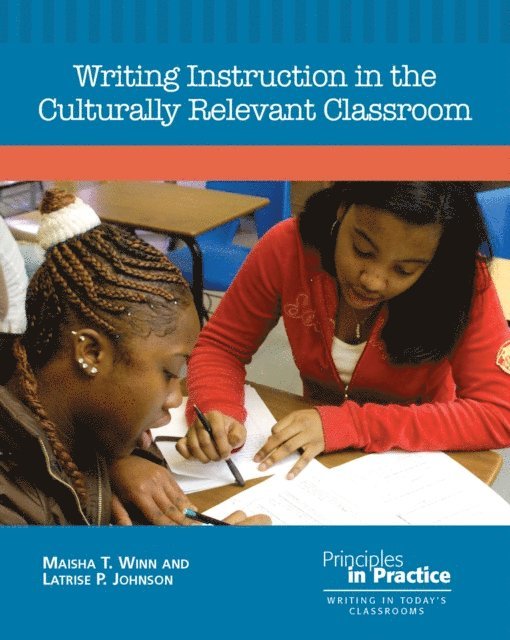
Writing Instruction in the Culturally Relevant Classroom
Av Maisha T. Winn, Latrise P. Johnson
Häftad, 2011
404 kr
Lägg i varukorg
This book offers specific ideas for how to teach writing in a culturally relevant way. Drawing on research-based understandings from NCTE Beliefs about the Teaching of Writing, Winn and Johnson demonstrate how these principles support an approach that can help all students succeed. How can we reach …
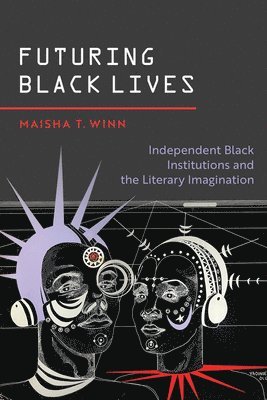
Futuring Black Lives
Independent Black Institutions and the Literary Imagination
Häftad, 2025
350 kr
Lägg i varukorg
Futuring Black Lives is a historical ethnography examining Black institution builders in the late 1960s and early 1970s and their work to leverage the power of publications and the literary imagination to engage “concerned men and women” in conversations about the educational journeys and futures …
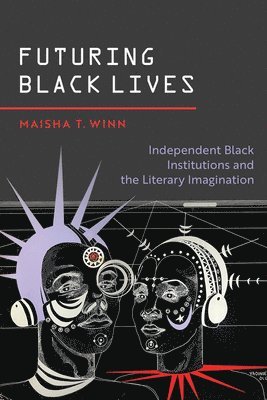
Futuring Black Lives
Independent Black Institutions and the Literary Imagination
Inbunden, 2025
985 kr
Lägg i varukorg
Futuring Black Lives is a historical ethnography examining Black institution builders in the late 1960s and early 1970s and their work to leverage the power of publications and the literary imagination to engage “concerned men and women” in conversations about the educational journeys and futures …
Education and Incarceration
Av Erica R. Meiners, Maisha T. Winn
Häftad, 2014
841 kr
Lägg i varukorg
The United States of America is in possession of the largest prison population in the world, with 2.3 million people currently behind bars. This number is predominantly and disproportionately made up of communities of colour and poverty. Between 1987 and 2007, the U.S. prison population tripled; …
Education and Incarceration
Av Maisha T. Winn, Erica R. Meiners
E-bok, 2014
1000 kr
Lägg i varukorg
The United States of America is in possession of the largest prison population in the world, with 2.3 million people currently behind bars. This number is predominantly and disproportionately made up of communities of colour and poverty. Between 1987 and 2007, the U.S. prison population tripled; …
Education and Incarceration
Av Maisha T. Winn, Erica R. Meiners
E-bok, 2014
1022 kr
Lägg i varukorg
The United States of America is in possession of the largest prison population in the world, with 2.3 million people currently behind bars. This number is predominantly and disproportionately made up of communities of colour and poverty. Between 1987 and 2007, the U.S. prison population tripled; …
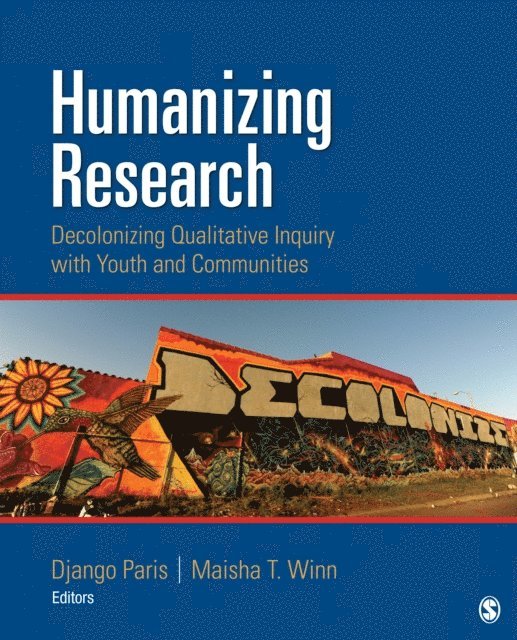
Humanizing Research
Decolonizing Qualitative Inquiry With Youth and Communities
Av Django Paris, Maisha T. Winn m. fl.
Häftad, 2013
2257 kr
Lägg i varukorg
*Winner of the 2015 Outstanding Book Award from the American Educational Research Association’s Qualitative Research Special Interest Group (SIG).* What does it mean to conduct research for justice with youth and communities who are marginalized by systems of inequality based on race, ethnicity, …
Humanizing Research
Decolonizing Qualitative Inquiry With Youth and Communities
Av Maisha T. Winn, Django Paris
E-bok, 2013
1125 kr
Lägg i varukorg
*Winner of the 2015 Outstanding Book Award from the American Educational Research Association’s Qualitative Research Special Interest Group (SIG).* What does it mean to conduct research for justice with youth and communities who are marginalized by systems of inequality based on race, ethnicity, …
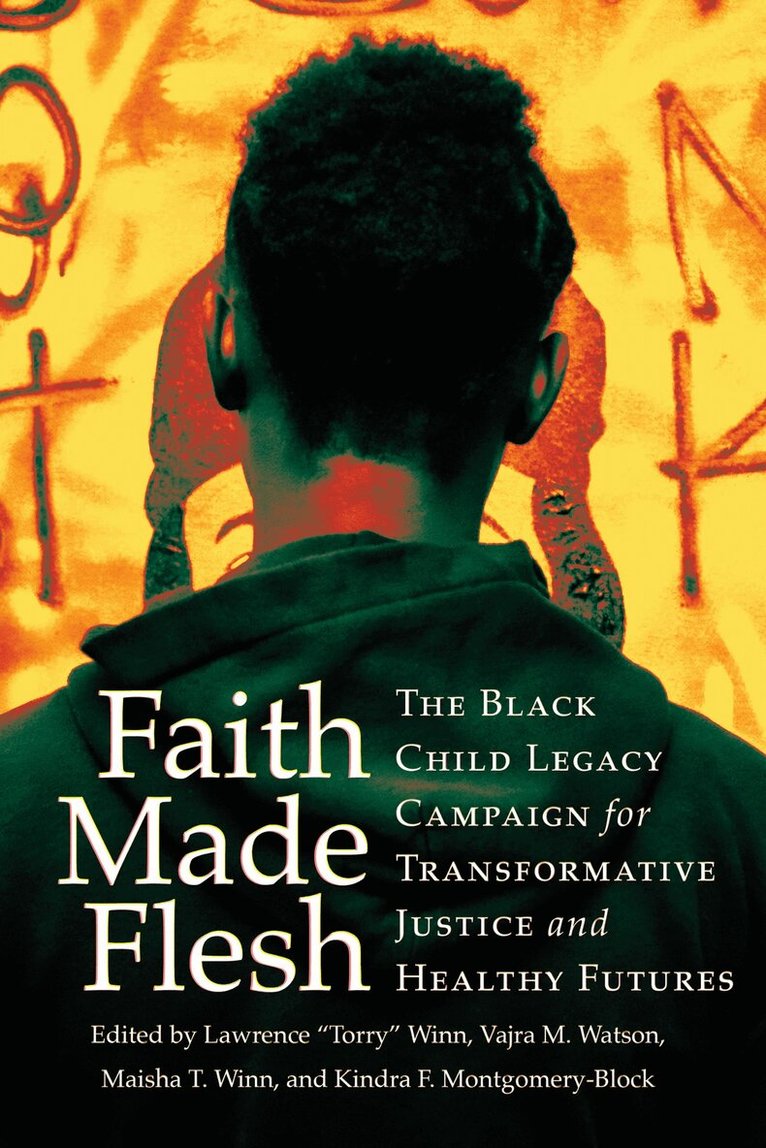
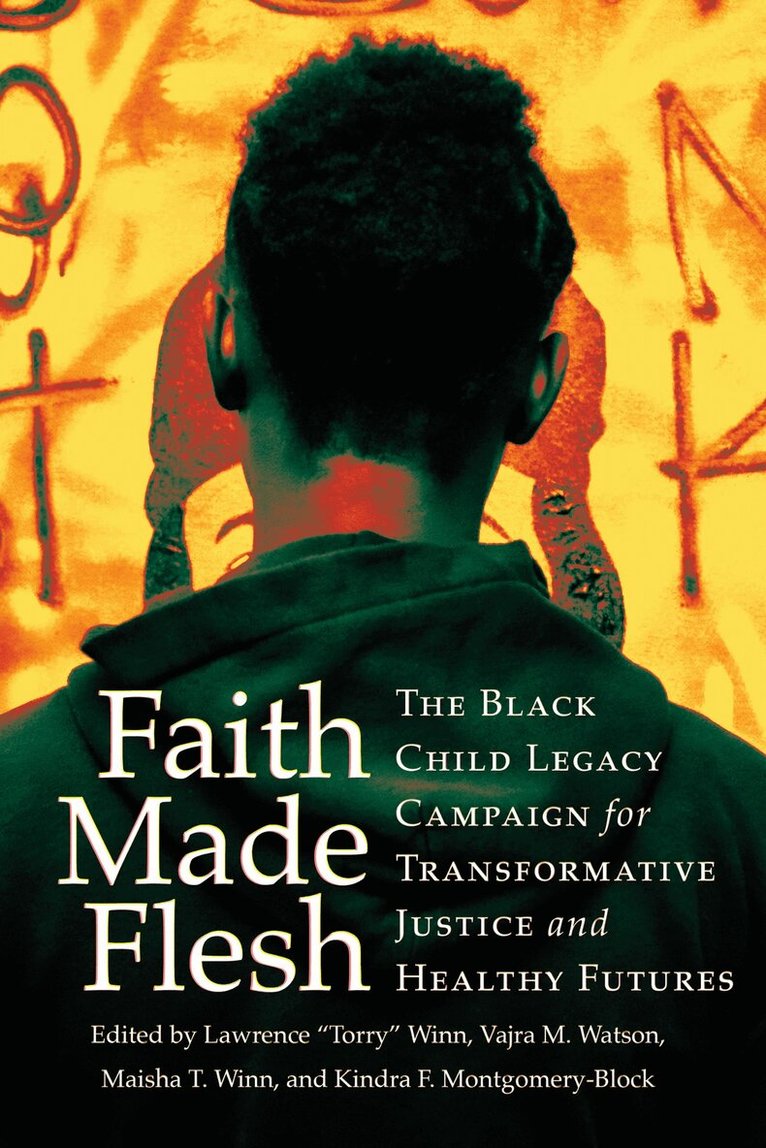
Faith Made Flesh
The Black Child Legacy Campaign for Transformative Justice and Healthy Futures
Av Lawrence "Torry" Winn, Vajra M. Watson m. fl.
Inbunden, 2023
1694 kr
Lägg i varukorg
Faith Made Flesh brings together the experience, insight, and stories of those actively addressing societal and educational disadvantages of Black children in Sacramento, California. Editors Lawrence "Torry" Winn, Vajra M. Watson, Maisha T. Winn, and Kindra F. Montgomery-Block seek to offer viable …
Faith Made Flesh
The Black Child Legacy Campaign for Transformative Justice and Healthy Futures
Av Lawrence "Torry" Winn, Vajra M. Watson m. fl.
Häftad, 2023
312 kr
Lägg i varukorg
Faith Made Flesh brings together the experience, insight, and stories of those actively addressing societal and educational disadvantages of Black children in Sacramento, California. Editors Lawrence "Torry" Winn, Vajra M. Watson, Maisha T. Winn, and Kindra F. Montgomery-Block seek to offer viable …
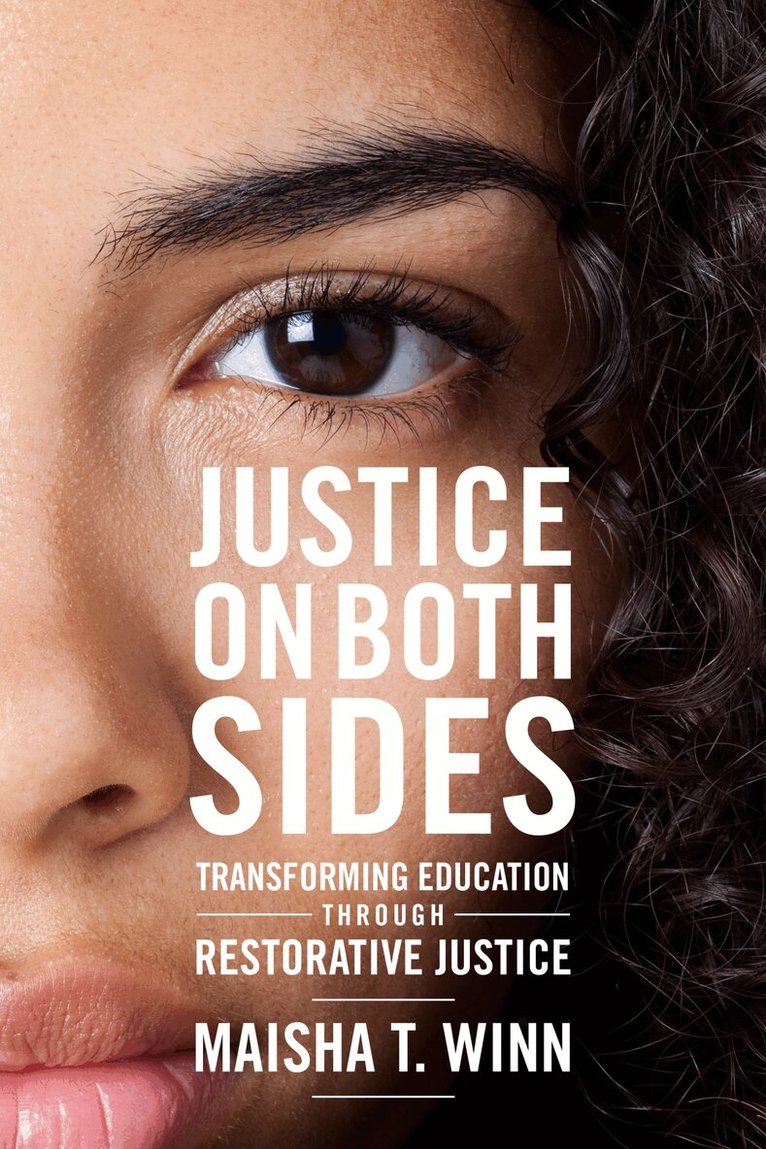
Justice on Both Sides
Transforming Education Through Restorative Justice
Av Maisha T. Winn, H. Richard Milner m. fl.
Häftad, 2018
333 kr
Lägg i varukorg
Restorative justice represents “a paradigm shift in the way Americans conceptualize and administer punishment,” says author Maisha T. Winn, from a focus on crime to a focus on harm, including the needs of both those who were harmed and those who caused it. Her book, Justice on Both Sides, provides …
Justice on Both Sides
Transforming Education Through Restorative Justice
E-bok, 2022
494 kr
Lägg i varukorg
Restorative justice represents “a paradigm shift in the way Americans conceptualize and administer punishment,” says author Maisha T. Winn, from a focus on crime to a focus on harm, including the needs of both those who were harmed and those who caused it. Her book, Justice on Both Sides, provides …
Justice on Both Sides
Transforming Education Through Restorative Justice
E-bok, 2022
505 kr
Lägg i varukorg
Restorative justice represents “a paradigm shift in the way Americans conceptualize and administer punishment,” says author Maisha T. Winn, from a focus on crime to a focus on harm, including the needs of both those who were harmed and those who caused it. Her book, Justice on Both Sides, provides …
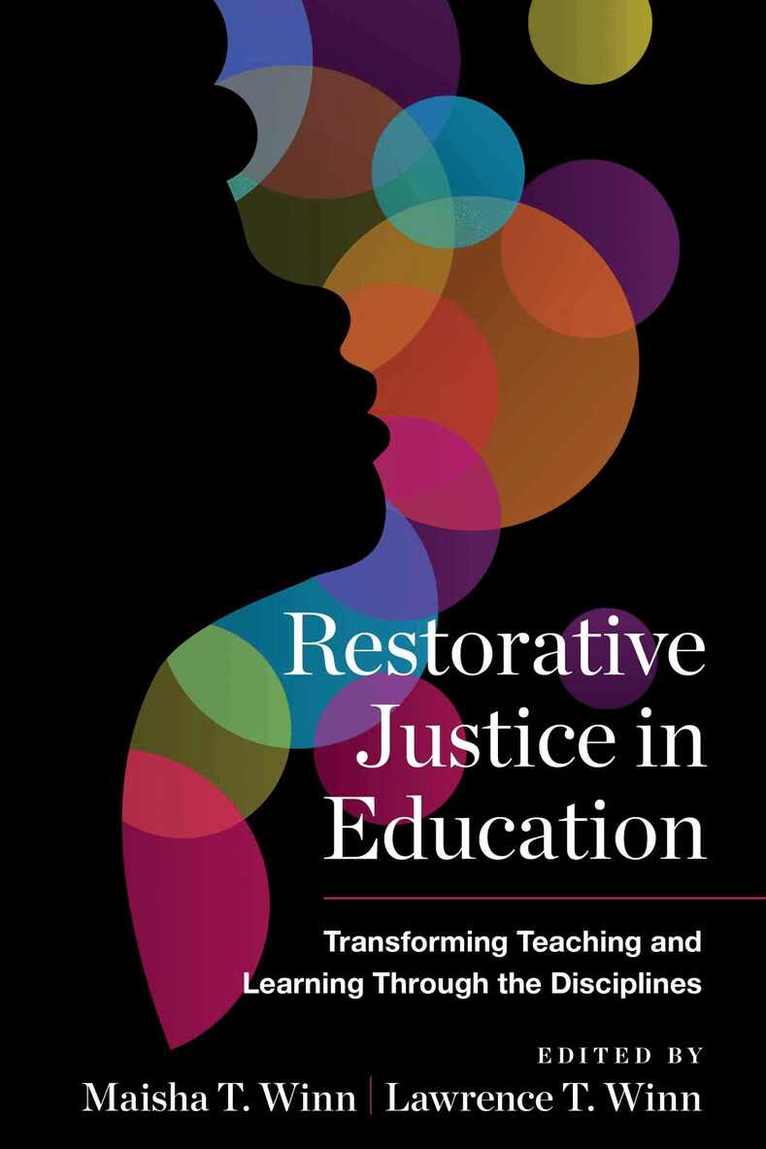
Restorative Justice in Education
Transforming Teaching and Learning Through the Disciplines
Av Maisha T. Winn, Lawrence Winn
Häftad, 2021
347 kr
Lägg i varukorg
Restorative Justice in Education makes the case for restorative justice as a practice as much as it is a paradigm. Through essays, case studies, and interviews, the book outlines for educators and teacher educators how restorative justice can be leveraged to teach across disciplines.Building on the …
Justicia para ambas partes. Transformar la educación a través de la justicia restaurativa
E-bok, 2024
170 kr
Lägg i varukorg
La justicia restaurativa representa un cambio de enfoque que lleva a dialogar tanto sobre las necesidades de quienes fueron dañados como de quienes lo causaron. Su libro, Justice on Both Sides, proporciona una descripción exhaustiva y urgentemente necesaria del valor de la justicia restaurativa y …
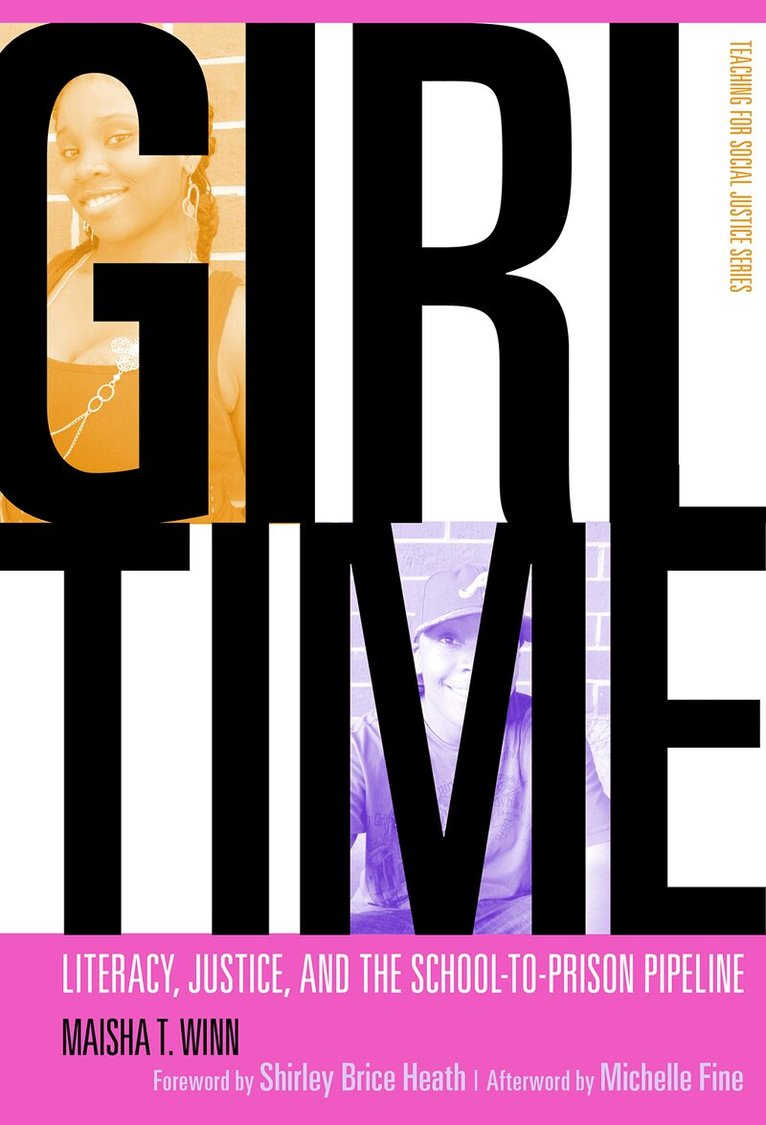
Girl Time
Literacy, Justice and the School-to-Prison Pipeline
Av Maisha T. Winn, William Ayers
Häftad, 2011
348 kr
Tillfälligt slut
This original account is based on the author’s experiences with incarcerated girls participating in Girl Time, a programme created by a theatre company that conducts playwriting and performance workshops in youth detention centres. In addition to examining the lives of these and other formerly …
Review of Research in Education
Disrupting Inequality Through Education Research
Av Maisha T. Winn, Mariana Souto-Manning
Häftad, 2017
1204 kr
Tillfälligt slut
The 2017 volume of Review of Research in Education (RRE), “Disrupting Inequality Through Education Research,” will publish reviews of research that advance understanding of how inequality and social processes that disrupt it affect the lives of children and youth. Each issue of the annual Review of …
Justice on Both Sides
Transforming Education Through Restorative Justice
Inbunden, 2018
646 kr
Tillfälligt slut
Restorative justice represents “a paradigm shift in the way Americans conceptualize and administer punishment,” says author Maisha T. Winn, from a focus on crime to a focus on harm, including the needs of both those who were harmed and those who caused it. Her book, Justice on Both Sides , provides …