Shao Kai Tseng – författare
Visar alla böcker från författaren Shao Kai Tseng. Handla med fri frakt och snabb leverans.
10 produkter
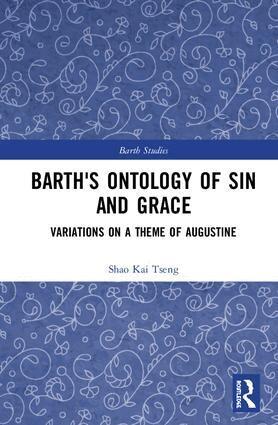
Barth's Ontology of Sin and Grace
Variations on a Theme of Augustine
Inbunden, 2018
2512 kr
Lägg i varukorg
In recent Barth studies it has been argued that a key to understanding the theologian’s opposition to natural theology is his rejection of substantialist ontology. While this is true to an extent, this book argues that it is a mistake to see Barth’s ‘actualistic ontology’ as diametrically opposed …
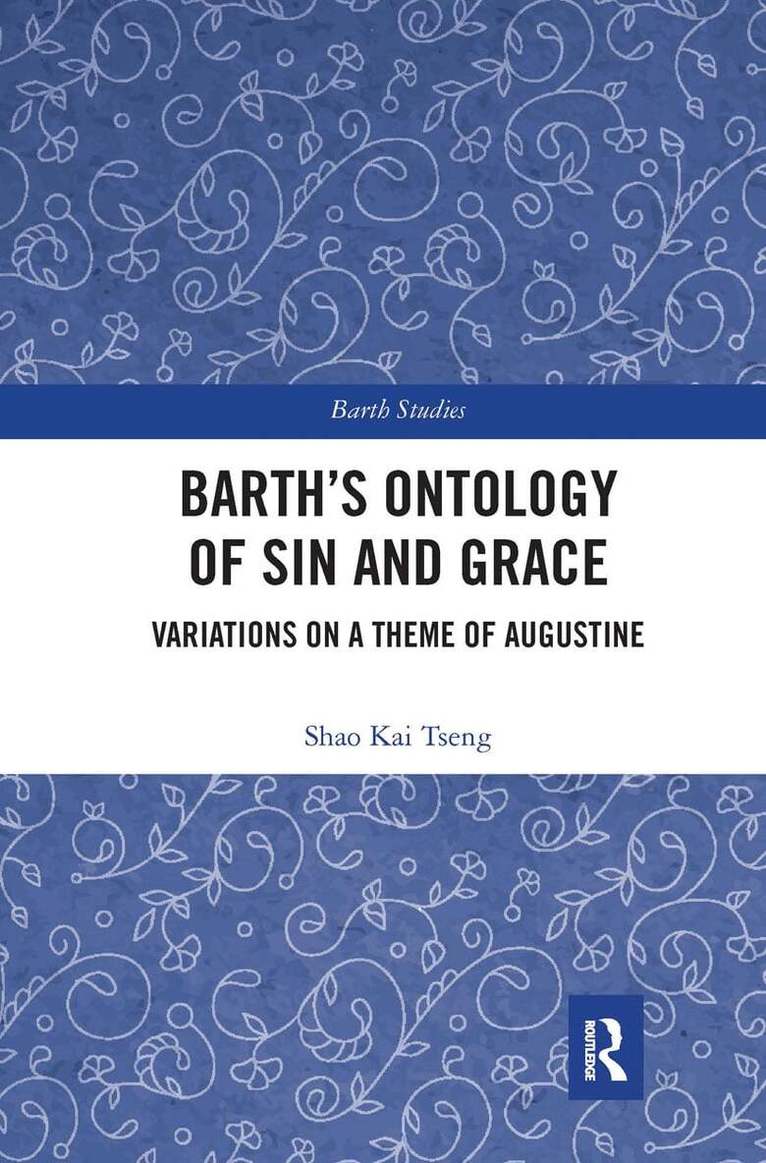
Barth's Ontology of Sin and Grace
Variations on a Theme of Augustine
Häftad, 2020
735 kr
Lägg i varukorg
In recent Barth studies it has been argued that a key to understanding the theologian’s opposition to natural theology is his rejection of substantialist ontology. While this is true to an extent, this book argues that it is a mistake to see Barth’s ‘actualistic ontology’ as diametrically opposed …
Barth's Ontology of Sin and Grace
Variations on a Theme of Augustine
E-bok, 2018
779 kr
Lägg i varukorg
In recent Barth studies it has been argued that a key to understanding the theologian’s opposition to natural theology is his rejection of substantialist ontology. While this is true to an extent, this book argues that it is a mistake to see Barth’s ‘actualistic ontology’ as diametrically …
Barth's Ontology of Sin and Grace
Variations on a Theme of Augustine
E-bok, 2018
779 kr
Lägg i varukorg
In recent Barth studies it has been argued that a key to understanding the theologian’s opposition to natural theology is his rejection of substantialist ontology. While this is true to an extent, this book argues that it is a mistake to see Barth’s ‘actualistic ontology’ as diametrically …
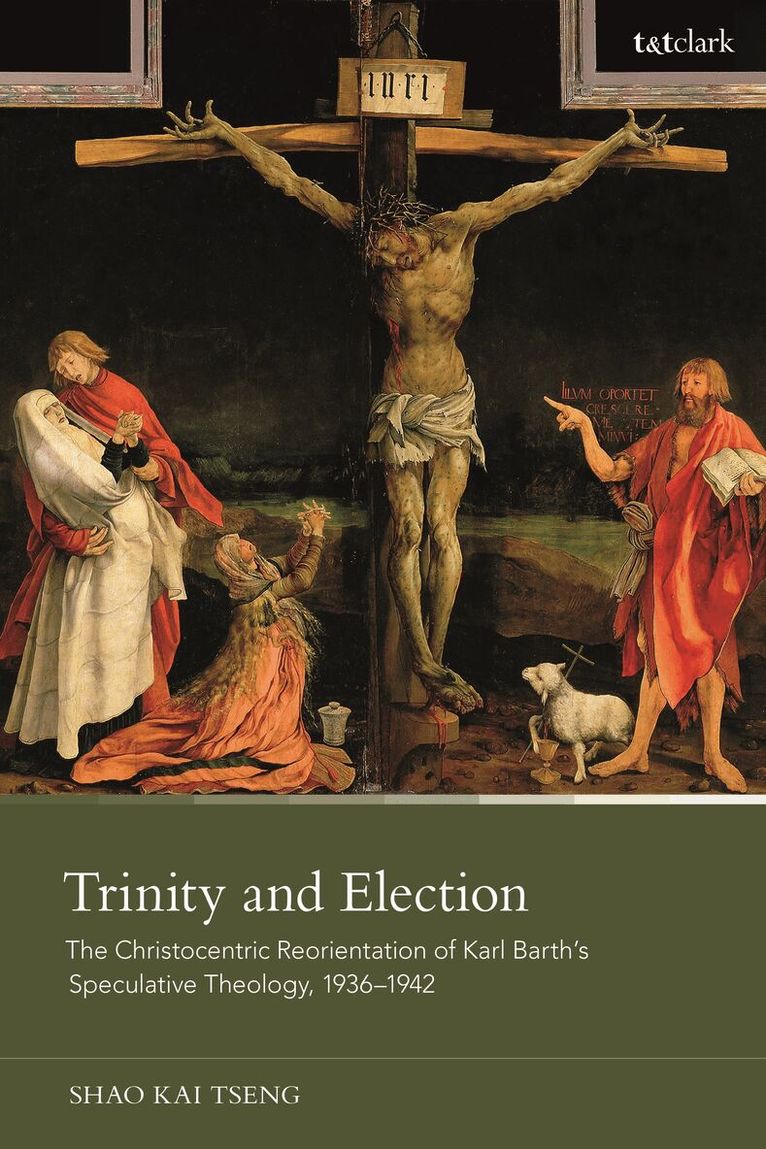
Trinity and Election
The Christocentric Reorientation of Karl Barth’s Speculative Theology, 1936-1942
E-bok, 2023
468 kr
Lägg i varukorg
Challenging Bruce McCormack''s paradigm of post-Kantian Barth scholarship, this book builds on the interpretative model that Sigurd Baark developed in 2018. This model interprets Barth''s innovative adoption of an Anselmian mode of theological speculation, against the intellectual-historical …
Trinity and Election
The Christocentric Reorientation of Karl Barth’s Speculative Theology, 1936-1942
Inbunden, 2023
1278 kr
Lägg i varukorg
Challenging Bruce McCormack’s paradigm of post-Kantian Barth scholarship, this book builds on the interpretative model that Sigurd Baark developed in 2018. This model interprets Barth’s innovative adoption of an Anselmian mode of theological speculation, against the intellectual-historical …
Trinity and Election
The Christocentric Reorientation of Karl Barth’s Speculative Theology, 1936-1942
E-bok, 2023
468 kr
Lägg i varukorg
Challenging Bruce McCormack''s paradigm of post-Kantian Barth scholarship, this book builds on the interpretative model that Sigurd Baark developed in 2018. This model interprets Barth''s innovative adoption of an Anselmian mode of theological speculation, against the intellectual-historical …
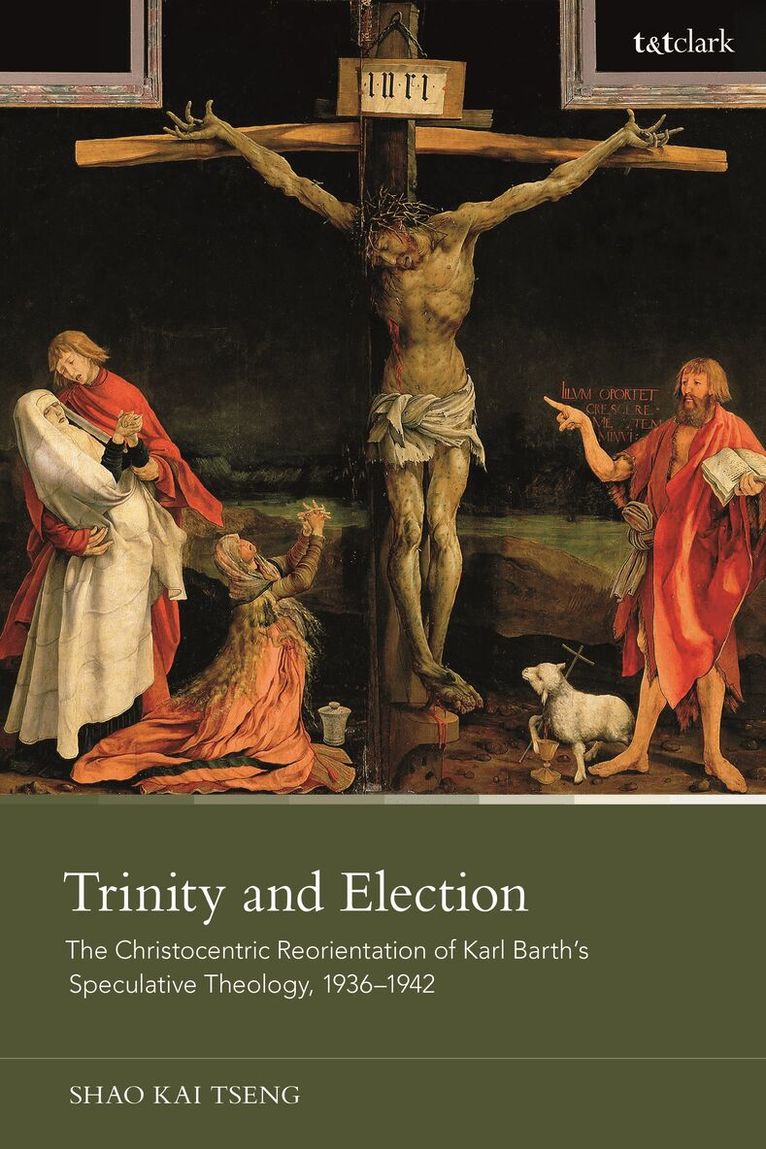
Trinity and Election
The Christocentric Reorientation of Karl Barth’s Speculative Theology, 1936-1942
Häftad, 2024
431 kr
Lägg i varukorg
Challenging Bruce McCormack’s paradigm of post-Kantian Barth scholarship, this book builds on the interpretative model that Sigurd Baark developed in 2018. This model interprets Barth’s innovative adoption of an Anselmian mode of theological speculation, against the intellectual-historical …
Karl Barth`s Infralapsarian Theology – Origins and Development, 1920–1953
Av Shao Kai Tseng, George Hunsinger
Häftad, 2016
463 kr
Lägg i varukorg
Theologians have long assumed that Karl Barth's doctrine of election is supralapsarian. Challenging decades of scholarship, Shao Kai Tseng argues that despite Barth's stated favor of supralapsarianism, his mature lapsarian theology is complex and dialectical, critically reappropriating both supra- …
Karl Barth's Infralapsarian Theology
Origins and Development, 1920-1953
E-bok, 2016
405 kr
Lägg i varukorg
Theologians have long assumed that Karl Barth''s doctrine of election is supralapsarian.Challenging decades of scholarship, Shao Kai Tseng argues that despite Barth''s stated favor of supralapsarianism, his mature lapsarian theology is complex and dialectical, critically reappropriating both supra- …