Sharon Gutman – författare
Visar alla böcker från författaren Sharon Gutman. Handla med fri frakt och snabb leverans.
4 produkter
4 produkter
1 686 kr
Skickas inom 10-15 vardagar
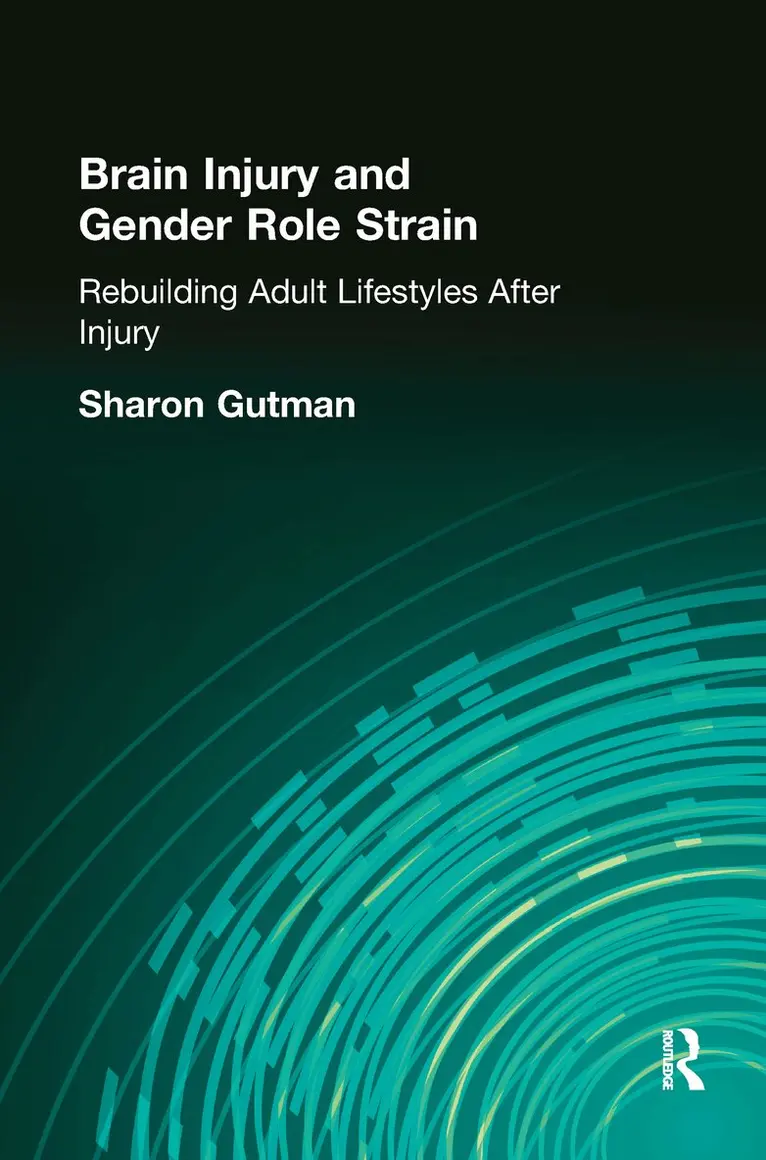
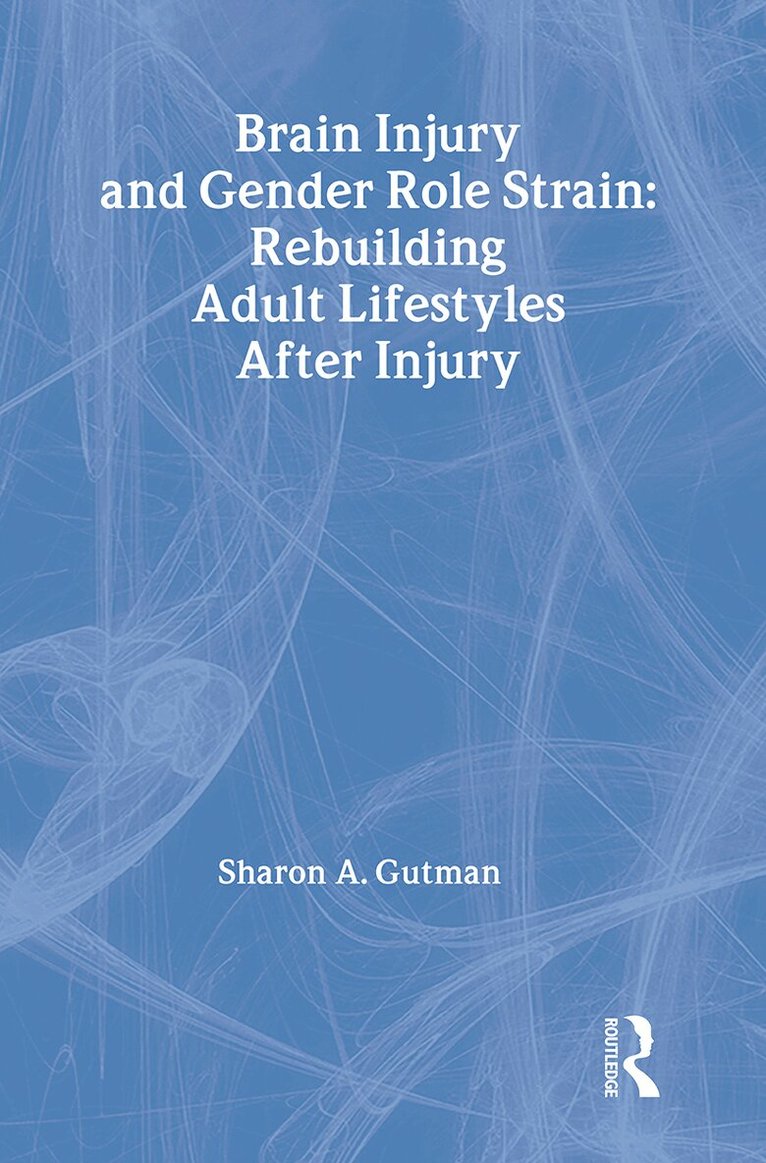
Discover new interventions to restore self-respect and personal life control!When men suffer traumatic brain injury (TBI), they can lose their sense of competence, confidence, and masculinity, resulting in a gender role strain. Brain Injury and Gender Role Strain offers an innovative solution to help such men regain a masculine identity. This important book tells the story of four brain-injured men who suffered because they had lost the roles, relationships, and activities that had once defined their identities as adult men.Most traumatic brain injury is suffered between the ages of 18 and 30, when men are making the developmental transition from adolescent to young adult roles. TBI interrupts that transition and often sends men back into an infantile role, where they rapidly become frustrated. Many of the behavioral and morale problems of men with TBI can be traced to their anger at being unable to participate in the adult world of work, marriage, parenting, and independence. Brain Injury and Gender Role Strain discusses how these issues affected the four men included in the study, all of whom felt isolated, victimized, abandoned, and useless when they could not be the men they had always expected to be.Dr. Gutman's innovative approach can help men regain the gender-related social roles, activities, and rites of passage that help men construct their masculine identity. Brain Injury and Gender Role Strain provides a specialized intervention program that enabled the men to:rebuild familial roles create extended-family roles turn to mentors for guidance learn the skills to form and maintain dating relationships find meaningful community work reclaim a sense of personal competency, life control, and normalityBrain Injury and Gender Role Strain offers timely and important information for health care professionals and family members of individuals with long-term brain injury. This is also an inspiring book for anyone with a brain injury who is struggling to rebuild a life as a competent adult.
387 kr
Tillfälligt slut
Discover new interventions to restore self-respect and personal life control!When men suffer traumatic brain injury (TBI), they can lose their sense of competence, confidence, and masculinity, resulting in a gender role strain. Brain Injury and Gender Role Strain offers an innovative solution to help such men regain a masculine identity. This important book tells the story of four brain-injured men who suffered because they had lost the roles, relationships, and activities that had once defined their identities as adult men.Most traumatic brain injury is suffered between the ages of 18 and 30, when men are making the developmental transition from adolescent to young adult roles. TBI interrupts that transition and often sends men back into an infantile role, where they rapidly become frustrated. Many of the behavioral and morale problems of men with TBI can be traced to their anger at being unable to participate in the adult world of work, marriage, parenting, and independence. Brain Injury and Gender Role Strain discusses how these issues affected the four men included in the study, all of whom felt isolated, victimized, abandoned, and useless when they could not be the men they had always expected to be.Dr. Gutman's innovative approach can help men regain the gender-related social roles, activities, and rites of passage that help men construct their masculine identity. Brain Injury and Gender Role Strain provides a specialized intervention program that enabled the men to:rebuild familial roles create extended-family roles turn to mentors for guidance learn the skills to form and maintain dating relationships find meaningful community work reclaim a sense of personal competency, life control, and normalityBrain Injury and Gender Role Strain offers timely and important information for health care professionals and family members of individuals with long-term brain injury. This is also an inspiring book for anyone with a brain injury who is struggling to rebuild a life as a competent adult.
889 kr
Skickas inom 10-15 vardagar
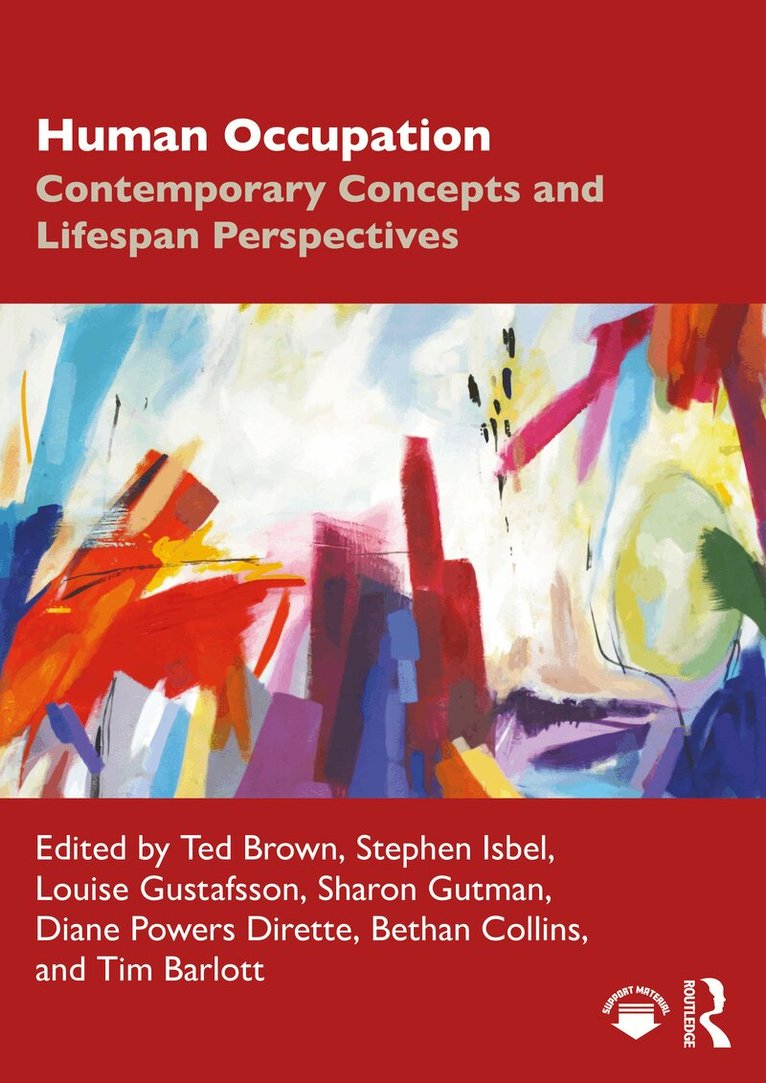
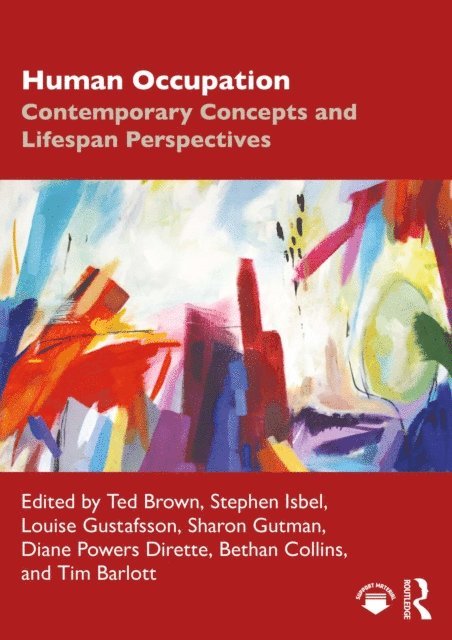
This comprehensive textbook provides occupational therapy and science students and practitioners with a complete overview of the key human occupation concepts, as well as a range of perspectives through which occupational therapy and occupational science can be viewed and understood.Comprising 40 chapters, the book is divided into five sections:Section 1: Overview of Human Occupation. Introducing the occupational therapy field and its conceptual landscape, including different models of therapeutic practice and practice reasoningSection 2: Contemporary Perspectives on Human Occupation. Including critical perspectives on disability and race and the philosophical foundations of occupational scienceSection 3: Principal Concepts. Explaining the conceptual language of human occupation across key person, social, psychological, physical, performance, and environmental issuesSection 4: Human Occupation across the Lifespan and Life Course. Covers human occupation from infancy to later adulthoodSection 5: Domains/Types of Human Occupation. From sleep to play, sexuality to social participation, and education to workUniquely international in scope, each chapter in this edited book includes learning objectives, key terms, summary dot points, review questions, and a list of additional online resources for readers to refer to. This is a complete resource for anyone beginning an occupational therapy course, clinicians seeking an accessible reference work to support their practice, or occupational scientists needing to refer to contemporary occupation-related concepts.Please note: Section 5 of this book can be accessed on the book's page on Routledge.com by clicking on 'Support Material', then the link to 'Routledge Resource Centre'. For the PowerPoint slides, please click on 'Instructor and Student Resources'.
2 596 kr
Skickas inom 10-15 vardagar
This comprehensive textbook provides occupational therapy and science students and practitioners with a complete overview of the key human occupation concepts, as well as a range of perspectives through which occupational therapy and occupational science can be viewed and understood.Comprising 40 chapters, the book is divided into five sections:Section 1: Overview of Human Occupation. Introducing the occupational therapy field and its conceptual landscape, including different models of therapeutic practice and practice reasoningSection 2: Contemporary Perspectives on Human Occupation. Including critical perspectives on disability and race and the philosophical foundations of occupational scienceSection 3: Principal Concepts. Explaining the conceptual language of human occupation across key person, social, psychological, physical, performance, and environmental issuesSection 4: Human Occupation across the Lifespan and Life Course. Covers human occupation from infancy to later adulthoodSection 5: Domains/Types of Human Occupation. From sleep to play, sexuality to social participation, and education to workUniquely international in scope, each chapter in this edited book includes learning objectives, key terms, summary dot points, review questions, and a list of additional online resources for readers to refer to. This is a complete resource for anyone beginning an occupational therapy course, clinicians seeking an accessible reference work to support their practice, or occupational scientists needing to refer to contemporary occupation-related concepts.Please note: Section 5 of this book can be accessed on the book's page on Routledge.com by clicking on 'Support Material', then the link to 'Routledge Resource Centre'. For the PowerPoint slides, please click on 'Instructor and Student Resources'.