Shaun Tougher – författare
Visar alla böcker från författaren Shaun Tougher. Handla med fri frakt och snabb leverans.
28 produkter
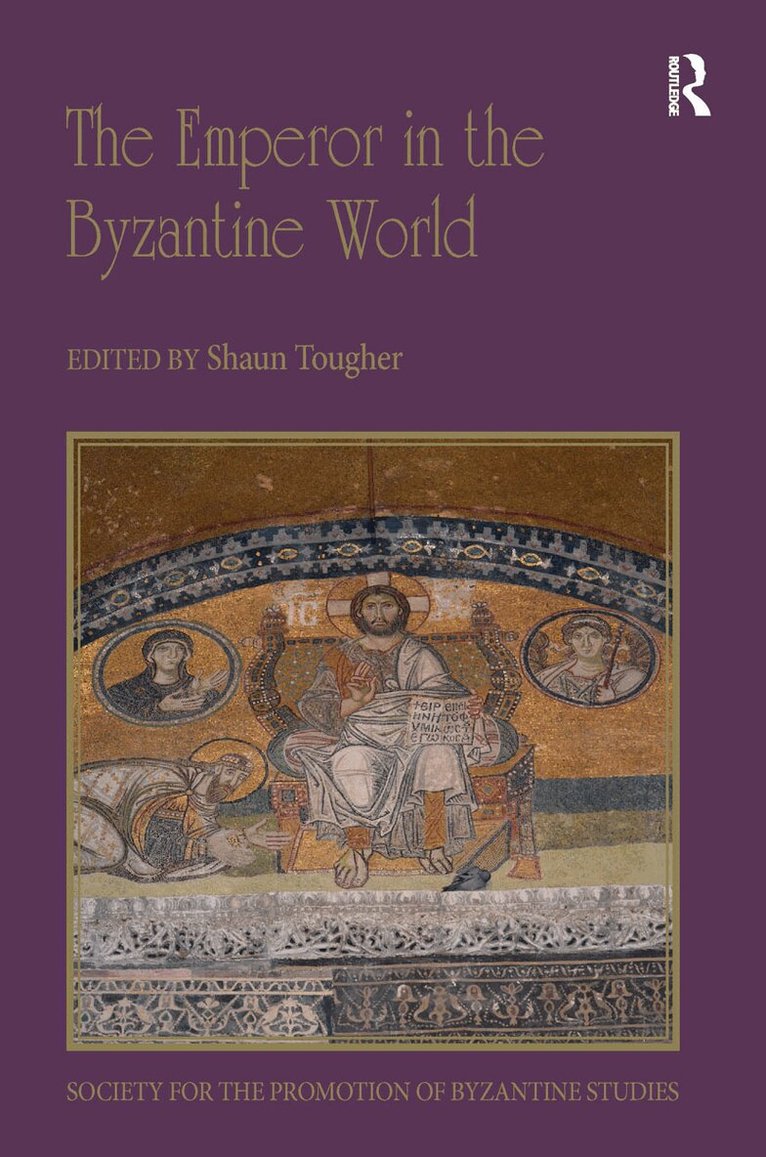
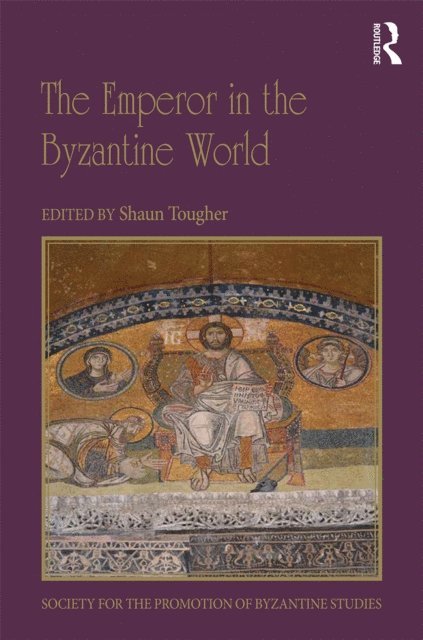
Emperor in the Byzantine World
Papers from the Forty-Seventh Spring Symposium of Byzantine Studies
Häftad, 2020
725 kr
Lägg i varukorg
The subject of the emperor in the Byzantine world may seem likely to be a well-studied topic but there is no book devoted to the emperor in general covering the span of the Byzantine empire. Of course there are studies on individual emperors, dynasties and aspects of the imperial office/role, but …
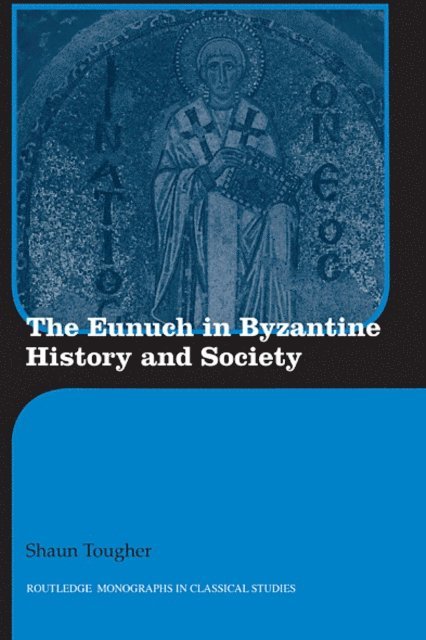
Eunuch in Byzantine History and Society
Inbunden, 2008
2586 kr
Lägg i varukorg
The existence of eunuchs was one of the defining features of the Byzantine Empire. Covering the whole span of the history of the empire, from the fourth to the fifteenth centuries AD, Shaun Tougher presents a comprehensive survey of the history and roles of eunuchs, making use of extensive …
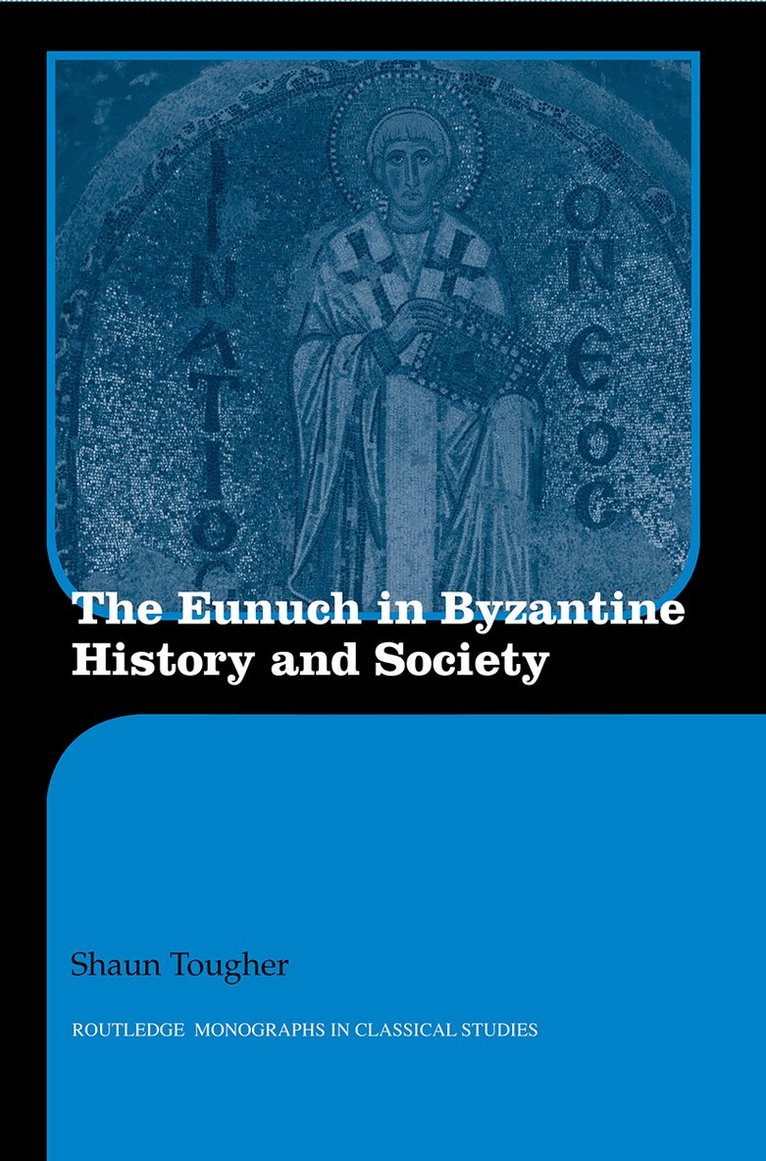
Eunuch in Byzantine History and Society
Häftad, 2010
755 kr
Lägg i varukorg
The existence of eunuchs was one of the defining features of the Byzantine Empire. Covering the whole span of the history of the empire, from the fourth to the fifteenth centuries AD, Shaun Tougher presents a comprehensive survey of the history and roles of eunuchs, making use of extensive …
Emperor in the Byzantine World
Papers from the Forty-Seventh Spring Symposium of Byzantine Studies
E-bok, 2019
838 kr
Lägg i varukorg
The subject of the emperor in the Byzantine world may seem likely to be a well-studied topic but there is no book devoted to the emperor in general covering the span of the Byzantine empire. Of course there are studies on individual emperors, dynasties and aspects of the imperial office/role, but …
Emperor in the Byzantine World
Papers from the Forty-Seventh Spring Symposium of Byzantine Studies
E-bok, 2019
856 kr
Lägg i varukorg
The subject of the emperor in the Byzantine world may seem likely to be a well-studied topic but there is no book devoted to the emperor in general covering the span of the Byzantine empire. Of course there are studies on individual emperors, dynasties and aspects of the imperial office/role, but …
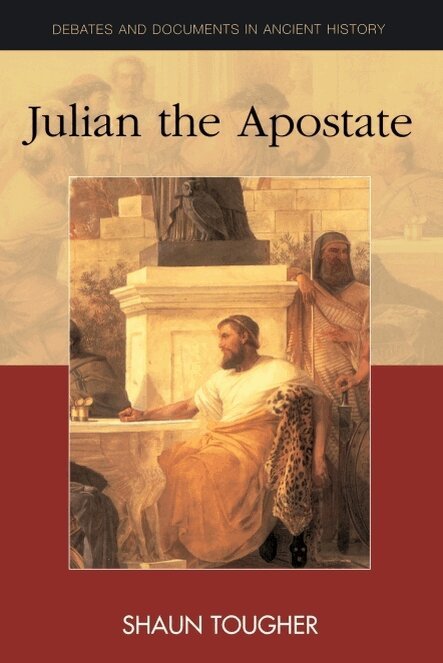
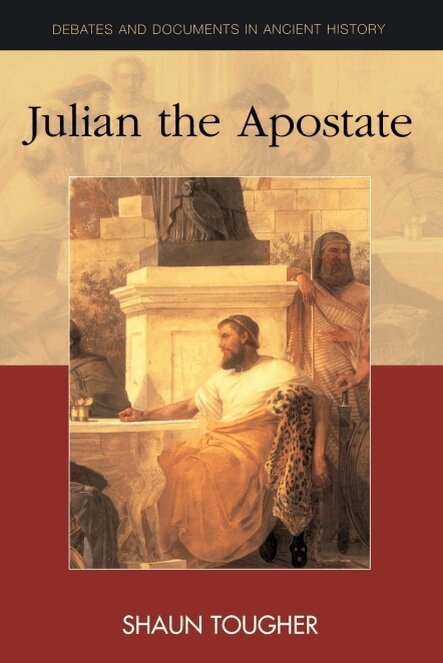
Julian the Apostate
Häftad, 2007
435 kr
Lägg i varukorg
This new study of the last pagan Roman emperor provides remarkable insight into the man and his times.The figure of Julian demands the attention of historians. As the last pagan Roman Emperor, he provides a focus for studying the religious transformations that were taking place in the empire in the …
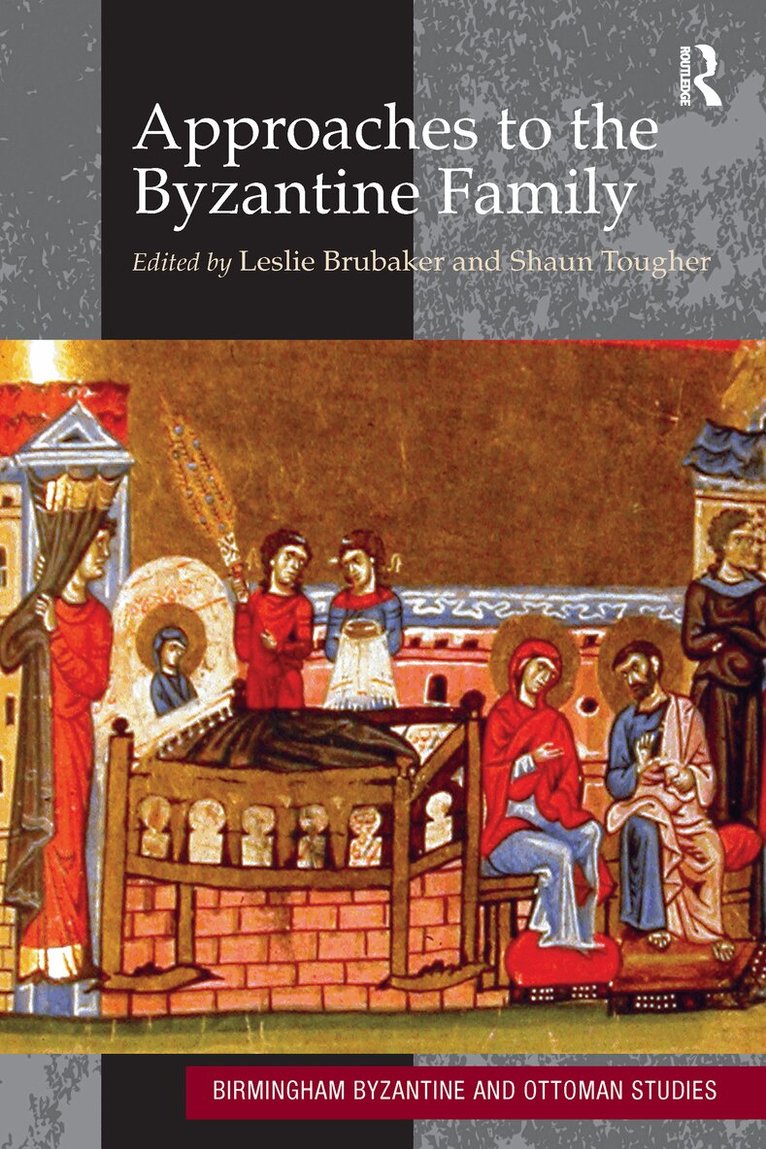
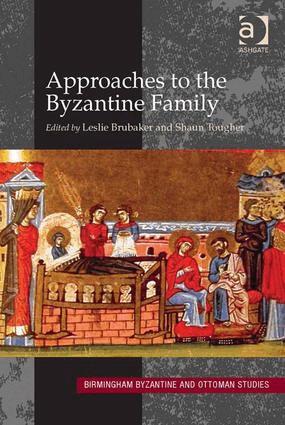
Approaches to the Byzantine Family
Av Leslie Brubaker, Shaun Tougher
Häftad, 2021
727 kr
Lägg i varukorg
The study of the family is one of the major lacunas in Byzantine Studies. Angeliki Laiou remarked in 1989 that ’the study of the Byzantine family is still in its infancy’, and this assertion remains true today. The present volume addresses this lacuna. It comprises 19 chapters written by …
Eunuch in Byzantine History and Society
E-bok, 2009
892 kr
Lägg i varukorg
The existence of eunuchs was one of the defining features of the Byzantine Empire. Covering the whole span of the history of the empire, from the fourth to the fifteenth centuries AD, Shaun Tougher presents a comprehensive survey of the history and roles of eunuchs, making use of extensive …
Eunuch in Byzantine History and Society
E-bok, 2009
873 kr
Lägg i varukorg
The existence of eunuchs was one of the defining features of the Byzantine Empire. Covering the whole span of the history of the empire, from the fourth to the fifteenth centuries AD, Shaun Tougher presents a comprehensive survey of the history and roles of eunuchs, making use of extensive …
Emperor in the Byzantine World
Papers from the Forty-Seventh Spring Symposium of Byzantine Studies
Inbunden, 2019
2578 kr
Lägg i varukorg
The subject of the emperor in the Byzantine world may seem likely to be a well-studied topic but there is no book devoted to the emperor in general covering the span of the Byzantine empire. Of course there are studies on individual emperors, dynasties and aspects of the imperial office/role, but …
Approaches to the Byzantine Family
Av Shaun Tougher, Leslie Brubaker
E-bok, 2016
856 kr
Lägg i varukorg
The study of the family is one of the major lacunas in Byzantine Studies. Angeliki Laiou remarked in 1989 that ’the study of the Byzantine family is still in its infancy’, and this assertion remains true today. The present volume addresses this lacuna. It comprises 19 chapters written by …
Approaches to the Byzantine Family
Av Shaun Tougher, Leslie Brubaker
E-bok, 2016
838 kr
Lägg i varukorg
The study of the family is one of the major lacunas in Byzantine Studies. Angeliki Laiou remarked in 1989 that ’the study of the Byzantine family is still in its infancy’, and this assertion remains true today. The present volume addresses this lacuna. It comprises 19 chapters written by …
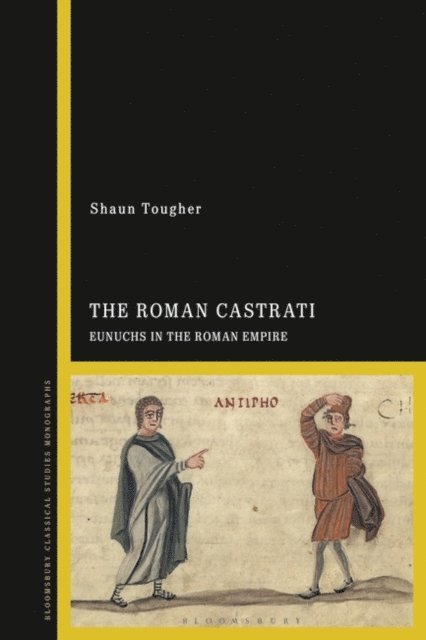
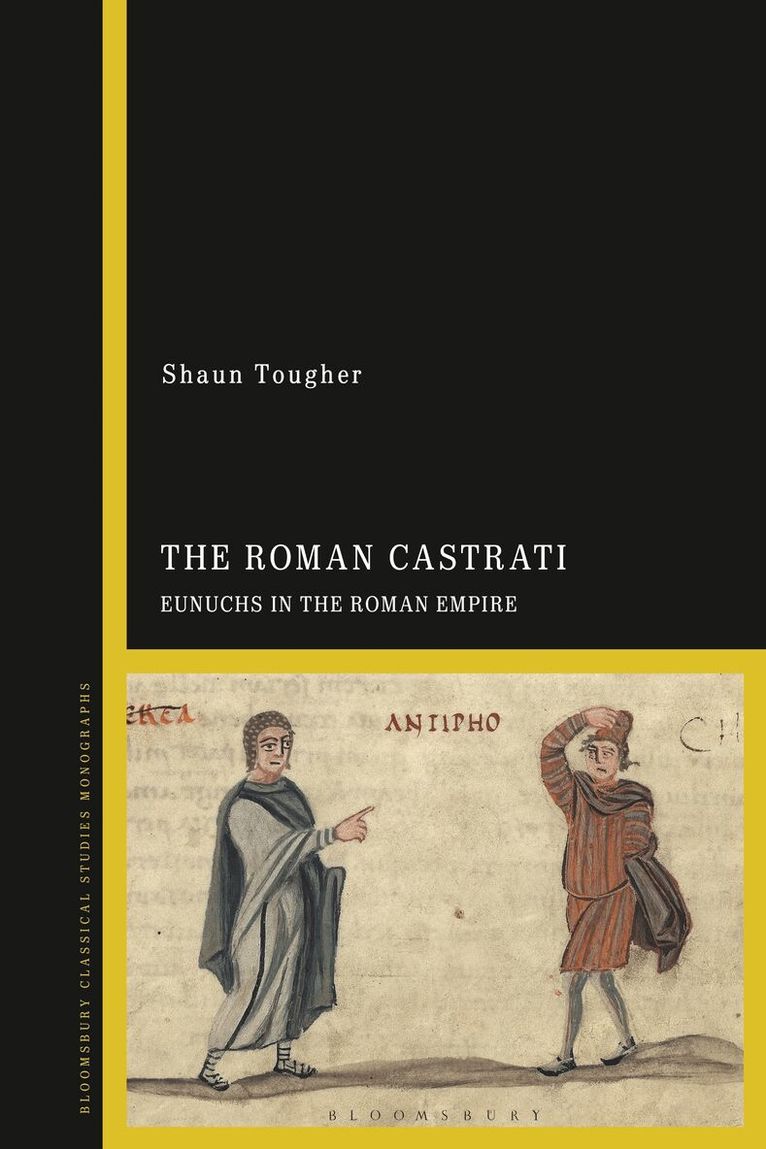
Roman Castrati
Eunuchs in the Roman Empire
E-bok, 2020
514 kr
Lägg i varukorg
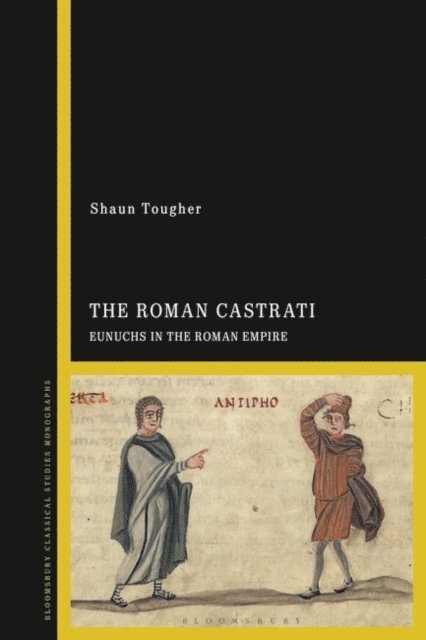
Eunuchs tend to be associated with eastern courts, popularly perceived as harem personnel. However, the Roman empire was also distinguished by eunuchs – they existed as slaves, court officials, religious figures and free men. This book is the first to be devoted to the range of Roman eunuchs. …
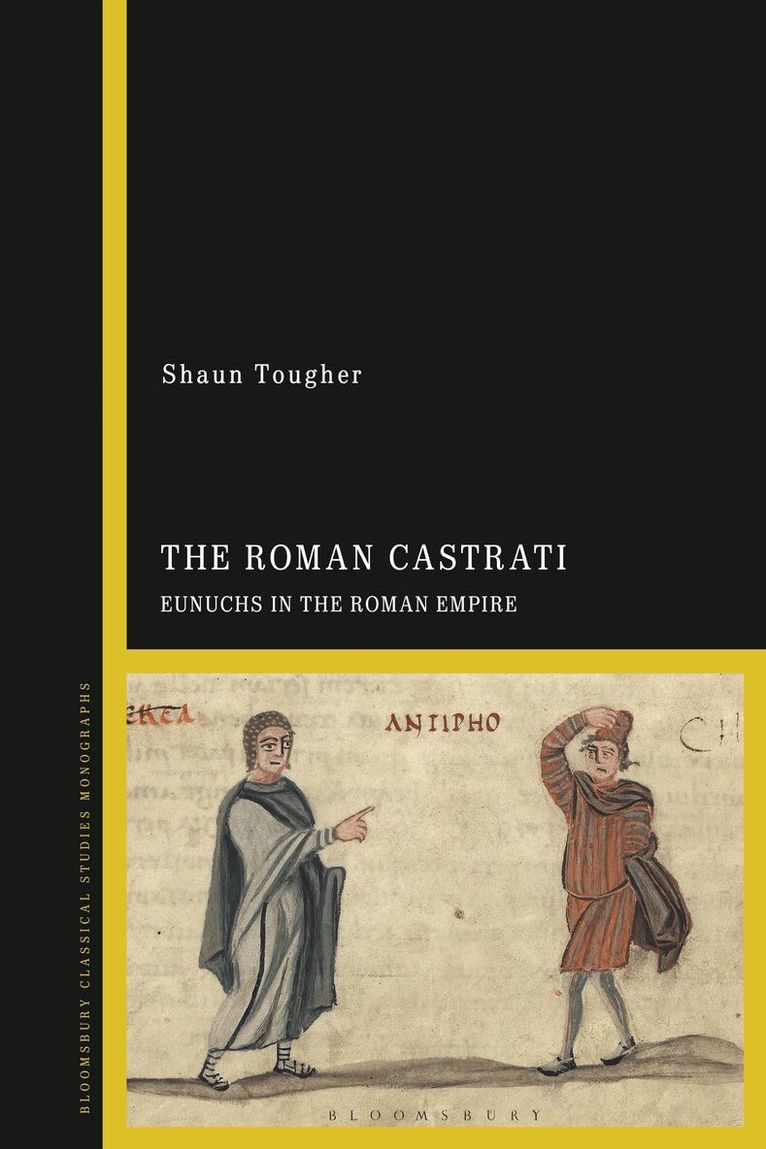
Roman Castrati
Eunuchs in the Roman Empire
Häftad, 2022
471 kr
Lägg i varukorg
Eunuchs tend to be associated with eastern courts, popularly perceived as harem personnel. However, the Roman empire was also distinguished by eunuchs – they existed as slaves, court officials, religious figures and free men. This book is the first to be devoted to the range of Roman eunuchs. …
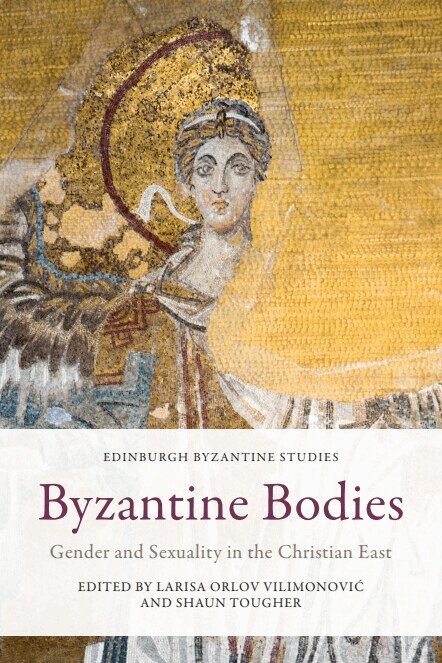
Byzantine Bodies
Gender and Sexuality in the Christian East
Av Larisa Orlov Vilimonović, Shaun Tougher
Inbunden, 2027
1266 kr
Kommande
This book examines how gender, sexuality and embodiment were conceptualised and represented in Byzantine culture. Drawing on interdisciplinary approaches, it explores the body as a site where moral value, social hierarchy and theological meaning were negotiated.The volume brings together studies of …
Approaches to the Byzantine Family
Av Leslie Brubaker, Shaun Tougher
Inbunden, 2013
2578 kr
Lägg i varukorg
The study of the family is one of the major lacunas in Byzantine Studies. Angeliki Laiou remarked in 1989 that ’the study of the Byzantine family is still in its infancy’, and this assertion remains true today. The present volume addresses this lacuna. It comprises 19 chapters written by …
Roman Castrati
Eunuchs in the Roman Empire
E-bok, 2020
514 kr
Lägg i varukorg
Eunuchs tend to be associated with eastern courts, popularly perceived as harem personnel. However, the Roman empire was also distinguished by eunuchs – they existed as slaves, court officials, religious figures and free men. This book is the first to be devoted to the range of Roman eunuchs. …
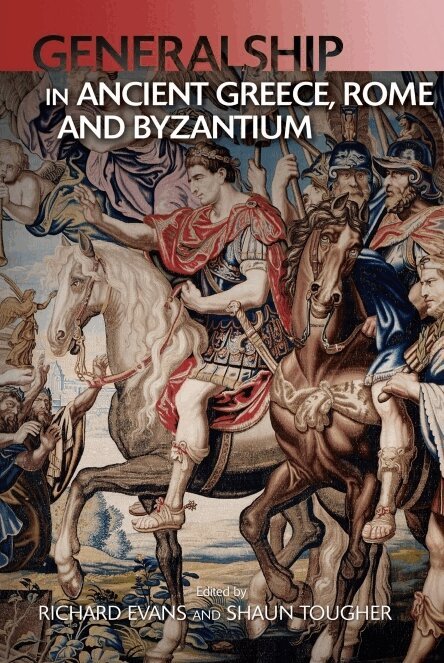
Generalship in Ancient Greece, Rome and Byzantium
Av Shaun Tougher, Richard Evans
Inbunden, 2022
2183 kr
Lägg i varukorg
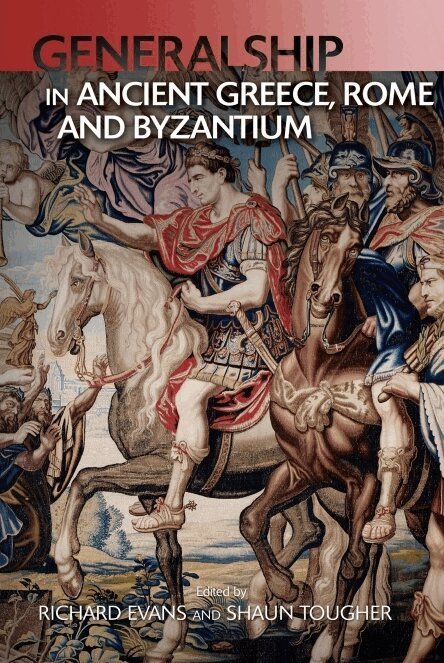
This volume is unique in addressing a key aspect of ancient warfare across a broad chronological and cultural span, focusing on generalship from Archaic Greece to the Byzantine Empire in the twelfth century AD. Across this broad span, it explores a range of ideas on how to be a successful general, …
Generalship in Ancient Greece, Rome and Byzantium
Av Shaun Tougher, Richard Evans
Häftad, 2023
340 kr
Lägg i varukorg
Considers the ideals and realities of generalship across the Greek, Roman and Byzantine worldsAddresses a neglected aspect in the study of ancient warfareAnalyses views generated in different ancient cultures about the theory and practice of generalshipBrings together the latest research on …
Generalship in Ancient Greece, Rome and Byzantium
Av Shaun Tougher, Richard Evans
E-bok, 2021
425 kr
Lägg i varukorg
This volume is unique in addressing a key aspect of ancient warfare across a broad chronological and cultural span, focusing on generalship from Archaic Greece to the Byzantine Empire in the twelfth century AD. Across this broad span, it explores a range of ideas on how to be a successful general, …
Generalship in Ancient Greece, Rome and Byzantium
Av Shaun Tougher, Richard Evans
E-bok, 2021
416 kr
Lägg i varukorg
This volume is unique in addressing a key aspect of ancient warfare across a broad chronological and cultural span, focusing on generalship from Archaic Greece to the Byzantine Empire in the twelfth century AD. Across this broad span, it explores a range of ideas on how to be a successful general, …
Julian the Apostate
E-bok, 2019
523 kr
Lägg i varukorg
This new study of the last pagan Roman emperor provides remarkable insight into the man and his times.The figure of Julian demands the attention of historians. As the last pagan Roman Emperor, he provides a focus for studying the religious transformations that were taking place in the empire in the …
Roman Castrati
Eunuchs in the Roman Empire
Inbunden, 2020
1458 kr
Lägg i varukorg
Eunuchs tend to be associated with eastern courts, popularly perceived as harem personnel. However, the Roman empire was also distinguished by eunuchs – they existed as slaves, court officials, religious figures and free men. This book is the first to be devoted to the range of Roman eunuchs. …
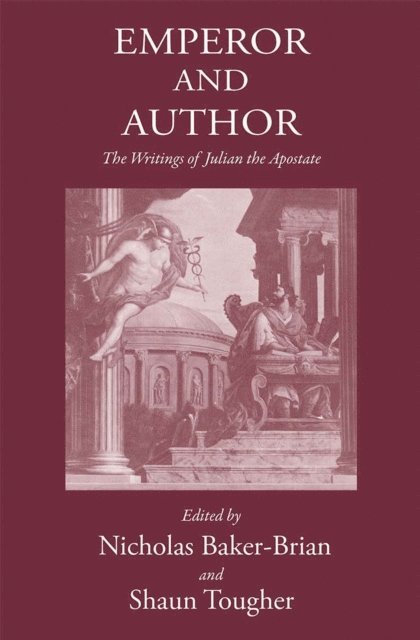
Emperor and Author
The Writings of Julian ''the Apostate''
Av Shaun Tougher, Nicholas J. Baker-Brian
E-bok, 2012
1560 kr
Lägg i varukorg
This volume offers the first comprehensive analysis in English of all the writings of Julian (r. AD 361-363), the last pagan emperor of Rome, noted for his frontal and self-conscious challenge to Christianity. The book also contains treatments of Julian''s laws, inscriptions, coinage, as well as …
Eunuchs in Antiquity and Beyond
Av S. Tougher, Vern L. Bullough m. fl.
Häftad, 2002
438 kr
Lägg i varukorg
Eunuchism was a subject which both intrigued and embarrassed the ancient world. The special virtue attributed to the castrated male at court, of undistracted loyalty to his ruler, aided the promotion of numerous eunuchs to positions of great power. A literary discourse developed, reviling and …
Sons of Constantine, AD 337-361
In the Shadows of Constantine and Julian
Av Nicholas Baker-Brian, Shaun Tougher
Inbunden, 2020
1580 kr
Lägg i varukorg
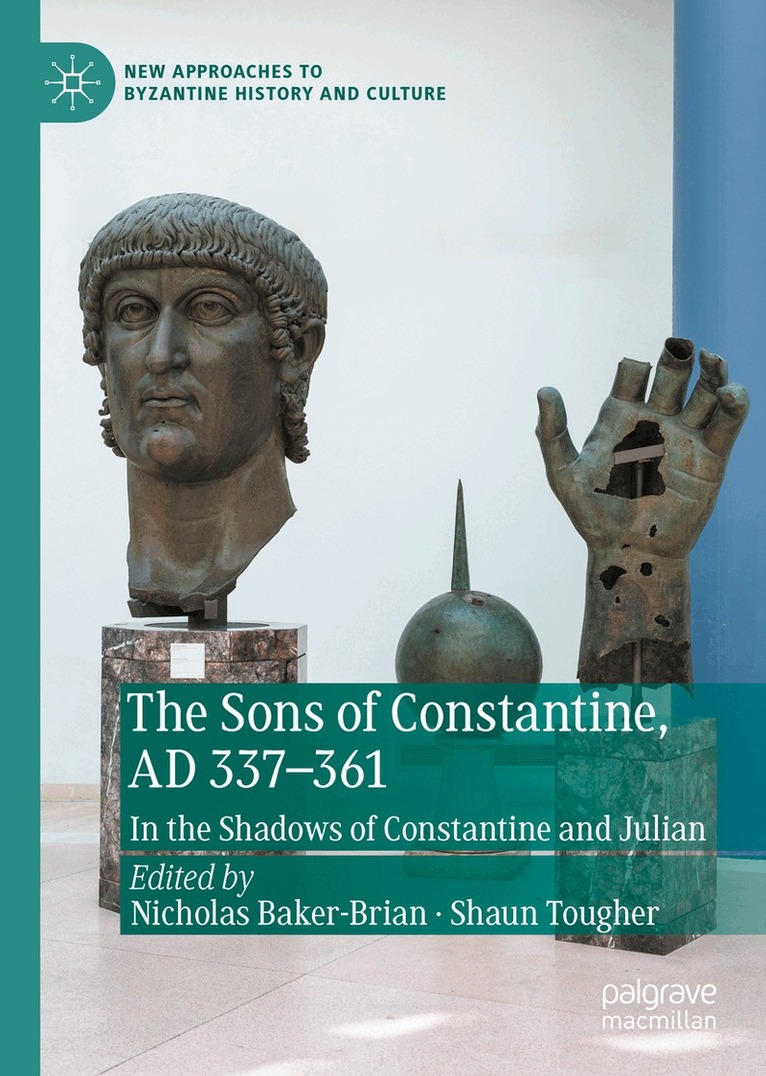
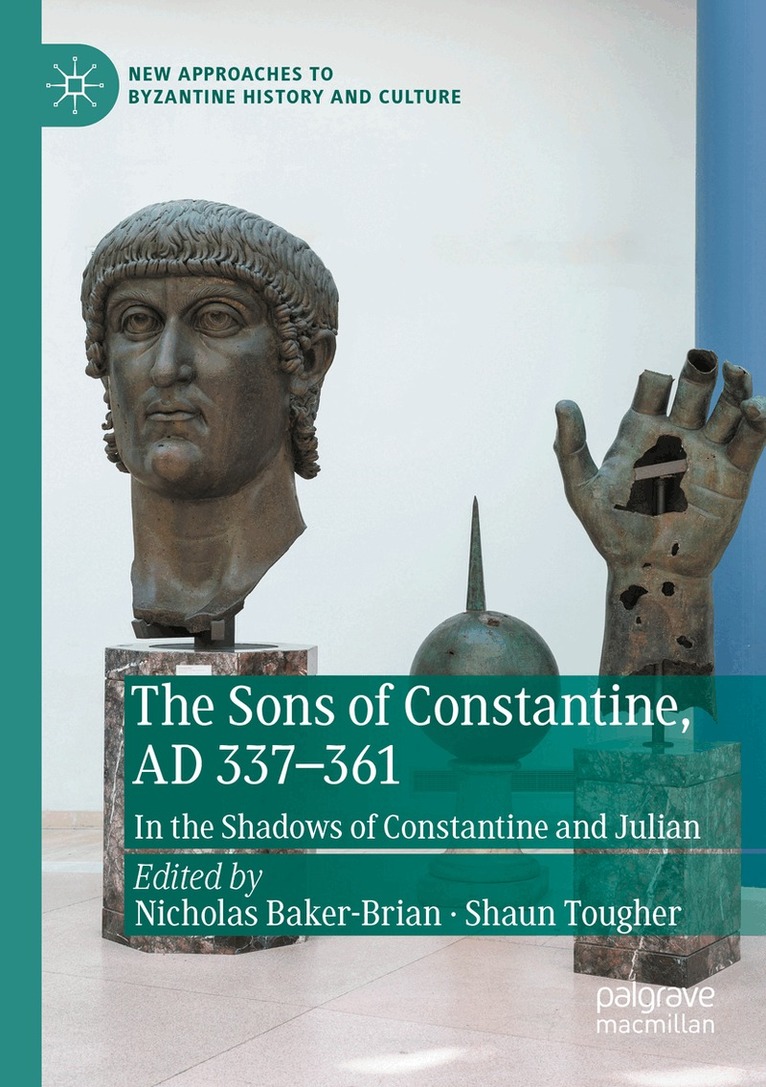
This edited collection focuses on the Roman empire during the period from AD 337 to 361. During this period the empire was ruled by three brothers: Constantine II (337-340), Constans I (337-350) and Constantius II (337-361). These emperors tend to be cast into shadow by their famous father …
Sons of Constantine, AD 337-361
In the Shadows of Constantine and Julian
Av Shaun Tougher, Nicholas Baker-Brian
E-bok, 2020
1942 kr
Lägg i varukorg
This edited collection focuses on the Roman empire during the period from AD 337 to 361. During this period the empire was ruled by three brothers: Constantine II (337-340), Constans I (337-350) and Constantius II (337-361). These emperors tend to be cast into shadow by their famous father …
Sons of Constantine, AD 337-361
In the Shadows of Constantine and Julian
Av Nicholas Baker-Brian, Shaun Tougher
Häftad, 2021
1580 kr
Lägg i varukorg
This edited collection focuses on the Roman empire during the period from AD 337 to 361. During this period the empire was ruled by three brothers: Constantine II (337-340), Constans I (337-350) and Constantius II (337-361). These emperors tend to be cast into shadow by their famous father …