Sheila Skaff – författare
Visar alla böcker från författaren . Handla med fri frakt och snabb leverans.
2 produkter
2 produkter
E-bok
Engelska, 2008866 kr
Läs direkt efter köp
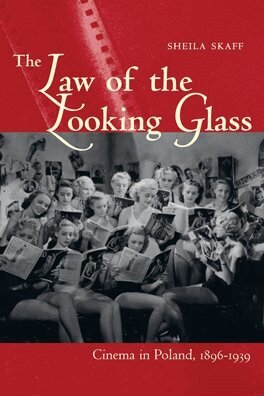
The Law of the Looking Glass: Cinema in Poland, 1896–1939 reveals the complex relationship between nationhood, national language, and national cinema in Europe before World War II. Author Sheila Skaff describes how the major issues facing the region before World War I, from the relatively slow pace of modernization to the desire for national sovereignty, shaped local practices in film production, exhibition, and criticism. She goes on to analyze local film production, practices of spectatorship in large cities and small towns, clashes over language choice in intertitles, and controversy surrounding the first synchronized sound experiments before World War I. Skaff depicts the creation of a national film industry in the newly independent country, the golden years of the silent cinema, the transition from silent to sound film—and debates in the press over this transition—as well as the first Polish and Yiddish "talkies." She places particular importance on conflicts in majority-minority relations in the region and the types of collaboration that led to important films such as The Dybbuk and The Ghosts.The Law of the Looking Glass: Cinema in Poland, 1896–1939 is the first comprehensive history of the country's film industry before World War II. This history is characterized by alternating periods of multilingual, multiethnic production, on the one hand, and rejection of such inclusiveness, on the other. Through it all, however, runs a single unifying thread: an appreciation for visual imagery.
Häftad, Engelska, 2018
879 kr
Skickas inom 3-6 vardagar
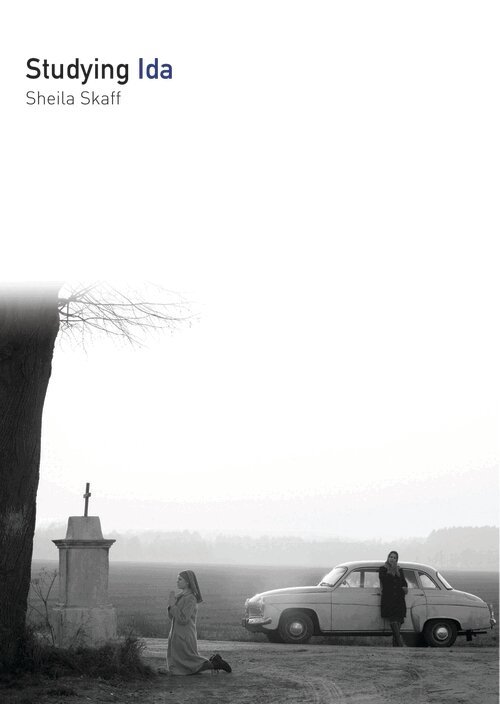
Paweł Pawlikowski’s 2013 film Ida was exceptionally warmly received in the United States, culminating in the Academy Award for Film Not in the English Language, but it was not without controversy. Sheila Skaff’s introduction to the film explains the historical setting, including the violence that took place in the Polish countryside during World War II and was not exposed for sixty years, and provides political and cultural analysis to aid the reader in understanding the film’s setting and narrative. Skaff also touches on the influence of the film on current events in Poland, where censorship of it by an increasingly nationalist government has polarized the country. It also situates Ida within the contexts of Polish and world film history. Scene-by-scene analysis is accompanied in each chapter by background information that gives context to the aesthetic and narrative choices made by the director.