• Fri frakt över 249 kr
  • •
  • Snabba leveranser
  • •
  • Billiga böcker
Kundservice

Du är på sajten för privatpersoner.

Företag, bibliotek eller offentlig verksamhet?

Du handlar på classic.bokus.com, där alla dina funktioner finns intakta.
Till classic.bokus.com
Bokus logotyp. Gå till startsidan.
  • Erbjudanden
  • Nyheter
  • Student
  • Topplistor
  • Barn & ungdom
  • Bokus Play
  • E-böcker
  • Pocketböcker
  • Spel & pussel

10% rabatt på allt med kod: NYSTART10 →

Sidfot

Mina sidor

    Hjälp

    • Kundservice
    • Vanliga frågor och svar
    • Frakt och leverans
    • Retur vid ångerrätt
    • Reklamera vara
    • Betalning
    • Köpvillkor
    • Allmänna villkor
    • Information om webbplatsens tillgänglighet

    Om Bokus

    • Om oss
    • Pressrum
    • För studenter
    • För företag
    • För bibliotek och offentlig verksamhet
    • För leverantörer
    • Hållbarhet

    Populärt

    • Aktuella erbjudanden
    • Presentkort
    • Studentlitteratur
    • Nya böcker
    • Topplistor
    • Signerade böcker
    • Engelska böcker

    Inspiration

    • Boktips
    • BookTok
    • Populära bokserier
    • Barnbokskaraktärer
    • Populära författare
    Logotyp för Bokus
    Följ oss på Facebook (extern länk)Följ oss på Instagram (extern länk)Följ oss på YouTube (extern länk)Följ oss på TikTok (extern länk)
    bokus @ CookiesAnpassa cookiesIntegritetspolicyKöpvillkor
    Till Citymail hemsida (extern länk)Till Budbee hemsida (extern länk)Till Postnord hemsida (extern länk)Till Schenker hemsida (extern länk)Till Early Bird hemsida (extern länk)Till Walleys hemsida (extern länk)
    1. Kultur
    2. Scenkonst och film
    3. Film

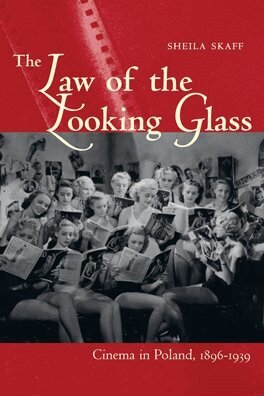
    Law of the Looking Glass

    Cinema in Poland, 1896–1939

    AvSheila Skaff

    E-bok
    Engelska, 2008

    Del i serien Polish and Polish-American Studies Series

    864 kr

    Läs direkt i Bokus Reader – eller ladda ned till din enhet

    Beskrivning

    The Law of the Looking Glass: Cinema in Poland, 1896–1939 reveals the complex relationship between nationhood, national language, and national cinema in Europe before World War II. Author Sheila Skaff describes how the major issues facing the region before World War I, from the relatively slow pace of modernization to the desire for national sovereignty, shaped local practices in film production, exhibition, and criticism. She goes on to analyze local film production, practices of spectatorship in large cities and small towns, clashes over language choice in intertitles, and controversy surrounding the first synchronized sound experiments before World War I. Skaff depicts the creation of a national film industry in the newly independent country, the golden years of the silent cinema, the transition from silent to sound film—and debates in the press over this transition—as well as the first Polish and Yiddish "talkies." She places particular importance on conflicts in majority-minority relations in the region and the types of collaboration that led to important films such as The Dybbuk and The Ghosts.The Law of the Looking Glass: Cinema in Poland, 1896–1939 is the first comprehensive history of the country's film industry before World War II. This history is characterized by alternating periods of multilingual, multiethnic production, on the one hand, and rejection of such inclusiveness, on the other. Through it all, however, runs a single unifying thread: an appreciation for visual imagery.

    Produktinformation

    • Utgivningsdatum:2008-09-01
    • Språk:Engelska
    • Antal sidor:277
    • Filformat:EPUB
    • Kopieringsskydd:LCP
    • ISBN:9780821442524
    • Förlag:Ohio University Press
    • Serie:Polish and Polish-American Studies Series

    Utforska kategorier

    • Film inom Kultur
    • Medievetenskap inom Samhälle och politik
    • Europas historia inom Historia och arkeologi

    Mer om författaren

    Sheila Skaff is an assistant professor of film studies at the University of Texas at El Paso.

    Recensioner i media

    "The originality of the book lies inits treatment of Polish cinema priorto World War II, about which verylittle has been written. Moreover,the author draws on considerableresearch in Polish-language sources,including various film publications,which few scholars have examined.""The Law of the Looking Glass not only offers a comprehensive survey of film production during the period, but also examines it as a complex socio-cultural phenomenon that emerged and developed within specific political and historical circumstances.…an invaluable source for anybody interested in both Polish cinema and early cinema more generally." (The Polish Review) "(Skaff) posits a cinema intent on transcending the ethnic divisions that marked interwar Poland. Her decision to pursue her emphasis on visuality in this direction yields a detailed, often eloquent and succinct summary and synthesis of current Polish-language research on early and interwar cinema." (Slavic Review) "The story Skaff has to tell is filled with fascinating details and interesting personalities; she tells the story well, with mastery, clarity, and wit." (The Sarmatian Review) "A remarkable collection of information on the progression of movies in the interwar years." (Polish American Journal) "Skaff demonstrates how film reflected the divisions in society, especially between Catholics and Jews but also how film makers of both faiths worked together using themes of cooperation. They also used fantasy themes, often from Yiddish literature, that struck a chord in the desperate years between the wars. The blend of artistic and social history is well done, of interest to film scholars and anyone studying Poland before the Nazi invasion." (Book News, Inc.) "The Law of the Looking Glass: Cinema in Poland, 1896–1939 offers a fresh perspective on early Polish cinema and challenges its conventional readings. Skaff combines original and up-to-date research with her knowledge of Polish cinema and Polish political and cultural contexts. This is a pioneering work."