Shepard Krech III – författare
Visar alla böcker från författaren . Handla med fri frakt och snabb leverans.
5 produkter
5 produkter
Häftad, Engelska, 2008
418 kr
Skickas inom 5-8 vardagar
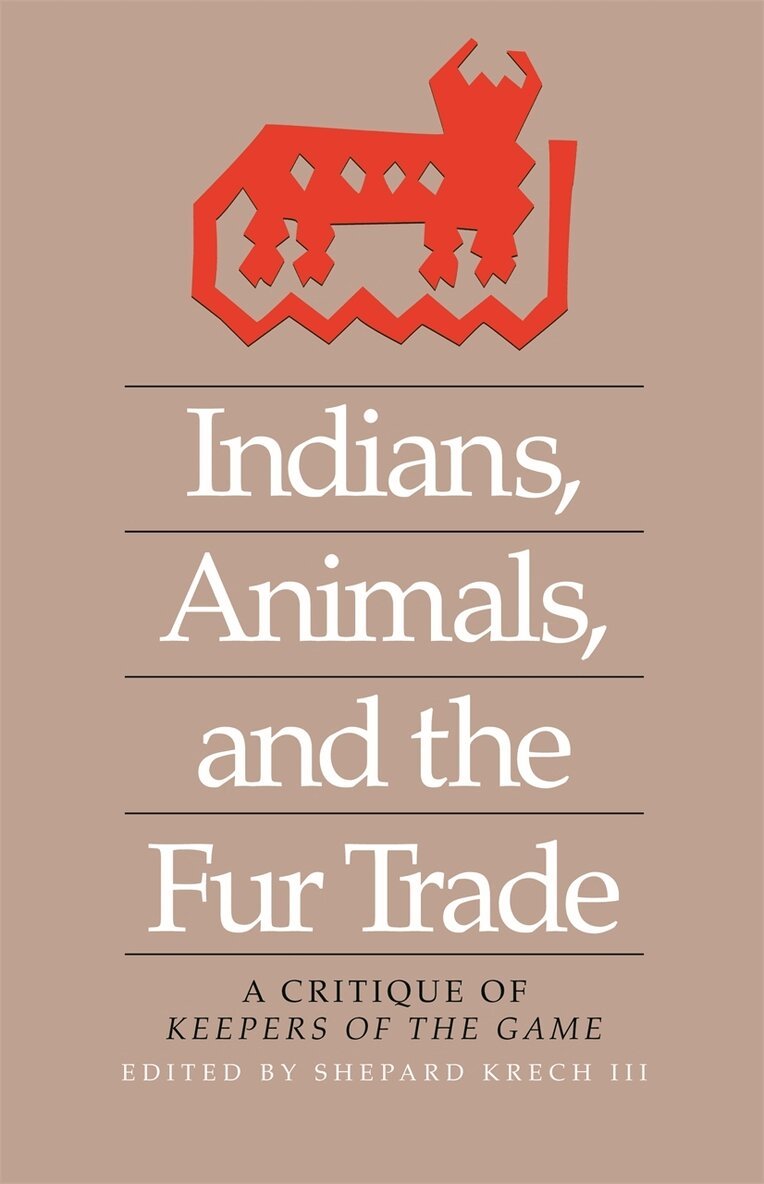
Exploring the motivations of Indians involved in the fur trade, the contributors to this volume challenge the spiritualist interpretation set forth by Calvin Martin in Keepers of the Game, which dismisses the lure of European goods—the power and leisure that firearms and other tools afforded the Indians—and instead attributes the Indians' willingness to overkill wildlife to the epidemics that decimated their ranks, that not only shattered their religious bonds with game but also unleashed a furious revenge against the animals.
Inbunden, Engelska, 2012
926 kr
Skickas inom 10-15 vardagar
Indigenous knowledge has become a catchphrase in global struggles for environmental justice. Yet indigenous knowledges are often viewed, incorrectly, as pure and primordial cultural artifacts. This collection draws from African and North American cases to argue that the forms of knowledge identified as "indigenous" resulted from strategies to control environmental resources during and after colonial encounters.At times indigenous knowledges represented a "middle ground" of intellectual exchanges between colonizers and colonized; elsewhere, indigenous knowledges were defined through conflict and struggle. The authors demonstrate how people claimed that their hybrid forms of knowledge were communal, religious, and traditional, as opposed to individualist, secular, and scientific, which they associated with European colonialism.Indigenous Knowledge and the Environment offers comparative and transnational insights that disturb romantic views of unchanging indigenous knowledges in harmony with the environment. The result is a book that informs and complicates how indigenous knowledges can and should relate to environmental policy-making.Contributors: David Bernstein, Derick Fay, Andrew H. Fisher, Karen Flint, David M. Gordon, Paul Kelton, Shepard Krech III, Joshua Reid, Parker Shipton, Lance van Sittert, Jacob Tropp, James L. A. Webb, Jr., Marsha Weisiger
Häftad, Engelska, 2013
409 kr
Skickas inom 10-15 vardagar
Indigenous knowledge has become a catchphrase in global struggles for environmental justice. Yet indigenous knowledges are often viewed, incorrectly, as pure and primordial cultural artifacts. This collection draws from African and North American cases to argue that the forms of knowledge identified as "indigenous" resulted from strategies to control environmental resources during and after colonial encounters.At times indigenous knowledges represented a "middle ground" of intellectual exchanges between colonizers and colonized; elsewhere, indigenous knowledges were defined through conflict and struggle. The authors demonstrate how people claimed that their hybrid forms of knowledge were communal, religious, and traditional, as opposed to individualist, secular, and scientific, which they associated with European colonialism.Indigenous Knowledge and the Environment offers comparative and transnational insights that disturb romantic views of unchanging indigenous knowledges in harmony with the environment. The result is a book that informs and complicates how indigenous knowledges can and should relate to environmental policy-making.Contributors: David Bernstein, Derick Fay, Andrew H. Fisher, Karen Flint, David M. Gordon, Paul Kelton, Shepard Krech III, Joshua Reid, Parker Shipton, Lance van Sittert, Jacob Tropp, James L. A. Webb, Jr., Marsha Weisiger
E-bok
Engelska, 2012485 kr
Läs direkt efter köp
Indigenous knowledge has become a catchphrase in global struggles for environmental justice. Yet indigenous knowledges are often viewed, incorrectly, as pure and primordial cultural artifacts. This collection draws from African and North American cases to argue that the forms of knowledge identified as "indigenous" resulted from strategies to control environmental resources during and after colonial encounters.At times indigenous knowledges represented a "middle ground" of intellectual exchanges between colonizers and colonized; elsewhere, indigenous knowledges were defined through conflict and struggle. The authors demonstrate how people claimed that their hybrid forms of knowledge were communal, religious, and traditional, as opposed to individualist, secular, and scientific, which they associated with European colonialism.Indigenous Knowledge and the Environment offers comparative and transnational insights that disturb romantic views of unchanging indigenous knowledges in harmony with the environment. The result is a book that informs and complicates how indigenous knowledges can and should relate to environmental policy-making.Contributors: David Bernstein, Derick Fay, Andrew H. Fisher, Karen Flint, David M. Gordon, Paul Kelton, Shepard Krech III, Joshua Reid, Parker Shipton, Lance van Sittert, Jacob Tropp, James L. A. Webb, Jr., Marsha Weisiger
E-bok
Engelska, 2014455 kr
Läs direkt efter köp
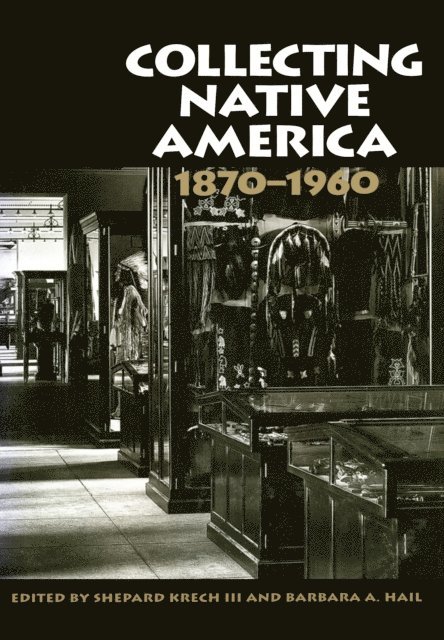
Between the 1870s and 1950s collectors vigorously pursued the artifacts of Native American groups. Setting out to preserve what they thought was a vanishing culture, they amassed ethnographic and archaeological collections amounting to well over one million objects and founded museums throughout North America that were meant to educate the public about American Indian skills, practices, and beliefs.In Collecting Native America contributors examine the motivations, intentions, and actions of eleven collectors who devoted substantial parts of their lives and fortunes to acquiring American Indian objects and founding museums. They describe obsessive hobbyists such as George Heye, who, beginning with the purchase of a lice-ridden shirt, built a collection that—still unsurpassed in richness, diversity, and size—today forms the core of the Smithsonian''s National Museum of the American Indian. Sheldon Jackson, a Presbyterian missionary in Alaska, collected and displayed artifacts as a means of converting Native peoples to Christianity. Clara Endicott Sears used sometimes invented displays and ceremonies at her Indian Museum near Boston to emphasize Native American spirituality. The contributors chart the collectors'' diverse attitudes towards Native peoples, showing how their limited contact with American Indian groups resulted in museums that revealed more about assumptions of the wider society than about the cultures being described.