Sherry Lee Linkon - Böcker
Visar alla böcker från författaren Sherry Lee Linkon. Handla med fri frakt och snabb leverans.
9 produkter
9 produkter
295 kr
Skickas inom 7-10 vardagar
Literary Learning explores the nature of literary knowledge and offers guidance for effective teaching of literature at the college level. What do English majors need to learn? How can we help them develop the skills and knowledge they need? By identifying the habits of mind that literary scholars use in their own research and writing, Sherry Lee Linkon articulates the strategic knowledge that lies at the heart of the discipline, offering important insights and models for beginning and experienced teachers.
855 kr
Skickas inom 7-10 vardagar
Literary Learning explores the nature of literary knowledge and offers guidance for effective teaching of literature at the college level. What do English majors need to learn? How can we help them develop the skills and knowledge they need? By identifying the habits of mind that literary scholars use in their own research and writing, Sherry Lee Linkon articulates the strategic knowledge that lies at the heart of the discipline, offering important insights and models for beginning and experienced teachers.
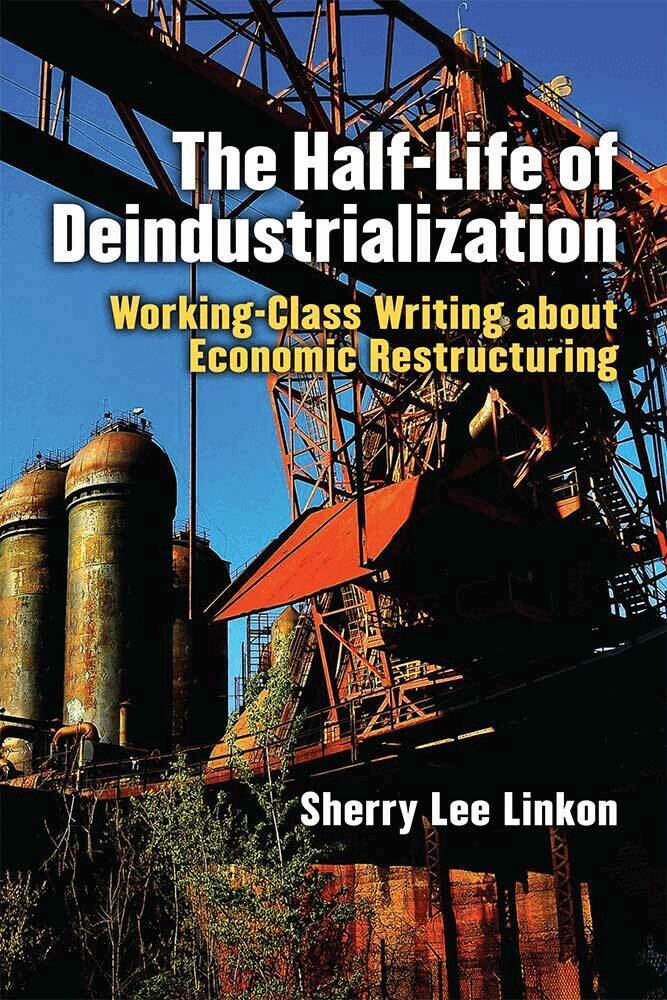
Half-Life of Deindustrialization
Working-Class Writing about Economic Restructuring
Häftad, Engelska, 2018
349 kr
Skickas inom 7-10 vardagar
Starting in the late 1970s, tens of thousands of American industrial workers lost jobs in factories and mines. Deindustrialization had dramatic effects on those workers and their communities, but its longterm effects continue to ripple through working-class culture. Economic restructuring changed the experience of work, disrupted people’s sense of self, reshaped local landscapes, and redefined community identities and expectations. Through it all, working-class writers have told stories that reflect the importance of memory and the struggle to imagine a different future. These stories make clear that the social costs of deindustrialization affect not only those who lost their jobs but also their children, their communities, and American culture.Through analysis of poetry, fiction, creative nonfiction, film, and drama, The Half-Life of Deindustrialization shows why people and communities cannot simply “get over” the losses of economic restructuring. The past provides inspiration and strength for working-class people, even as the contrast between past and present highlights what has been lost in the service economy. The memory of productive labor and stable, proud working-class communities shapes how people respond to contemporary economic, social, and political issues. These stories can help us understand the resentment, frustration, pride, and persistence of the American working class.
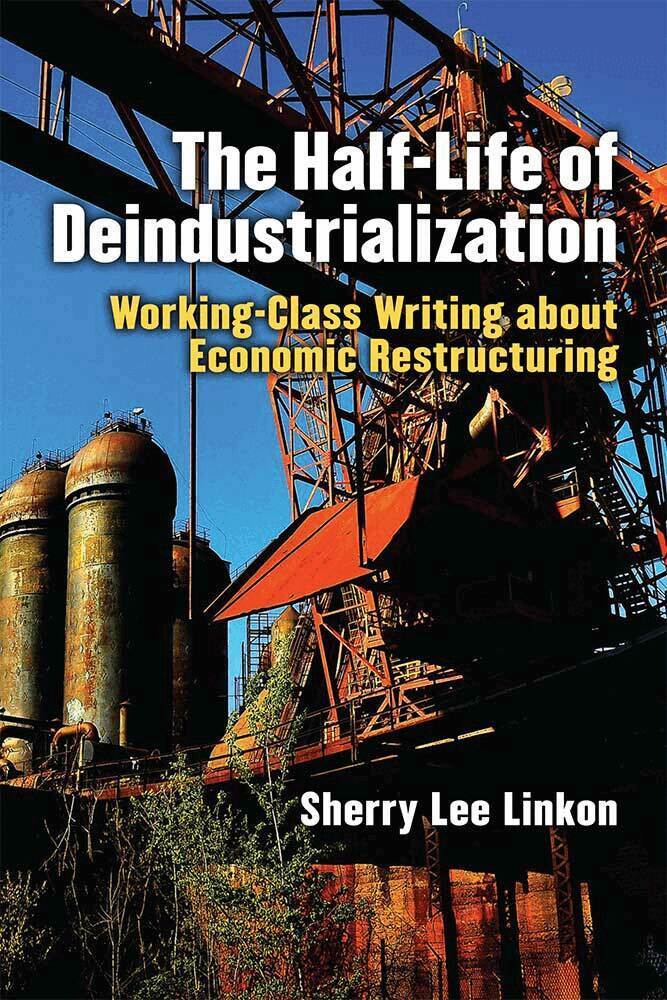
Half-Life of Deindustrialization
Working-Class Writing about Economic Restructuring
Inbunden, Engelska, 2018
1 217 kr
Skickas inom 7-10 vardagar
Starting in the late 1970s, tens of thousands of American industrial workers lost jobs in factories and mines. Deindustrialization had dramatic effects on those workers and their communities, but its longterm effects continue to ripple through working-class culture. Economic restructuring changed the experience of work, disrupted people’s sense of self, reshaped local landscapes, and redefined community identities and expectations. Through it all, working-class writers have told stories that reflect the importance of memory and the struggle to imagine a different future. These stories make clear that the social costs of deindustrialization affect not only those who lost their jobs but also their children, their communities, and American culture.Through analysis of poetry, fiction, creative nonfiction, film, and drama, The Half-Life of Deindustrialization shows why people and communities cannot simply “get over” the losses of economic restructuring. The past provides inspiration and strength for working-class people, even as the contrast between past and present highlights what has been lost in the service economy. The memory of productive labor and stable, proud working-class communities shapes how people respond to contemporary economic, social, and political issues. These stories can help us understand the resentment, frustration, pride, and persistence of the American working class.
292 kr
Skickas inom 7-10 vardagar
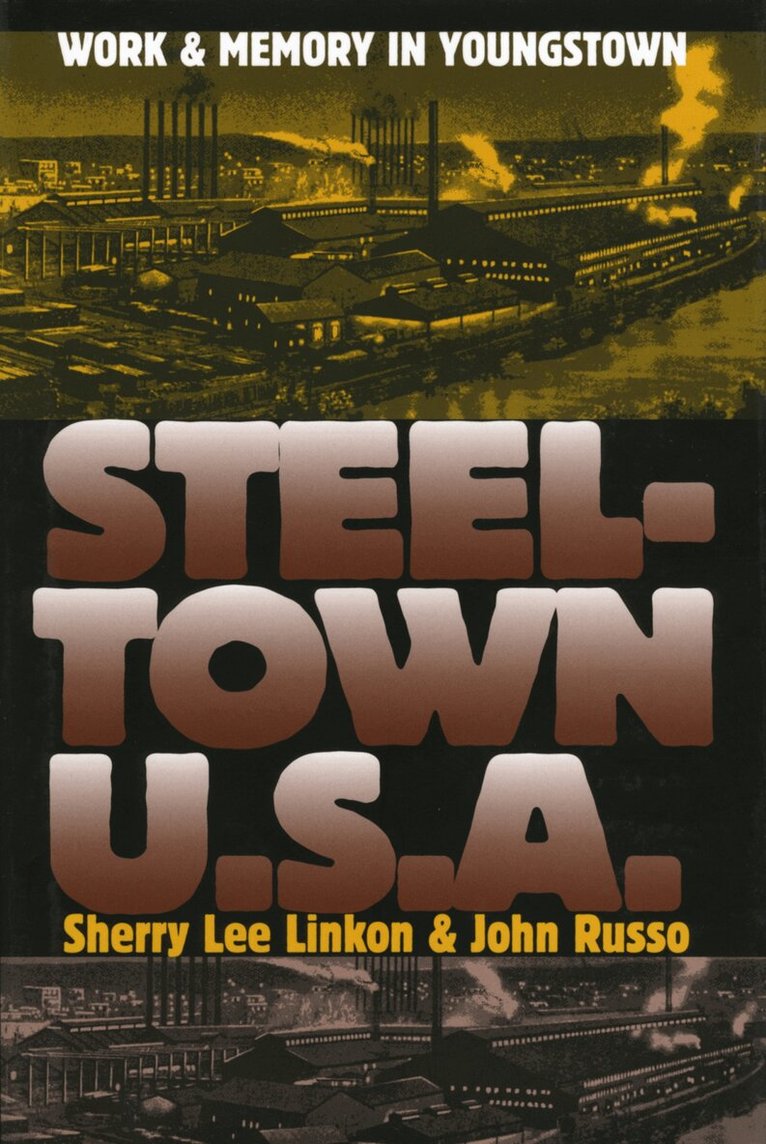
Once the symbol of a robust steel industry and blue-collar economy, Youngstown, Ohio, and its famous Jeannette Blast Furnace have become key icons in the tragic tale of American deindustrialization. Sherry Lee Linkon and John Russo examine the inevitable tension between those discordant visions, which continue to exert great power over Steeltown's citizens as they struggle to redefine their lives.When "the Jenny" was shut down in 1978, 50,000 Youngstown workers lost their jobs, cutting the heart out of the local economy. Even as the community organized a nationally recognized effort to save the mills, the city was rocked by economic devastation, runaway crime, and mob scandal, problems that persist twenty-five years later. In the midst of these struggles the Jenny remained standing as a proud symbol of the community's glory days, still a dominant force in the construction of both individual and collective identities in Youngstown.ocusing on stories and images that both reflect and perpetuate how Youngstown understands itself as a community, Sherry Lee Linkon and John Russo have forged a historical and cultural study of the relationship between community, memory, work, and conflict. Drawing on written texts, visual images, sculptures, films, songs, and interviews with people who have lived and worked in Youngstown, the authors show the importance of memory in forming the collective identity of a place.Steeltown, U.S.A. is a richly developed portrait of a place, showing how images of the Jenny and of Youngstown have been used in national media and connecting these representations to the broader public conversation about work and place: Bruce Springsteen's song "Youngstown," the book Journey to Nowhere, and other pop culture artifacts have helped make Youngstown the symbolic epicenter of American deindustrialization. And while many people see the need to get over the past and on with the future, in rushing to erase the difficult parts of Youngstown's history they might also forget the powerful events that made the city so important, such as the struggles for economic and social justice that improved the lives of steelworkers.This multifaceted study of the meaning of work and place in one community pointedly depicts the relationships among economic development, media representations, and community life. As we see how people's faith in the value of their work dwindled away in Youngstown, their stories can help us understand not only how the meaning of work has changed but also why the changing meaning of work matters.
1 518 kr
Skickas inom 10-15 vardagar
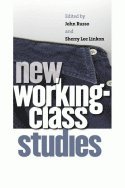
"We put the working class, in all its varieties, at the center of our work. The new working-class studies is not only about the labor movement, or about workers of any particular kind, or workers in any particular place—even in the workplace. Instead, we ask questions about how class works for people at work, at home, and in the community. We explore how class both unites and divides working-class people, which highlights the importance of understanding how class shapes and is shaped by race, gender, ethnicity, and place. We reflect on the common interests as well as the divisions between the most commonly imagined version of the working class—industrial, blue-collar workers—and workers in the 'new economy' whose work and personal lives seem, at first glance, to place them solidly in the middle class."—from the IntroductionIn John Russo and Sherry Lee Linkon's book, contributors trace the origins of the new working-class studies, explore how it is being developed both within and across fields, and identify key themes and issues. Historians, economists, geographers, sociologists, and scholars of literature and cultural studies introduce many and varied aspects of this emerging field. Throughout, they consider how the study of working-class life transforms traditional disciplines and stress the importance of popular and artistic representations of working-class life.Contributors: Robert Bruno, University of Illinois; Renny Christopher, California State University–Channel Islands; Jim Daniels, Carnegie Mellon University in Pittsburgh; Elizabeth Faue, Wayne State University; Lisa Jordan, University of Minnesota; Paul Lauter, Trinity College; Sherry Lee Linkon, Youngstown State University; Jack Metzgar, Roosevelt University in Chicago; Don Mitchell, Syracuse University; Kimberley L. Phillips, The College of William and Mary; Alessandro Portelli, University of Rome La Sapienza; David Roediger, University of Illinois, Rachel Lee Rubin, University of Massachusetts–Boston; John Russo, Youngstown State University; Tim Strangleman, London Metropolitan University; Tom Zaniello, Northern Kentucky University and George Meany Center for Labor Studies; Michael Zweig, State University of New York at Stony Brook
380 kr
Skickas inom 10-15 vardagar
"We put the working class, in all its varieties, at the center of our work. The new working-class studies is not only about the labor movement, or about workers of any particular kind, or workers in any particular place—even in the workplace. Instead, we ask questions about how class works for people at work, at home, and in the community. We explore how class both unites and divides working-class people, which highlights the importance of understanding how class shapes and is shaped by race, gender, ethnicity, and place. We reflect on the common interests as well as the divisions between the most commonly imagined version of the working class—industrial, blue-collar workers—and workers in the 'new economy' whose work and personal lives seem, at first glance, to place them solidly in the middle class."—from the IntroductionIn John Russo and Sherry Lee Linkon's book, contributors trace the origins of the new working-class studies, explore how it is being developed both within and across fields, and identify key themes and issues. Historians, economists, geographers, sociologists, and scholars of literature and cultural studies introduce many and varied aspects of this emerging field. Throughout, they consider how the study of working-class life transforms traditional disciplines and stress the importance of popular and artistic representations of working-class life.Contributors: Robert Bruno, University of Illinois; Renny Christopher, California State University–Channel Islands; Jim Daniels, Carnegie Mellon University in Pittsburgh; Elizabeth Faue, Wayne State University; Lisa Jordan, University of Minnesota; Paul Lauter, Trinity College; Sherry Lee Linkon, Youngstown State University; Jack Metzgar, Roosevelt University in Chicago; Don Mitchell, Syracuse University; Kimberley L. Phillips, The College of William and Mary; Alessandro Portelli, University of Rome La Sapienza; David Roediger, University of Illinois, Rachel Lee Rubin, University of Massachusetts–Boston; John Russo, Youngstown State University; Tim Strangleman, London Metropolitan University; Tom Zaniello, Northern Kentucky University and George Meany Center for Labor Studies; Michael Zweig, State University of New York at Stony Brook
3 265 kr
Skickas inom 10-15 vardagar
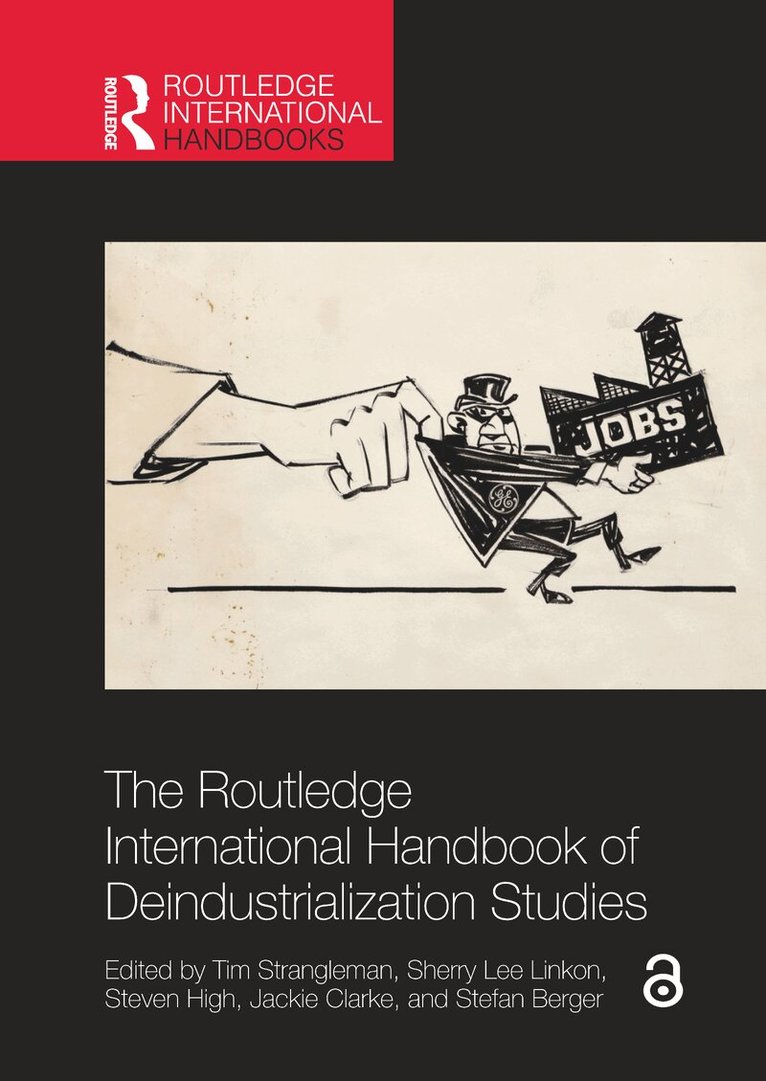
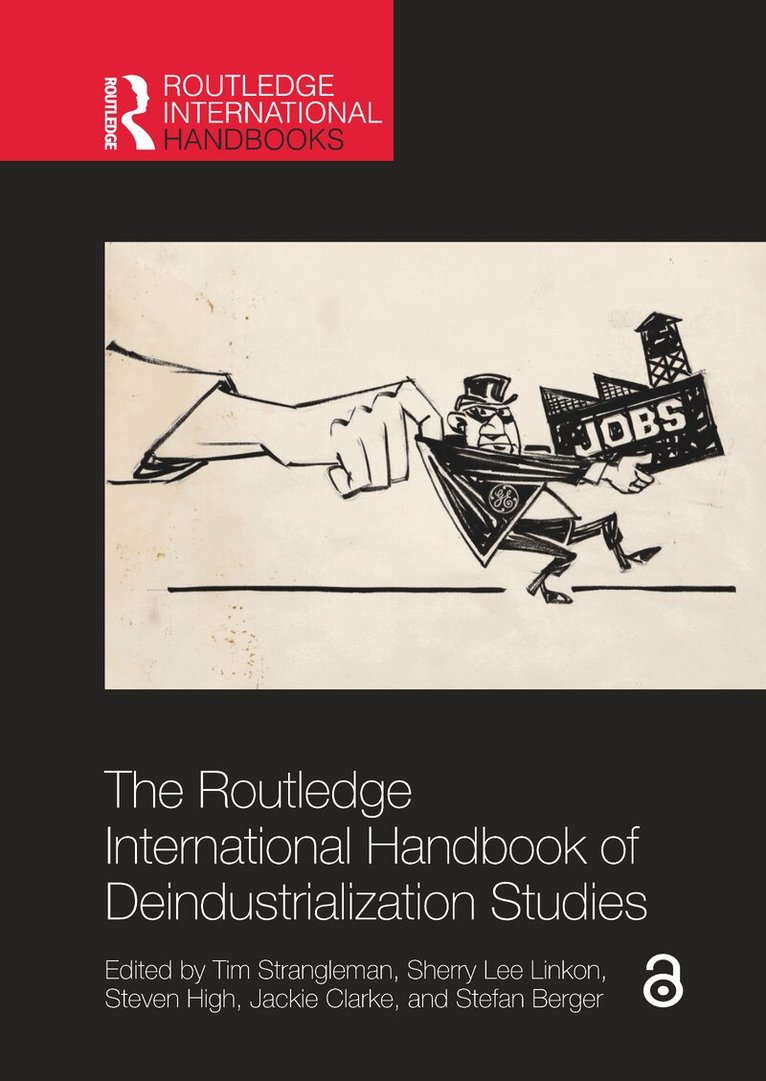
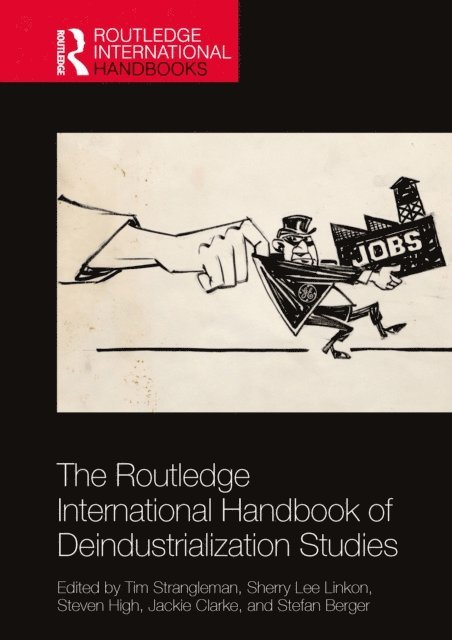
The Routledge International Handbook of Deindustrialization Studies is a timely volume that provides an overview of this interdisciplinary field that emerged in response to the widespread decline of manufacturing and heavy industry from the 1980s onward. Edited by prominent figures in the field, the volume brings together many of the leading scholars from a range of countries across the globe to offer a multifaceted overview of deindustrialization and its impact. Deindustrialization has been cited as one of the factors behind the rise of the far right, and to a lesser extent the far left, across Europe, the rise and success of Trumpism in the US, and the Brexit vote as well as the more recent and sudden erosion of UK Labour’s ‘Red Wall’ of the North of England. This collection brings together scholars of deindustrialization around the globe and from a wide variety of academic disciplines including history, sociology, politics, geography, economics, anthropology, literature, arts practice, photography, heritage, and cultural studies. In doing so, the volume explores the roots of deindustrialization across the world, highlights the key themes and issues in the field, illustrates the intersectional and interdisciplinary character of the field, and shows how deindustrialization lies at the heart of many of the key political, cultural, social, and economic issues of our time.Written in a clear and accessible style, the Handbook is a comprehensive interdisciplinary volume for this young but maturing field. The volume is a valuable resource for students, teachers, and researchers interested in industrial decline, closure, and the multifaceted impacts they cause. It speaks to readers across the arts, humanities, and social and political sciences concerned with deindustrialization broadly defined.Chapter 27 of this book is freely available as a downloadable Open Access PDF at http://www.taylorfrancis.com under a Creative Commons [Attribution-Non Commercial-No Derivatives (CC-BY-NC-ND)] 4.0 International license.
504 kr
Skickas inom 3-6 vardagar
Since the 1970s, working-class individuals have made up an increasing proportion of students enrolled in institutions of higher education. At the same time, working-class studies has emerged as an academic discipline, updating a long tradition of scholarship on labour history and proletarian literature to include discussions of working-class culture, intersections of class with ethnicity, and studies of the representation of the working class in popular culture. These developments have generated ideas about teaching that incorporate both a sensitivity to the working-class roots of many students and the inclusion of course content informed by an awareness of class culture. This volume brings together 19 essays that offer approaches to a class-conscious pedagogy. Although the contributors represent several fields - including English, history, labour studies, literature, speech communication and American studies - they are united by the conviction that class matters in all kinds of courses. Their essays offer models for interdisciplinary teaching as well as guidance, encouragement and insight for those wishing to incorporate class into their courses.