Sherry S. Yu – författare
Visar alla böcker från författaren Sherry S. Yu. Handla med fri frakt och snabb leverans.
10 produkter
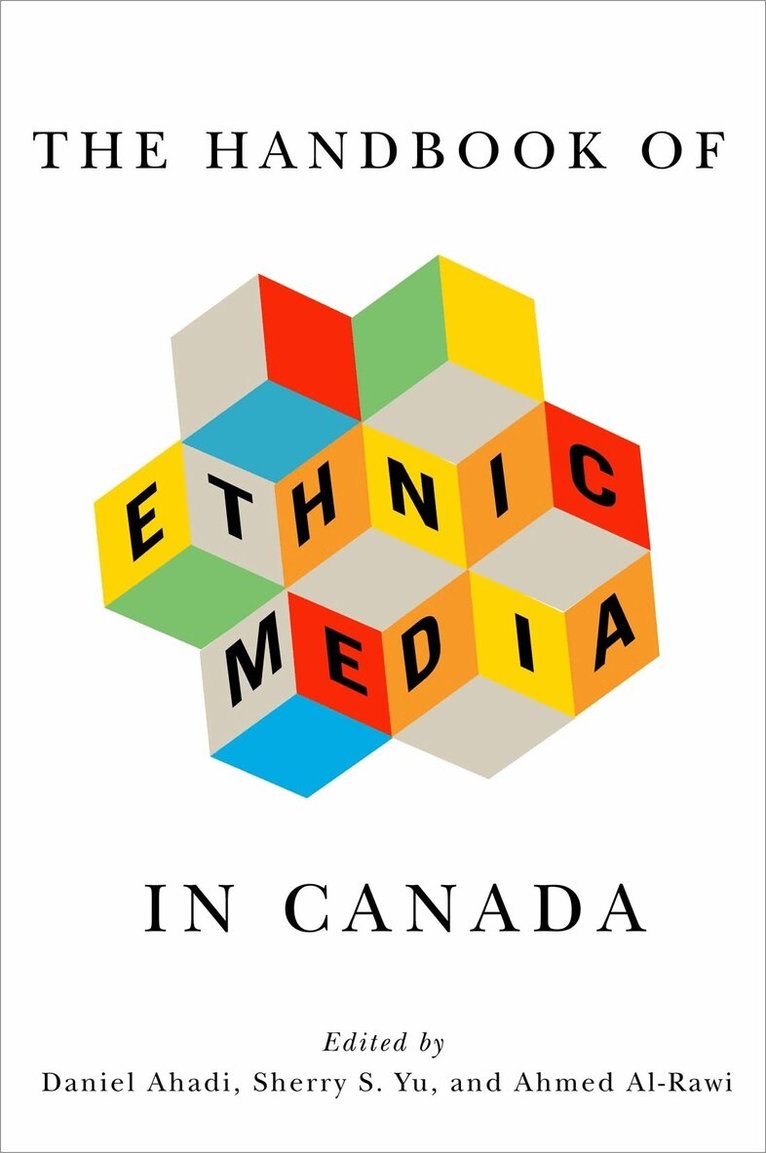
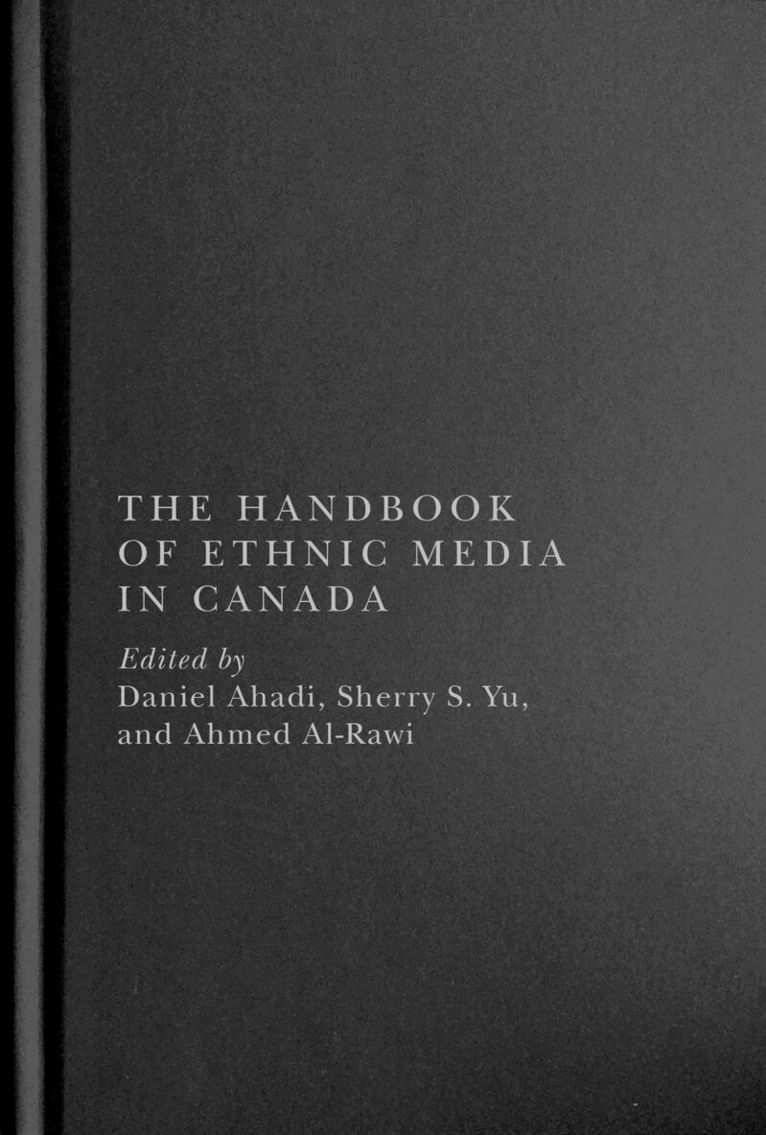
Handbook of Ethnic Media in Canada
Av Daniel Ahadi, Sherry S. Yu m. fl.
Häftad, 2023
497 kr
Lägg i varukorg
Ethnic minority groups in Canada have set up their own communication infrastructure that has evolved over time from the analog to the digital age, and continues to remain relevant across generations. Offering a reassessment of contemporary media outlets, The Handbook of Ethnic Media in Canada asks …
Handbook of Ethnic Media in Canada
Av Ahmed Al-Rawi, Sherry S. Yu m. fl.
E-bok, 2023
499 kr
Lägg i varukorg
Ethnic minority groups in Canada have set up their own communication infrastructure that has evolved over time from the analog to the digital age, and continues to remain relevant across generations. Offering a reassessment of contemporary media outlets, The Handbook of Ethnic Media in Canada asks …
Handbook of Ethnic Media in Canada
Av Ahmed Al-Rawi, Sherry S. Yu m. fl.
E-bok, 2023
489 kr
Lägg i varukorg
Ethnic minority groups in Canada have set up their own communication infrastructure that has evolved over time from the analog to the digital age, and continues to remain relevant across generations. Offering a reassessment of contemporary media outlets, The Handbook of Ethnic Media in Canada asks …
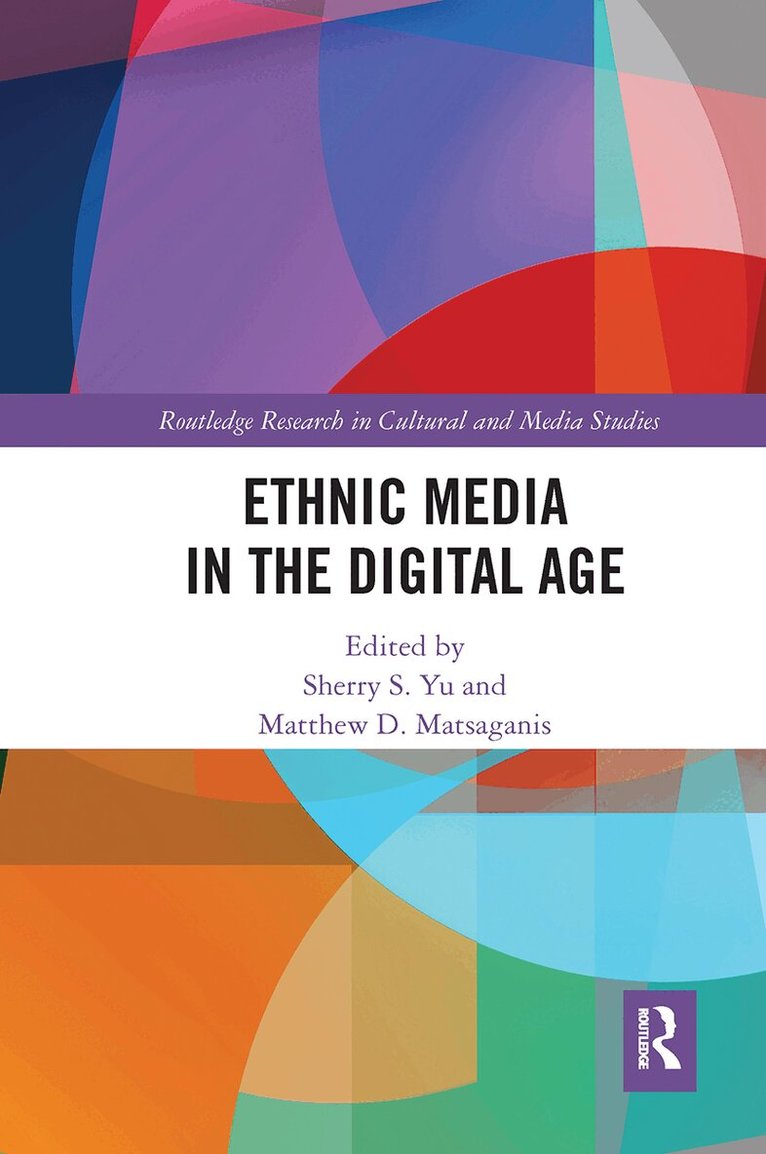
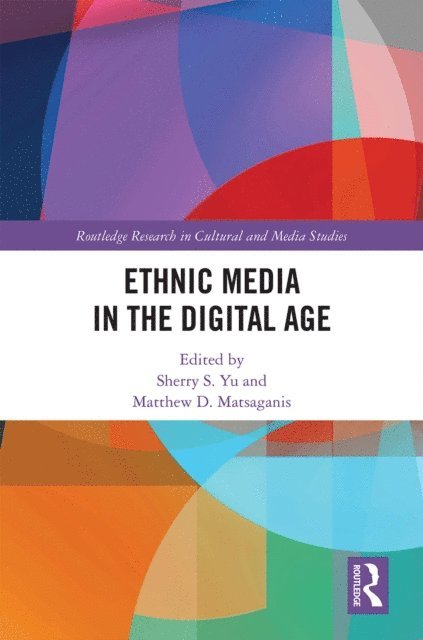
Ethnic Media in the Digital Age
Av Sherry S. Yu, Matthew D. Matsaganis
Häftad, 2020
704 kr
Lägg i varukorg
Ethnic media are media produced for, and frequently by, immigrants, ethnic and linguistic minority groups, and indigenous populations. These media represent a sector of the broader media industry that has seen considerable growth globally, even while many mainstream, legacy media have struggled to …
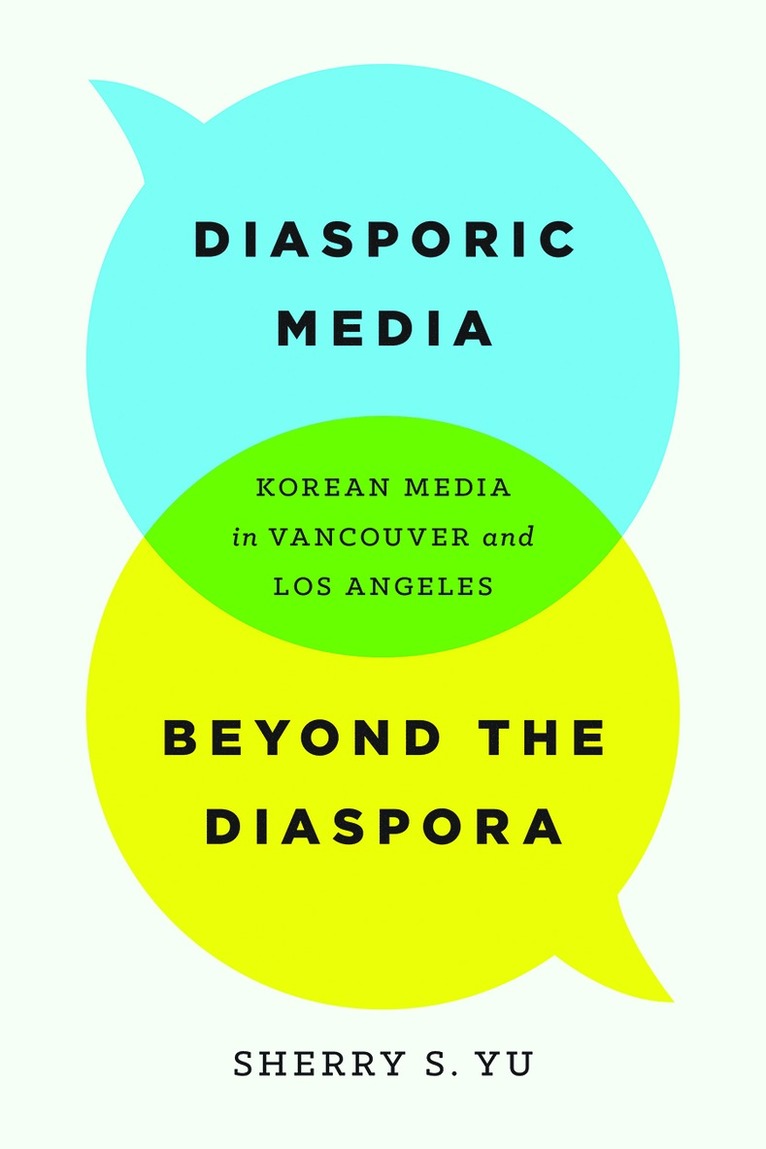
Diasporic Media Beyond the Diaspora
Korean Media in Vancouver and Los Angeles
Av Sherry S. Yu
Inbunden, 2018
872 kr
Lägg i varukorg
Media for diasporic communities have emerged in major cities, such as Vancouver and Los Angeles, and reflect a multicultural, multiethnic, and multilingual reality. But do these media serve their respective communities exclusively, or are they available and accessible to members of greater society …
Diasporic Media Beyond the Diaspora
Korean Media in Vancouver and Los Angeles
Av Sherry S. Yu
Häftad, 2018
367 kr
Lägg i varukorg
Media for diasporic communities have emerged in major cities, such as Vancouver and Los Angeles, and reflect a multicultural, multiethnic, and multilingual reality. But do these media serve their respective communities exclusively, or are they available and accessible to members of greater society …
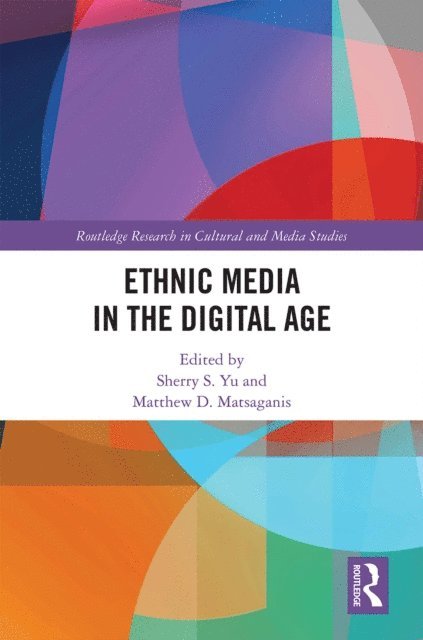
Ethnic Media in the Digital Age
Av Sherry S. Yu, Matthew D. Matsaganis
Inbunden, 2018
2504 kr
Lägg i varukorg
Ethnic media are media produced for, and frequently by, immigrants, ethnic and linguistic minority groups, and indigenous populations. These media represent a sector of the broader media industry that has seen considerable growth globally, even while many mainstream, legacy media have struggled to …
Ethnic Media in the Digital Age
Av Matthew D. Matsaganis, Sherry S. Yu
E-bok, 2018
805 kr
Lägg i varukorg
Ethnic media are media produced for, and frequently by, immigrants, ethnic and linguistic minority groups, and indigenous populations. These media represent a sector of the broader media industry that has seen considerable growth globally, even while many mainstream, legacy media have struggled to …
Ethnic Media in the Digital Age
Av Matthew D. Matsaganis, Sherry S. Yu
E-bok, 2018
831 kr
Lägg i varukorg
Ethnic media are media produced for, and frequently by, immigrants, ethnic and linguistic minority groups, and indigenous populations. These media represent a sector of the broader media industry that has seen considerable growth globally, even while many mainstream, legacy media have struggled to …
Handbook of Ethnic Media in Canada
Av Daniel Ahadi, Sherry S. Yu m. fl.
Inbunden, 2023
1462 kr
Tillfälligt slut
Ethnic minority groups in Canada have set up their own communication infrastructure that has evolved over time from the analog to the digital age, and continues to remain relevant across generations. Offering a reassessment of contemporary media outlets, The Handbook of Ethnic Media in Canada asks …