Daniel Ahadi - Böcker
Visar alla böcker från författaren Daniel Ahadi. Handla med fri frakt och snabb leverans.
2 produkter
2 produkter
471 kr
Skickas inom 7-10 vardagar
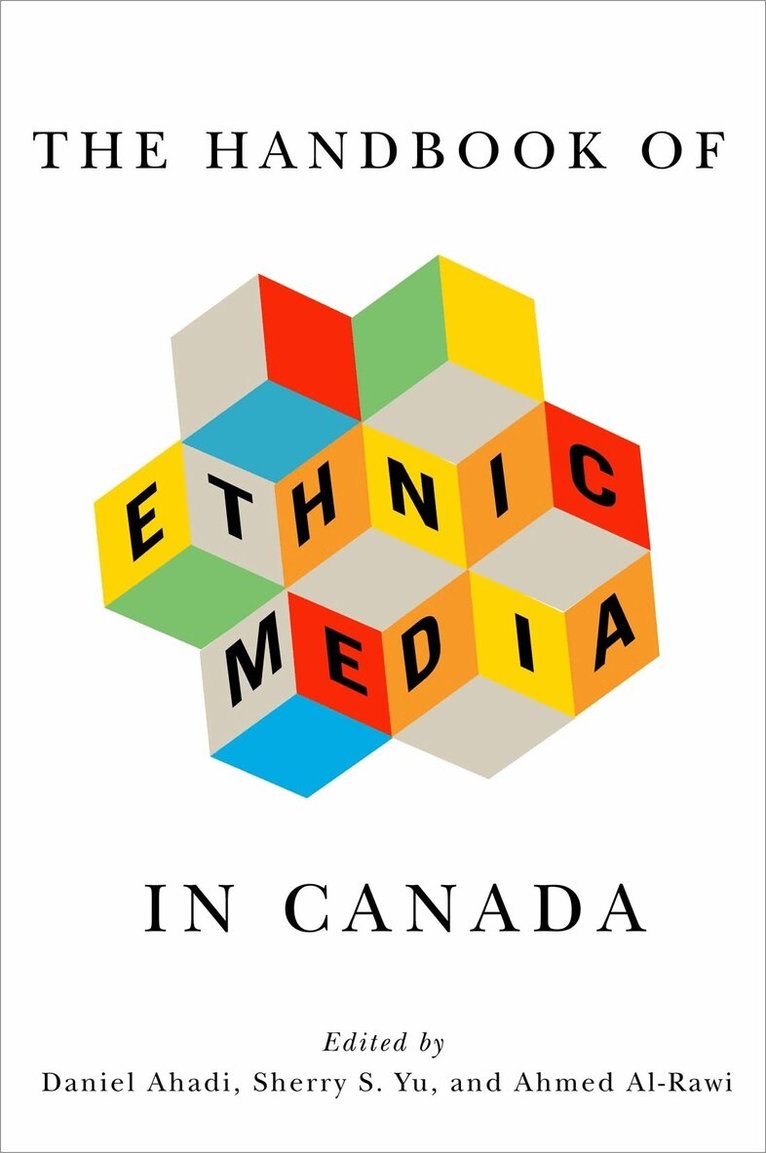
Ethnic minority groups in Canada have set up their own communication infrastructure that has evolved over time from the analog to the digital age, and continues to remain relevant across generations. Offering a reassessment of contemporary media outlets, The Handbook of Ethnic Media in Canada asks how ethnic media have changed, why they continue to be relevant, and what impact this media sector has on ethnocultural communities as well as broader society.Building on past studies that highlight particular functions of ethnic media – publishing information that is vital to settlement and civic engagement and providing an alternative to mainstream media, among others – this volume generates insights on new dynamics of the ethnic media sector that are prevalent in the digital age. Contributors re-examine theoretical and methodological approaches to ethnic media research, explore the practices of ethnic media along cultural, linguistic, and religious lines, and interrogate the policies that affect ethnic media production and consumption. At its core, the question of how Canadians engage with ethnic media is a question about what this media sector means for the sociocultural, economic, and political integration of Canadians, both majority and minority, and Canada's race relations.The Handbook of Ethnic Media in Canada provides a rich resource for anyone concerned about the role media plays in the complex relationship between ethnicity, race, belonging, and marginality.
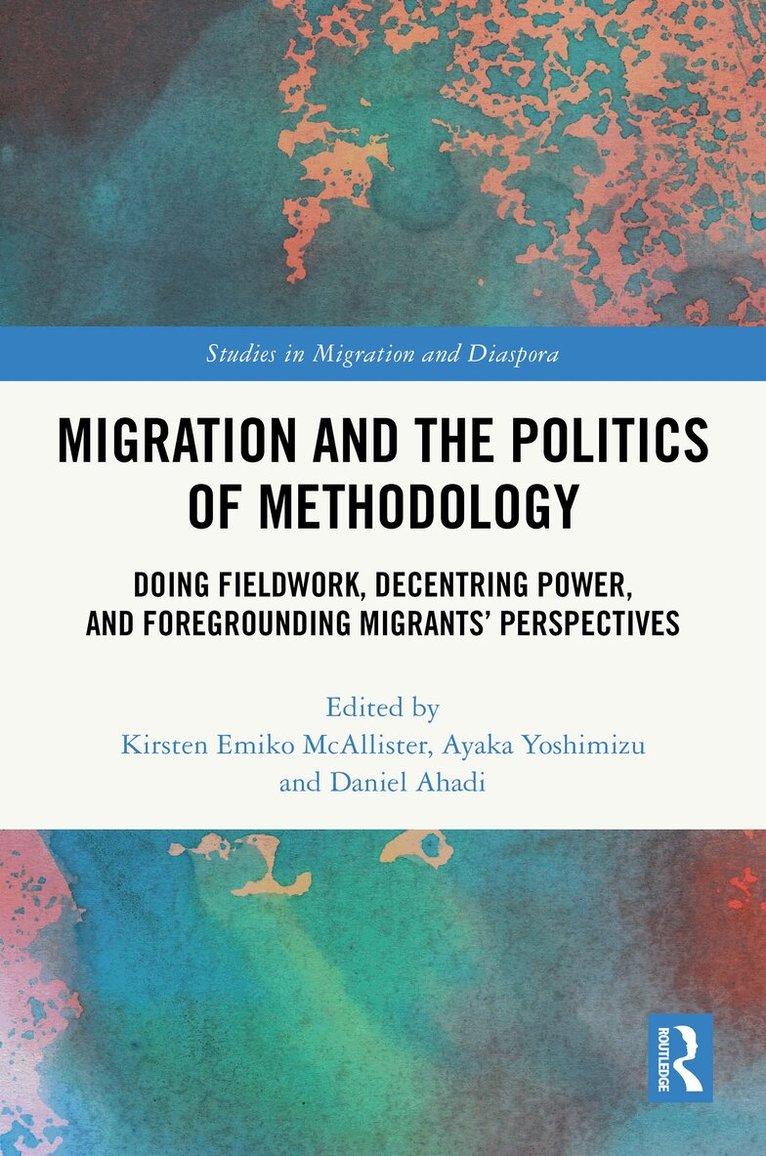
Migration and the Politics of Methodology
Doing Fieldwork, Decentring Power, and Foregrounding Migrants’ Perspectives
Inbunden, Engelska, 2025
2 088 kr
Skickas inom 10-15 vardagar
This volume examines the politics of fieldwork and the challenges of researching migrants constructed as outsiders both nationally and transnationally. Based on research with undocumented migrants, temporary workers, refugees, international students, and those who, having received citizenship status find their lives to be discursively and legally restricted, it shows how interdisciplinary fieldwork-based approaches can provide detailed accounts of migrants’ voices and their conditions of existence, offering insights into the ways in which they understand and take part in producing their transnational worlds. Applying critical, self-reflexive methodological approaches that challenge assumptions about who has the authority to produce knowledge and what types of knowledge have the authority of truth, Migration and the Politics of Methodology will appeal to scholars of sociology, anthropology, geography, and communication and cultural studies with interests in research methods and migration.