Sibel Bozdogan - Böcker
Visar alla böcker från författaren Sibel Bozdogan. Handla med fri frakt och snabb leverans.
5 produkter
5 produkter
442 kr
Skickas inom 7-10 vardagar
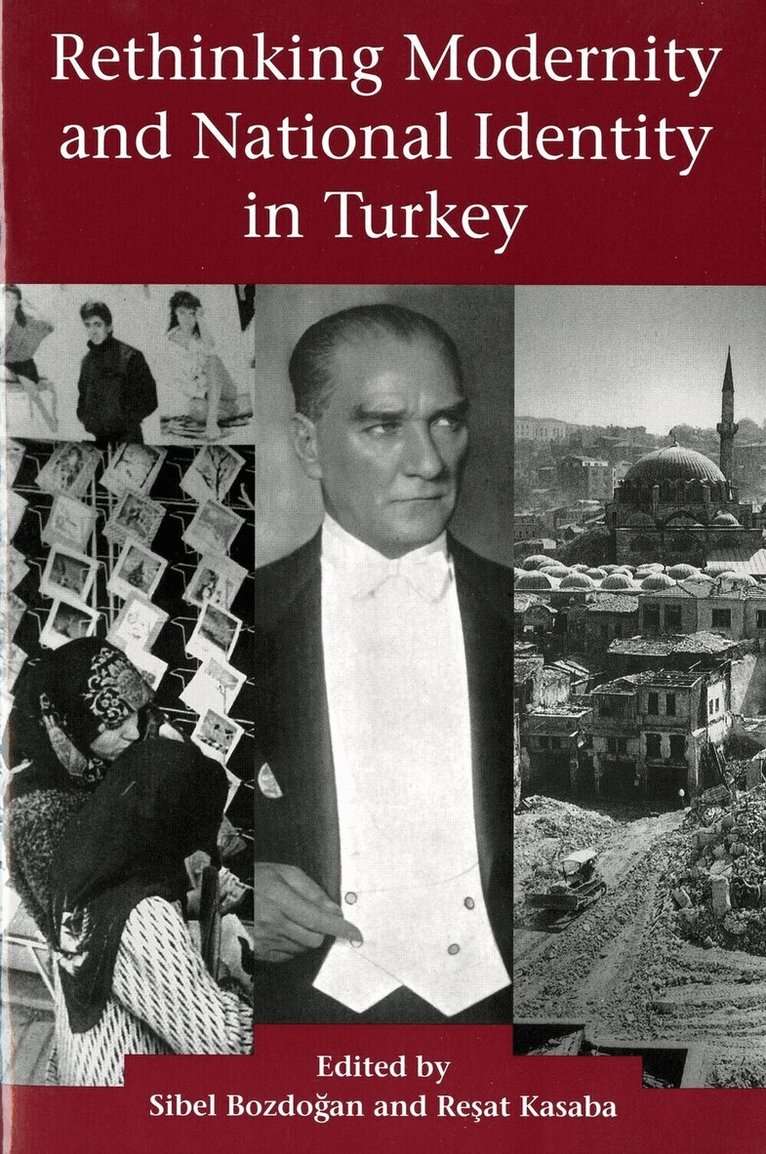
In the first two decades after W.W.II, social scientist heralded Turkey as an exemplar of a 'modernizing' nation in the Western mold. Images of unveiled women working next to clean-shaven men, healthy children in school uniforms, and downtown Ankara's modern architecture all proclaimed the country's success. Although Turkey's modernization began in the late Ottoman era, the establishment of the secular nation-state by Kemal Ataturk in 1923 marked the crystallization of an explicit, elite-driven 'project of modernity' that took its inspiration exclusively from the West. The essays in this book are the first attempt to examine the Turkish experiment with modernity from a broad, interdisciplinary perspective, encompassing the fields of history, the social sciences, the humanities, architecture, and urban planning. As they examine both the Turkish project of modernity and its critics, the contributors offer a fresh, balanced understanding of dilemmas now facing not only Turkey but also many other parts of the Middle East and the world at large.
Modernism and Nation Building
Turkish Architectural Culture in the Early Republic
Häftad, Engelska, 2002
584 kr
Skickas inom 3-6 vardagar
Winner of the Alice Davis Hitchcock Award sponsored by the Society of Architectural HistoriansWinner of the M. Fuat Koprulu Book Prize in Turkish Studies sponsored by the Turkish Studies AssociationWith the proclamation of the Turkish republic by Mustafa Kemal Ataturk in 1923, Turkey’s political and intellectual elites attempted to forge from the ruins of the Ottoman Empire a thoroughly modern, secular, European nation-state. Among many other public expressions of this bold social experiment, they imported modern architecture as both a visible symbol and an effective instrument of their modernizing agenda. They abandoned the prevailing Ottoman revivalist style and transformed the entire profession of architecture in Turkey according to the aesthetic canons and rationalist doctrines of European modernism.In this book, the architectural historian Sibel Bozdogan offers a cultural history of modern Turkish architecture and its impact on European modernism from the Young Turk revolution of 1908 to the end of the Kemalist single-party regime in 1950.Drawing on official propaganda publications, professional architectural journals, and popular magazines of the day, Bozdogan looks at Turkish architectural culture in its broad political, historical, and ideological context. She shows how modern architecture came to be the primary visual expression of the so-called republican revolution--especially in the case of representative public buildings and in the idealized form of the modern house. She also illustrates Turkish architects’ efforts to legitimize modern forms on rational, scientific grounds and to “nationalize” them by showing their compatibility with Turkish building traditions.After Ataturk’s death in 1938, the initial revolutionary spirit in Turkish architectural culture gave way to nationalist trends in German and Italian architecture and to the inspiration of Central Asian and pre-Islamic Turkish monuments. The resulting departure from the distinct modernist aesthetic of the early 1930s toward a more classicized and monumental architecture representative of state power brought this heroic era of modern Turkish history to a close. Today, when Turkey’s project of modernity is being critically reevaluated from many perspectives, this comprehensive survey of Kemalism’s architectural legacy is timely and provocative.
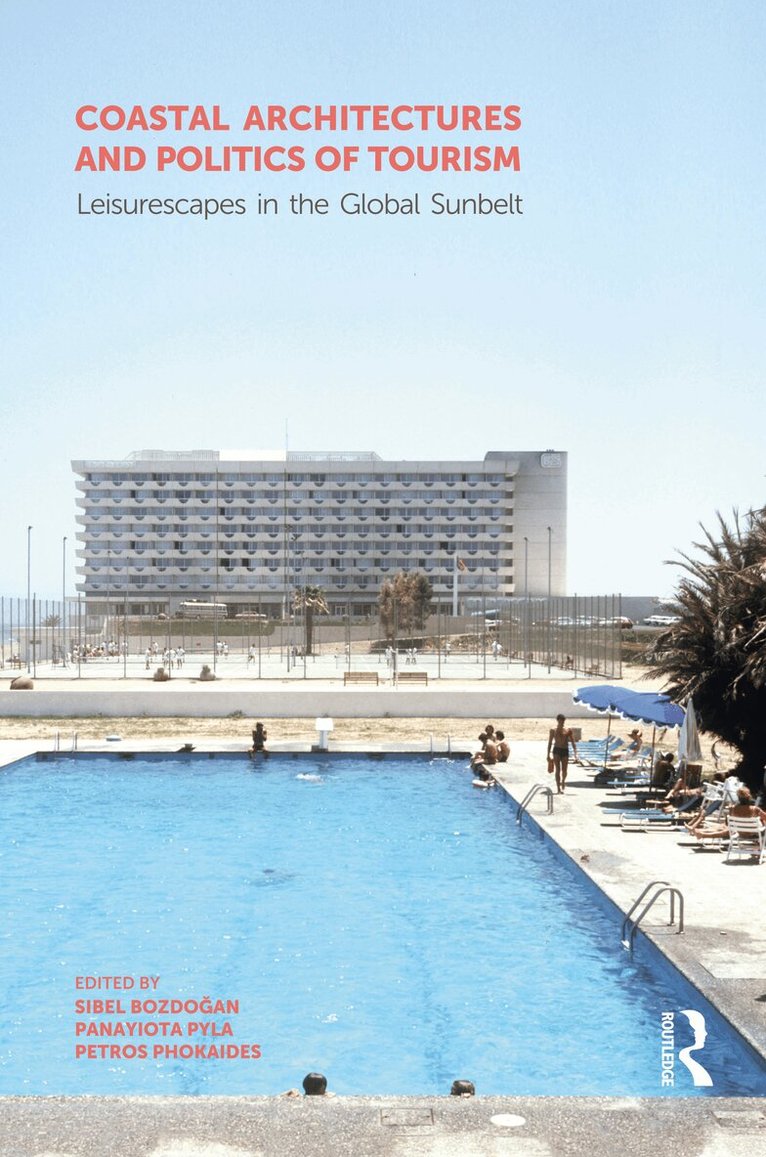
Coastal Architectures and Politics of Tourism
Leisurescapes in the Global Sunbelt
Häftad, Engelska, 2022
563 kr
Skickas inom 10-15 vardagar
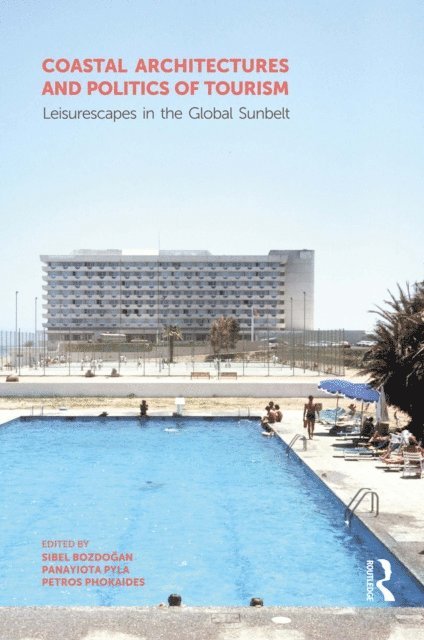
This volume offers a critical and complicated picture of how leisure tourism connected the world after the World War II, transforming coastal lands, traditional societies, and national economies in new ways.The 21 chapters in this book analyze selected case studies of architectures and landscapes around the world, contextualizing them within economic geographies of national development, the geopolitics of the Cold War, the legacies of colonialism, and the international dynamics of decolonization. Postwar leisure tourism evokes a rich array of architectural spaces and altered coastal landscapes, which is explored in this collection through discussions of tourism developments in the Mediterranean littoral, such as Greece, Turkey, and southern France, as well as compelling analyses of Soviet bloc seaside resorts along the Black Sea and Baltic coasts, and in beachscapes and tourism architectures of western and eastern hemispheres, from Southern California to Sri Lanka, South Korea, and Egypt. This collection makes a compelling argument that "leisurescapes," far from being supra-ideological and apolitical spatial expressions of modernization, development, and progress, have often concealed histories of conflict, violence, social inequalities, and environmental degradation. It will be of interest to architectural and urban historians, architects and planners, as well as urban geographers, economic and environmental historians.
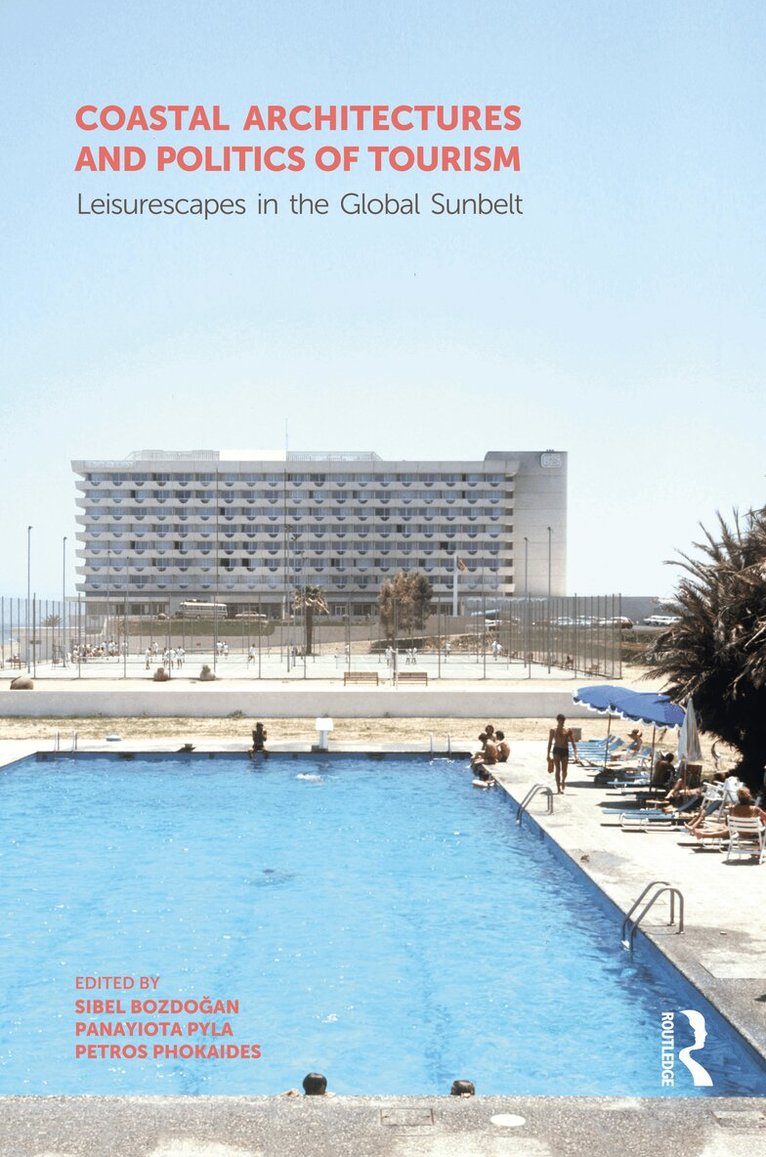
Coastal Architectures and Politics of Tourism
Leisurescapes in the Global Sunbelt
Inbunden, Engelska, 2022
2 162 kr
Skickas inom 10-15 vardagar
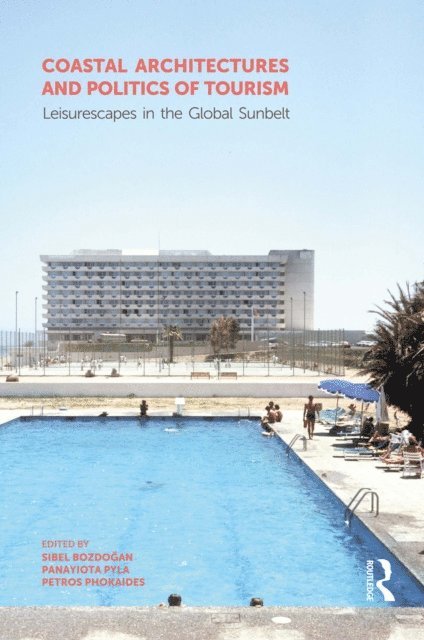
This volume offers a critical and complicated picture of how leisure tourism connected the world after the World War II, transforming coastal lands, traditional societies, and national economies in new ways.The 21 chapters in this book analyze selected case studies of architectures and landscapes around the world, contextualizing them within economic geographies of national development, the geopolitics of the Cold War, the legacies of colonialism, and the international dynamics of decolonization. Postwar leisure tourism evokes a rich array of architectural spaces and altered coastal landscapes, which is explored in this collection through discussions of tourism developments in the Mediterranean littoral, such as Greece, Turkey, and southern France, as well as compelling analyses of Soviet bloc seaside resorts along the Black Sea and Baltic coasts, and in beachscapes and tourism architectures of western and eastern hemispheres, from Southern California to Sri Lanka, South Korea, and Egypt. This collection makes a compelling argument that "leisurescapes," far from being supra-ideological and apolitical spatial expressions of modernization, development, and progress, have often concealed histories of conflict, violence, social inequalities, and environmental degradation. It will be of interest to architectural and urban historians, architects and planners, as well as urban geographers, economic and environmental historians.
492 kr
Skickas inom 7-10 vardagar