Sibylle Marti – författare
Visar alla böcker från författaren . Handla med fri frakt och snabb leverans.
3 produkter
3 produkter
458 kr
Läs direkt efter köp
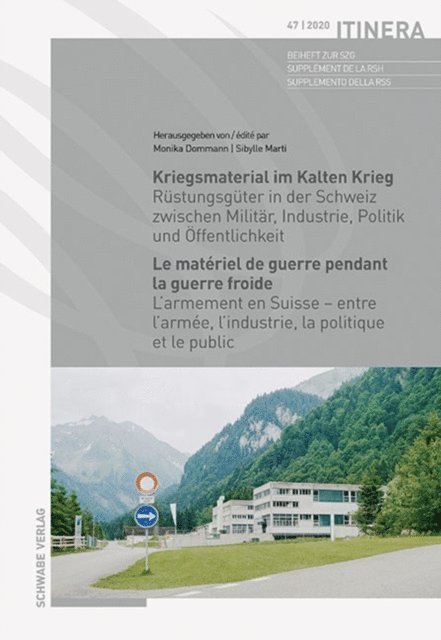
Fünf Fallstudien untersuchen die Schweizer Rüstungsgüter in der Zeit des Kalten Krieges in ihren vielfältigen Wechselbeziehungen zwischen Militär, Industrie, Politik und Öffentlichkeit. Die Kriegsmaterialpolitik der "neutralen" Schweiz wurde wesentlich vom internationalen Kalten Krieg bestimmt, war aber auch durch innenpolitische Faktoren beeinflusst. Vorstellungen von schweizerischer Autarkie und Unabhängigkeit trafen auf die konstitutive Abhängigkeit von westlichen Technologietransfers und ökonomischen Verflechtungen. Wie das Heft zeigt, waren Rüstungskontrolle und Kriegsmaterialexporte gesellschaftlich umkämpfte Themen, die von Auseinandersetzungen und Skandalen begleitet wurden.Dans ce cahier, cinq études de cas sur l''armement suisse pendant la guerre froide retracent les multiples interactions entre l''armée, l''industrie, la politique et le grand public. En ce qui concerne sa politique sur le matériel de guerre, la Suisse, tout en se réclamant de la "neutralité", était essentiellement déterminée par la guerre froide internationale. L''idée d''autosuffisance et d''indépendance de la Suisse était en contradiction avec sa dépendance des transferts de technologie occidentaux et des interactions économiques transnationales. Le cahier montre que le contrôle de l''armement et les exportations de matériel de guerre ont donné lieu à divers antagonismes et scandales.
Inbunden, Engelska, 2026
2 176 kr
Kommande
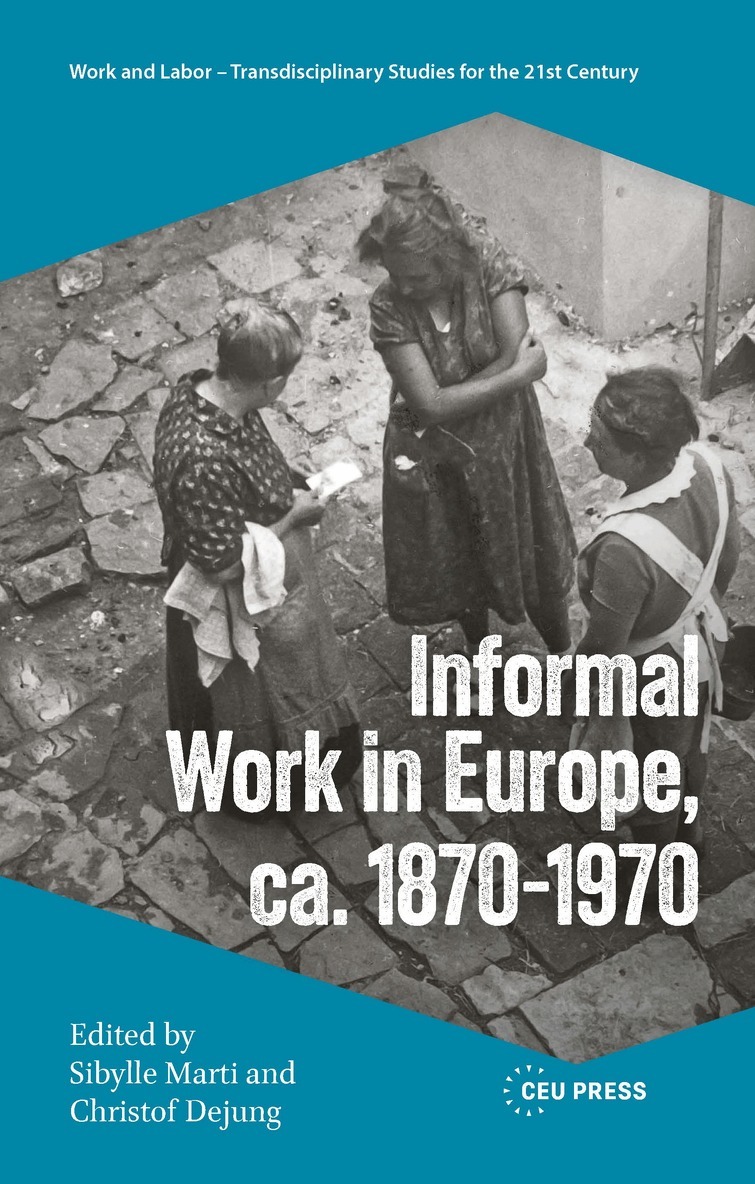
Formalized wage labor is often presented as the focus, if not the very core, of modern European labor history. The current volume challenges this widespread narrative by focusing on multiple forms of informal work in all parts of Europe. The chapters cover key fields of informal labor—agricultural, domestic, temporary, service, and sex work—during the period between 1870 and 1970, which is usually portrayed as an era of labor formalization. By demonstrating that informal work was neither a temporary nor a residual phenomenon, the contributors to this book render it visible as a constitutive factor of labor and labor politics in European history. In doing so, the volume aims to redraw the contours of labor history in nineteenth- and twentieth-century Europe while stimulating further thinking about a de-provincialized global history of work.
1 022 kr
Tillfälligt slut