Silvia Sebastiani – författare
Visar alla böcker från författaren . Handla med fri frakt och snabb leverans.
6 produkter
6 produkter
Inbunden, Engelska, 2013
1 453 kr
Skickas inom 10-15 vardagar
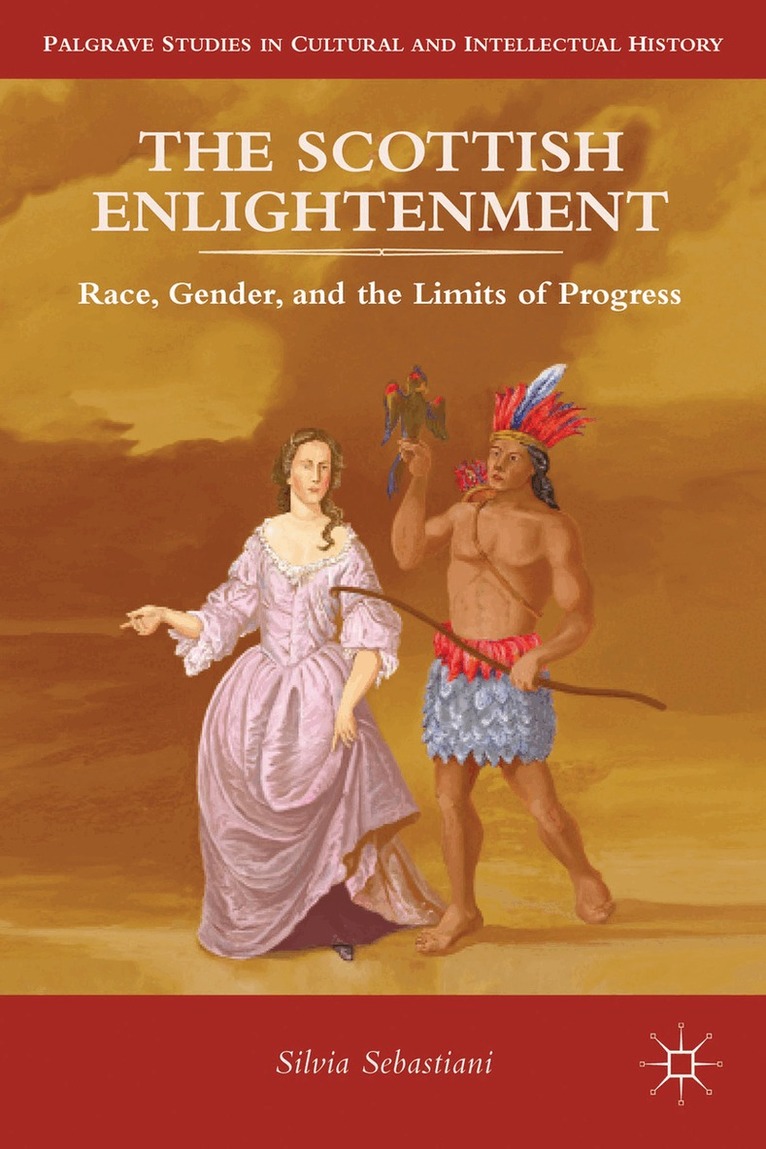
The Scottish Enlightenment shaped a new conception of history as a gradual and universal progress from savagery to civil society. Whereas women emancipated themselves from the yoke of male-masters, men in turn acquired polite manners and became civilized. Such a conception, however, presents problematic questions: why were the Americans still savage? Why was it that the Europeans only had completed all the stages of the historic process? Could modern societies escape the destiny of earlier empires and avoid decadence? Was there a limit beyond which women's influence might result in dehumanization? The Scottish Enlightenment's legacy for modernity emerges here as a two-faced Janus, an unresolved tension between universalism and hierarchy, progress and the limits of progress.
Inbunden, Engelska, 2027
379 kr
Kommande
Two eminent historians offer a groundbreaking study of the origins of race in early modern Western Europe, tracing its development through Enlightenment justifications of global hierarchy and colonization.Race is often thought of as an invention of the eighteenth century. In this ambitious book, the first to provide a complete origin story of race, Jean-Frédéric Schaub and Silvia Sebastiani trouble that notion, tracing the concept of race back to the roots of the Renaissance and following its evolution in succeeding centuries. Crucially, they show how race, racialization, and antisemitism developed alongside—rather than despite—the political and scientific advances of the period. Major Enlightenment thinkers advanced universalism while also taking part in debates about human origins, miscegenation, and the genealogy of race, at once advocating for equality and dividing human beings into rigid hierarchies.Beginning with early modern conceptions of “blood purity” among nobles, Schaub and Sebastiani reveal how supposed impurity developed into an elaborate system of classification that justified notions of racial superiority. Initially, impurity was exemplified by Jewish and Muslim conversos in Iberia; later, impurity became a trait associated with New World populations of mixed Spanish, African, and Indigenous ancestry. Examining the creation of racial markers, Schaub and Sebastiani demonstrate how emerging demarcations and structures of belonging were implemented across empires, often with ambiguity or contradictions.Covering more than three hundred years of transatlantic history and drawing on diverse sources, including scientific papers, artworks, and philosophical treatises, The Western Idea of Race is a revelatory account. It lays bare one of the key foundations of modern social inequality.
E-bok
PDF, Engelska, 20131 858 kr
Läs direkt efter köp
The Scottish Enlightenment shaped a new conception of history as a gradual and universal progress from savagery to civil society. Whereas women emancipated themselves from the yoke of male-masters, men in turn acquired polite manners and became civilized. Such a conception, however, presents problematic questions: why were the Americans still savage? Why was it that the Europeans only had completed all the stages of the historic process? Could modern societies escape the destiny of earlier empires and avoid decadence? Was there a limit beyond which women''s influence might result in dehumanization? The Scottish Enlightenment''s legacy for modernity emerges here as a two-faced Janus, an unresolved tension between universalism and hierarchy, progress and the limits of progress.
Häftad, Engelska, 2015
1 411 kr
Skickas inom 10-15 vardagar
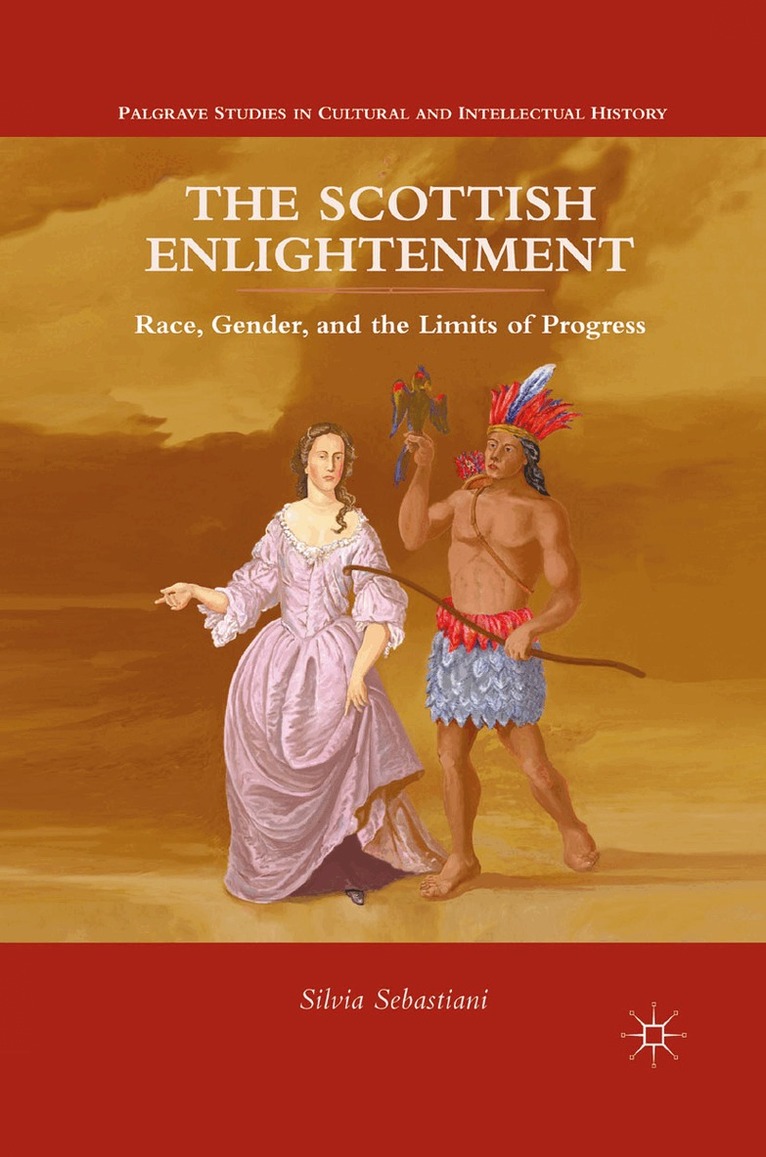
The Scottish Enlightenment shaped a new conception of history as a gradual and universal progress from savagery to civil society. Whereas women emancipated themselves from the yoke of male-masters, men in turn acquired polite manners and became civilized. Such a conception, however, presents problematic questions: why were the Americans still savage? Why was it that the Europeans only had completed all the stages of the historic process? Could modern societies escape the destiny of earlier empires and avoid decadence? Was there a limit beyond which women's influence might result in dehumanization? The Scottish Enlightenment's legacy for modernity emerges here as a two-faced Janus, an unresolved tension between universalism and hierarchy, progress and the limits of progress.
E-bok
Spanska, 2025161 kr
Läs direkt efter köp
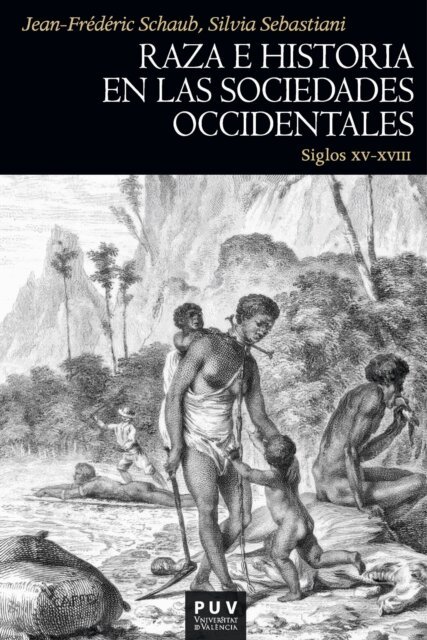
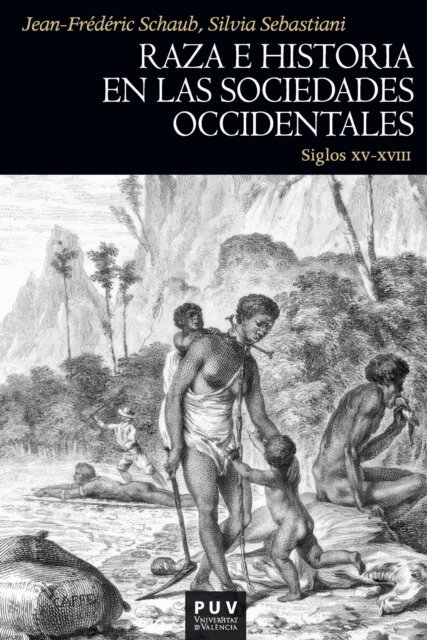
La historia de los procesos de racializacion que marcaron la transformacion de Europa y sus colonias desde el final de la Edad Media hasta la era de las revoluciones arroja luz sobre la evolucion de la sociedad, las instituciones y las culturas. Describe el deseo de categorizar a los individuos y los grupos, de encerrarlos en identidades que se presentan como intangibles, de discriminar a colectivos dominados o incluso de organizar una opresion a gran escala contra poblaciones definidas por su raza. Son cuatro los focos que permiten trazar la linea que vertebra la historia de la raza: la nobleza de nacimiento frente al ennoblecimiento, la naturaleza judia o musulmana que persiste en la sangre de los conversos, el origen indeleble del mestizaje en la America colonial y la deshumanizacion de los africanos a traves de la trata de esclavos. Estos fenomenos son las experiencias historicas en las que se basaron los autores de la Ilustracion para clasificar a la humanidad en razas. En el Siglo de las Luces, aunque por un lado se proclamo la universalidad de los derechos humanos, por otro se jerarquizo a los grupos humanos. El siglo de los filosofos puede leerse, por ello, como fruto de una historia pasada y como fundamento de una historia inacabada, la nuestra.
E-bok
PDF, Spanska, 2025161 kr
Läs direkt efter köp
La historia de los procesos de racializacion que marcaron la transformacion de Europa y sus colonias desde el final de la Edad Media hasta la era de las revoluciones arroja luz sobre la evolucion de la sociedad, las instituciones y las culturas. Describe el deseo de categorizar a los individuos y los grupos, de encerrarlos en identidades que se presentan como intangibles, de discriminar a colectivos dominados o incluso de organizar una opresion a gran escala contra poblaciones definidas por su raza. Son cuatro los focos que permiten trazar la linea que vertebra la historia de la raza: la nobleza de nacimiento frente al ennoblecimiento, la naturaleza judia o musulmana que persiste en la sangre de los conversos, el origen indeleble del mestizaje en la America colonial y la deshumanizacion de los africanos a traves de la trata de esclavos. Estos fenomenos son las experiencias historicas en las que se basaron los autores de la Ilustracion para clasificar a la humanidad en razas. En el Siglo de las Luces, aunque por un lado se proclamo la universalidad de los derechos humanos, por otro se jerarquizo a los grupos humanos. El siglo de los filosofos puede leerse, por ello, como fruto de una historia pasada y como fundamento de una historia inacabada, la nuestra.