

Simon Kaner – författare
Visar alla böcker från författaren . Handla med fri frakt och snabb leverans.
2 produkter
2 produkter
Häftad, Engelska, 2027
608 kr
Skickas inom 11-20 vardagar
When Okinoshima was placed on Japan's tentative list for World Heritage designation in 2009, an unprecedented amount of new research into the archaeological and historical materials associated with this exceptional complex of sites was generated. This book provides an overview and sample of this research, and explores the significance and impact that such a targeted program of research can have on understanding a potential World Heritage Site both archaeologically as well as in management terms. The tiny island of Okinoshima, which lies in the Genkai Sea off the coast of northern Kyushu in western Japan, is an extraordinary place that deserves wider recognition in both global archaeology and international heritage management. It is believed to have controlled the important shipping lanes between the Japanese archipelago and the Korean peninsula from the 4th to 10th centuries AD.The island is also notable for being surrounded by secrecy and taboo for it was the sacred home and embodiment of the three jealous Munakata deities (three sisters mentioned in ancient texts, latterly enshrined in the Munakata Grand Shrine and on Okinoshima). Most of the more than 80,000 objects known from archaeological investigations originally had been deposited as offerings to the Munakata deities between the 4th and 10thcenturies AD. All of these objects are now designated as National Treasures by the Japanese government.
Del 3 - Comparative and Global Perspectives on Japanese Archaeology
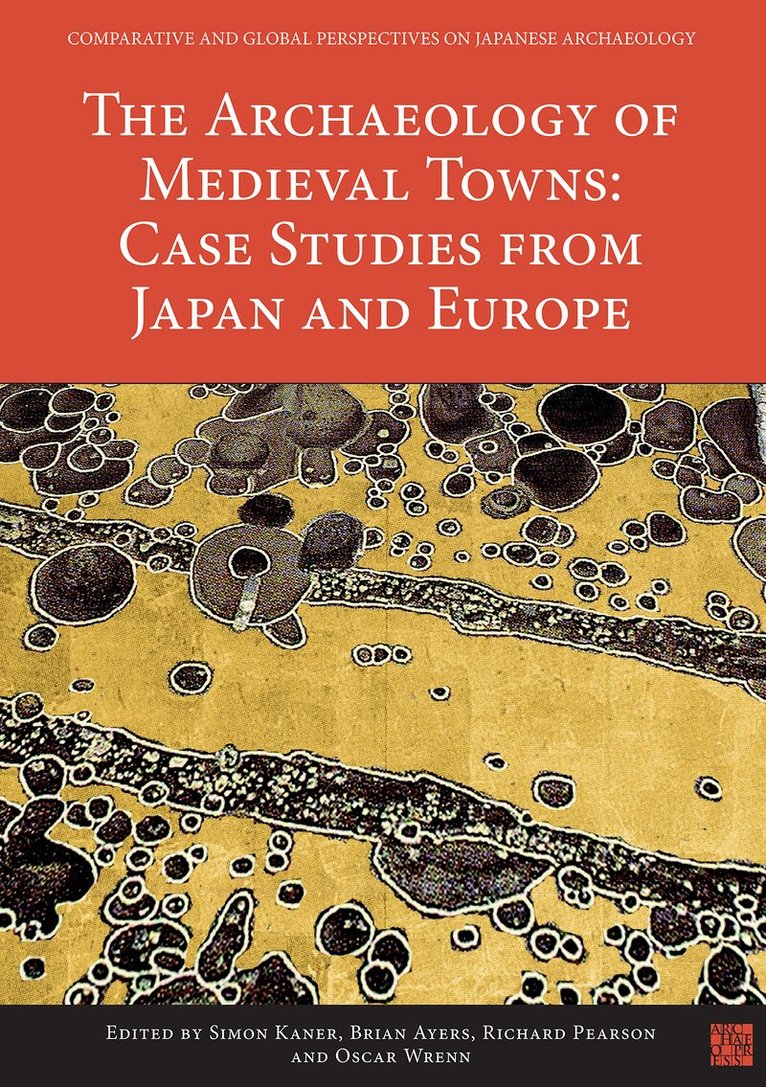
Archaeology of Medieval Towns: Case Studies from Japan and Europe
Häftad, Engelska, 2020
496 kr
Tillfälligt slut
In recent years, major new archaeological discoveries have redefined the development of towns and cities in the Japanese archipelago. The uncovering of the plans of major port towns such as Sakai, Kusado Sengen and Ichijōdani, and the revealing of early phases in the development of cities such as Kamakura and Hakata provide an important new resource in understanding the cultural and economic processes which shaped medieval Japan.This fully illustrated book provides a sampler of these findings for a western audience. The new discoveries from Japan are set in context of medieval archaeology beyond Japan by accompanying essays from leading European specialists.The global significance of Japanese medieval archaeology is assessed through comparing the development of towns in Japan and northern Europe. The medieval period in Japan and northwest Europe saw urban growth with towns not only providing centres of administration but also fostering economic development. The pressures which led to such growth, however, be they political or social, were universal in character. following basic requirements of food, shelter, security and spiritual nourishment, towns provided commercial infrastructures, transport and storage facilities, and the setting for trade, craft specialists and art.Chapters include ‘The archaeology of medieval towns in Japan and europe: an introduction’ (Brian Ayers and Simon Kaner); ‘Permanent urban frameworks (‘armature’) and economic networks in northern France c.700 – c.1000’ (Henri Galinié); ‘Medieval urbanism and culture in the cities of the Baltic: with a comparison between Lübeck, Germany, and Sakai, Japan’ (Manfred Gläser); ‘The development of Hakata as a medieval port town’ (Ōba Kōji); ‘The establishment and transformation of Japan’s medieval capital, Kamakura’ (Oka Yōichirō); ‘Ichijōdani: the archaeology of a Japanese medieval castle town’ (Ono Masatoshi); ‘Japanese medieval trading towns: Sakai and Tosaminato’ (Richard Pearson); and ‘Medieval ceramic production in the aegean, 1100 – 1600 AD: some considerations in an east-west perspective’ (Joanita Vroom).