Simone Gigliotti – författare
Visar alla böcker från författaren Simone Gigliotti. Handla med fri frakt och snabb leverans.
15 produkter
15 produkter
Häftad, Engelska, 2013
687 kr
Skickas inom 10-15 vardagar
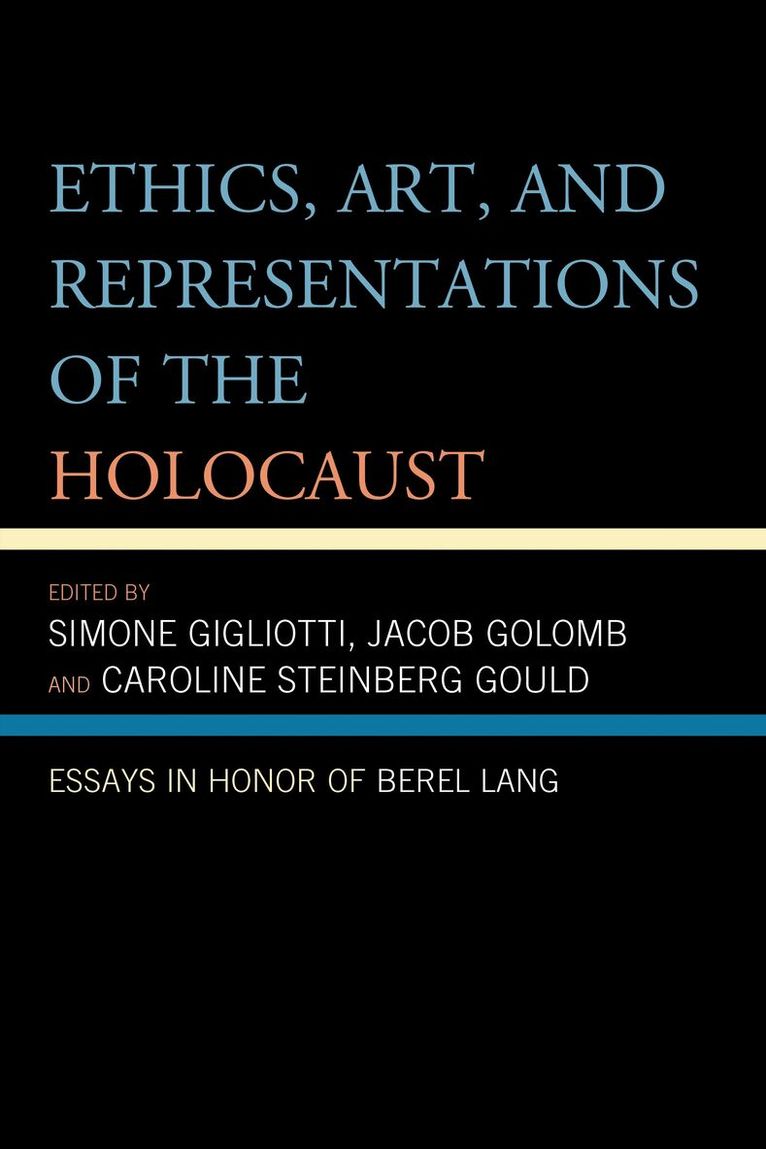
The American-Jewish philosopher Berel Lang has left an indelible impression on an unusually broad range of fields that few scholars can rival. From his earliest innovations in philosophy and meta-philosophy, to his ground-breaking work on representation, historical writing, and art after Auschwitz, he has contributed original and penetrating insights to the philosophical, literary, and historical debates on ethics, art, and the representation of the Nazi Genocide.In honor of Berel Lang’s five decades of scholarly and philosophical contributions, the editors of Ethics, Art and Representations of the Holocaust invited seventeen eminent scholars from around the world to discuss Lang’s impact on their own research and to reflect on how the Nazi genocide continues to resonate in contemporary debates about antisemitism, commemoration and poetic representations. Resisting what Alvin Rosenfeld warned as “the end of the Holocaust”, the essays in this collection signal the Holocaust as an event without closure, of enduring resonance to new generations of scholars of genocide, Jewish studies, and philosophy. Readers will find original and provocative essays on topics as diverse as Nietzsche’s reputed Nazi leanings, Jewish anti-apartheid activists in South Africa, wartime rescue in Poland, philosophical responses to the Holocaust, hidden diaries in the Kovno Ghetto, and analyses of reactions to trauma in classic literary works by Bernhard Schlink, Sylvia Plath, and Derek Walcott.
Häftad, Engelska, 2018
435 kr
Skickas inom 5-8 vardagar
The social history of the genocide, its representation in postwar culture, and new theoretical approaches stand at the forefront of current research in a range of disciplines. Analyses at the most intimate scale—of the individual or of a particular locale— are juxtaposed with those that turn to broader studies of the war or postwar order. Complementing these different scales are theoretical investigations that address individual agency, moral judgment, and the construction of meaning and memory in the study of the victims of the Holocaust and in our understanding of society as a whole. Together they mark the contemporary scholarly landscape of Holocaust studies, which includes history as well as film and literary studies, philosophy, and religious studies (among other disciplines). Each of the volume's three sections contributes to understanding the Holocaust and postwar ramifications of the genocide by focusing on: 1) the history of specific communities of both victims and perpetrators; 2) postwar cultural representations; and 3) new theoretical understandings of each. The essays in this volume thus represent new interests in the field that contribute to building integrated histories of the Holocaust.
Inbunden, Engelska, 2018
1 127 kr
Skickas inom 10-15 vardagar
The social history of the genocide, its representation in postwar culture, and new theoretical approaches stand at the forefront of current research in a range of disciplines. Analyses at the most intimate scale—of the individual or of a particular locale— are juxtaposed with those that turn to broader studies of the war or postwar order. Complementing these different scales are theoretical investigations that address individual agency, moral judgment, and the construction of meaning and memory in the study of the victims of the Holocaust and in our understanding of society as a whole. Together they mark the contemporary scholarly landscape of Holocaust studies, which includes history as well as film and literary studies, philosophy, and religious studies (among other disciplines). Each of the volume's three sections contributes to understanding the Holocaust and postwar ramifications of the genocide by focusing on: 1) the history of specific communities of both victims and perpetrators; 2) postwar cultural representations; and 3) new theoretical understandings of each. The essays in this volume thus represent new interests in the field that contribute to building integrated histories of the Holocaust.
Häftad, Engelska, 2020
369 kr
Skickas inom 5-8 vardagar
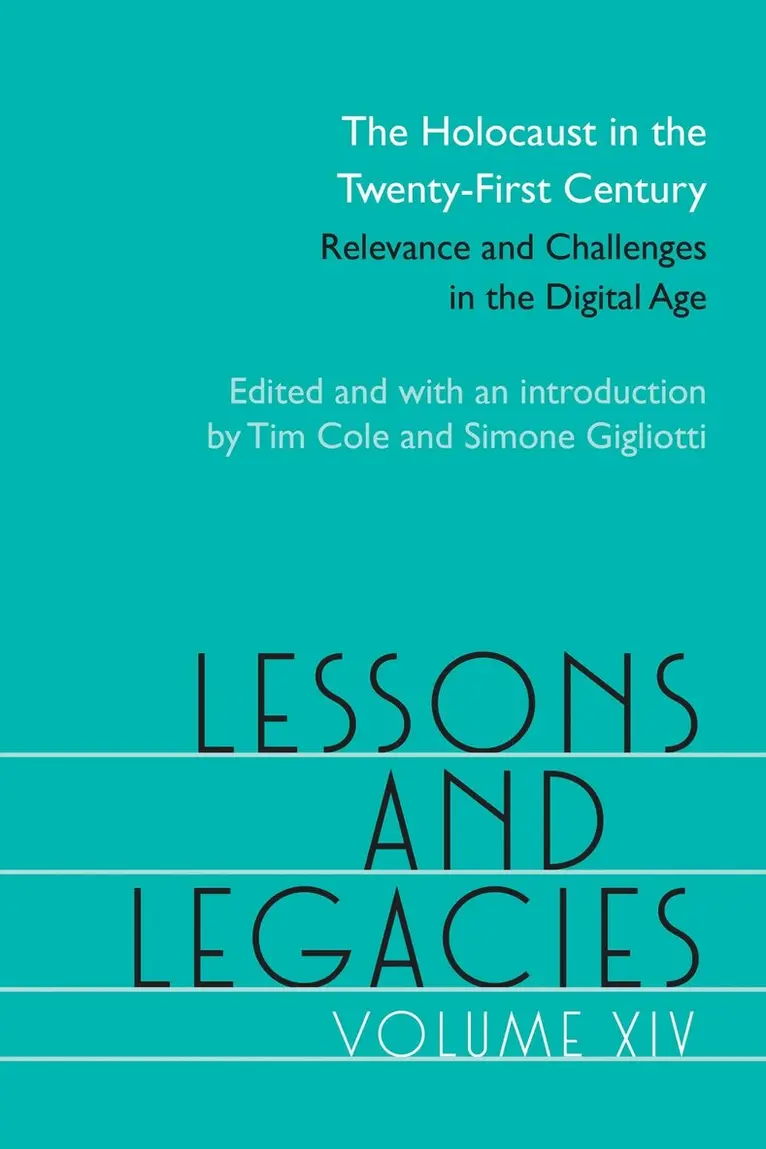
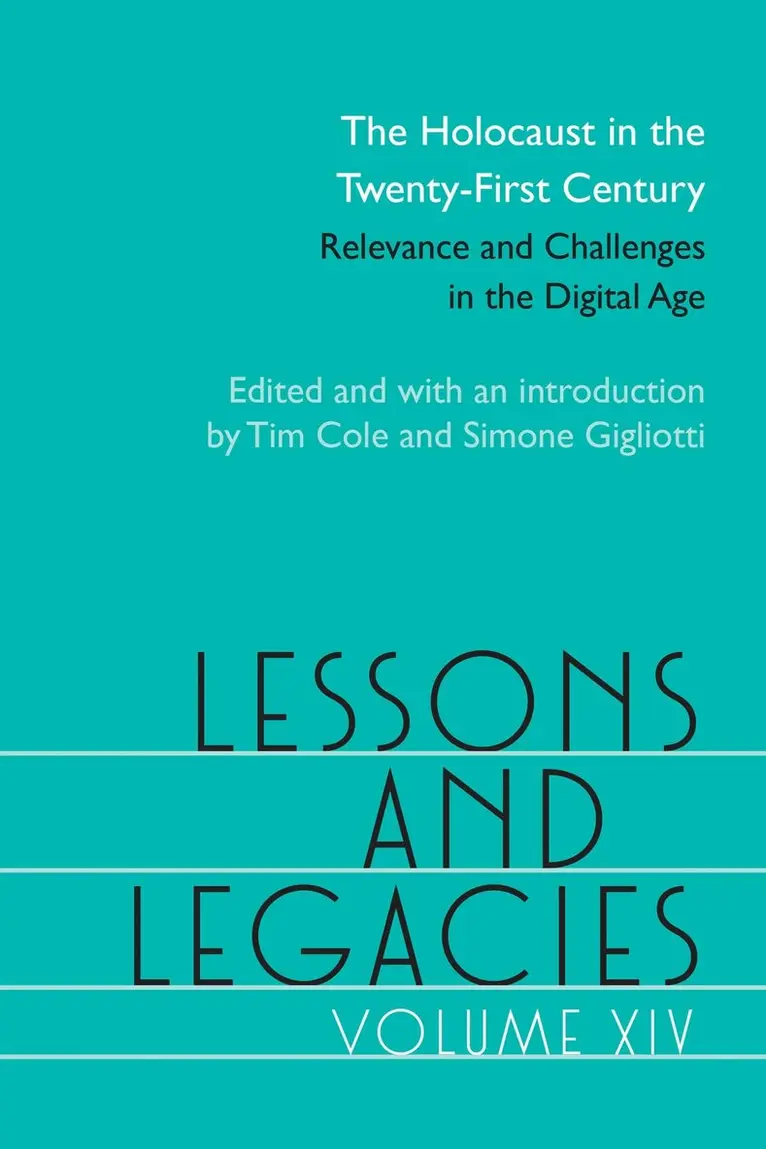
The Holocaust in the Twenty-First Century: Relevance and Challenges in the Digital Age challenges a number of key themes in Holocaust studies with new research. Essays in the section “Tropes Reconsidered” reevaluate foundational concepts such as Primo Levi’s gray zone and idea of the muselmann. The chapters in “Survival Strategies and Obstructions” use digital methodologies to examine mobility and space and their relationship to hiding, resistance, and emigration. Contributors to the final section, “Digital Methods, Digital Memory,” offer critical reflections on the utility of digital methods in scholarly, pedagogic, and public engagement with the Holocaust.Although the chapters differ markedly in their embrace or eschewal of digital methods, they share several themes: a preoccupation with the experiences of persecution, escape, and resistance at different scales (individual, group, and systemic); methodological innovation through the adoption and tracking of micro- and mezzohistories of movement and displacement; varied approaches to the practice of Saul FriedlÄnder’s “integrated history”; the mainstreaming of oral history; and the robust application of micro- and macrolevel approaches to the geographies of the Holocaust. Taken together, these chapters incorporate gender analysis, spatial thinking, and victim agency into Holocaust studies. In so doing, they move beyond existing notions of perpetrators, victims, and bystanders to portray the Holocaust as a complex and multilayered event.
Inbunden, Engelska, 2020
1 095 kr
Skickas inom 10-15 vardagar
The Holocaust in the Twenty-First Century: Relevance and Challenges in the Digital Age challenges a number of key themes in Holocaust studies with new research. Essays in the section “Tropes Reconsidered” reevaluate foundational concepts such as Primo Levi’s gray zone and idea of the muselmann. The chapters in “Survival Strategies and Obstructions” use digital methodologies to examine mobility and space and their relationship to hiding, resistance, and emigration. Contributors to the final section, “Digital Methods, Digital Memory,” offer critical reflections on the utility of digital methods in scholarly, pedagogic, and public engagement with the Holocaust.Although the chapters differ markedly in their embrace or eschewal of digital methods, they share several themes: a preoccupation with the experiences of persecution, escape, and resistance at different scales (individual, group, and systemic); methodological innovation through the adoption and tracking of micro- and mezzohistories of movement and displacement; varied approaches to the practice of Saul FriedlÄnder’s “integrated history”; the mainstreaming of oral history; and the robust application of micro- and macrolevel approaches to the geographies of the Holocaust. Taken together, these chapters incorporate gender analysis, spatial thinking, and victim agency into Holocaust studies. In so doing, they move beyond existing notions of perpetrators, victims, and bystanders to portray the Holocaust as a complex and multilayered event.
Inbunden, Engelska, 2020
1 690 kr
Skickas inom 11-20 vardagar
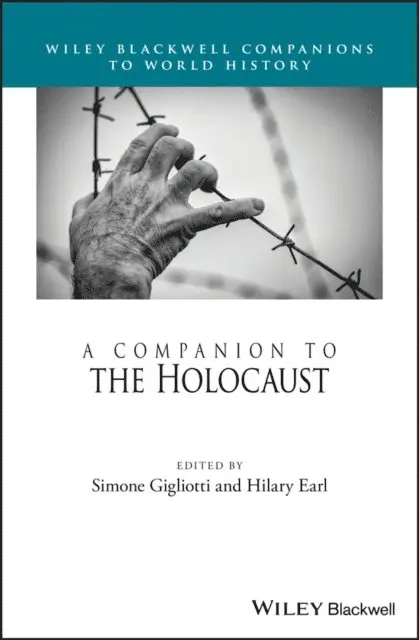
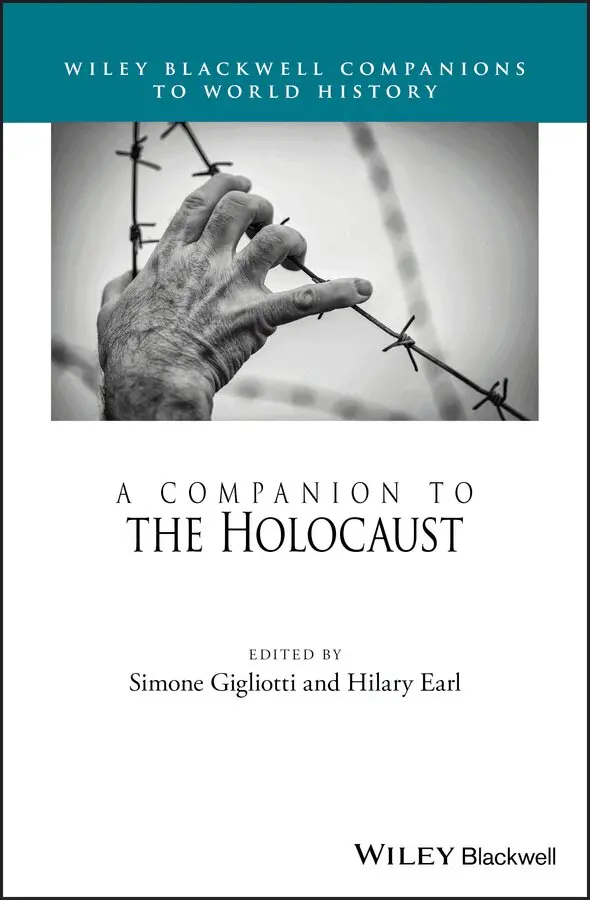
Provides a cutting-edge, nuanced, and multi-disciplinary picture of the Holocaust from local, transnational, continental, and global perspectivesHolocaust Studies is a dynamic field that encompasses discussions on human behavior, extremity, and moral action. A diverse range of disciplines – history, philosophy, literature, social psychology, anthropology, geography, amongst others – continue to make important contributions to its scholarship.A Companion to the Holocaust provides exciting commentaries on current and emerging debates and identifies new connections for research. The text incorporates new language, geographies, and approaches to address the precursors of the Holocaust and examine its global consequences. A team of international contributors provides insightful and sophisticated analyses of current trends in Holocaust research that go far beyond common conceptions of the Holocaust’s causes, unfolding and impact.Scholars draw on their original research to interpret current, agenda-setting historical and historiographical debates on the Holocaust. Six broad sections cover wide-ranging topics such as new debates about Nazi perpetrators, arguments about the causes and places of persecution of Jews in Germany and Europe, and Jewish and non-Jewish responses to it, the use of forced labor in the German war economy, representations of the Holocaust witness, and many others. A masterful framing chapter sets the direction and tone of each section’s themes. Comprising over thirty essays, this important addition to Holocaust studies: Offers a remarkable compendium of systematic, comparative, and precise analysesCovers areas and topics not included in any other companion of its typeExamines the ongoing cultural, social, and political legacies of the HolocaustIncludes discussions on non-European and non-Western geographies, inter-ethnic tensions, and violenceA Companion to the Holocaust is an essential resource for students and scholars of European, German, genocide, colonial and Jewish history, as well as those in the general humanities.
Häftad, Engelska, 2026
419 kr
Kommande
Häftad, Engelska, 2017
739 kr
Skickas inom 10-15 vardagar
Divided societies, tormented pasts, and unrepentant perpetrators. Why are some countries more intent on vanquishing uncomfortable pasts than others? How do public and often unsightly attempts at memorialisation both fail the victims and valorize their oppressors? This book offers fresh and original perspectives on dictatorship, fascism and victimization from the bloodiest decades in Europe’s, Australia’s and Central America’s colonial and modern history. Chapters include analyses of Francoist memorials in Spain, assessments of the El Mozote massacre in El Salvador, the forgetting of frontier colonial violence in Tasmania, Romania’s treatment of its Roma populations in the midst of Holocaust memorialization in Bucharest’s urban development, and whether or not the Holocaust continues to serve as an instructional model or impossible aspiration for cross-cultural genocide memorialization strategies. In an era of ongoing political, ethnic and religious conflict, and unrepentant insurgent activity around the world, this collection reminds readers that genocidal actions, wherever and whenever they occurred, must be held to account by more than rhetoric and concrete memory. This book was originally published as a special issue of the Journal of Genocide Research.
Inbunden, Engelska, 2015
2 284 kr
Skickas inom 10-15 vardagar
Divided societies, tormented pasts, and unrepentant perpetrators. Why are some countries more intent on vanquishing uncomfortable pasts than others? How do public and often unsightly attempts at memorialisation both fail the victims and valorize their oppressors? This book offers fresh and original perspectives on dictatorship, fascism and victimization from the bloodiest decades in Europe’s, Australia’s and Central America’s colonial and modern history. Chapters include analyses of Francoist memorials in Spain, assessments of the El Mozote massacre in El Salvador, the forgetting of frontier colonial violence in Tasmania, Romania’s treatment of its Roma populations in the midst of Holocaust memorialization in Bucharest’s urban development, and whether or not the Holocaust continues to serve as an instructional model or impossible aspiration for cross-cultural genocide memorialization strategies. In an era of ongoing political, ethnic and religious conflict, and unrepentant insurgent activity around the world, this collection reminds readers that genocidal actions, wherever and whenever they occurred, must be held to account by more than rhetoric and concrete memory. This book was originally published as a special issue of the Journal of Genocide Research.
Inbunden, Engelska, 2004
1 690 kr
Skickas inom 5-8 vardagar
This interdisciplinary collection of primary and secondary readings encourages scholars and students to engage critically with current debates about the origins, implementation and postwar interpretation of the Holocaust. Interdisciplinary content encourages students to engage with philosophical, political, cultural and literary debate as well as historiographical issues. Integrates oral histories and testimonies from both victims and perpetrators, including Jewish council leaders, victims of ghettos and camps, SS officials and German soldiers. Subsections can be used as the basis for oral or written exercises. Whole articles or substantial extracts are included wherever possible.
Häftad, Engelska, 2004
559 kr
Skickas inom 5-8 vardagar
This interdisciplinary collection of primary and secondary readings encourages scholars and students to engage critically with current debates about the origins, implementation and postwar interpretation of the Holocaust. Interdisciplinary content encourages students to engage with philosophical, political, cultural and literary debate as well as historiographical issues. Integrates oral histories and testimonies from both victims and perpetrators, including Jewish council leaders, victims of ghettos and camps, SS officials and German soldiers. Subsections can be used as the basis for oral or written exercises. Whole articles or substantial extracts are included wherever possible.
Häftad, Engelska, 2016
469 kr
Skickas inom 10-15 vardagar
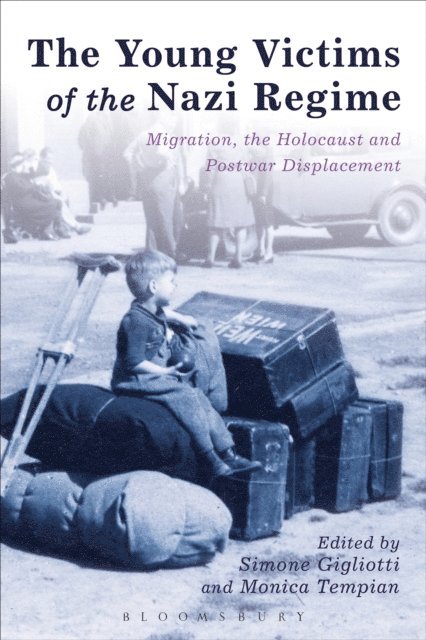
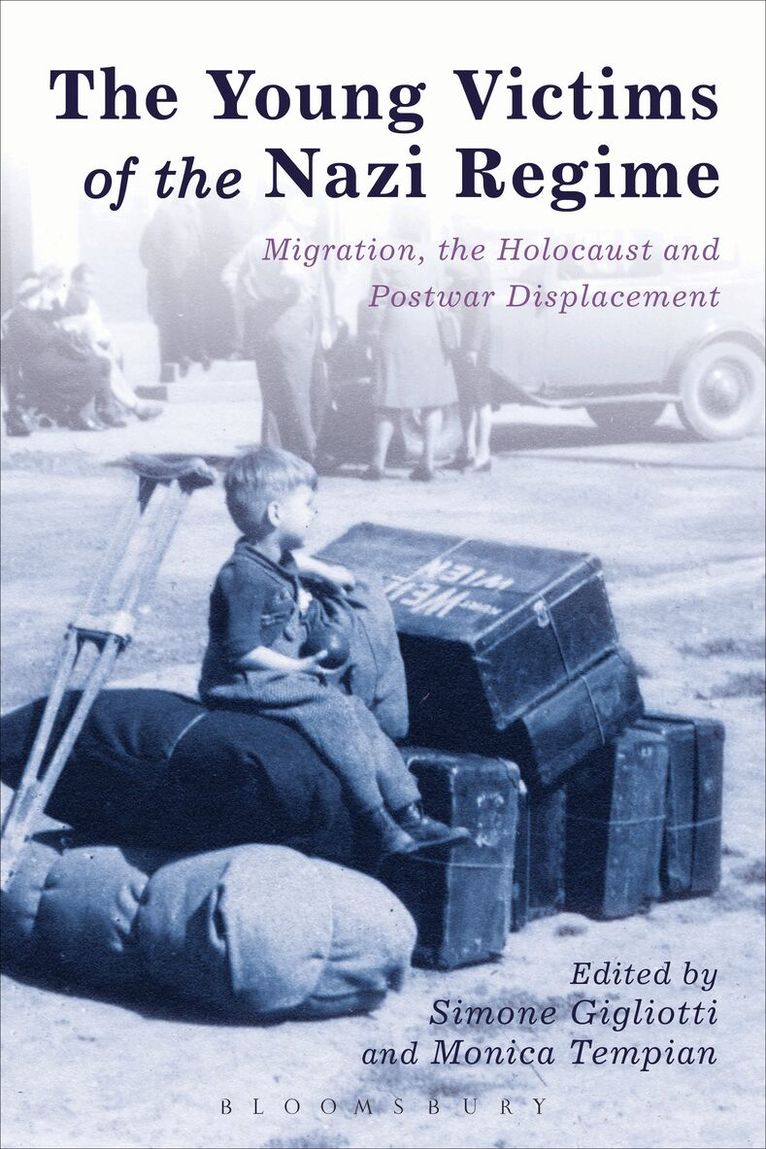
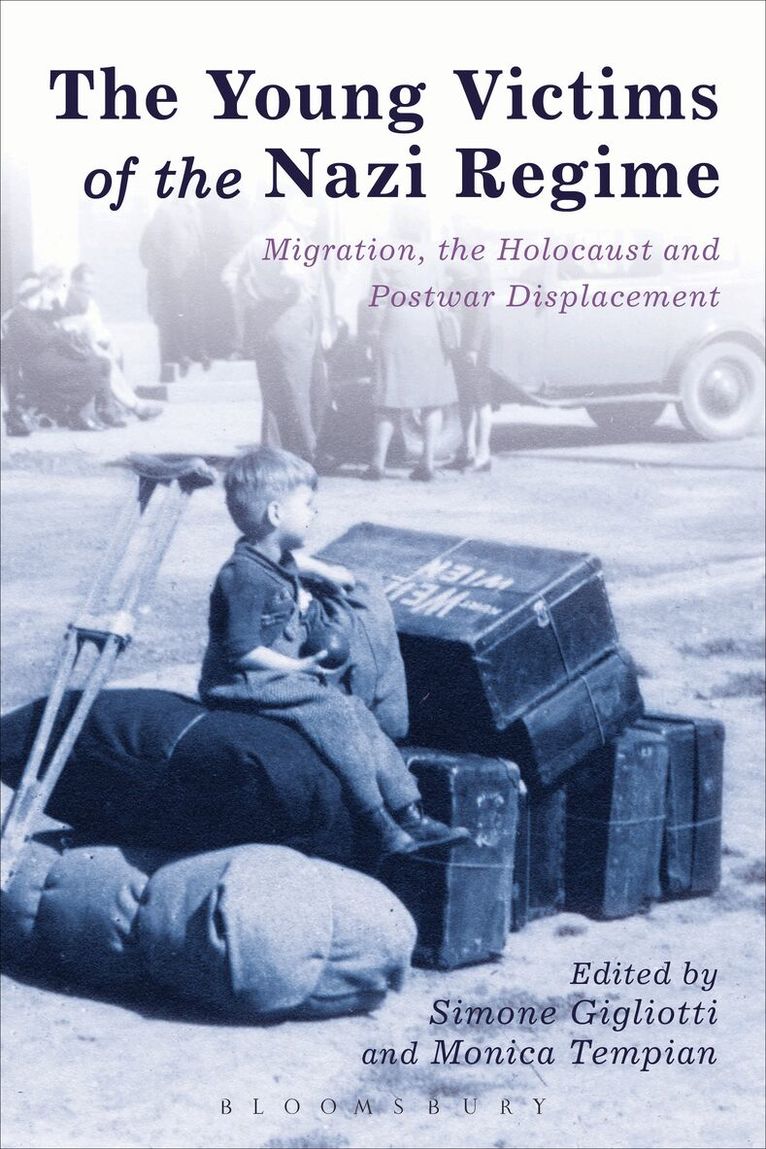
During the Nazi regime many children and young people in Europe found their lives uprooted by Nazi policies, resulting in their relocation around the globe. The Young Victims of the Nazi Regime represents the diversity of their experiences, covering a range of non-European perspectives on the Second World War and aspects of memory. This book is unique in that it places the experiences of children and youth in a transnational context, shifting the conversation of displacement and refuge to countries that have remained under-examined in a comparative context. Featuring essays from an international range of experts, this book analyses the key themes in three sections: the migration of children to countries including England, Canada, Australia, New Zealand, Kenya, and Brazil; the experiences of young people who remained in Nazi Europe and became victims of war, displacement and deportation; and finally the challenges of rebuilding lives and representing traumas in the aftermath of war. In its comparisons between Jewish and non-Jewish experiences and how these intersected and diverged, it revisits debates about cultural genocide through the separation of families and communities, as well as contributing new perspectives on forced labour, families and the Holocaust, and Germans as war victims.
Inbunden, Engelska, 2016
1 967 kr
Skickas inom 10-15 vardagar
During the Nazi regime many children and young people in Europe found their lives uprooted by Nazi policies, resulting in their relocation around the globe. The Young Victims of the Nazi Regime represents the diversity of their experiences, covering a range of non-European perspectives on the Second World War and aspects of memory. This book is unique in that it places the experiences of children and youth in a transnational context, shifting the conversation of displacement and refuge to countries that have remained under-examined in a comparative context. Featuring essays from an international range of experts, this book analyses the key themes in three sections: the migration of children to countries including England, Canada, Australia, New Zealand, Kenya, and Brazil; the experiences of young people who remained in Nazi Europe and became victims of war, displacement and deportation; and finally the challenges of rebuilding lives and representing traumas in the aftermath of war. In its comparisons between Jewish and non-Jewish experiences and how these intersected and diverged, it revisits debates about cultural genocide through the separation of families and communities, as well as contributing new perspectives on forced labour, families and the Holocaust, and Germans as war victims.
Inbunden, Engelska, 2009
1 960 kr
Skickas inom 3-6 vardagar
Deportations by train were critical in the Nazis’ genocidal vision of the “Final Solution of the Jewish Question.” Historians have estimated that between 1941 and 1944 up to three million Jews were transported to their deaths in concentration and extermination camps. In his writings on the “Final Solution,” Raul Hilberg pondered the role of trains: “How can railways be regarded as anything more than physical equipment that was used, when the time came, to transport the Jews from various cities to shooting grounds and gas chambers in Eastern Europe?” This book explores the question by analyzing the victims’ experiences at each stage of forced relocation: the round-ups and departures from the ghettos, the captivity in trains, and finally, the arrival at the camps. Utilizing a variety of published memoirs and unpublished testimonies, the book argues that victims experienced the train journeys as mobile chambers, comparable in importance to the more studied, fixed locations of persecution, such as ghettos and camps.
Häftad, Engelska, 2010
360 kr
Skickas inom 3-6 vardagar
Deportations by train were critical in the Nazis’ genocidal vision of the “Final Solution of the Jewish Question.” Historians have estimated that between 1941 and 1944 up to three million Jews were transported to their deaths in concentration and extermination camps. In his writings on the “Final Solution,” Raul Hilberg pondered the role of trains: “How can railways be regarded as anything more than physical equipment that was used, when the time came, to transport the Jews from various cities to shooting grounds and gas chambers in Eastern Europe?” This book explores the question by analyzing the victims’ experiences at each stage of forced relocation: the round-ups and departures from the ghettos, the captivity in trains, and finally, the arrival at the camps. Utilizing a variety of published memoirs and unpublished testimonies, the book argues that victims experienced the train journeys as mobile chambers, comparable in importance to the more studied, fixed locations of persecution, such as ghettos and camps.