Simonne Horwitz – författare
Visar alla böcker från författaren . Handla med fri frakt och snabb leverans.
5 produkter
5 produkter
E-bok
PDF, Engelska, 2010459 kr
Läs direkt efter köp
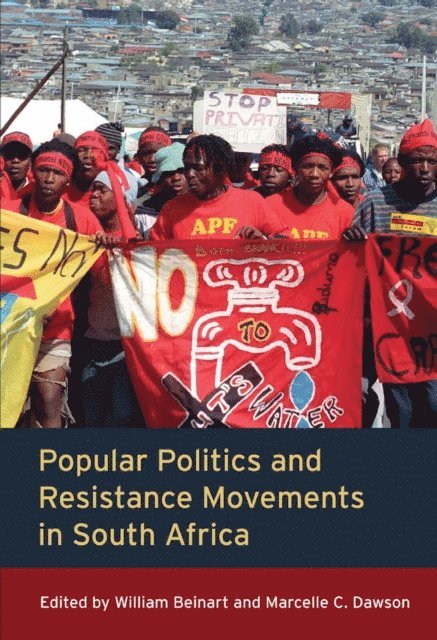
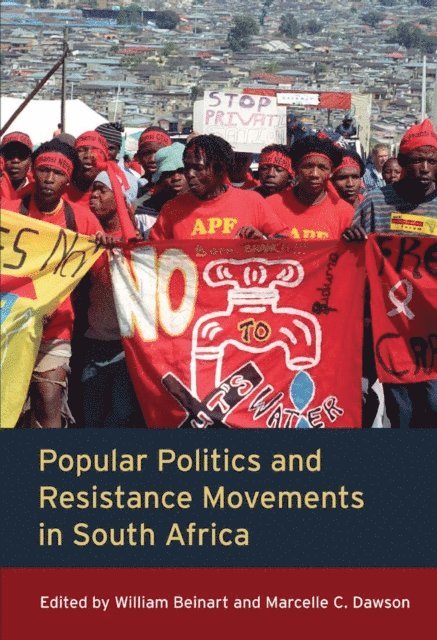
This volume explores some of the key features of popular politics and resistance before and after 1994. It looks at continuities and changes in the forms of struggle and ideologies involved, as well as the significance of post-apartheid grassroots politics. Is this a new form of politics or does it stand as a direct descendent of the insurrectionary impulses of the late apartheid era? Posing questions about continuity and change before and after 1994 raises key issues concerning the nature of power and poverty in the country. Contributors suggest that expressions of popular politics are deeply set within South African political culture and still have the capacity to influence political outcomes. The introduction by William Beinart links the papers together, places them in context of recent literature on popular politics and ‘history from below’ and summarises their main findings, supporting the argument that popular politics outside of the party system remain significant in South Africa and help influence national politics. The roots of this collection lie in post-graduate student research conducted at the University of Oxford in the early twenty-first century.
Häftad, Engelska, 2013
389 kr
Skickas inom 5-8 vardagar
Baragwanath Hospital, Soweto illustrates how this rapidly growing, underfunded but surprisingly effective institution found the niche that allowed it to exist, to provide medical care to a massive patient body and at times even to flourish in the apartheid state. The book offers new ways of exploring the history of apartheid, apartheid medicine and health care. The long history of Chris Hani Baragwanath Hospital (its full current name) or Bara, as it's popularly known, has been shaped by a complex set of conditions. Established in the early 1940s, Bara stands on land purchased by the Cornish immigrant John Albert Baragwanath in the late nineteenth century. He set up a refreshment post, trading store and hotel on the site – in what is now Soweto – which was a one day journey by ox-wagon from Johannesburg. The hotel became affectionately known as 'Baragwanath Place' (the surname is Welsh, from 'bara' meaning 'bread' and 'gwenith' meaning' wheat'). The land was then bought by Corner House Mining Group and later taken over by Crown Mines Ltd. but was never mined. The British government bought the land in the early 1940s to build a military hospital but by 1947, Baragwanath ceased to operate as a military hospital and under the auspices of the Transvaal Provincial Administration a civilian hospital was opened with 480 beds. Patients were transferred from the 'non-European' wing of the Johannesburg General Hospital in the 'white' area of Johannesburg. Links were immediately forged with the University of the Witwatersrand and Bara would over time become one of its largest teaching centres. This link brought medical students and their teachers into direct contact with apartheid in the medical sphere. This book will contribute to studies of the history of apartheid that have begun to provide a more nuanced account of its workings. The history of Baragwanath and of the doctors and nurses who worked there tells us much about apartheid ideology and practice, as well as resistance to it, in the realm of health care.
E-bok
PDF, Engelska, 2013398 kr
Läs direkt efter köp
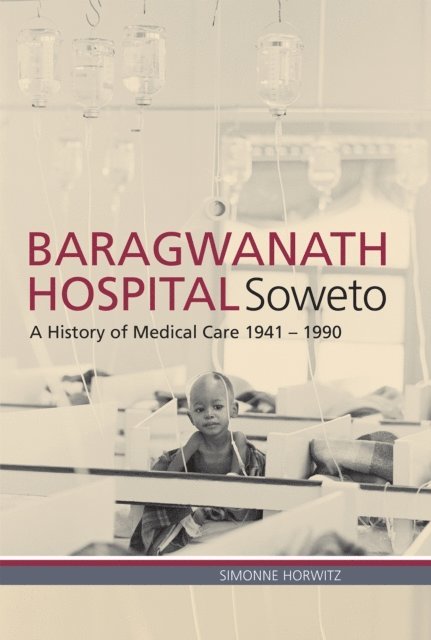
Baragwanath Hospital, Soweto illustrates how this rapidly growing, underfunded but surprisingly effective institution found the niche that allowed it to exist, to provide medical care to a massive patient body and at times even to flourish in the apartheid state. The book offers new ways of exploring the history of apartheid, apartheid medicine and health care. The long history of Chris Hani Baragwanath Hospital (its full current name) or Bara, as it’s popularly known, has been shaped by a complex set of conditions. Established in the early 1940s, Bara stands on land purchased by the Cornish immigrant John Albert Baragwanath in the late nineteenth century. He set up a refreshment post, trading store and hotel on the site – in what is now Soweto – which was a one day journey by ox-wagon from Johannesburg. The hotel became affectionately known as ‘Baragwanath Place’ (the surname is Welsh, from ‘bara’ meaning ‘bread’ and ‘gwenith’ meaning’ wheat’). The land was then bought by Corner House Mining Group and later taken over by Crown Mines Ltd. but was never mined. The British government bought the land in the early 1940s to build a military hospital but by 1947, Baragwanath ceased to operate as a military hospital and under the auspices of the Transvaal Provincial Administration a civilian hospital was opened with 480 beds. Patients were transferred from the ‘non-European’ wing of the Johannesburg General Hospital in the ‘white’ area of Johannesburg. Links were immediately forged with the University of the Witwatersrand and Bara would over time become one of its largest teaching centres. This link brought medical students and their teachers into direct contact with apartheid in the medical sphere. This book will contribute to studies of the history of apartheid that have begun to provide a more nuanced account of its workings. The history of Baragwanath and of the doctors and nurses who worked there tells us much about apartheid ideology and practice, as well as resistance to it, in the realm of health care.
E-bok
Engelska, 2013384 kr
Läs direkt efter köp
Baragwanath Hospital, Soweto illustrates how this rapidly growing, underfunded but surprisingly effective institution found the niche that allowed it to exist, to provide medical care to a massive patient body and at times even to flourish in the apartheid state. The book offers new ways of exploring the history of apartheid, apartheid medicine and health care. The long history of Chris Hani Baragwanath Hospital (its full current name) or Bara, as it’s popularly known, has been shaped by a complex set of conditions. Established in the early 1940s, Bara stands on land purchased by the Cornish immigrant John Albert Baragwanath in the late nineteenth century. He set up a refreshment post, trading store and hotel on the site – in what is now Soweto – which was a one day journey by ox-wagon from Johannesburg. The hotel became affectionately known as ‘Baragwanath Place’ (the surname is Welsh, from ‘bara’ meaning ‘bread’ and ‘gwenith’ meaning’ wheat’). The land was then bought by Corner House Mining Group and later taken over by Crown Mines Ltd. but was never mined. The British government bought the land in the early 1940s to build a military hospital but by 1947, Baragwanath ceased to operate as a military hospital and under the auspices of the Transvaal Provincial Administration a civilian hospital was opened with 480 beds. Patients were transferred from the ‘non-European’ wing of the Johannesburg General Hospital in the ‘white’ area of Johannesburg. Links were immediately forged with the University of the Witwatersrand and Bara would over time become one of its largest teaching centres. This link brought medical students and their teachers into direct contact with apartheid in the medical sphere. This book will contribute to studies of the history of apartheid that have begun to provide a more nuanced account of its workings. The history of Baragwanath and of the doctors and nurses who worked there tells us much about apartheid ideology and practice, as well as resistance to it, in the realm of health care.
E-bok
Engelska, 2010459 kr
Läs direkt efter köp
This volume explores some of the key features of popular politics and resistance before and after 1994. It looks at continuities and changes in the forms of struggle and ideologies involved, as well as the significance of post-apartheid grassroots politics. Is this a new form of politics or does it stand as a direct descendent of the insurrectionary impulses of the late apartheid era? Posing questions about continuity and change before and after 1994 raises key issues concerning the nature of power and poverty in the country. Contributors suggest that expressions of popular politics are deeply set within South African political culture and still have the capacity to influence political outcomes. The introduction by William Beinart links the papers together, places them in context of recent literature on popular politics and ‘history from below’ and summarises their main findings, supporting the argument that popular politics outside of the party system remain significant in South Africa and help influence national politics. The roots of this collection lie in post-graduate student research conducted at the University of Oxford in the early twenty-first century.