Mfaniseni Fana Sihlongonyane – författare
Visar alla böcker från författaren Mfaniseni Fana Sihlongonyane. Handla med fri frakt och snabb leverans.
4 produkter
4 produkter
Inbunden, Engelska, 2024
2 433 kr
Skickas inom 10-15 vardagar
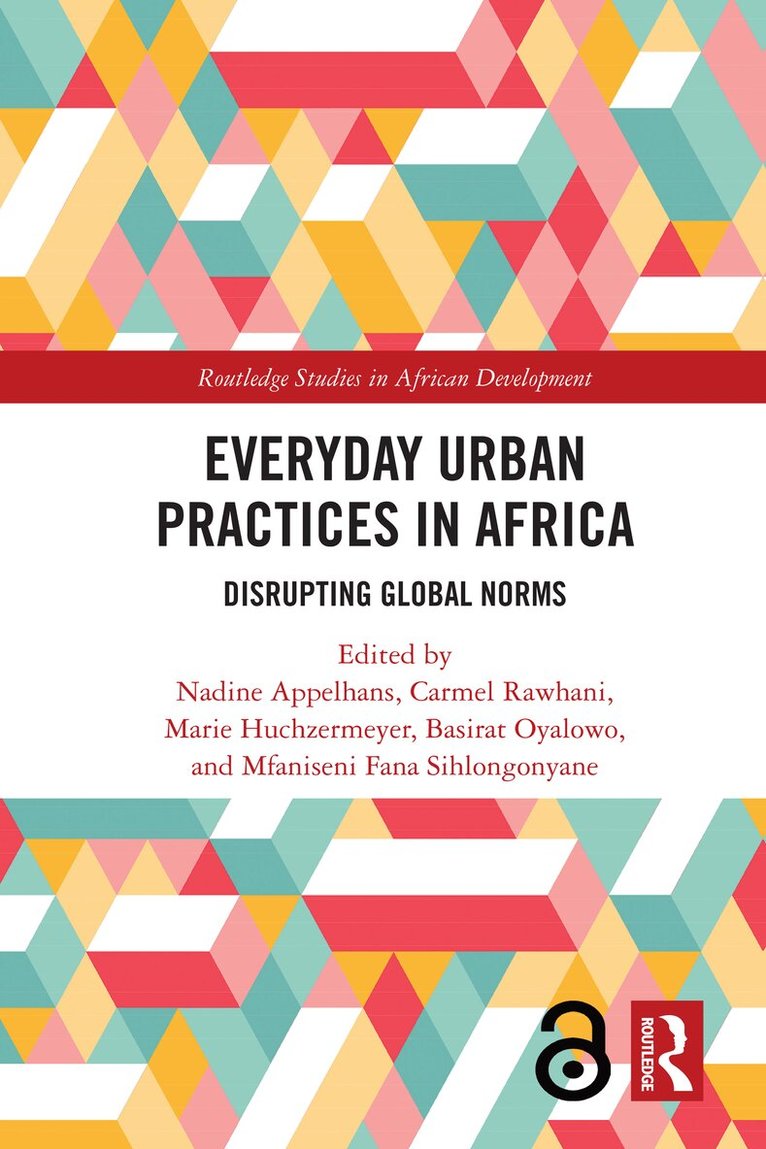
This book disrupts the dominant underlying international norms informing urban development strategies across African cities. International policy frameworks have created a new universal agenda for developing cities. However, these frameworks have also imposed global paradigms and discourses that are often in conflict with local urbanisms. As we approach the deadline for achieving the Sustainable Development Goals, there is need for reflection and deliberation on a post-2030 agenda.The authors identify powerful assumptions, norms, and positionalities that obfuscate the efforts to achieve sustainable development in African cities, as well as along the North–South divide. They argue that a disruptive critique of these normative concepts, grounded in the lived African urban everyday, opens up opportunities to dismantle their assumed neutrality. Through disruption, the authors critically re-interpret the meanings of policy and the praxis of local urbanism, ultimately challenging the logic of universalising concepts underpinning implementation in the current international policy system, and asserting the need for contextualised urban policies.The book will be of interest to scholars and students of urban studies, development planning, urban governance, human settlements, development studies, urban geography, and African studies. It will also be useful for practitioners including town and regional/urban planners, urban policy consultants, and international development cooperation agencies.The Open Access version of this book, available at http://www.taylorfrancis.com, has been made available under a Creative Commons Attribution-Non Commercial-No Derivatives (CC-BY-NC-ND) 4.0 license.
Häftad, Engelska, 2025
684 kr
Skickas inom 10-15 vardagar
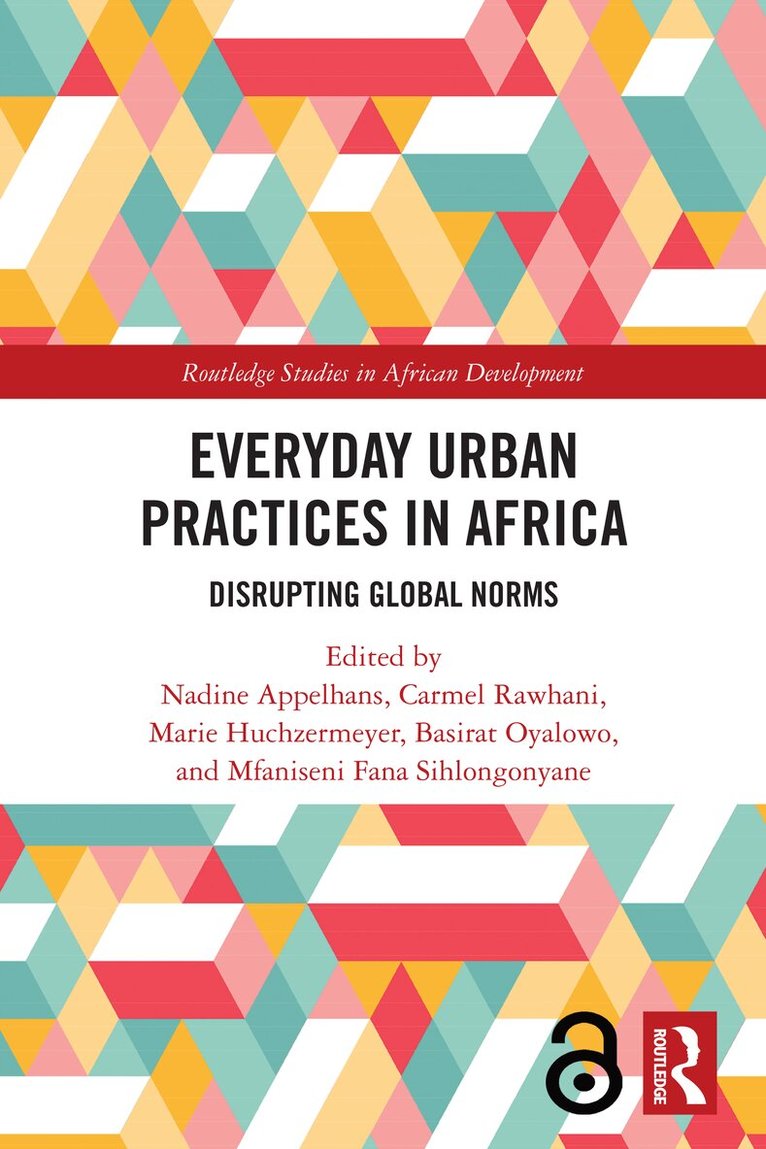
This book disrupts the dominant underlying international norms informing urban development strategies across African cities. International policy frameworks have created a new universal agenda for developing cities. However, these frameworks have also imposed global paradigms and discourses that are often in conflict with local urbanisms. As we approach the deadline for achieving the Sustainable Development Goals, there is need for reflection and deliberation on a post-2030 agenda.The authors identify powerful assumptions, norms, and positionalities that obfuscate the efforts to achieve sustainable development in African cities, as well as along the North–South divide. They argue that a disruptive critique of these normative concepts, grounded in the lived African urban everyday, opens up opportunities to dismantle their assumed neutrality. Through disruption, the authors critically re-interpret the meanings of policy and the praxis of local urbanism, ultimately challenging the logic of universalising concepts underpinning implementation in the current international policy system, and asserting the need for contextualised urban policies.The book will be of interest to scholars and students of urban studies, development planning, urban governance, human settlements, development studies, urban geography, and African studies. It will also be useful for practitioners including town and regional/urban planners, urban policy consultants, and international development cooperation agencies.The Open Access version of this book, available at http://www.taylorfrancis.com, has been made available under a Creative Commons Attribution-Non Commercial-No Derivatives (CC-BY-NC-ND) 4.0 license.
E-bok
PDF, Engelska, 2010443 kr
Läs direkt efter köp
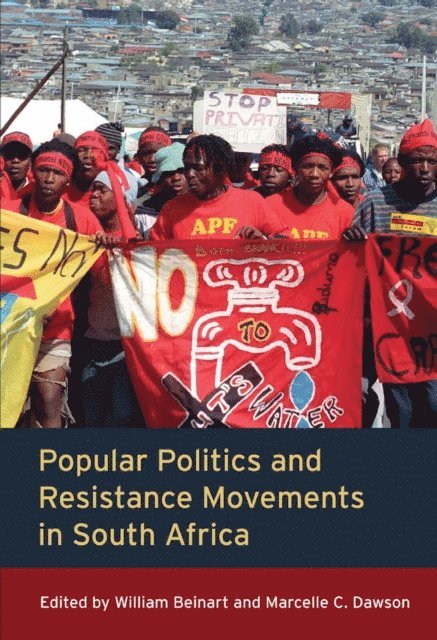
This volume explores some of the key features of popular politics and resistance before and after 1994. It looks at continuities and changes in the forms of struggle and ideologies involved, as well as the significance of post-apartheid grassroots politics. Is this a new form of politics or does it stand as a direct descendent of the insurrectionary impulses of the late apartheid era? Posing questions about continuity and change before and after 1994 raises key issues concerning the nature of power and poverty in the country. Contributors suggest that expressions of popular politics are deeply set within South African political culture and still have the capacity to influence political outcomes. The introduction by William Beinart links the papers together, places them in context of recent literature on popular politics and ‘history from below’ and summarises their main findings, supporting the argument that popular politics outside of the party system remain significant in South Africa and help influence national politics. The roots of this collection lie in post-graduate student research conducted at the University of Oxford in the early twenty-first century.
E-bok
Engelska, 2010443 kr
Läs direkt efter köp
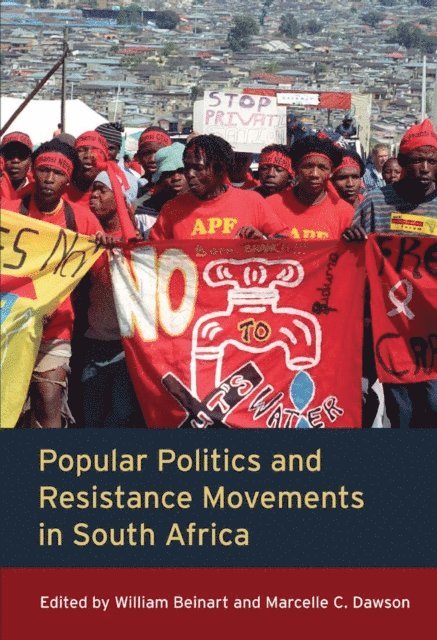
This volume explores some of the key features of popular politics and resistance before and after 1994. It looks at continuities and changes in the forms of struggle and ideologies involved, as well as the significance of post-apartheid grassroots politics. Is this a new form of politics or does it stand as a direct descendent of the insurrectionary impulses of the late apartheid era? Posing questions about continuity and change before and after 1994 raises key issues concerning the nature of power and poverty in the country. Contributors suggest that expressions of popular politics are deeply set within South African political culture and still have the capacity to influence political outcomes. The introduction by William Beinart links the papers together, places them in context of recent literature on popular politics and ‘history from below’ and summarises their main findings, supporting the argument that popular politics outside of the party system remain significant in South Africa and help influence national politics. The roots of this collection lie in post-graduate student research conducted at the University of Oxford in the early twenty-first century.