Slavomír Michálek - Böcker
Visar alla böcker från författaren Slavomír Michálek. Handla med fri frakt och snabb leverans.
7 produkter
7 produkter
Nazi Germany and the Role of the US in the Fate of Czechoslovak Monetary Gold
Inbunden, Engelska, 2023
1 524 kr
Skickas inom 10-15 vardagar
This book provides a detailed account of the Czechoslovak-American dispute that arose over monetary gold which was forcibly seized by Nazi Germany in the 1930s. After the Second World War, the Czechoslovak gold was found by the American armed forces in the salt mines in Merkers, Germany. Over the next 37 years, it became a part of complicated Czechoslovak-American relations, international economic trade, and political-ideological disputes and conflicts. Only in February 1982, after extensive diplomatic discussions, was a sufficient portion of the gold returned to the Czechoslovak State Bank in Prague. This book maps the story of this gold, how it was seized, blocked and finally, returned. Tracing the path of the monetary gold from its seizure by Nazi Germany in the 1930s to the last decade of the Cold War, the author outlines the main diplomatic steps taken to resolve the dispute, which framed the shape of bilateral relations between Communist Czechoslovakia and the USA.Offering a new contribution to the hisThis book provides a detailed account of the Czechoslovak-American dispute that arose over monetary gold which was forcibly seized by Nazi Germany in the 1930s. After the Second World War, the Czechoslovak gold was found by the American armed forces in the salt mines in Merkers, Germany. Over the next 37 years, it became a part of complicated Czechoslovak-American relations, international economic trade, and political-ideological disputes and conflicts. Only in February 1982, after extensive diplomatic discussions, was a sufficient portion of the gold returned to the Czechoslovak State Bank in Prague. This book maps the story of this gold, how it was seized, blocked and finally, returned. Tracing the path of the monetary gold from its seizure by Nazi Germany in the 1930s to the last decade of the Cold War, the author outlines the main diplomatic steps taken to resolve the dispute, which framed the shape of bilateral relations between Communist Czechoslovakia and the USA. Offering a new contribution to the history of the Second World War and shedding light on East-West relations during the Cold War period, this book will provide useful reading for those researching modern European history, the Cold War, and international history.
1 524 kr
Skickas inom 10-15 vardagar
This book provides a detailed account of the Czechoslovak-American dispute that arose over monetary gold which was forcibly seized by Nazi Germany in the 1930s. After the Second World War, the Czechoslovak gold was found by the American armed forces in the salt mines in Merkers, Germany. Over the next 37 years, it became a part of complicated Czechoslovak-American relations, international economic trade, and political-ideological disputes and conflicts. Only in February 1982, after extensive diplomatic discussions, was a sufficient portion of the gold returned to the Czechoslovak State Bank in Prague. This book maps the story of this gold, how it was seized, blocked and finally, returned. Tracing the path of the monetary gold from its seizure by Nazi Germany in the 1930s to the last decade of the Cold War, the author outlines the main diplomatic steps taken to resolve the dispute, which framed the shape of bilateral relations between Communist Czechoslovakia and the USA.Offering a new contribution to the hisThis book provides a detailed account of the Czechoslovak-American dispute that arose over monetary gold which was forcibly seized by Nazi Germany in the 1930s. After the Second World War, the Czechoslovak gold was found by the American armed forces in the salt mines in Merkers, Germany. Over the next 37 years, it became a part of complicated Czechoslovak-American relations, international economic trade, and political-ideological disputes and conflicts. Only in February 1982, after extensive diplomatic discussions, was a sufficient portion of the gold returned to the Czechoslovak State Bank in Prague. This book maps the story of this gold, how it was seized, blocked and finally, returned. Tracing the path of the monetary gold from its seizure by Nazi Germany in the 1930s to the last decade of the Cold War, the author outlines the main diplomatic steps taken to resolve the dispute, which framed the shape of bilateral relations between Communist Czechoslovakia and the USA. Offering a new contribution to the history of the Second World War and shedding light on East-West relations during the Cold War period, this book will provide useful reading for those researching modern European history, the Cold War, and international history.
1 045 kr
Skickas inom 5-8 vardagar
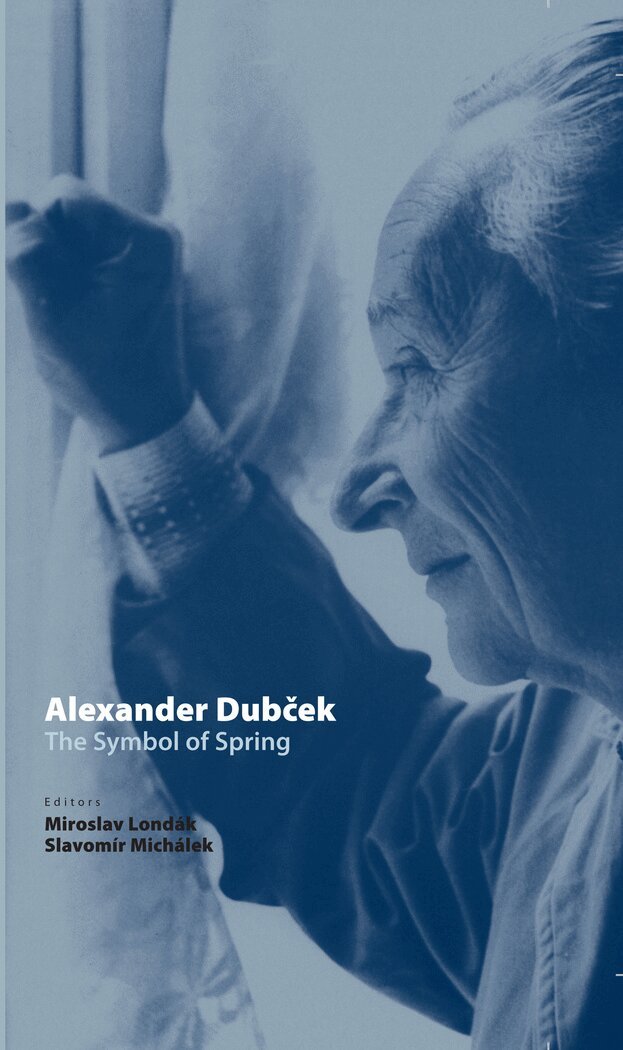
The book presents a detailed biography of Alexander Dubček, the icon of the “Czecho-Slovak Spring” in 1968. It aims to explain his decisions and intellectual development in the context of the turbulent development of the 20th century Central Europe. Dubčk’s importance went beyond Czechoslovak borders. His vision of the “socialism with the human face” secured him worldwide fame. At the end of the 1960s, he became a global symbol of the changes desired on both sides of the Iron Curtain. The short time of his leadership brought him and his country at the forefront of the global politics. The invasion of the Warsaw Pact into Czechoslovakia ended his political career and brought him 20 years of isolation. However, Dubčk’s popularity and infl uence in the European Left remained unchanged.
849 kr
Tillfälligt slut
825 kr
Skickas inom 5-8 vardagar
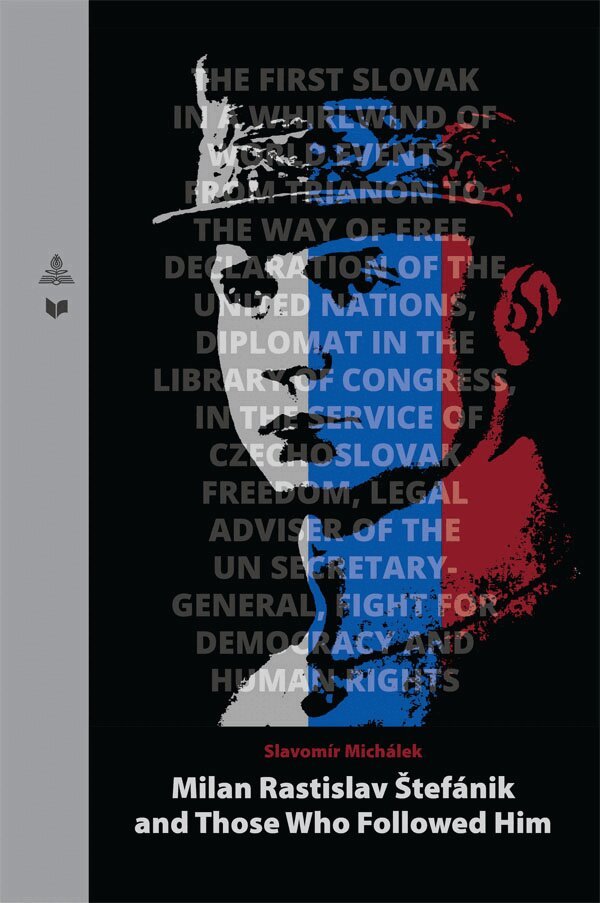
This book presents seven diplomats, seven Slovaks. Milan Rastislav Štefánik, Štefan Osuský, Vladimír S. Hurban, Vladimír M. Palic, Juraj Slávik, Ivan Krno and Ján Papánek. They were also authors, poets, soldiers, politicians, and international lawyers. They represent a selective and subjective sample of Czecho-Slovak diplomats in the fi rst half of the 20th century. The book is focused not only on them as men, but on their stories as well. Their chronicles provide insight into the era, relationships and situations which shaped their actions. These seven lives were linked by common characteristics such as strong national awareness, the fi ght for democracy and Czecho- Slovak statehood, as well as disgust with Nazi and Communist totalitarianism, and firm Lutheran roots. Modern Slovak history, whether viewed internally or in a Central-European or pan-European contexts, underwent dynamic transformation at the beginning of the 20th century.The entire world began to change and Slovaks were no exception. It is only natural for every nation or state to seek the roots of its national identity. As this identity is embodied by the people and personalities who created it, we perceive the past through their lives. It is a privilege that as a small European nation, Slovaks can say that their dignitaries have succeeded worldwide. It is a great honor that their work can be seen in the Treaty of Trianon, the Declaration of the United Nations, the UN Charter, and everywhere where the voice of freedom and democracy was rising.
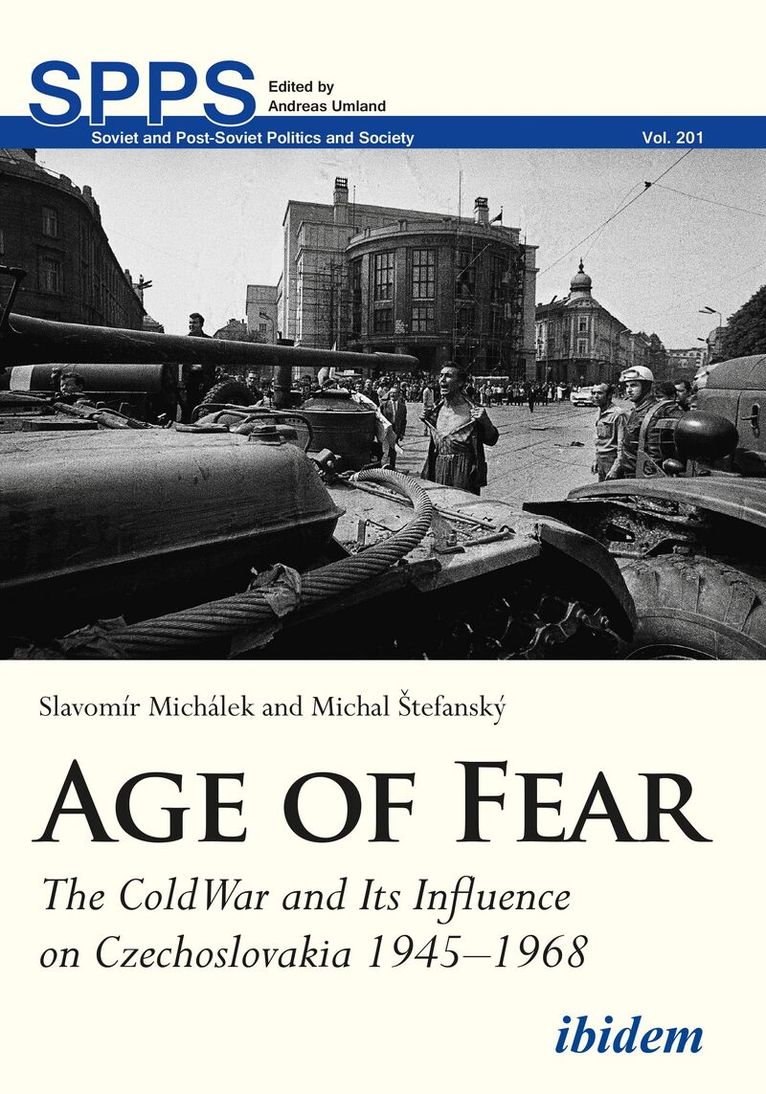
Del 201 - Soviet and Post-Soviet Politics and Society
Age of Fear
The Cold War and Its Influence on Czechoslovakia (1945–1968)
Häftad, Engelska, 2019
448 kr
Skickas inom 11-20 vardagar
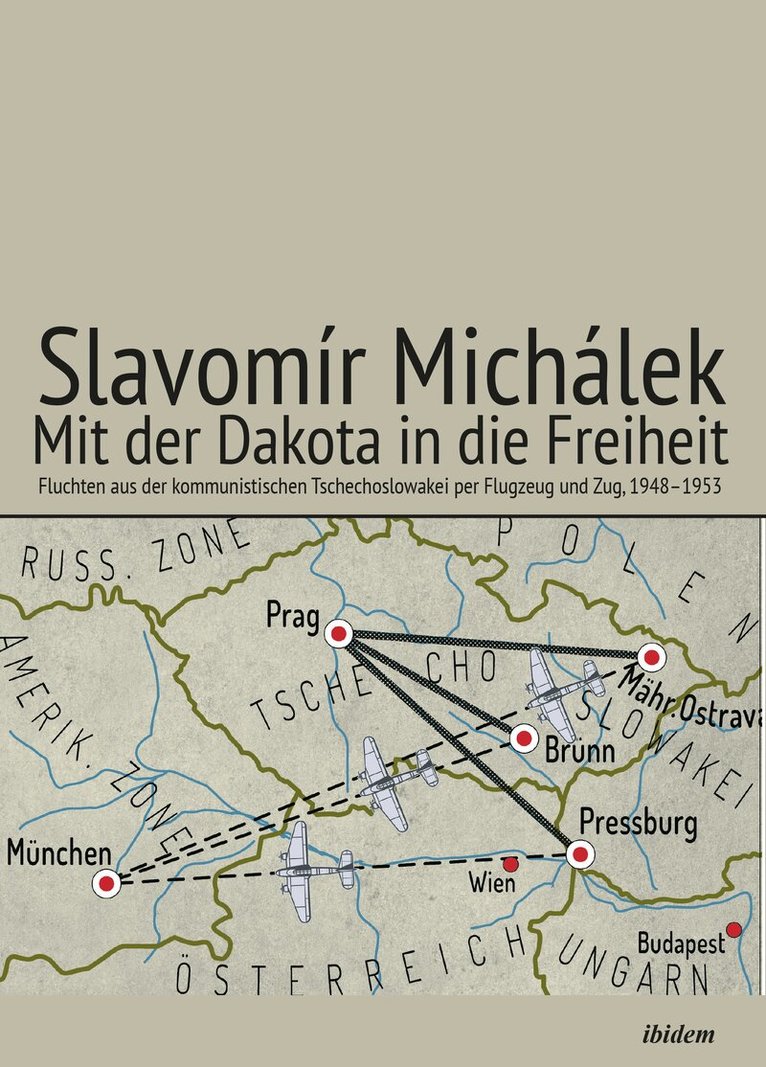
Mit der Dakota in die Freiheit
Fluchten aus der kommunistischen Tschechoslowakei per Flugzeug und Zug, 1948–1953
Inbunden, Tyska, 2021
573 kr
Skickas inom 11-20 vardagar