Somanjana Khatua – författare
Visar alla böcker från författaren Somanjana Khatua. Handla med fri frakt och snabb leverans.
9 produkter
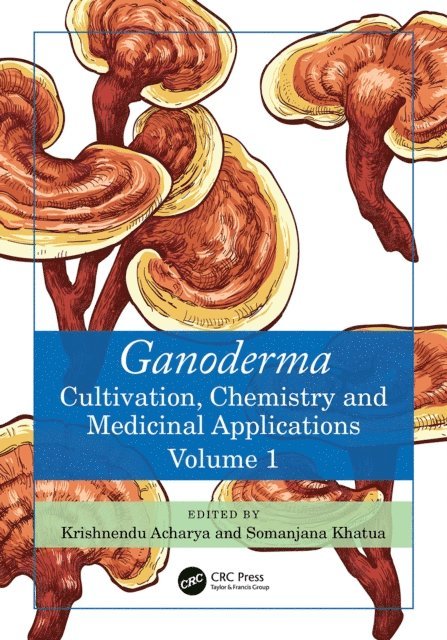
Ganoderma
Cultivation, Chemistry and Medicinal Applications, Volume 1
Av Somanjana Khatua, Krishnendu Acharya
E-bok, 2024
1052 kr
Lägg i varukorg
Ganoderma holds significant traditional importance in various ethnic cultures around the world, particularly in China, Japan, and Korea. Many indigenous traditions have incorporated Ganoderma into medicinal practices, being considered a symbol of longevity, vitality, and good health. At present, …
Ganoderma
Cultivation, Chemistry and Medicinal Applications, Volume 1
Av Somanjana Khatua, Krishnendu Acharya
E-bok, 2024
1052 kr
Lägg i varukorg
Ganoderma holds significant traditional importance in various ethnic cultures around the world, particularly in China, Japan, and Korea. Many indigenous traditions have incorporated Ganoderma into medicinal practices, being considered a symbol of longevity, vitality, and good health. At present, …
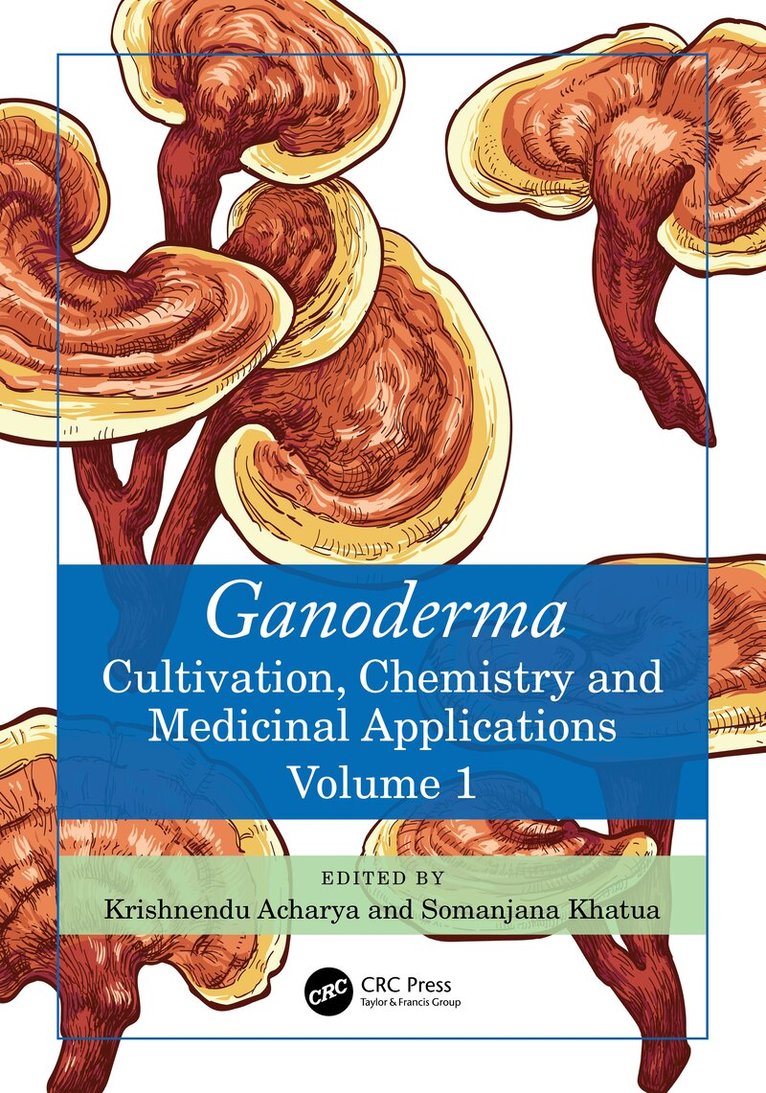
Ganoderma
Cultivation, Chemistry and Medicinal Applications, Volume 1
Av Krishnendu Acharya, Somanjana Khatua
Inbunden, 2024
2510 kr
Lägg i varukorg
Ganoderma holds significant traditional importance in various ethnic cultures around the world, particularly in China, Japan, and Korea. Many indigenous traditions have incorporated Ganoderma into medicinal practices, being considered a symbol of longevity, vitality, and good health. At present, …
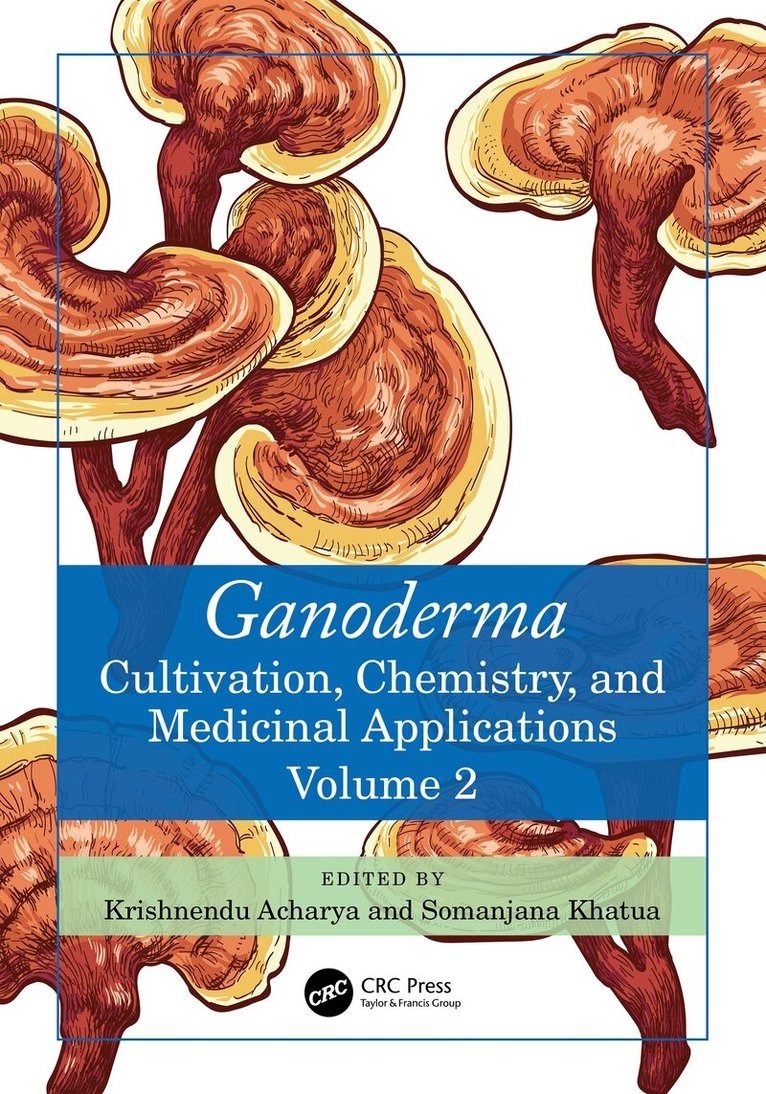
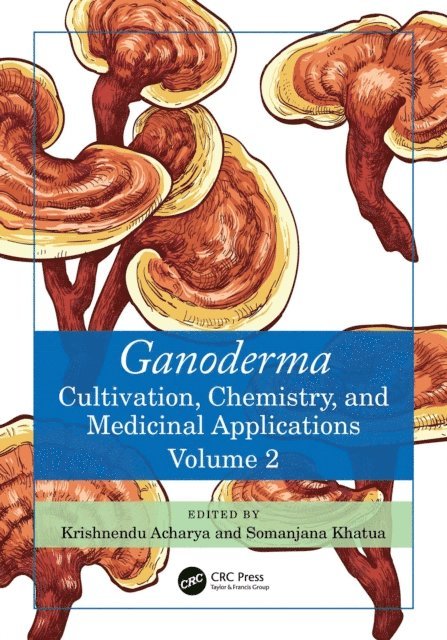
Ganoderma
Cultivation, Chemistry, and Medicinal Applications, Volume 2
Av Krishnendu Acharya, Somanjana Khatua
Inbunden, 2024
2132 kr
Lägg i varukorg
For the past two millennia, Ganoderma has been prized as the "mushroom of immortality" in ancient Asian cultures, owing to its health benefits. Modern research has further revealed that the genus is rich in bioactive components, including polysaccharides and triterpenoids, uncovering various …
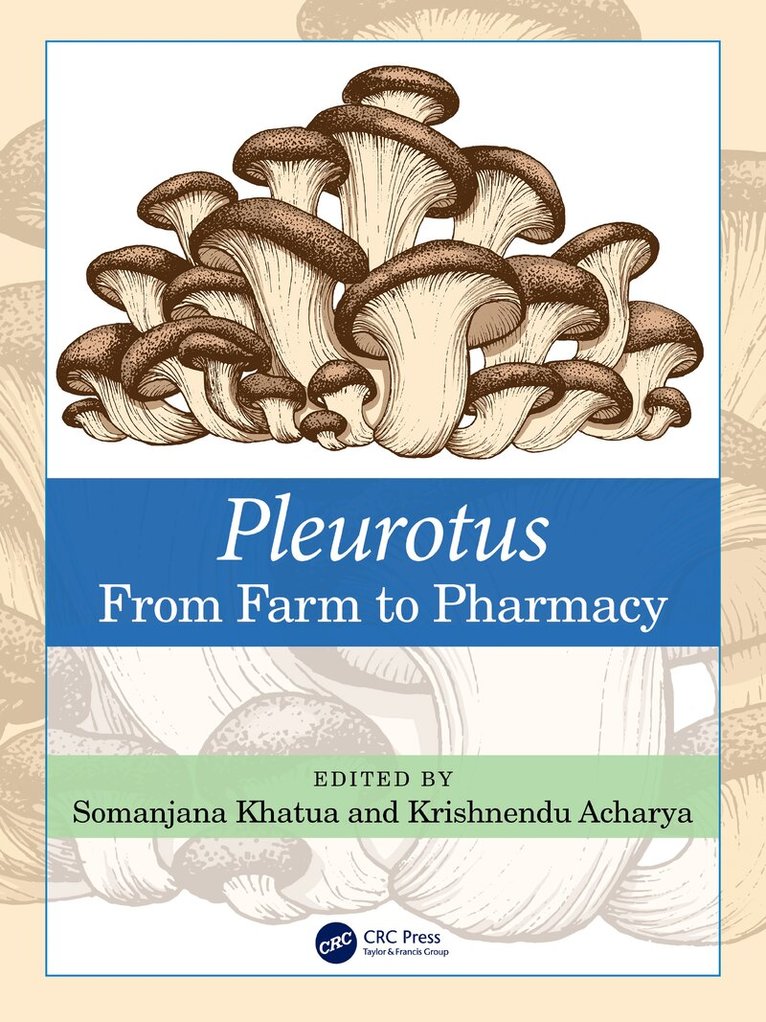
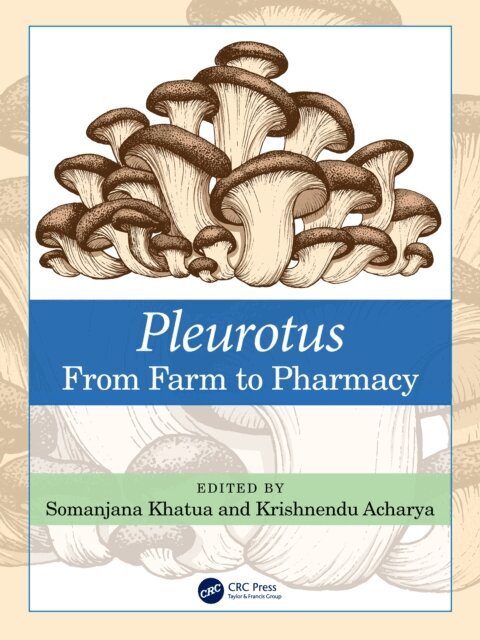
Pleurotus
From Farm to Pharmacy
Av Somanjana Khatua, Krishnendu Acharya
Inbunden, 2025
2132 kr
Lägg i varukorg
Long ago, Pleurotus mushrooms (commonly known as oyster mushrooms) were discovered growing naturally on decaying logs across Asia and Europe. Valued for their delicate flavor and revered in traditional medicine, they were believed to boost immunity and promote heart health. As the demand for …
Ganoderma
Cultivation, Chemistry, and Medicinal Applications, Volume 2
Av Somanjana Khatua, Krishnendu Acharya
E-bok, 2024
1030 kr
Lägg i varukorg
For the past two millennia, Ganoderma has been prized as the "mushroom of immortality" in ancient Asian cultures, owing to its health benefits. Modern research has further revealed that the genus is rich in bioactive components, including polysaccharides and triterpenoids, uncovering various …
Ganoderma
Cultivation, Chemistry, and Medicinal Applications, Volume 2
Av Somanjana Khatua, Krishnendu Acharya
E-bok, 2024
1052 kr
Lägg i varukorg
For the past two millennia, Ganoderma has been prized as the "mushroom of immortality" in ancient Asian cultures, owing to its health benefits. Modern research has further revealed that the genus is rich in bioactive components, including polysaccharides and triterpenoids, uncovering various …
Pleurotus
From Farm to Pharmacy
Av Krishnendu Acharya, Somanjana Khatua
E-bok, 2025
1000 kr
Lägg i varukorg
Long ago, Pleurotus mushrooms (commonly known as oyster mushrooms) were discovered growing naturally on decaying logs across Asia and Europe. Valued for their delicate flavor and revered in traditional medicine, they were believed to boost immunity and promote heart health. As the demand for …
Pleurotus
From Farm to Pharmacy
Av Krishnendu Acharya, Somanjana Khatua
E-bok, 2025
1022 kr
Lägg i varukorg
Long ago, Pleurotus mushrooms (commonly known as oyster mushrooms) were discovered growing naturally on decaying logs across Asia and Europe. Valued for their delicate flavor and revered in traditional medicine, they were believed to boost immunity and promote heart health. As the demand for …