Sonja Kmec – författare
Visar alla böcker från författaren Sonja Kmec. Handla med fri frakt och snabb leverans.
6 produkter
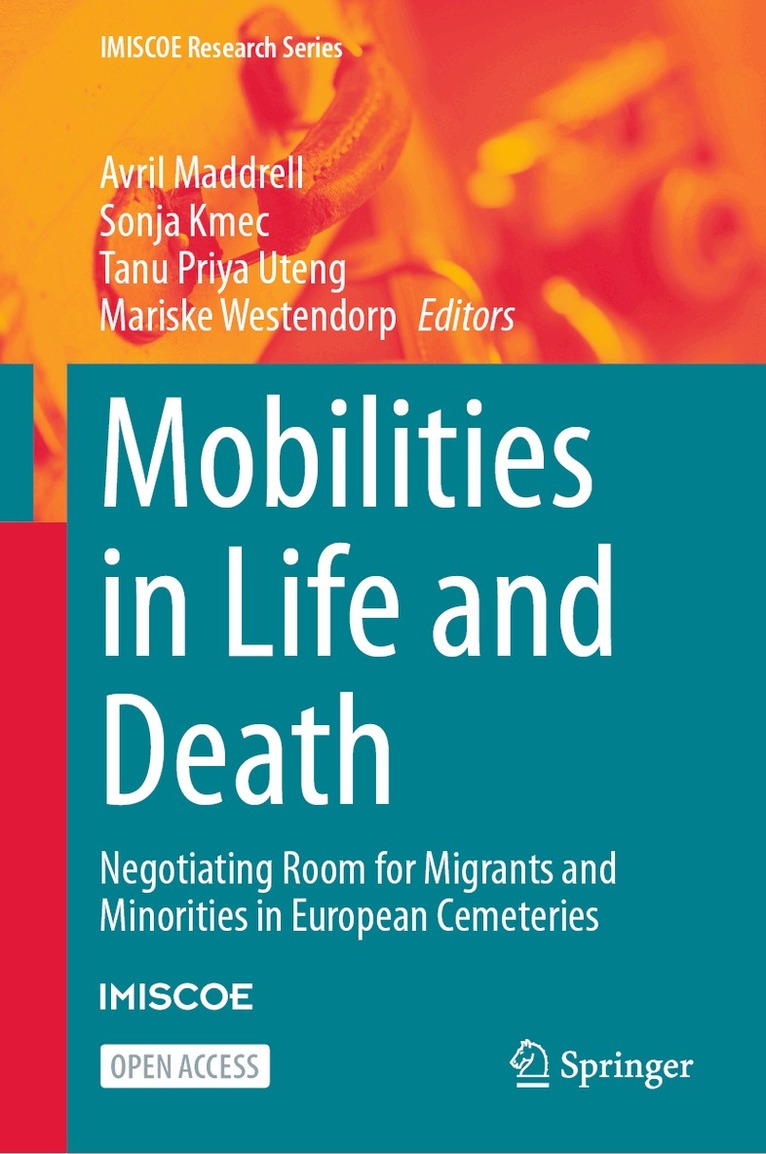
Mobilities in Life and Death
Negotiating Room for Migrants and Minorities in European Cemeteries
Av Avril Maddrell, Sonja Kmec m. fl.
Inbunden, 2023
552 kr
Lägg i varukorg
This open access book focuses on migrant and minority cemetery needs through the conceptual lens of the mobilities of the living and the dead. In doing so, the book brings migration and mobility studies into much-needed dialogue with death studies to explore the symbolically and politically …
Mobilities in Life and Death
Negotiating Room for Migrants and Minorities in European Cemeteries
Av Avril Maddrell, Sonja Kmec m. fl.
Häftad, 2023
443 kr
Lägg i varukorg
This open access book focuses on migrant and minority cemetery needs through the conceptual lens of the mobilities of the living and the dead. In doing so, the book brings migration and mobility studies into much-needed dialogue with death studies to explore the symbolically and politically …
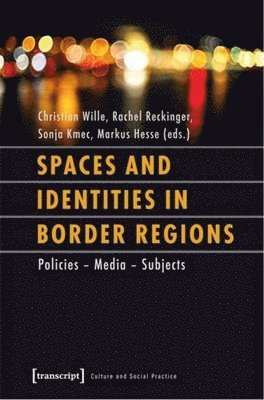
Spaces and Identities in Border Regions – Policies – Media – Subjects
Av Christian Wille, Rachel Reckinger m. fl.
Häftad, 2021
447 kr
Lägg i varukorg
Spatial and identity research operates with differentiations and relations. These are particularly useful heuristic tools when examining border regions where social and geopolitical demarcations diverge. Applying this approach, the authors of this volume investigate spatial and identity …
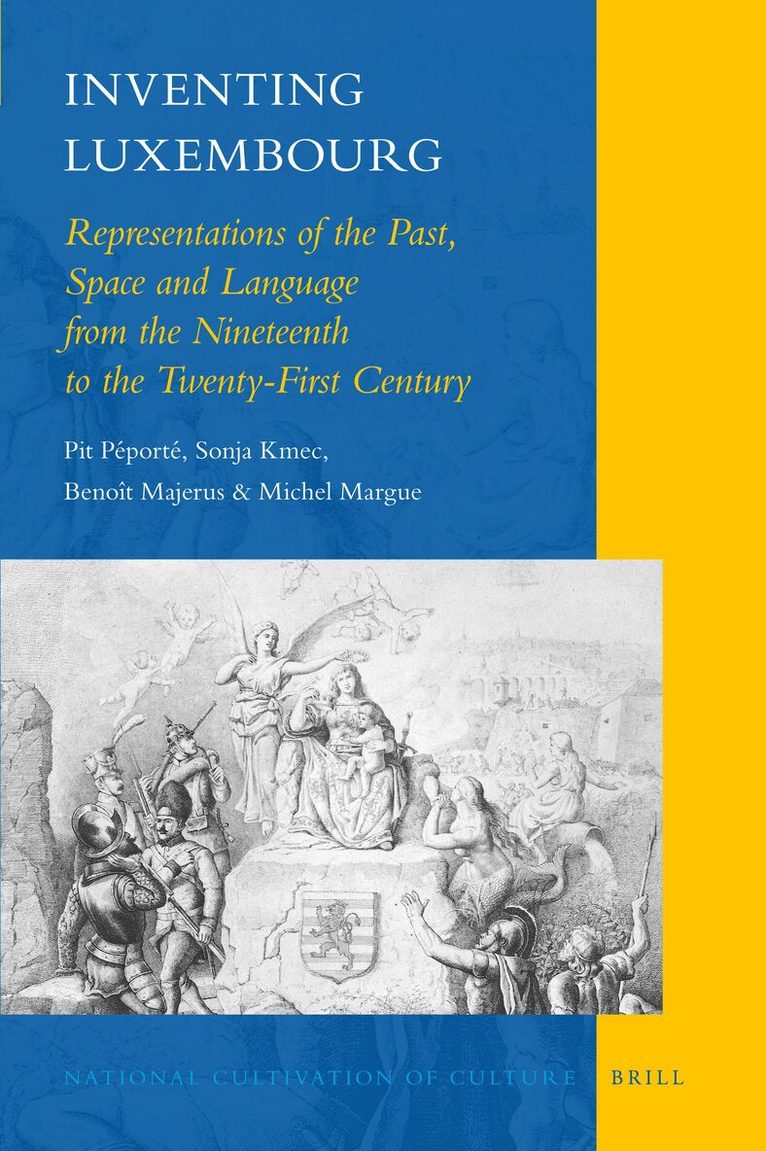
Inventing Luxembourg
Representations of the Past, Space and Language from the Nineteenth to the Twenty-First Century
Av Pit Péporté, Sonja Kmec m. fl.
Inbunden, 2010
1009 kr
Lägg i varukorg
The grand duchy of Luxembourg was created after the Napoleonic Wars, but at the time there was no 'nation' that identified with the emergent state. This book analyses how politicians, scholars and artists have initiated and contributed to nation-building processes in Luxembourg since the nineteenth …
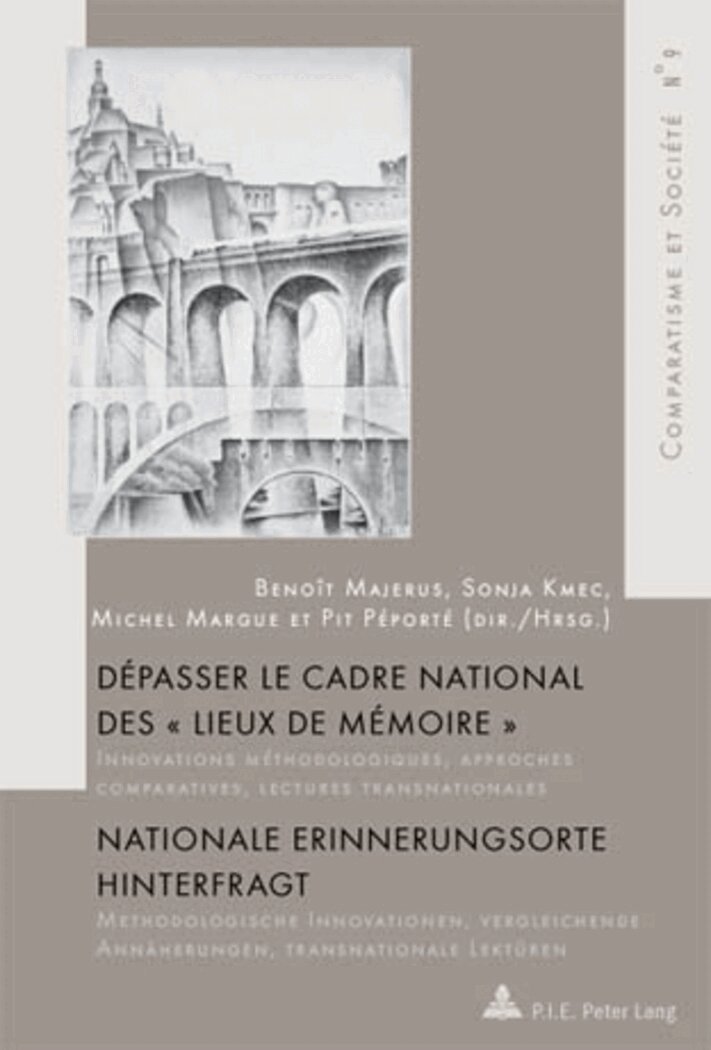
Dépasser le cadre national des « Lieux de mémoire » / Nationale Erinnerungsorte hinterfragt
Innovations méthodologiques, approches comparatives, lectures transnationales / Methodologische Innovationen, vergleichende Annaeherungen, transnationale Lektueren
Av Majerus-B, Sonja Kmec m. fl.
Häftad, 2009
1091 kr
Lägg i varukorg
Les « lieux de mémoire » lancés par Pierre Nora dans les années 1980 ont connu un grand succès dans différentes historiographies européennes. Le présent ouvrage veut faire sortir ce concept du cadre national dans lequel il reste encore trop souvent enfermé.Ce désenclavement passe par une ouverture …