Soo-Cheol Lee – författare
Visar alla böcker från författaren Soo-Cheol Lee. Handla med fri frakt och snabb leverans.
8 produkter
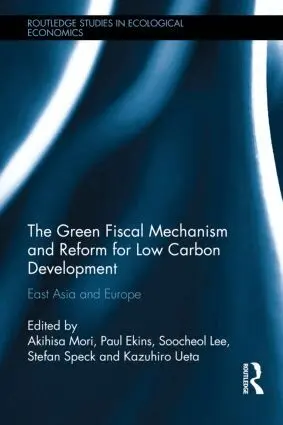
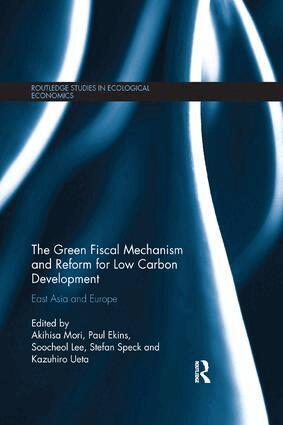
Green Fiscal Mechanism and Reform for Low Carbon Development
East Asia and Europe
Av Akihisa Mori, Paul Ekins m. fl.
Inbunden, 2013
2749 kr
Lägg i varukorg
This book reviews how far East Asian nations have implemented green fiscal reform, and show how they can advance carbon-energy tax reform to realize low carbon development, with special reference to European policy and experience.East Asian nations are learning European experiences to adopt them in …
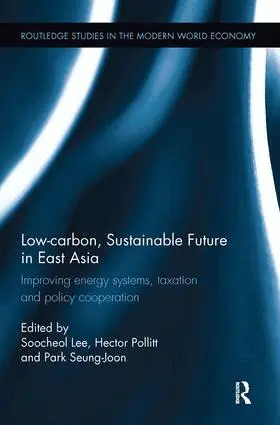
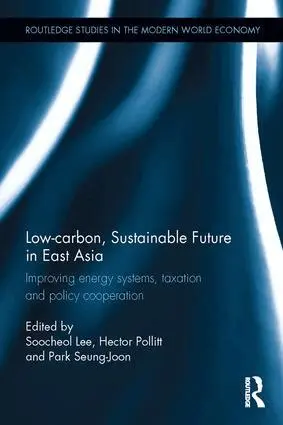
Low-carbon, Sustainable Future in East Asia
Improving energy systems, taxation and policy cooperation
Av Soo-Cheol Lee, Hector Pollitt m. fl.
Häftad, 2017
773 kr
Lägg i varukorg
East Asia is a key region in the global economy, including both the second and third largest global economies already and, led by China, continuing to expand at a rapid rate. This economic growth has led to unprecedented gains in prosperity in the region but it has also led to increasing …
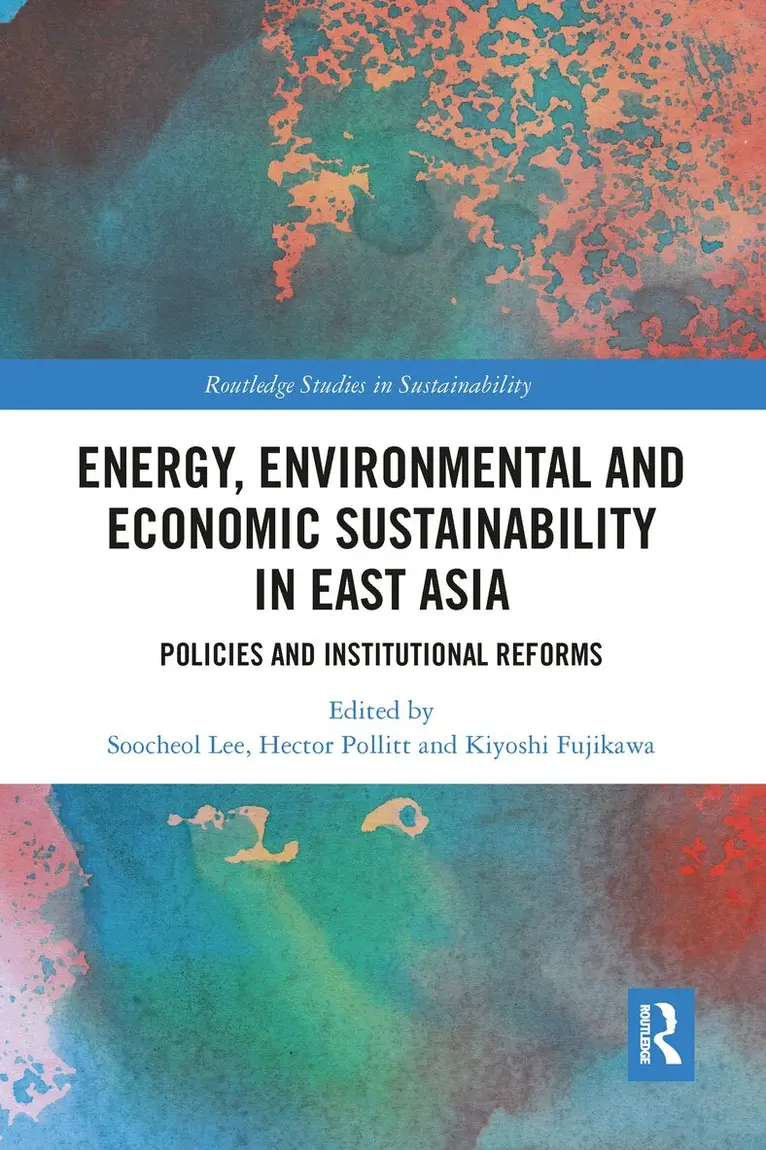
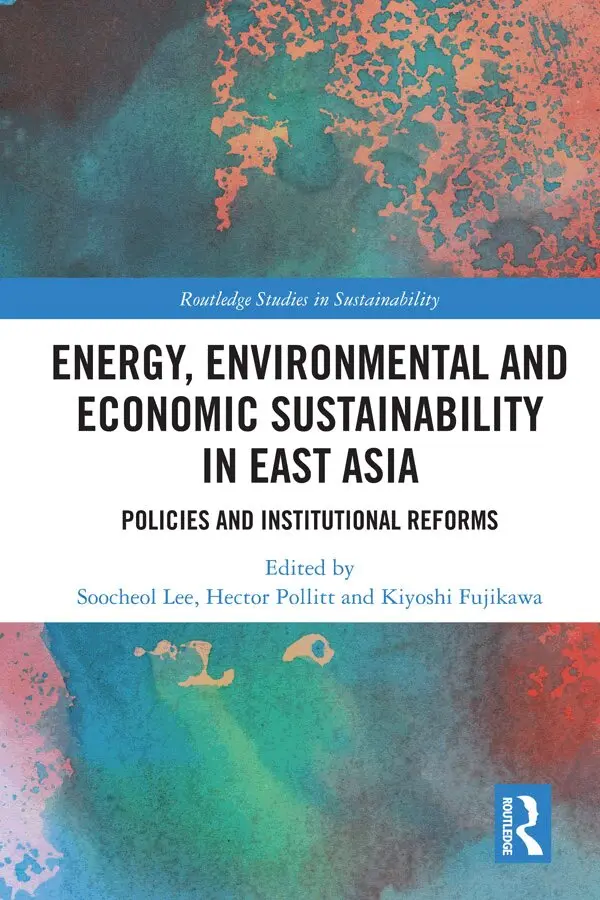
Energy, Environmental and Economic Sustainability in East Asia
Policies and Institutional Reforms
Av Soo-Cheol Lee, Hector Pollitt m. fl.
Häftad, 2021
692 kr
Lägg i varukorg
This book looks at institutional reforms for the use of energy, water and resources toward a sustainable future in East Asia. The book argues that developments in the East Asian region are critical to global sustainability and acknowledges that there is an increasing degree of mutual reliance among …
Green Fiscal Mechanism and Reform for Low Carbon Development
East Asia and Europe
Av Kazuhiro Ueta, Soo-Cheol Lee m. fl.
E-bok, 2013
890 kr
Lägg i varukorg
This book reviews how far East Asian nations have implemented green fiscal reform, and show how they can advance carbon-energy tax reform to realize low-carbon development, with special reference to European policy and experience. East Asian nations are learning European experiences to adopt them …
Energy, Environmental and Economic Sustainability in East Asia
Policies and Institutional Reforms
Av Soo-Cheol Lee, Hector Pollitt m. fl.
Inbunden, 2019
2515 kr
Lägg i varukorg
This book looks at institutional reforms for the use of energy, water and resources toward a sustainable future in East Asia. The book argues that developments in the East Asian region are critical to global sustainability and acknowledges that there is an increasing degree of mutual reliance among …
Low-carbon, Sustainable Future in East Asia
Improving energy systems, taxation and policy cooperation
Av Soo-Cheol Lee, Hector Pollitt m. fl.
Inbunden, 2015
2831 kr
Lägg i varukorg
East Asia is a key region in the global economy, including both the second and third largest global economies already and, led by China, continuing to expand at a rapid rate. This economic growth has led to unprecedented gains in prosperity in the region but it has also led to increasing …
Green Fiscal Mechanism and Reform for Low Carbon Development
East Asia and Europe
Av Akihisa Mori, Paul Ekins m. fl.
Häftad, 2018
751 kr
Lägg i varukorg
This book reviews how far East Asian nations have implemented green fiscal reform, and show how they can advance carbon-energy tax reform to realize low carbon development, with special reference to European policy and experience.East Asian nations are learning European experiences to adopt them in …
Energy, Environmental and Economic Sustainability in East Asia
Policies and Institutional Reforms
Av Kiyoshi Fujikawa, Hector Pollitt m. fl.
E-bok, 2019
814 kr
Lägg i varukorg
This book looks at institutional reforms for the use of energy, water and resources toward a sustainable future in East Asia. The book argues that developments in the East Asian region are critical to global sustainability and acknowledges that there is an increasing degree of mutual reliance among …