Akihisa Mori - Böcker
Visar alla böcker från författaren Akihisa Mori. Handla med fri frakt och snabb leverans.
12 produkter
12 produkter
698 kr
Skickas inom 10-15 vardagar
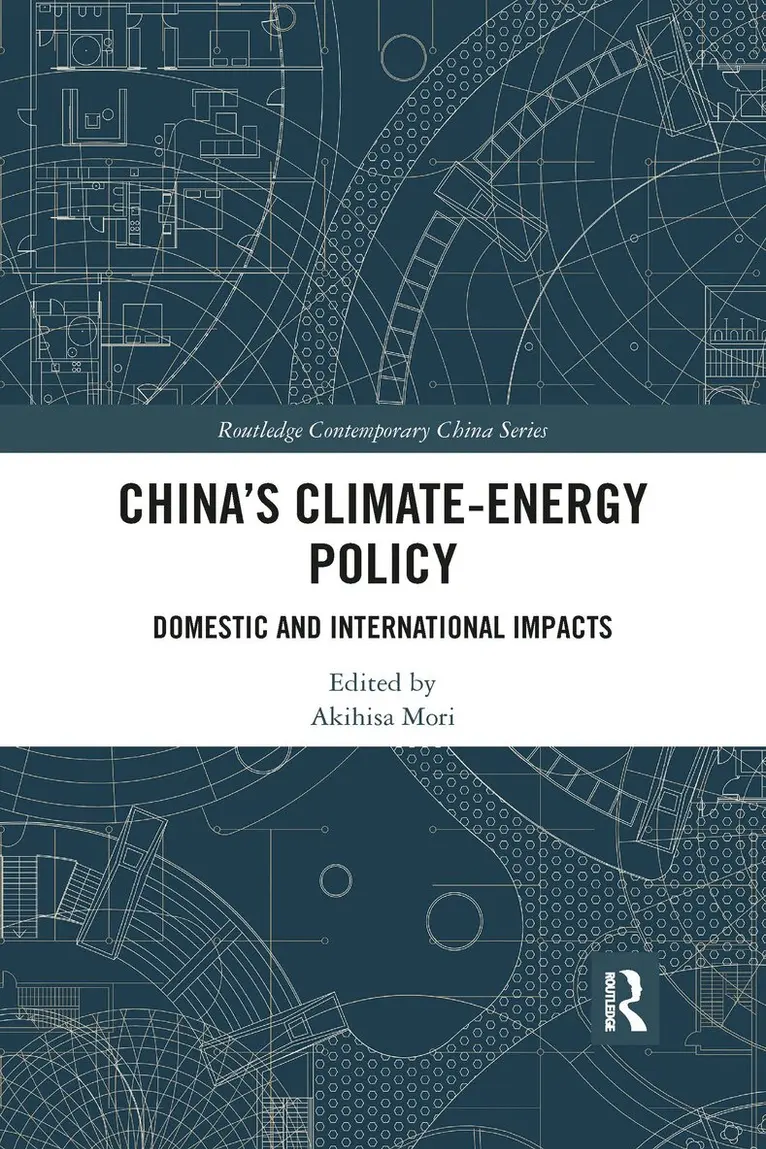
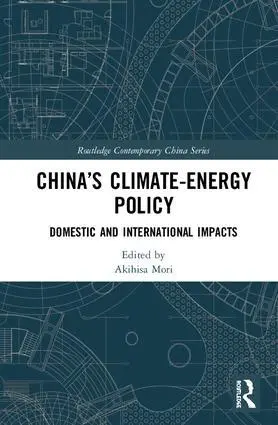
China’s recent climate-energy policy, an outcome of contemporary challenges, has generated conflict of interest amongst major stakeholders. Coupled with a boost in demand for oil, gas and coal, as well as a rapid growth in wind and solar power, it has not only affected domestic fossil fuel and renewable energy providers, but has also provoked a resource boom, affecting development pathways internationally. This book therefore seeks to examine the economic, social and ecological effects associated with China’s climate-energy policy. Assessing how the policy has been and will be formulated and implemented, it analyses the changing use of energy, CO2 emissions and GDP, as well as social and environmental impacts both domestically and internationally. It presents in-depth case studies on specific policies in China and on its resource exporting countries, such as Indonesia, Australia, Myanmar and Mongolia. At the same time, using quantitative data, it provides detailed input-output and applied computable general equilibrium analyses. Arguing that China has actively advanced its climate-energy policy to become a leader of global climate governance, it demonstrates that China ultimately relocates the cost of its climate-energy policy to resource exporting countries.This book will be of great interest to students and scholars of energy, the environment and sustainability, as well as Chinese Studies and economics.
Green Fiscal Mechanism and Reform for Low Carbon Development
East Asia and Europe
Inbunden, Engelska, 2013
2 289 kr
Skickas inom 10-15 vardagar
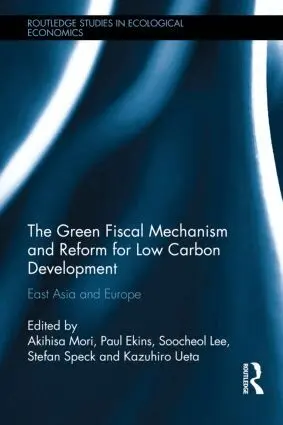
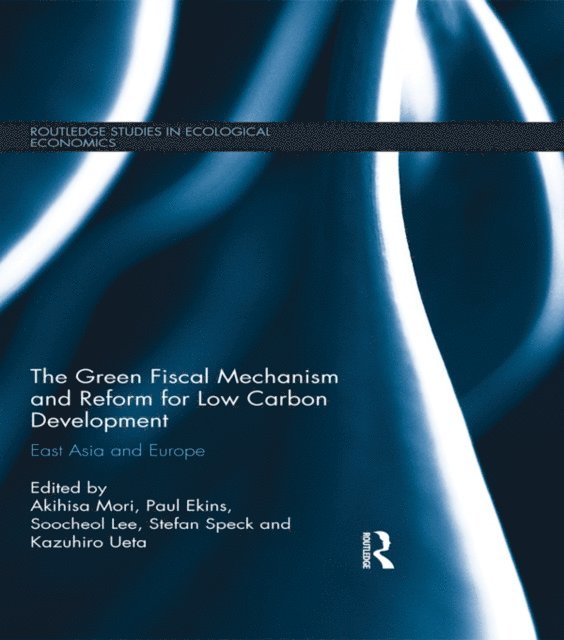
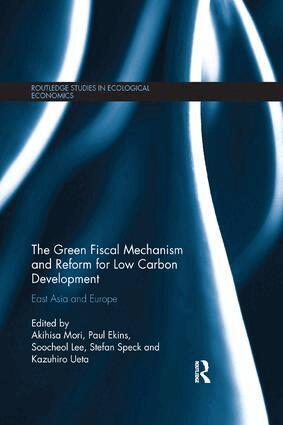
This book reviews how far East Asian nations have implemented green fiscal reform, and show how they can advance carbon-energy tax reform to realize low carbon development, with special reference to European policy and experience.East Asian nations are learning European experiences to adopt them in their political, economic and institutional contexts. However, implementation has been slow in practice, partly due to low acceptability that comes from the same concerns as in Europe, and partly due to weak institutional arrangements for the reform. The slow progress in the revenue side turns our eyes to the expenditure side: how East Asian nations have increased environmental-related expenditures, and how far they have greened sectorial expenditures. This "lifecycle" assessment of fiscal reform, coupled with the assessment of the institutional arrangement constitutes the features of this book.The book helps to provide an overall picture of green fiscal reform and carbon-energy tax reform in the East Asian region. The region has a variety of countries, from lowest income to high income nations. Nations have different interests in substance and barriers for reform. This book covers recent development of environmental fiscal reform and carbon-energy taxation in wider nations in the region, including South Korea, Taiwan, Thailand, Vietnam, Indonesia and Japan. In addition, the book’s holistic view helps to understand why a specific nation has interest and concern on some aspects of the reforms.
Del 170 - International Review of Neurobiology
Adenosine A2A Receptor Antagonists
Inbunden, Engelska, 2023
2 320 kr
Skickas inom 7-10 vardagar
Adenosine A2A Receptor Antagonists, Volume 170 in the International Review of Neurobiology series highlights new advances in the field, with this new volume presenting interesting chapters on a variety of timely topics, including A2A Adenosine Receptor Agonists, Antagonists, Inverse Agonists and Partial Agonist, Chemistry - agonists, antagonists, partial agonists, inverse agonists, Functional roles of adenosine receptors - biochemistry and neuronal plasticity, A2A and Depression, A2AR and glial function, The adenosine A2A receptor in the basal ganglia: expression in health and disease, heteromerization, functional selectivity and signaling, How and why A2a receptor become to be a therapeutic target in Parkinson's disease therapy, and much more. Provides the authority and expertise of leading contributors from an international board of authors Presents the latest release in the International Review of Neurobiology Updated release includes the latest information on Adenosine A2A Receptor Antagonists
1 390 kr
Skickas inom 7-10 vardagar
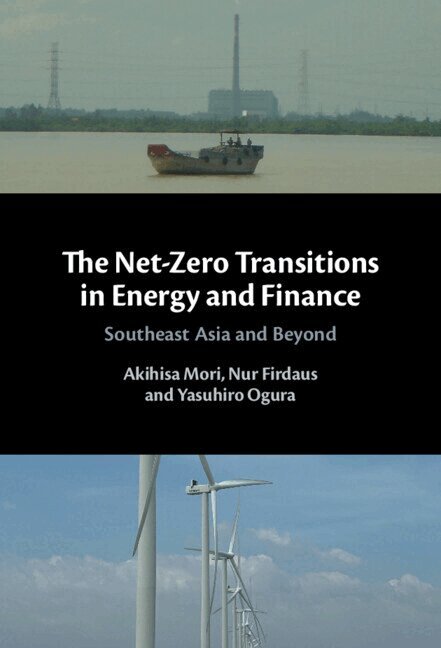
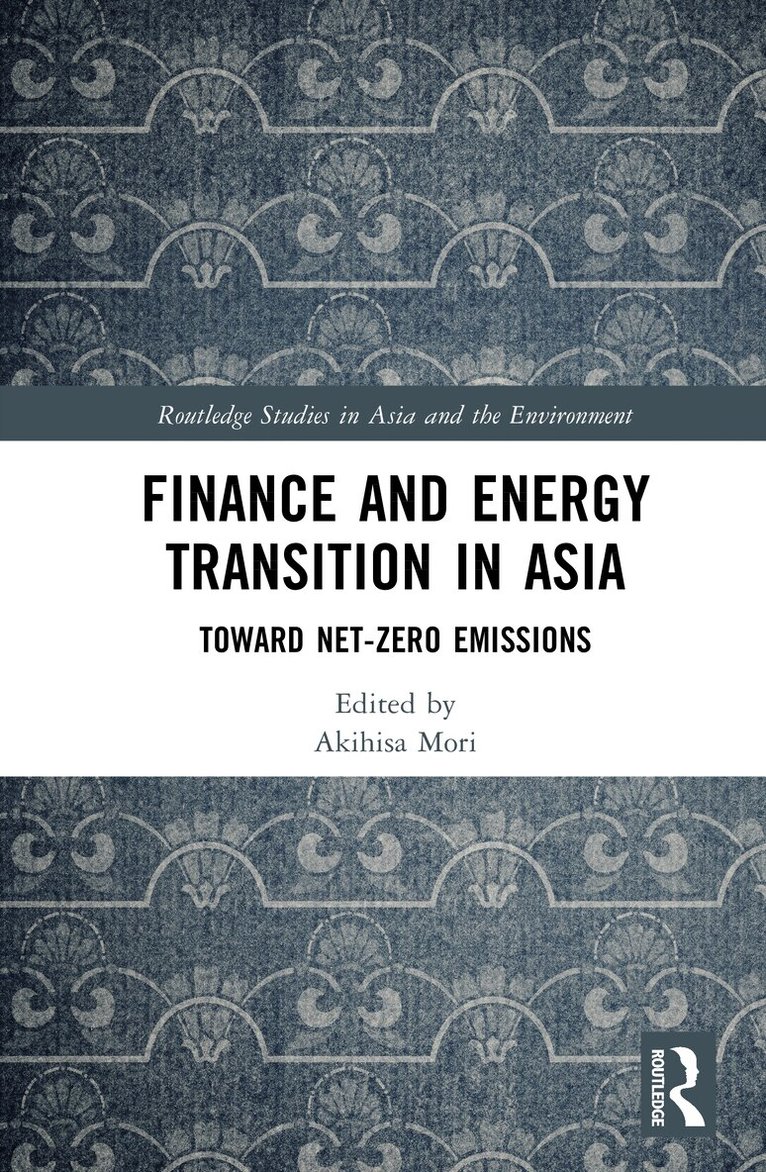
Since the United States hosted the Leaders' Summit on Climate in 2021, numerous countries have committed to net-zero emission targets. Given the size of their economies, populations, and greenhouse gas emissions, emerging markets and developing economies in South, East, and Southeast Asia will play a key role in determining whether or not these targets are achieved. The Net-Zero Transitions in Energy and Finance focuses on the net-zero transition in Southeast Asia and applies the lessons learned to other major emerging markets and developing economies. It argues that net-zero emission targets require not only synchronised changes of the complementary elements in energy systems but also in the financial institutions that fund and invest in facilitating system transitions. Proposing novel frameworks for analysing electricity system transitions with empirical evidence, this book identifies enabling factors, drivers, and barriers, and offers solutions for overcoming the challenges of multi-sector transitions.
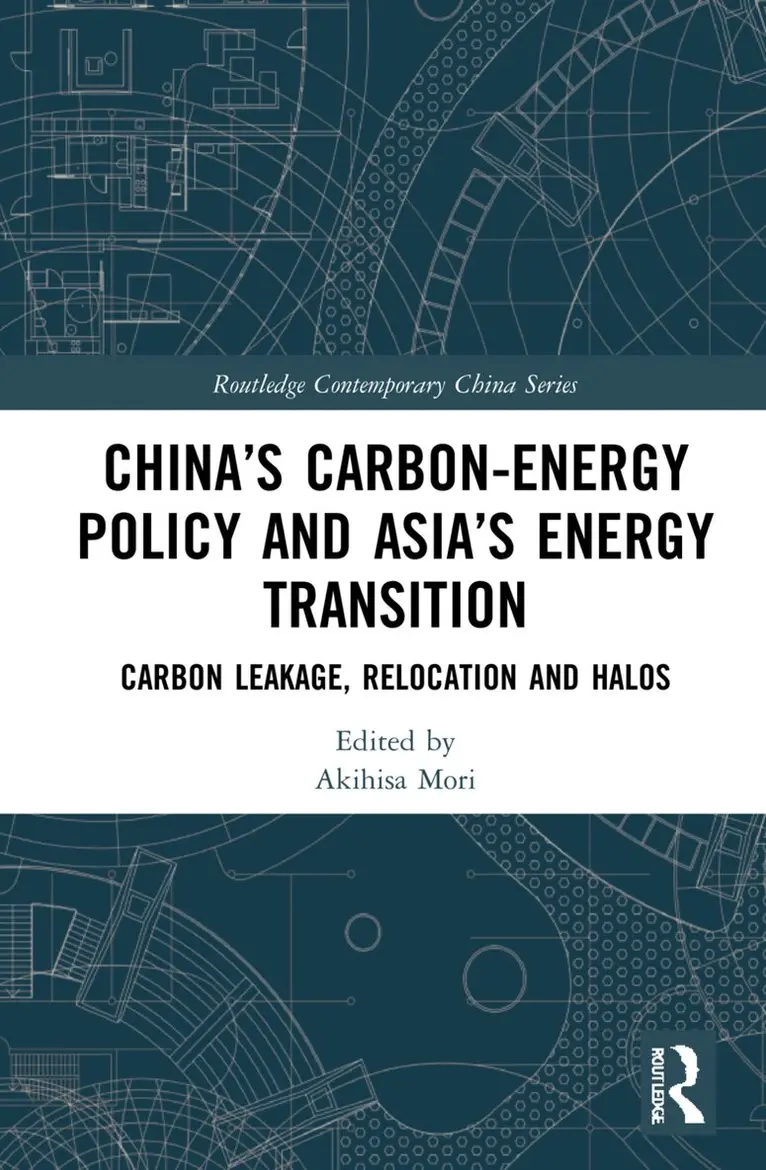
China’s Carbon-Energy Policy and Asia’s Energy Transition
Carbon Leakage, Relocation and Halos
Inbunden, Engelska, 2021
2 088 kr
Skickas inom 10-15 vardagar
This book seeks to examine the impacts associated with China’s carbon-energy policy in Asia and how, coupled with the Belt and Road Initiative, these effects prompt foreign direct investments in coal power and exports of renewable energy technologies.China shows a co-evolution of carbon-energy policy and energy transitions from coal to renewables. Assessing how the policy intensifies pressures and motivations to Chinese companies, chapters in this edited volume analyse how the policy has changed energy and CO2 emissions in Asia through the lens of carbon leakage, relocation, and halos. Contributors present in-depth studies on China’s investments and exports, and also its impacts on Indonesia, India, Vietnam, and Japan. Using applied computable general equilibrium and scenario input-output analyses, chapters investigate if regional electricity connectivity reduces new coal power investments through efficiency gain. Arguing that China is shifting from the world’s factory to the leading innovator and Asia's demand centre, it is ultimately demonstrated that China is likely to achieve climate targets whereas Asia to increase CO2 emissions and economic reliance on China.China’s Carbon-Energy Policy and Asia’s Energy Transition will be of significant interest to students and scholars of energy, environment, and sustainability studies, as well as Chinese studies and economics.
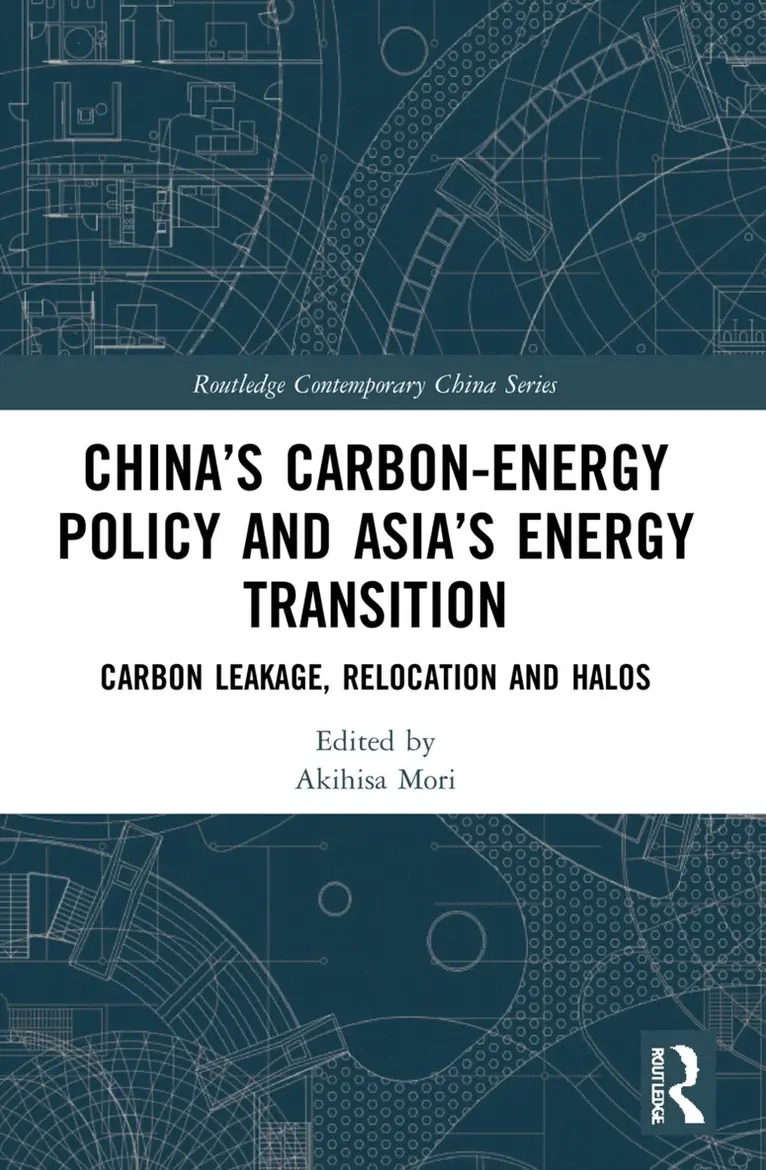
China’s Carbon-Energy Policy and Asia’s Energy Transition
Carbon Leakage, Relocation and Halos
Häftad, Engelska, 2023
617 kr
Skickas inom 10-15 vardagar
This book seeks to examine the impacts associated with China’s carbon-energy policy in Asia and how, coupled with the Belt and Road Initiative, these effects prompt foreign direct investments in coal power and exports of renewable energy technologies.China shows a co-evolution of carbon-energy policy and energy transitions from coal to renewables. Assessing how the policy intensifies pressures and motivations to Chinese companies, chapters in this edited volume analyse how the policy has changed energy and CO2 emissions in Asia through the lens of carbon leakage, relocation, and halos. Contributors present in-depth studies on China’s investments and exports, and also its impacts on Indonesia, India, Vietnam, and Japan. Using applied computable general equilibrium and scenario input-output analyses, chapters investigate if regional electricity connectivity reduces new coal power investments through efficiency gain. Arguing that China is shifting from the world’s factory to the leading innovator and Asia's demand centre, it is ultimately demonstrated that China is likely to achieve climate targets whereas Asia to increase CO2 emissions and economic reliance on China.China’s Carbon-Energy Policy and Asia’s Energy Transition will be of significant interest to students and scholars of energy, environment, and sustainability studies, as well as Chinese studies and economics.
2 088 kr
Skickas inom 10-15 vardagar
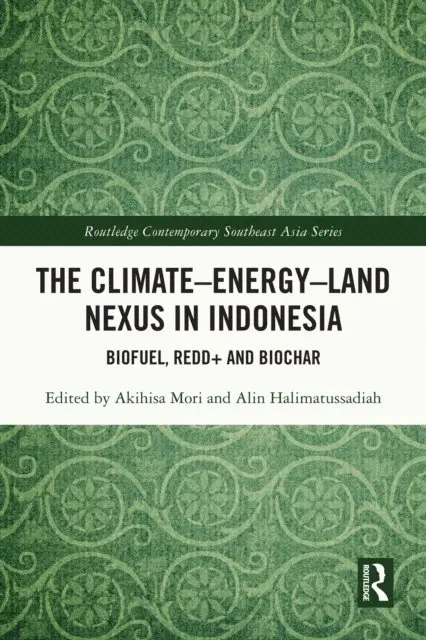
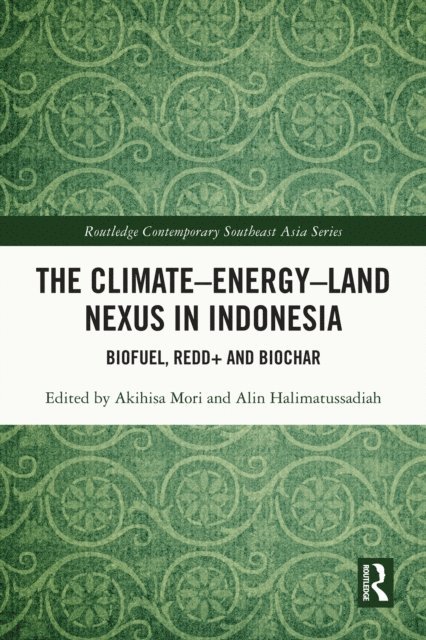
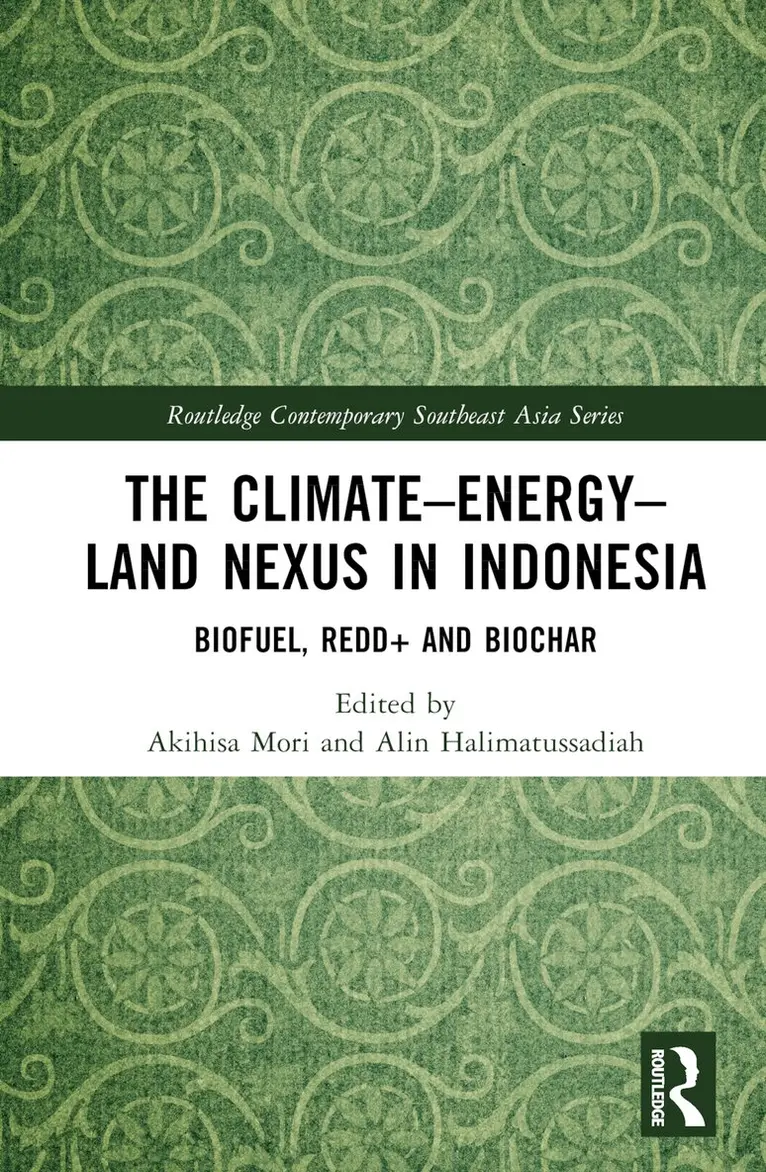
This book extends the framework of the climate-energy-land nexus to elucidate political, economic, social, and institutional factors and causal mechanisms that stringent climate targets bring about, rather than mitigate a disproportional heavy burden on the forest sector in Indonesia.Assessing climate, energy, agricultural, forest, and transmigration policies, and REDD+ and biochar solutions through a multidisciplinary approach, ranging from biological, agricultural, technological, economic, and institutional lenses, the book identifies the political-economic and socio-technical regimes that cause the crosssectoral transfer of responsibility for greenhouse gas emissions to palm-oil-based biofuel, imposing an excess burden on the forest sector and accelerating indirect land-use change. It also proposes possible countermeasures for agricultural and forest sectors, reconfirming that technical applications and integrated policymaking should trigger the socioeconomic changes that will make transformative change happen in Indonesia.As an analysis of the success, or otherwise, of stringent climate targets, policies, and technological and non-technological measures on the reduction of greenhouse gases, this book will be of great interest to students and scholars in the fields of environment & sustainability, Asian studies, energy, environment and agriculture, forestry, and agriculture & environmental sciences. It will also appeal to practitioners and policymakers tackling net-zero emissions and land and forest governance.
630 kr
Skickas inom 10-15 vardagar
This book extends the framework of the climate-energy-land nexus to elucidate political, economic, social, and institutional factors and causal mechanisms that stringent climate targets bring about, rather than mitigate a disproportional heavy burden on the forest sector in Indonesia.Assessing climate, energy, agricultural, forest, and transmigration policies, and REDD+ and biochar solutions through a multidisciplinary approach, ranging from biological, agricultural, technological, economic, and institutional lenses, the book identifies the political-economic and socio-technical regimes that cause the crosssectoral transfer of responsibility for greenhouse gas emissions to palm-oil-based biofuel, imposing an excess burden on the forest sector and accelerating indirect land-use change. It also proposes possible countermeasures for agricultural and forest sectors, reconfirming that technical applications and integrated policymaking should trigger the socioeconomic changes that will make transformative change happen in Indonesia.As an analysis of the success, or otherwise, of stringent climate targets, policies, and technological and non-technological measures on the reduction of greenhouse gases, this book will be of great interest to students and scholars in the fields of environment & sustainability, Asian studies, energy, environment and agriculture, forestry, and agriculture & environmental sciences. It will also appeal to practitioners and policymakers tackling net-zero emissions and land and forest governance.
644 kr
Skickas inom 10-15 vardagar
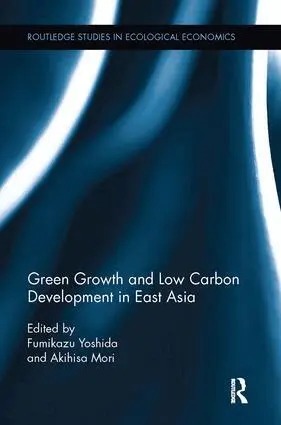
The concept of green growth, coupled with one of green economy and low carbon development, is a global concern especially in the face of the multiple crises that the world has faced in recent years - climate, oil, food, and financial crises. In East Asia, this concept is regarded as the key in transforming cheap-labour dependent, export-oriented industries towards a more sustainable development.Green Growth and Low Carbon Development in East Asia examines the beginnings of low carbon, green growth in practice in East Asia and how effectively it has directed East Asian nations, especially Korea, China and Japan, to put environment and climate challenges as the core target zone for investment and growth. Special focus is paid to energy and international trade - areas in which these nations compete with pioneered nations of Europe and the United States to develop renewable energy industries and enhance their international competitiveness. On the basis of the lessons learned in East Asia, together with a comparison of Russia, this book discusses the applicability and limitations of this developmental approach taken by the developing nations and resource-rich emerging economies, including the conditions and contexts in which nations are able to transition into sustainable development through the use of low carbon, green growth strategies.
2 357 kr
Skickas inom 10-15 vardagar
China’s recent climate-energy policy, an outcome of contemporary challenges, has generated conflict of interest amongst major stakeholders. Coupled with a boost in demand for oil, gas and coal, as well as a rapid growth in wind and solar power, it has not only affected domestic fossil fuel and renewable energy providers, but has also provoked a resource boom, affecting development pathways internationally. This book therefore seeks to examine the economic, social and ecological effects associated with China’s climate-energy policy. Assessing how the policy has been and will be formulated and implemented, it analyses the changing use of energy, CO2 emissions and GDP, as well as social and environmental impacts both domestically and internationally. It presents in-depth case studies on specific policies in China and on its resource exporting countries, such as Indonesia, Australia, Myanmar and Mongolia. At the same time, using quantitative data, it provides detailed input-output and applied computable general equilibrium analyses. Arguing that China has actively advanced its climate-energy policy to become a leader of global climate governance, it demonstrates that China ultimately relocates the cost of its climate-energy policy to resource exporting countries.This book will be of great interest to students and scholars of energy, the environment and sustainability, as well as Chinese Studies and economics.
2 288 kr
Skickas inom 10-15 vardagar
The concept of green growth, coupled with one of green economy and low carbon development, is a global concern especially in the face of the multiple crises that the world has faced in recent years - climate, oil, food, and financial crises. In East Asia, this concept is regarded as the key in transforming cheap-labour dependent, export-oriented industries towards a more sustainable development.Green Growth and Low Carbon Development in East Asia examines the beginnings of low carbon, green growth in practice in East Asia and how effectively it has directed East Asian nations, especially Korea, China and Japan, to put environment and climate challenges as the core target zone for investment and growth. Special focus is paid to energy and international trade - areas in which these nations compete with pioneered nations of Europe and the United States to develop renewable energy industries and enhance their international competitiveness. On the basis of the lessons learned in East Asia, together with a comparison of Russia, this book discusses the applicability and limitations of this developmental approach taken by the developing nations and resource-rich emerging economies, including the conditions and contexts in which nations are able to transition into sustainable development through the use of low carbon, green growth strategies.
Green Fiscal Mechanism and Reform for Low Carbon Development
East Asia and Europe
Häftad, Engelska, 2018
671 kr
Skickas inom 10-15 vardagar
This book reviews how far East Asian nations have implemented green fiscal reform, and show how they can advance carbon-energy tax reform to realize low carbon development, with special reference to European policy and experience.East Asian nations are learning European experiences to adopt them in their political, economic and institutional contexts. However, implementation has been slow in practice, partly due to low acceptability that comes from the same concerns as in Europe, and partly due to weak institutional arrangements for the reform. The slow progress in the revenue side turns our eyes to the expenditure side: how East Asian nations have increased environmental-related expenditures, and how far they have greened sectorial expenditures. This "lifecycle" assessment of fiscal reform, coupled with the assessment of the institutional arrangement constitutes the features of this book.The book helps to provide an overall picture of green fiscal reform and carbon-energy tax reform in the East Asian region. The region has a variety of countries, from lowest income to high income nations. Nations have different interests in substance and barriers for reform. This book covers recent development of environmental fiscal reform and carbon-energy taxation in wider nations in the region, including South Korea, Taiwan, Thailand, Vietnam, Indonesia and Japan. In addition, the book’s holistic view helps to understand why a specific nation has interest and concern on some aspects of the reforms.