Stan Goldberg – författare
Visar alla böcker från författaren Stan Goldberg. Handla med fri frakt och snabb leverans.
6 produkter
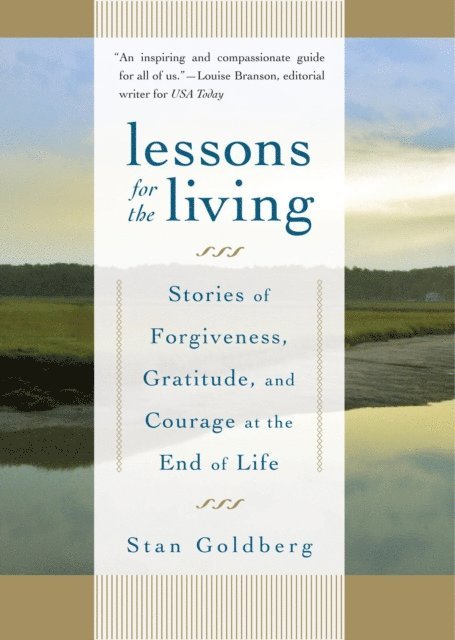
Lessons for the Living
Stories of Forgiveness, Gratitude, and Courage at the End of Life
E-bok, 2009
282 kr
Lägg i varukorg
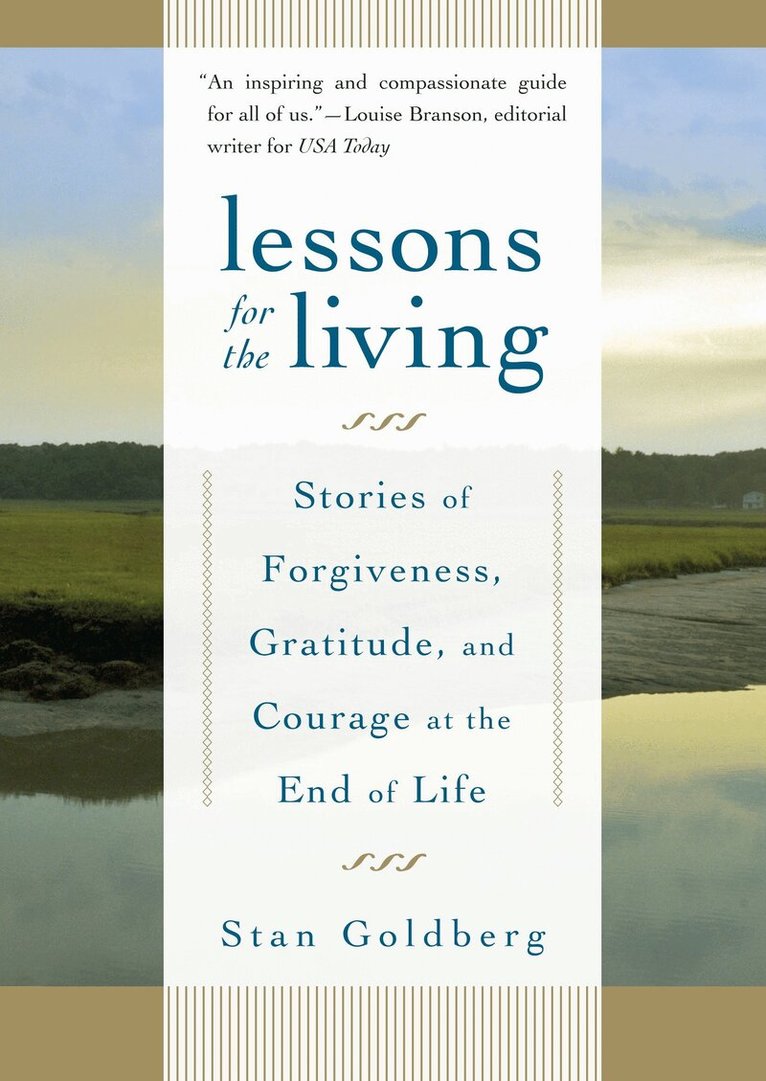
When Stan Goldberg was diagnosed with cancer, he chose to face his fear by helping others who were already in the process of dying: Stan signed up as a hospice volunteer and spent several years at the bedsides of the terminally ill. In this book, Stan shares the remarkable stories of people he met …
Loving, Supporting, and Caring for the Cancer Patient
A Guide to Communication, Compassion, and Courage
Inbunden, 2016
599 kr
Lägg i varukorg
At least once in your life someone will say to you, “I have cancer,” and when she says the three words, you may struggle with a response. If a loved one or friend hasn’t informed you of a cancer diagnosis, it’s only a matter of time until they will. Every year fourteen million people worldwide …
Preventing Senior Moments
How to Stay Alert into Your 90s and Beyond
Inbunden, 2023
398 kr
Lägg i varukorg
Offers practical and achievable prevention strategies for senior moments. Some senior moments are what they seem—brain glitches no more concerning than realizing the problem arose because of something easily fixable such as wearing hearing aids. But others are the result of complex information …
Lessons for the Living
Stories of Forgiveness, Gratitude, and Courage at the End of Life
Häftad, 2009
250 kr
Lägg i varukorg
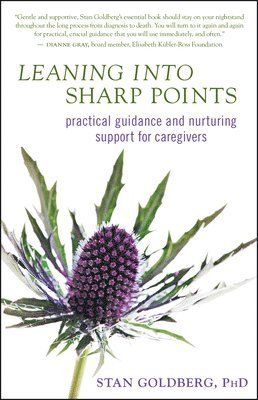
Leaning into Sharp Points
Practical Guidance and Nurturing Support for Caregivers
Häftad, 2012
188 kr
Tillfälligt slut