Stanley Hoffman - Böcker
Visar alla böcker från författaren Stanley Hoffman. Handla med fri frakt och snabb leverans.
3 produkter
3 produkter
691 kr
Skickas inom 10-15 vardagar
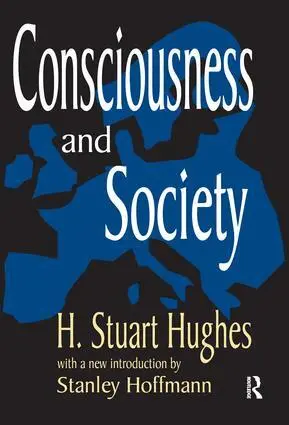
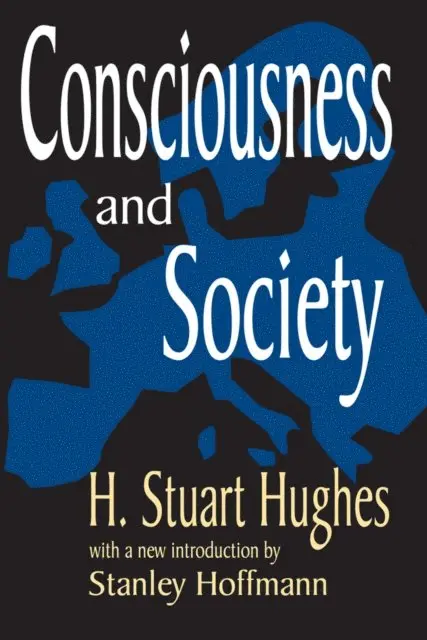
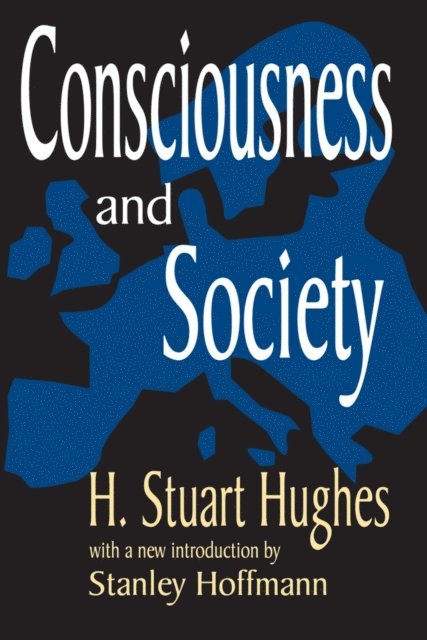
Hughes' ideas, and the way they are expressed in Consciousness and Society, have become paradigms of twentieth-century scholarship. In dealing with the changing social thought after 1890 in Europe, Hughes covers a wide array of thinkers and issues in a scholarly, yet graceful manner. His is a study of the "cluster of genius" of Europe at that time: Croce, Durkheim, Freud, Weber, and Nietzsche, as well as other great European minds. The book explores questions that are still relevant in today's society: Is the separation of facts and values tenable, or even desirable? Can rationality accommodate the ideas of a Bergson or a Freud? Is there, or should there be, a relationship between science and religion? And does history have any ultimate meaning for later generations?
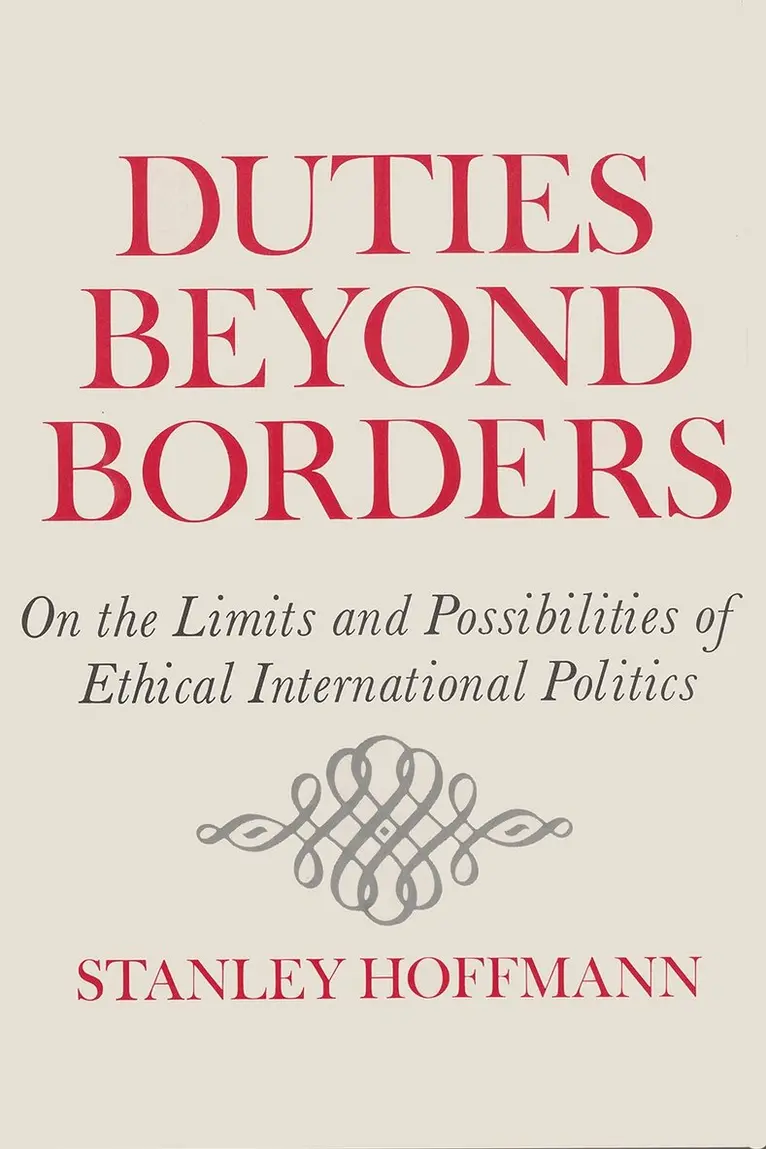
Duties Beyond Borders
On Limits and Possibilities of Ethical International Politics
Häftad, Engelska, 1981
207 kr
Skickas inom 10-15 vardagar
Can moral behaviour exist in a world of states? Under what conditions? Where if at all, do norms for moral behavior, considerations of right and wrong, fit in the relations between states?Drawing upon many historical examples, Stanley Hoffmann examines the complex questions of whether or not ethical action is possible in international politics and, if it is, what are the obstacles and constraints? Duties Beyond Borders trim to answer these questions and to suggest a course of "ethical politics" based on a pragmatic, realistic approach to international politics.
2 712 kr
Skickas inom 3-6 vardagar
Hughes' ideas, and the way they are expressed in Consciousness and Society, have become paradigms of twentieth-century scholarship. In dealing with the changing social thought after 1890 in Europe, Hughes covers a wide array of thinkers and issues in a scholarly, yet graceful manner. His is a study of the "cluster of genius" of Europe at that time: Croce, Durkheim, Freud, Weber, and Nietzsche, as well as other great European minds. The book explores questions that are still relevant in today's society: Is the separation of facts and values tenable, or even desirable? Can rationality accommodate the ideas of a Bergson or a Freud? Is there, or should there be, a relationship between science and religion? And does history have any ultimate meaning for later generations?