Stefan Kutzenberger – författare
Visar alla böcker från författaren Stefan Kutzenberger. Handla med fri frakt och snabb leverans.
10 produkter
Lametta, Leichen und Likör
Av Bernhard Aichner, René Laffite m. fl.
Inbunden, 2025
301 kr
Lägg i varukorg
Die Katze lasst das Morden nicht
Kriminelle Geschichten auf Samtpfoten
Av Peter Zirbs, Emily Walton m. fl.
E-bok, 2026
237 kr
Lägg i varukorg
Katzen haben sieben Leben - und die brauchen sie auch, wenn Rotraut Schoberl sie in die spannendsten Kriminalfalle verwickelt. Katzenliebhaber*innen wissen nur zu gut, welche finsteren Plane sich hinter dem harmlosen Schnurren ihres Kuschelkatzchens verbergen konnen und dass sich vor den schlauen …
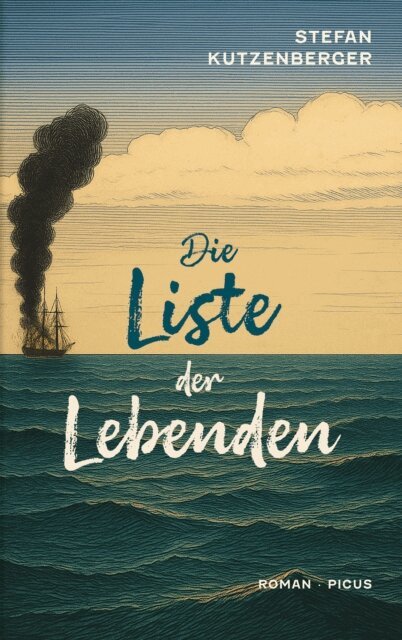
Die Liste der Lebenden
Roman
E-bok, 2026
232 kr
Lägg i varukorg
September 1858, mitten auf dem Atlantik. Eine nicht mehr ganz junge Frau treibt nackt auf einer Tür liegend in den sachten Wellen. Die Sonne scheint und in Gedanken ist sie in Dänemark.Henriette Wulff, aus bester dänischer Familie, ist dreiundfünfzig, als sie sich entschließt, ihre Heimat hinter …
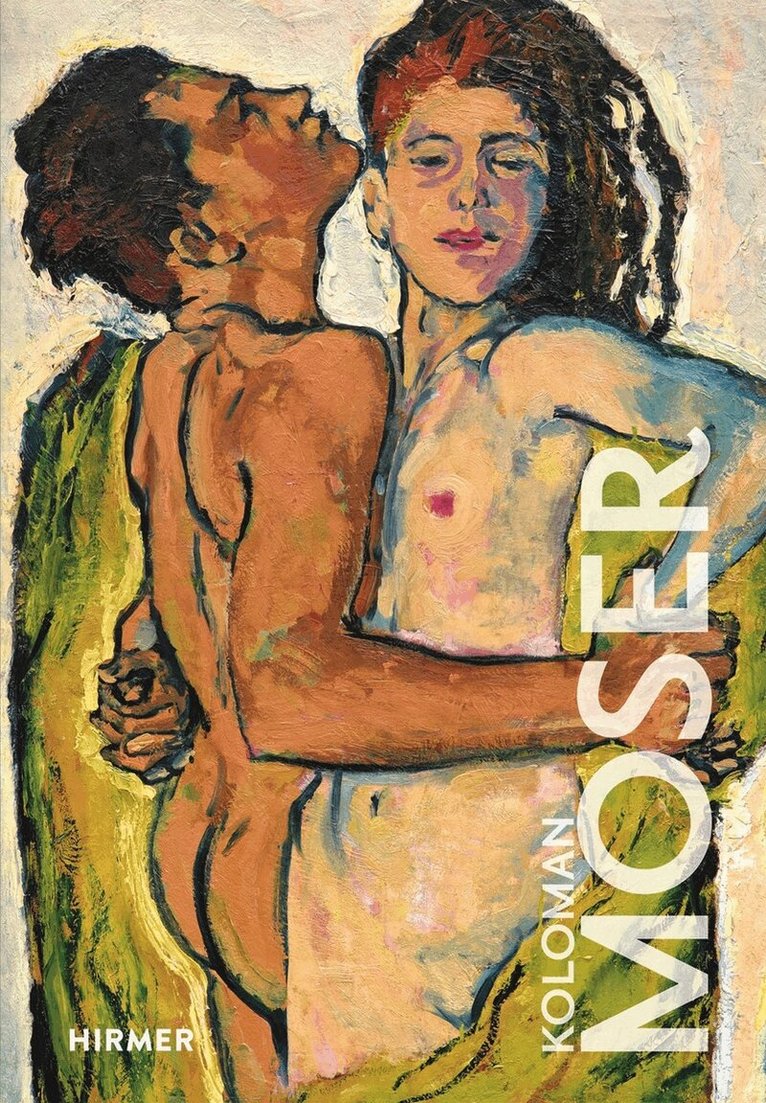
Koloman Moser
Av Elisabeth Leopold, Stefan Kutzenberger
Inbunden, 2018
127 kr
Lägg i varukorg
Admired by contemporaries as an artistic “jack - of - all - trades”, Koloman Moser (1868 – 1918) is regarded today as one of the most important representatives of the Viennese Secession of around 1900. As a graphic artist and designer Moser was unparalleled in his artistic diversity, creating …
Jokerman
Roman
E-bok, 2021
181 kr
Lägg i varukorg
»Jokerman dance to the nightingale tune ...« Bob DylanSein Name ist Kutzenberger, Stefan Kutzenberger. Der melancholische Österreicher hat den Auftrag, die Welt zu retten, denn er ist der Jokerman. Schuld daran ist kein Geringerer als Bob Dylan, auch wenn der gar nichts davon weiß. All die …
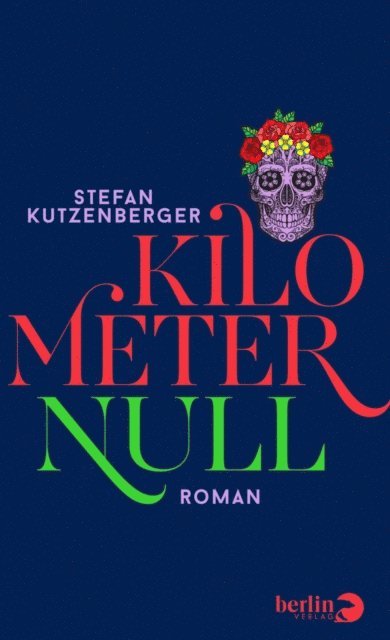
Kilometer null
Roman
E-bok, 2022
181 kr
Lägg i varukorg
Am Ziel einer langen Reise in das Herz der FiktionIn einer Pension des uruguayischen Grenzortes Santa María blickt der österreichische Exilschriftsteller Kutzenberger plötzlich in den Mündungslauf einer Pistole. So beginnt »Kilometer null« und nimmt die Leser mit auf eine Achterbahnfahrt, die ihren …
Das Literatur-Quiz
123 Antworten, die Sie kennen müssen, um über Literatur mitreden zu können
Av Stefan Kutzenberger, Maximilian Hauptmann
E-bok, 2019
149 kr
Lägg i varukorg
Wer in Wien Literatur studiert, besucht zu Beginn seine Vorlesung. Stefan Kutzenberger fragt seine Studenten dann gerne, warum sie sich für dieses Fach entschieden haben. Vor zwanzig Jahren erzählten sie von einem prägenden Besuch bei Friedrich Hölderlins Geburtshaus in Lauffen am Neckar. Vor zehn …
Europa in Grande Sertão: Veredas
Grande Sertão: Veredas in Europa
Häftad, 2005
1644 kr
Lägg i varukorg
Grande Sertão: Veredas ist einer der großen Romane der Moderne, der in seiner Materie und Sprache dabei brasilianischer nicht sein könnte. Eigens nach „Europa in Grande Sertão: Veredas“ zu suchen, scheint deshalb ein gewagtes Unternehmen. Stefan Kutzenberger zeigt jedoch, dass die europäische …