Stefano Bartolini – författare
Visar alla böcker från författaren Stefano Bartolini. Handla med fri frakt och snabb leverans.
17 produkter
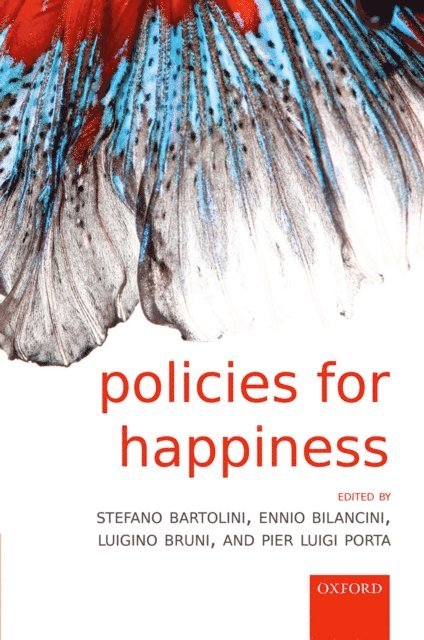
Policies for Happiness
Av Pier Luigi Porta, Luigino Bruni m. fl.
E-bok, 2016
1435 kr
Lägg i varukorg
In recent years, debates on the economics of happiness have shown that, over the long-term, well-being is influenced more by social and personal relationships than by income. This evidence challenges the traditional economic policy paradigm that has emphasized income as the primary determinant of …
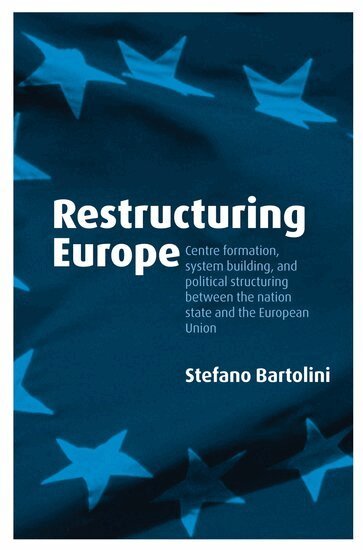
Restructuring Europe
Centre Formation, System Building, and Political Structuring between the Nation State and the European Union
E-bok, 2005
668 kr
Lägg i varukorg
This book focuses on the historical configuration of the territorial borders and functional boundaries of the European nation state. It presents integration as a process of boundary transcendence, redefinition, shift, and change that fundamentally alters the nature of the European states. Its core …
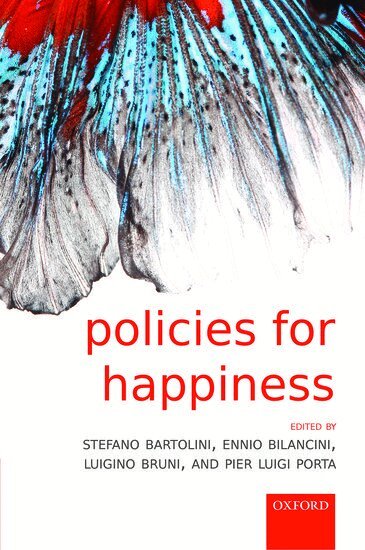
Policies for Happiness
Av Stefano Bartolini, Ennio Bilancini m. fl.
Inbunden, 2016
1733 kr
Lägg i varukorg
In recent years, debates on the economics of happiness have shown that, over the long-term, well-being is influenced more by social and personal relationships than by income. This evidence challenges the traditional economic policy paradigm that has emphasized income as the primary determinant of …
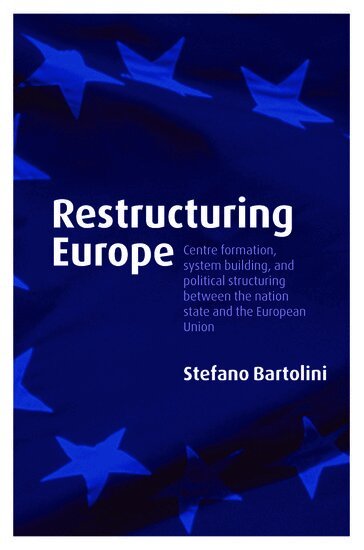
Restructuring Europe
Centre Formation, System Building, and Political Structuring between the Nation State and the European Union
Häftad, 2007
1041 kr
Lägg i varukorg
This book focuses on the historical configuration of the territorial borders and functional boundaries of the European nation state. It presents integration as a process of boundary transcendence, redefinition, shift, and change that fundamentally alters the nature of the European states. Its core …
Restructuring Europe
Centre Formation, System Building, and Political Structuring between the Nation State and the European Union
Inbunden, 2005
1225 kr
Lägg i varukorg
This book focuses on the historical configuration of the territorial borders and functional boundaries of the European nation state. It presents integration as a process of boundary transcendence, redefinition, shift, and change that fundamentally alters the nature of the European states. Its core …
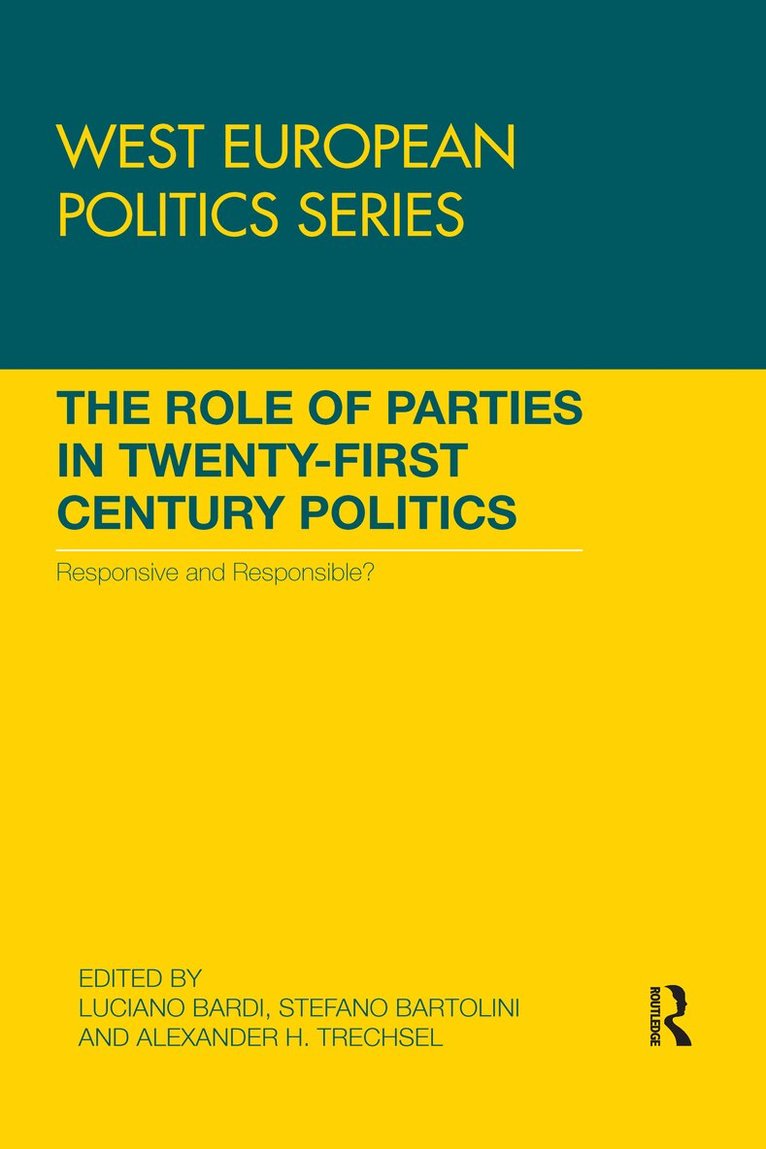
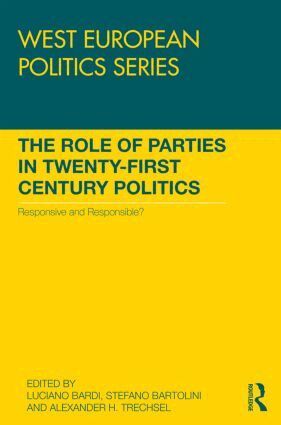
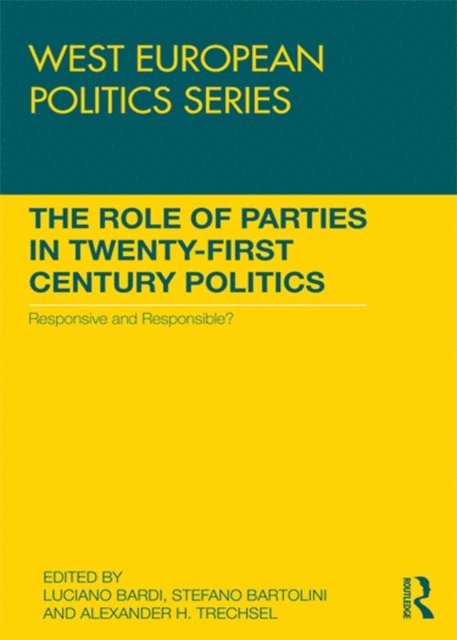
Role of Parties in Twenty-First Century Politics
Responsive and Responsible?
Av Luciano Bardi, Stefano Bartolini m. fl.
Häftad, 2020
557 kr
Lägg i varukorg
For a long time analyses of political parties were framed within the usual context of democracy and of the historical transformation of the forms of democratic government. More recently several authors, among which eminently Peter Mair, progressively began to question the relationship between the …
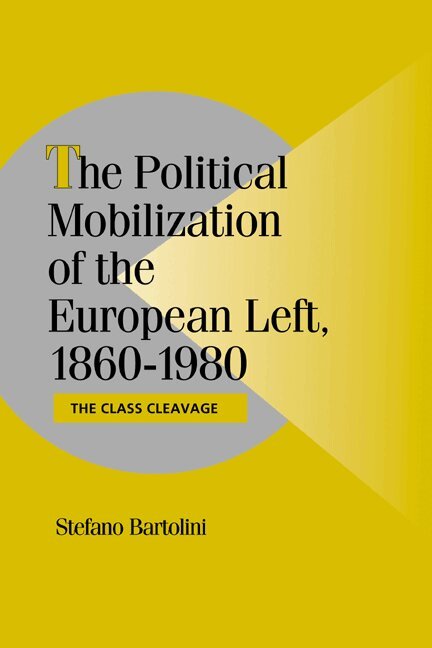
The Political Mobilization of the European Left, 1860-1980
The Class Cleavage
Av Stefano Bartolini, Peter Lange m. fl.
Häftad, 2007
871 kr
Lägg i varukorg
In an in-depth comparative analysis, Stefano Bartolini studies the history of socialism and working-class politics in Western Europe. While examining the social contexts, organizational structures and political developments of thirteen socialist experiences from the 1880s to the 1980s, he …
Identity, Competition and Electoral Availability
The Stabilisation of European Electorates 1885-1985
Av Stefano Bartolini, Peter Mair
Häftad, 2007
699 kr
Lägg i varukorg
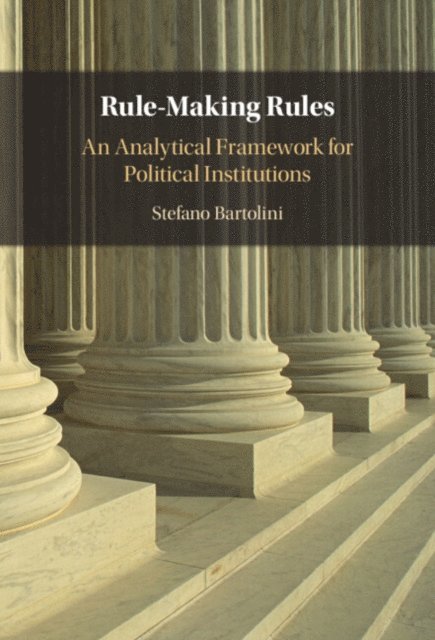
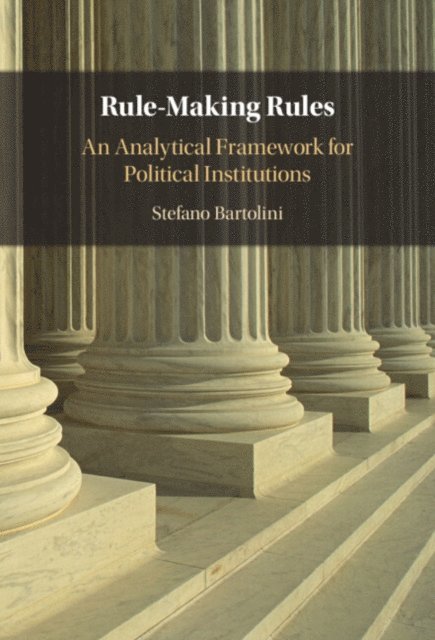
Rule-Making Rules
An Analytical Framework for Political Institutions
E-bok, 2022
440 kr
Lägg i varukorg
Stefano Bartolini argues that, despite the growth of a large theoretical literature about institutions and institutionalism over the last thirty years, the specific nature of political institutions has been relatively neglected. Political institutions have been subsumed into the broader problems of …
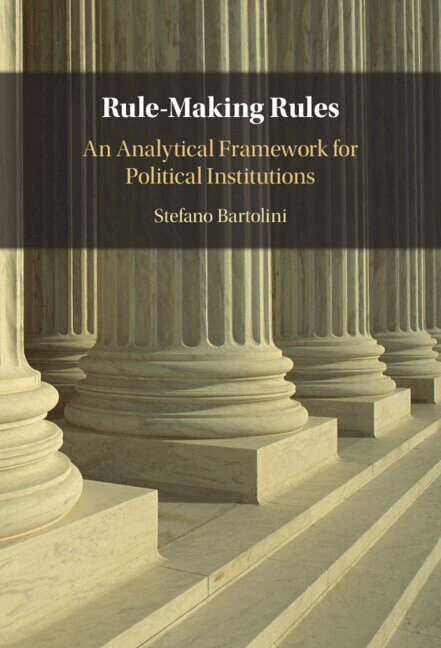
Rule-Making Rules
An Analytical Framework for Political Institutions
E-bok, 2022
440 kr
Lägg i varukorg
Stefano Bartolini argues that, despite the growth of a large theoretical literature about institutions and institutionalism over the last thirty years, the specific nature of political institutions has been relatively neglected. Political institutions have been subsumed into the broader problems of …
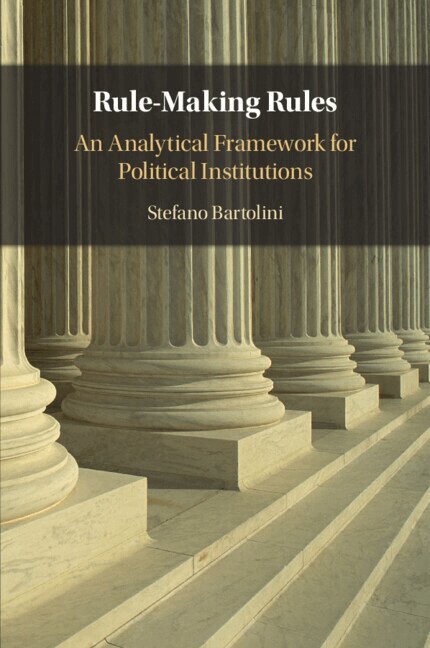
Rule-Making Rules
An Analytical Framework for Political Institutions
Inbunden, 2022
1514 kr
Lägg i varukorg
Stefano Bartolini argues that, despite the growth of a large theoretical literature about institutions and institutionalism over the last thirty years, the specific nature of political institutions has been relatively neglected. Political institutions have been subsumed into the broader problems of …
Rule-Making Rules
An Analytical Framework for Political Institutions
Häftad, 2024
445 kr
Lägg i varukorg
Stefano Bartolini argues that, despite the growth of a large theoretical literature about institutions and institutionalism over the last thirty years, the specific nature of political institutions has been relatively neglected. Political institutions have been subsumed into the broader problems of …
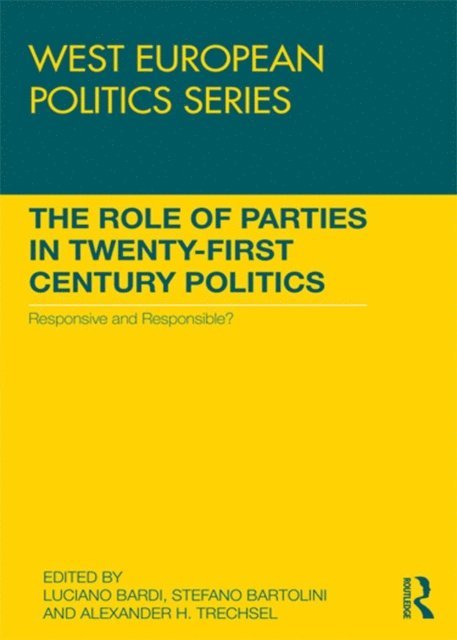
Role of Parties in Twenty-First Century Politics
Responsive and Responsible?
Av Luciano Bardi, Stefano Bartolini m. fl.
Inbunden, 2014
2513 kr
Lägg i varukorg
For a long time analyses of political parties were framed within the usual context of democracy and of the historical transformation of the forms of democratic government. More recently several authors, among which eminently Peter Mair, progressively began to question the relationship between the …
Role of Parties in Twenty-First Century Politics
Responsive and Responsible?
Av Alexander H. Trechsel, Stefano Bartolini m. fl.
E-bok, 2017
814 kr
Lägg i varukorg
For a long time analyses of political parties were framed within the usual context of democracy and of the historical transformation of the forms of democratic government. More recently several authors, among which eminently Peter Mair, progressively began to question the relationship between the …
Role of Parties in Twenty-First Century Politics
Responsive and Responsible?
Av Alexander H. Trechsel, Stefano Bartolini m. fl.
E-bok, 2017
814 kr
Lägg i varukorg
For a long time analyses of political parties were framed within the usual context of democracy and of the historical transformation of the forms of democratic government. More recently several authors, among which eminently Peter Mair, progressively began to question the relationship between the …