Stefano De Marchi - Böcker
Visar alla böcker från författaren Stefano De Marchi. Handla med fri frakt och snabb leverans.
3 produkter
3 produkter
Del 46 - Cambridge Monographs on Applied and Computational Mathematics
Kernel-Based Methods
Milestones and New Trends
Inbunden, Engelska, 2026
915 kr
Kommande
Kernel methods, with origins in the pioneering work of Mercer (1909), Bochner (1933), and Aronszajn (1950), have become central tools in modern mathematics and machine learning. This book explores their deep connections with approximation theory, highlighting both classical results and cutting-edge developments. Through clear explanations and illustrative examples, it guides readers from foundational concepts to contemporary applications, including computational methods and real-world problem solving. By bridging theory and practice, the text not only provides a rigorous understanding of kernels but also inspires further exploration and research. Suitable for students, researchers, and practitioners, it invites readers to engage with ongoing advances in this dynamic field and to contribute to its future growth.
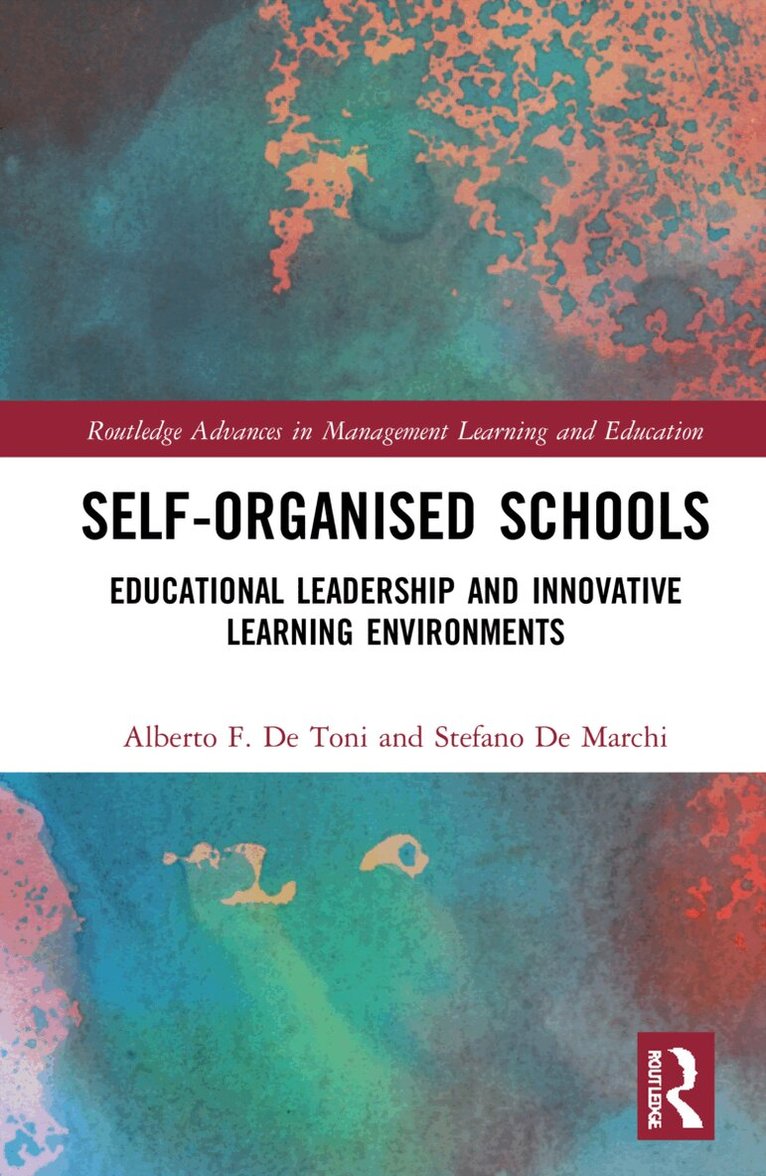
Self-Organised Schools
Educational Leadership and Innovative Learning Environments
Inbunden, Engelska, 2022
2 030 kr
Skickas inom 10-15 vardagar
Self-Organised Schools: Educational Leadership and Innovative Learning Environments describes the results of the research we carried out at fourteen Italian schools that highlight how there is a positive correlation between the capabilities of school self-organization and the innovativeness of learning environments: in other words, the more self-organized schools are, the more innovative learning environments are. The results of this work are part of the strand of research of bottom-up emergency and self-organization, an extremely fruitful trend as shown by Sugata Mitra, the founder of the Self-Organized Learning Environments, according to whom, education is a self-organized system where learning is an emerging phenomenon. This book gives new insights on self-organization studies, and most of all, to the idea that change - organizational and educational innovation - sparks from the bottom. This book is aimed specifically at school principals of all levels, scholastic reformers, educational scholars, organisation and management consultants who want to innovate learning and management of learning. These actors will benefit drawing useful examples from more than thirty different learning environments worldwide, fourteen examples of schools that self-organize, two frameworks - and two ready-to-use questionnaires - measuring the innovativeness of a learning environment, and the capability of a school to self-organize. Self-organization is the most fascinating future of innovative principals
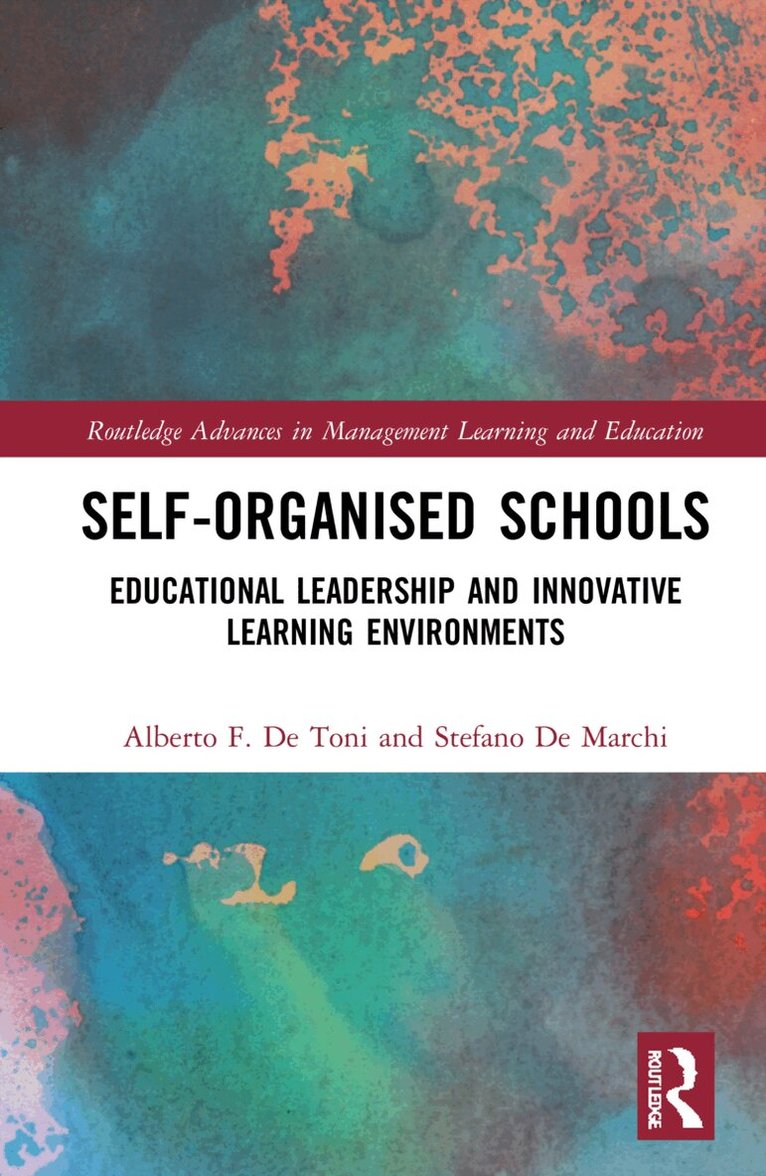
Self-Organised Schools
Educational Leadership and Innovative Learning Environments
Häftad, Engelska, 2024
594 kr
Skickas inom 10-15 vardagar
Self-Organised Schools: Educational Leadership and Innovative Learning Environments describes the results of the research we carried out at fourteen Italian schools that highlight how there is a positive correlation between the capabilities of school self-organization and the innovativeness of learning environments: in other words, the more self-organized schools are, the more innovative learning environments are. The results of this work are part of the strand of research of bottom-up emergency and self-organization, an extremely fruitful trend as shown by Sugata Mitra, the founder of the Self-Organized Learning Environments, according to whom, education is a self-organized system where learning is an emerging phenomenon. This book gives new insights on self-organization studies, and most of all, to the idea that change - organizational and educational innovation - sparks from the bottom. This book is aimed specifically at school principals of all levels, scholastic reformers, educational scholars, organisation and management consultants who want to innovate learning and management of learning. These actors will benefit drawing useful examples from more than thirty different learning environments worldwide, fourteen examples of schools that self-organize, two frameworks - and two ready-to-use questionnaires - measuring the innovativeness of a learning environment, and the capability of a school to self-organize. Self-organization is the most fascinating future of innovative principals