Stella Nair – författare
Visar alla böcker från författaren Stella Nair. Handla med fri frakt och snabb leverans.
3 produkter
3 produkter
Häftad, Engelska, 2015
498 kr
Skickas inom 5-8 vardagar
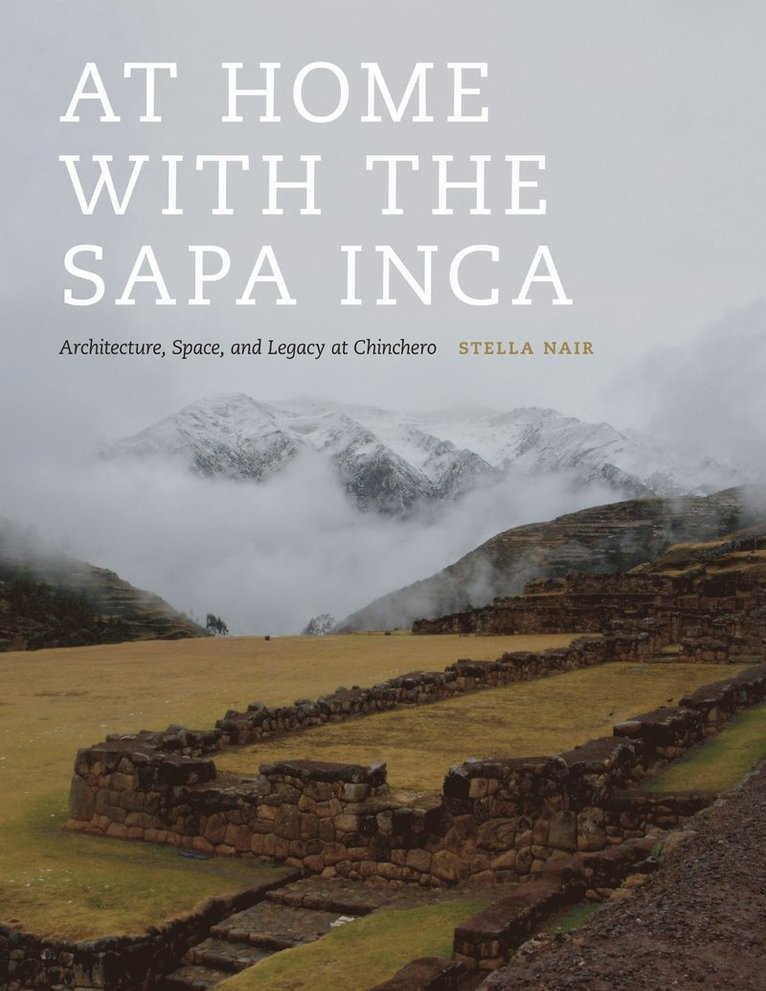
By examining the stunning stone buildings and dynamic spaces of the royal estate of Chinchero, Nair brings to light the rich complexity of Inca architecture. This investigation ranges from the paradigms of Inca scholarship and a summary of Inca cultural practices to the key events of Topa Inca’s reign and the many individual elements of Chinchero’s extraordinary built environment.What emerges are the subtle, often sophisticated ways in which the Inca manipulated space and architecture in order to impose their authority, identity, and agenda. The remains of grand buildings, as well as a series of deft architectural gestures in the landscape, reveal the unique places that were created within the royal estate and how one space deeply informed the other. These dynamic settings created private places for an aging ruler to spend time with a preferred wife and son, while also providing impressive spaces for imperial theatrics that reiterated the power of Topa Inca, the choice of his preferred heir, and the ruler’s close relationship with sacred forces.This careful study of architectural details also exposes several false paradigms that have profoundly misguided how we understand Inca architecture, including the belief that it ended with the arrival of Spaniards in the Andes. Instead, Nair reveals how, amidst the entanglement and violence of the European encounter, an indigenous town emerged that was rooted in Inca ways of understanding space, place, and architecture and that paid homage to a landscape that defined home for Topa Inca.
Del 75 - Monographs
Stones of Tiahuanaco
A Study of Architecture and Construction
Häftad, Engelska, 2013
855 kr
Skickas inom 5-8 vardagar
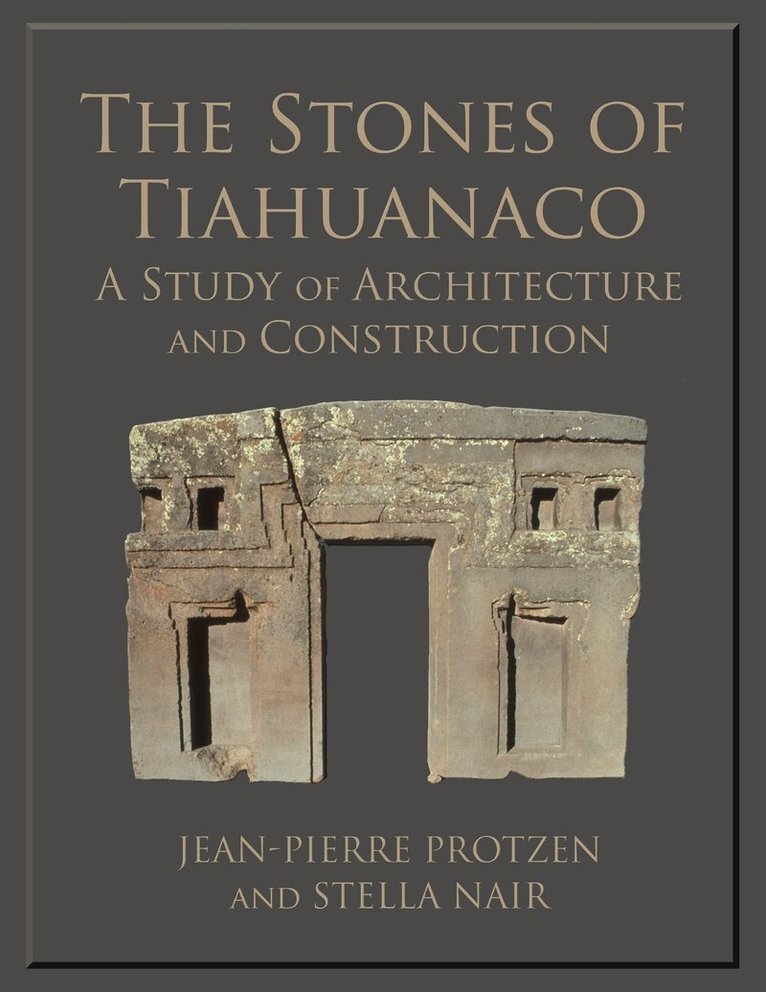
The world's most artful and skillful stone architecture is found at Tiahuanaco at the southern end of Lake Titicaca in Bolivia. The precision of the stone masonry rivals that of the Incas to the point that writers from Spanish chroniclers of the sixteenth century to twentieth-century authors have claimed that Tiahuanaco not only served as a model for Inca architecture and stone masonry, but that the Incas even imported stonemasons from the Titicaca Basin to construct their buildings. Experiments aimed at replicating the astounding feats of the Tiahuanaco stonecutters--perfectly planar surfaces, perfect exterior and interior right angles, and precision to within 1 mm--throw light on the stonemasons' skill and knowledge, especially of geometry and mathematics. Detailed analyses of building stones yield insights into the architecture of Tiahuanaco, including its appearance, rules of composition, canons, and production, filling a significant gap in the understanding of Tiahuanaco's material culture.
E-bok
Spanska, 2016204 kr
Läs direkt efter köp
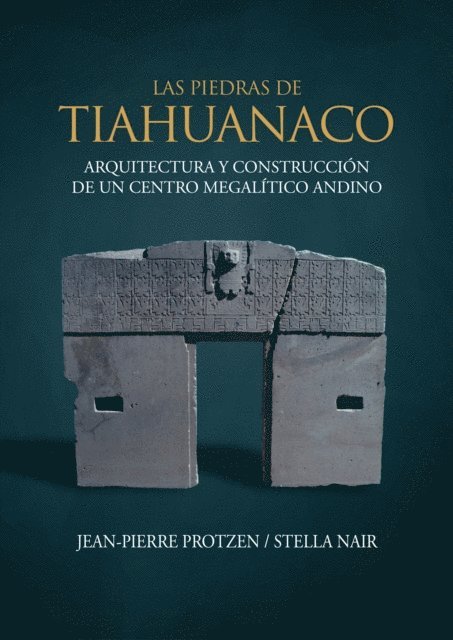
Cuando los europeos vieron por primera vez las estructuras monumentales de piedra en el extremo sur del lago Titicaca, en Bolivia, quedaron maravillados con la habilidad de quienes las produjeron. Estas construcciones han sido consideradas, con razón, la arquitectura de piedra más ingeniosa y hábil del mundo. Su precisión rivaliza con la de los incas hasta el punto de que desde los cronistas españoles del siglo XVI hasta los autores del siglo XX han afirmado que Tiahuanaco no solo sirvió a los incas como un modelo para la arquitectura y la mampostería de piedra sino que estos incluso importaron albañiles de la cuenca del Titicaca para construir sus edificios.Este cuidadoso estudio de Jean Pierre Protzen y Stella Nair, refuta esa idea y se adentra en cuestiones referentes a las técnicas de los picapedreros de Tiahuanaco, a la vez que se centra en su conocimiento de la geometría y en la extracción, corte y montaje de las piedras. Sin duda, los detallados análisis de las piedras de construcción permiten vislumbrar la arquitectura de Tiahuanaco, y la apariencia y las reglas que guiaron sus cánones de composición y producción.