Stephane Hallegatte - Böcker
Visar alla böcker från författaren Stephane Hallegatte. Handla med fri frakt och snabb leverans.
6 produkter
6 produkter
274 kr
Skickas inom 10-15 vardagar
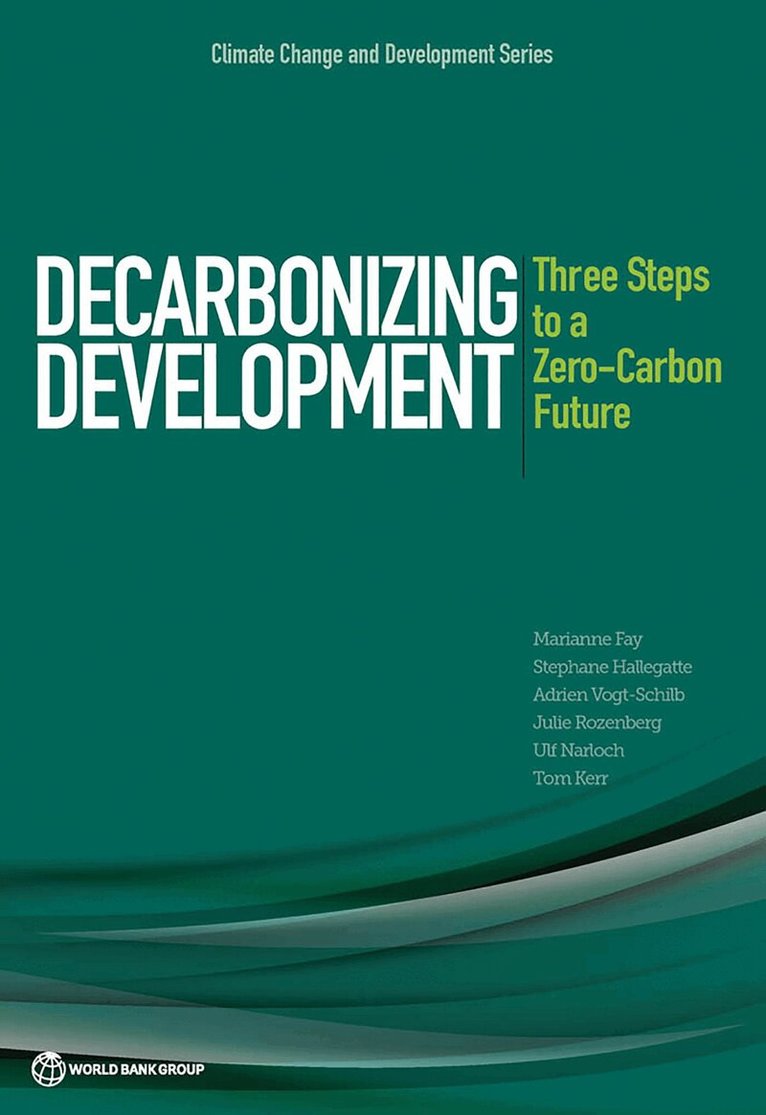
This report focuses on the decarbonization aspects of green growth, looking at the planning instruments, policy mix, and financial structure that can help deliver what is needed to keep warming as close as possible to 2°C above pre-industrial levels.
297 kr
Skickas inom 11-20 vardagar
Ending poverty and stabilizing climate change will be two unprecedented global achievements and two major steps toward sustainable development. But the two objectives need to be jointly tackled through an integrated strategy. This report brings together those two objectives and explores how they can more easily be achieved if considered together.
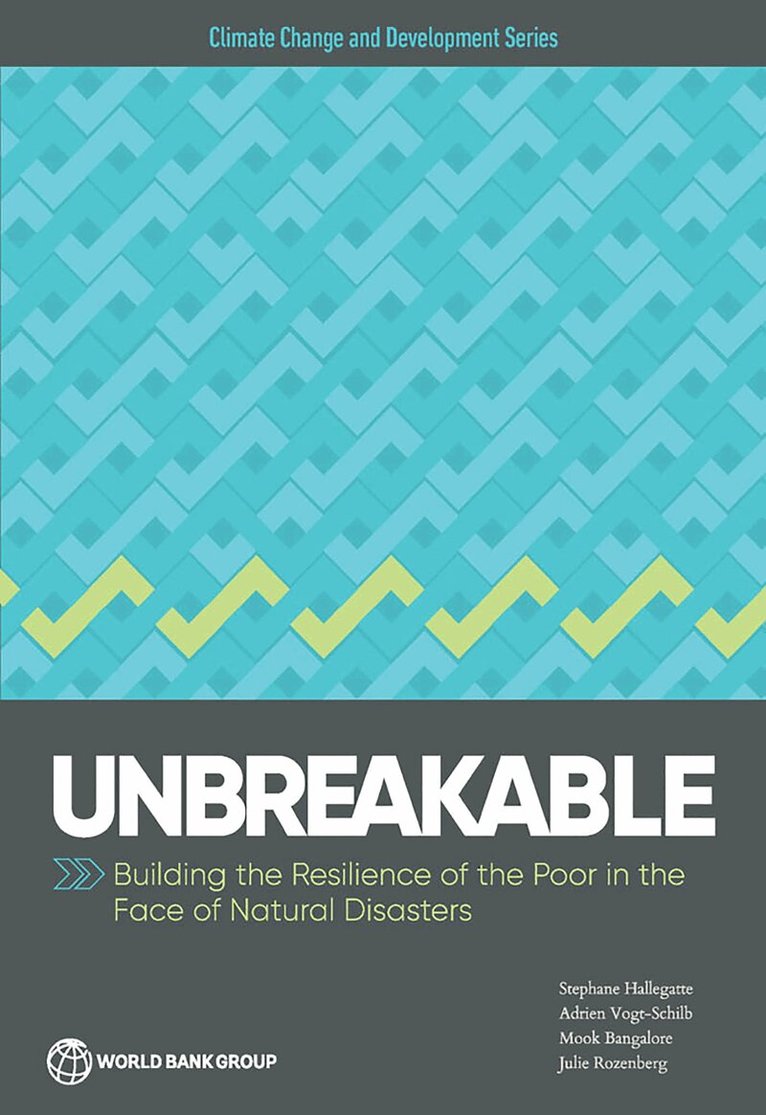
Unbreakable
Building the Resilience of the Poor in the Face of Natural Disasters
Häftad, Engelska, 2016
380 kr
Skickas inom 10-15 vardagar
Economic losses from natural disasters totaled $92 billion in 2015." Such statements, all too commonplace, assess the severity of disasters by no other measure than the damage inflicted on buildings, infrastructure, and agricultural production. But $1 in losses does not mean the same thing to a rich person that it does to a poor person; the gravity of a $92 billion loss depends on who experiences it. By focusing on aggregate losses—the traditional approach to disaster risk—we restrict our consideration to how disasters affect those wealthy enough to have assets to lose in the first place, and largely ignore the plight ofpoor people.This report moves beyond asset and production losses and shifts its attention to how natural disasters affect people’s well-being. Disasters are far greater threats to wellbeing than traditional estimates suggest. This approach provides a more nuanced view of natural disasters than usual reporting, and a perspective that takes fuller account of poor people’s vulnerabilities.As climate change magnifies natural hazards, and because protection infrastructure alone cannot eliminate risk, a more resilient population has never been more critical to breaking the cycle of disaster-induced poverty.
428 kr
Skickas inom 7-10 vardagar
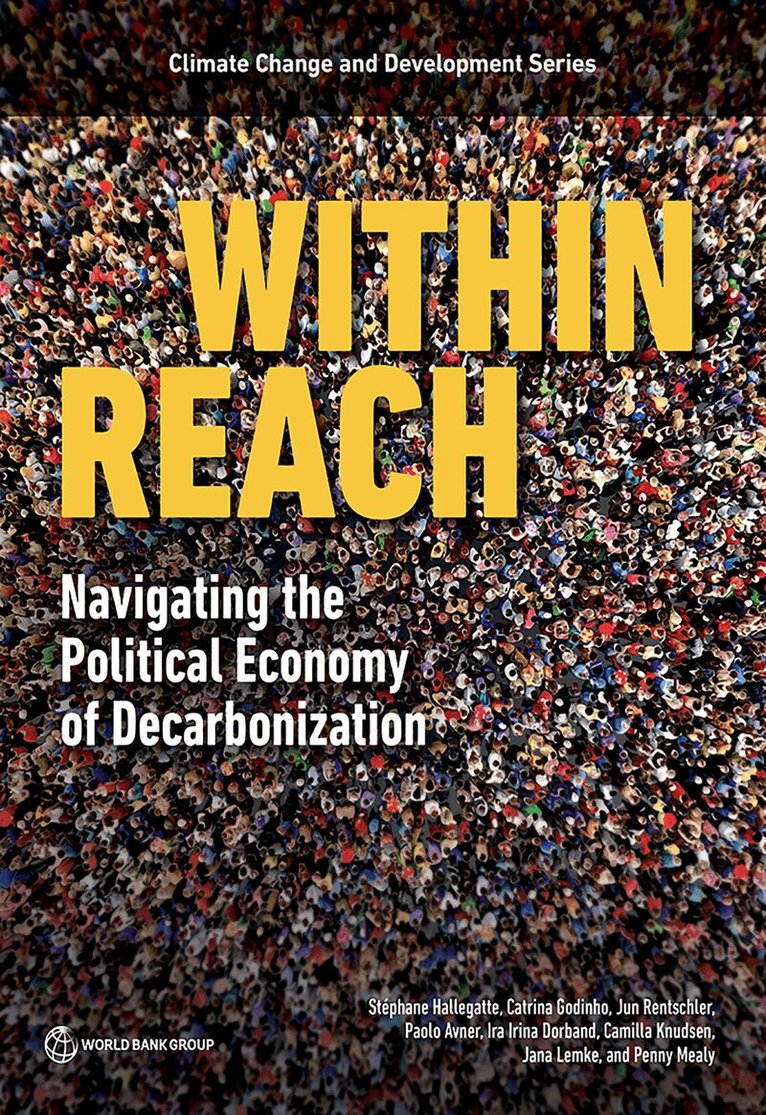
This report looks at the political economy of net zero policy, from common challenges to the development of strategies to overcome them. It shows how governments can improve political economy conditions over time with progressive climate governance interventions, while overcoming more immediate barriers with better policy design and communication.
1 064 kr
Skickas inom 10-15 vardagar
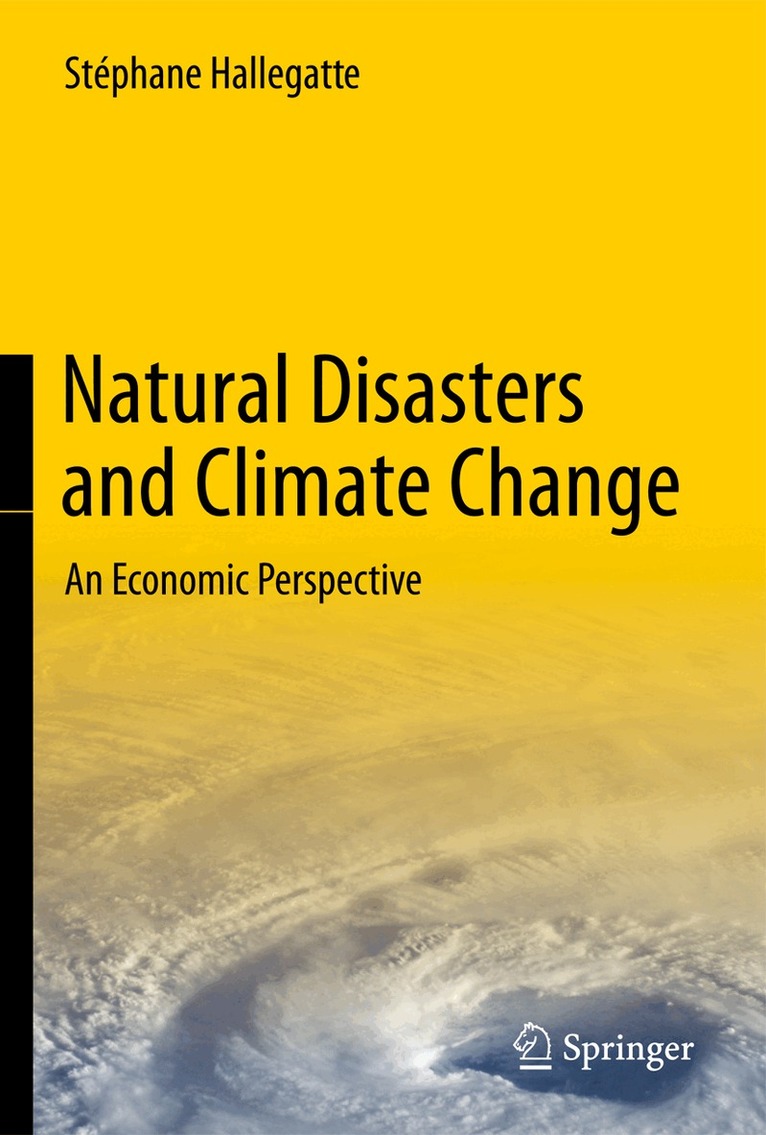
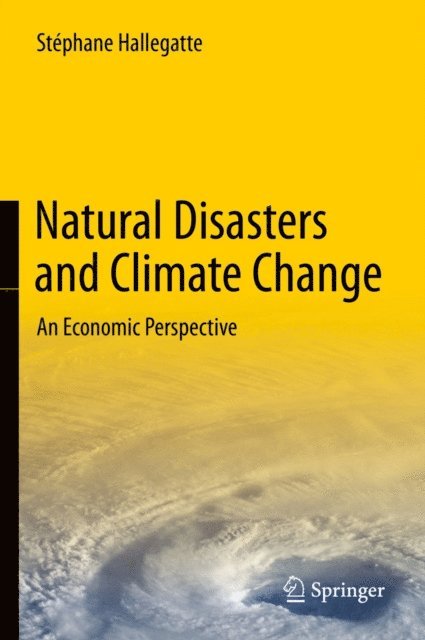
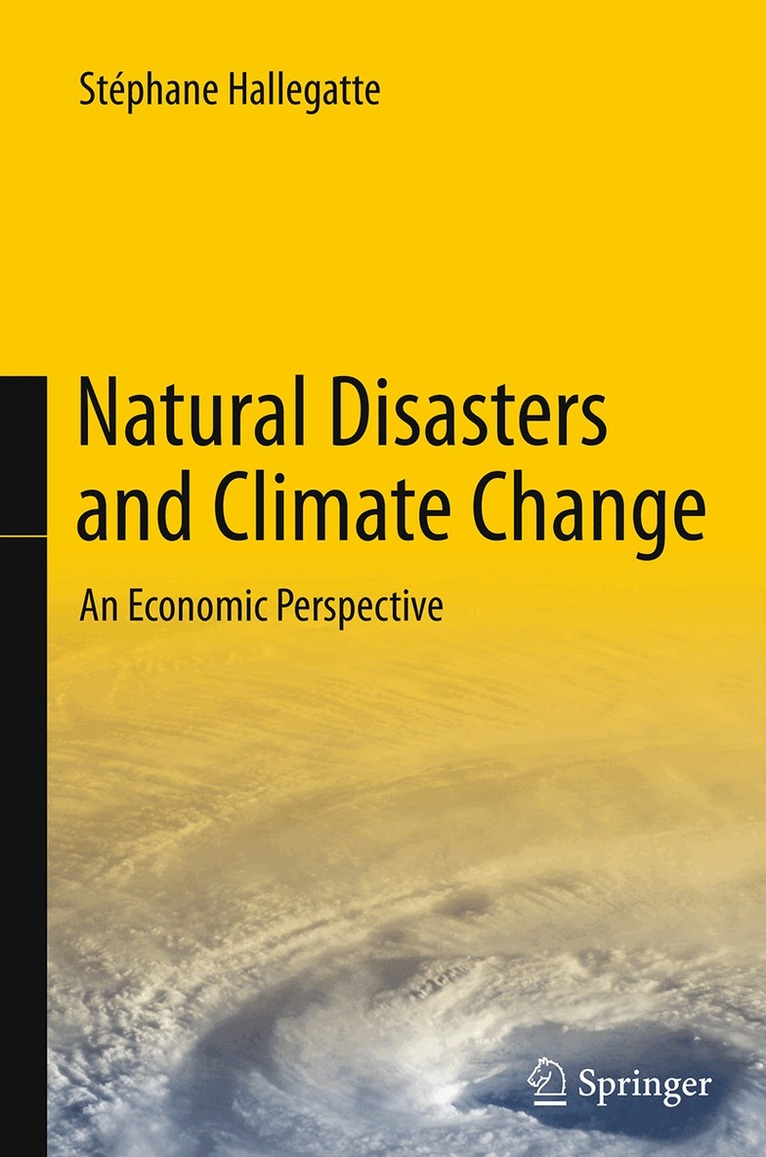
This book explores economic concepts related to disaster losses, describes mechanisms that determine the economic consequences of a disaster, and reviews methodologies for making decisions regarding risk management and adaptation. The author addresses the need for better understanding of the consequences of disasters and reviews and analyzes three scientific debates on linkage between disaster risk management and adaptation to climate change. The first involves the existence and magnitude of long-term economic impact of natural disasters on development. The second is the disagreement over whether any development is the proper solution to high vulnerability to disaster risk. The third debate involves the difficulty of drawing connections between natural disasters and climate change and the challenge in managing them through an integrated strategy. The introduction describes economic views of disaster, including direct and indirect costs, output and welfare losses, and use of econometric tools to measure losses. The next section defines disaster risk, delineates between “good” and “bad” risk-taking, and discusses a pathway to balanced growth. A section entitled “Trends in Hazards and the Role of Climate Change” sets scenarios for climate change analysis, discusses statistical and physical models for downscaling global climate scenarios to extreme event scenarios, and considers how to consider extremes of hot and cold, storms, wind, drought and flood. Another section analyzes case studies on hurricanes and the US coastline; sea-level rises and storm surge in Copenhagen; and heavy precipitation in Mumbai. A section on Methodologies for disaster risk management includes a study on cost-benefit analysis of coastal protections in New Orleans, and one on early-warning systems in developing countries. The next section outlines decision-making in disaster risk management, including robust decision-making, No-regret and No-risk strategies; and strategies that reduce time horizons for decision-making. Among the conclusions is the assertion that risk management policies must recognize the benefits of risk-taking and avoid suppressing it entirely. The main message is that a combination of disaster-risk-reduction, resilience-building and adaptation policies can yield large potential gains and synergies.
1 064 kr
Skickas inom 10-15 vardagar
This book explores economic concepts related to disaster losses, describes mechanisms that determine the economic consequences of a disaster, and reviews methodologies for making decisions regarding risk management and adaptation. The author addresses the need for better understanding of the consequences of disasters and reviews and analyzes three scientific debates on linkage between disaster risk management and adaptation to climate change. The first involves the existence and magnitude of long-term economic impact of natural disasters on development. The second is the disagreement over whether any development is the proper solution to high vulnerability to disaster risk. The third debate involves the difficulty of drawing connections between natural disasters and climate change and the challenge in managing them through an integrated strategy. The introduction describes economic views of disaster, including direct and indirect costs, output and welfare losses, and use of econometric tools to measure losses. The next section defines disaster risk, delineates between “good” and “bad” risk-taking, and discusses a pathway to balanced growth. A section entitled “Trends in Hazards and the Role of Climate Change” sets scenarios for climate change analysis, discusses statistical and physical models for downscaling global climate scenarios to extreme event scenarios, and considers how to consider extremes of hot and cold, storms, wind, drought and flood. Another section analyzes case studies on hurricanes and the US coastline; sea-level rises and storm surge in Copenhagen; and heavy precipitation in Mumbai. A section on Methodologies for disaster risk management includes a study on cost-benefit analysis of coastal protections in New Orleans, and one on early-warning systems in developing countries. The next section outlines decision-making in disaster risk management, including robust decision-making, No-regret and No-risk strategies; and strategies that reduce time horizons for decision-making. Among the conclusions is the assertion that risk management policies must recognize the benefits of risk-taking and avoid suppressing it entirely. The main message is that a combination of disaster-risk-reduction, resilience-building and adaptation policies can yield large potential gains and synergies.