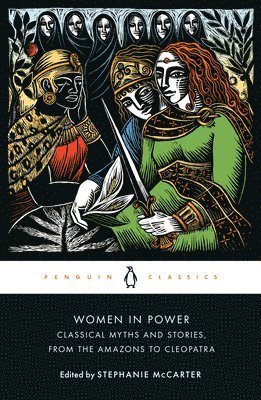
Classical stories about women who wield power, from the Amazons to Dido to CleopatraIn this fascinating anthology, ancient women threaten male power by stepping into the roles traditionally held by men. They command armies, exercise sexual autonomy, speak in public, issue laws and subject others (even masculine heroes and citizen men) to their control. All of these stories were written by men and none of them can be read as affirmations or celebrations of women in power. Instead, their sexist attitudes continue to justify women’s exclusion from power.Yet despite the fear and suspicion the male authors direct toward these women, we can find much to admire in their tales, from the coordinated action of the women of Aristophanes’s Assemblywomen, to the righteous anger of Boudicca against sexual violence by men in power, to the successful resistance of Amanirenas against Rome’s colonial expansion. Read differently, these tales testify to the long history of women in power and suggest new paths for female empowerment.
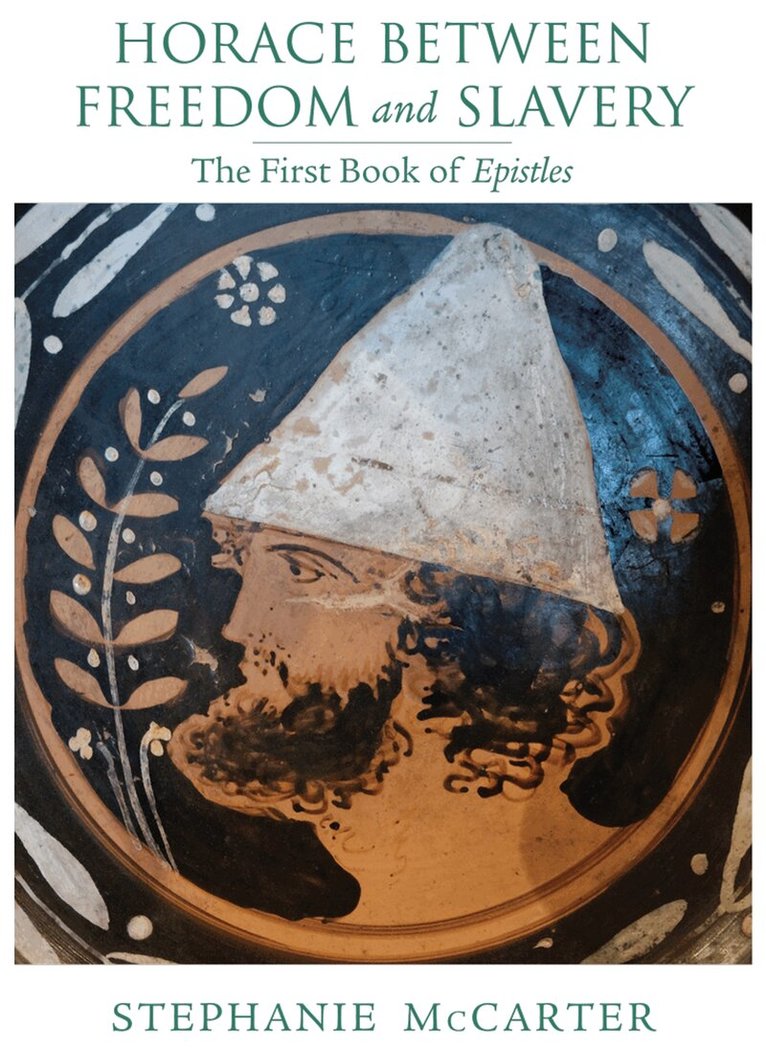
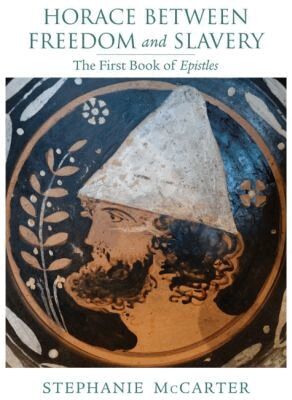
During the Roman transition from Republic to Empire in the first century B.C.E., the poet Horace found his own public success in the era of Emperor Augustus at odds with his desire for greater independence. In Horace between Freedom and Slavery, Stephanie McCarter offers new insights into Horace’s complex presentation of freedom in the first book of his Epistles and connects it to his most enduring and celebrated moral exhortation, the golden mean.She argues that, although Horace commences the Epistles with an uncompromising insistence on freedom, he ultimately adopts a middle course. She shows how Horace explores in the poems the application of moderate freedom first to philosophy, then to friendship, poetry, and place. Rather than rejecting philosophical masters, Horace draws freely on them without swearing permanent allegiance to any—a model for compromise that allows him to enjoy poetic renown and friendships with the city’s elite while maintaining a private sphere of freedom. This moderation and adaptability, McCarter contends, become the chief ethical lessons that Horace learns for himself and teaches to others. She reads Horace’s reconfiguration of freedom as a political response to the transformations of the new imperial age.
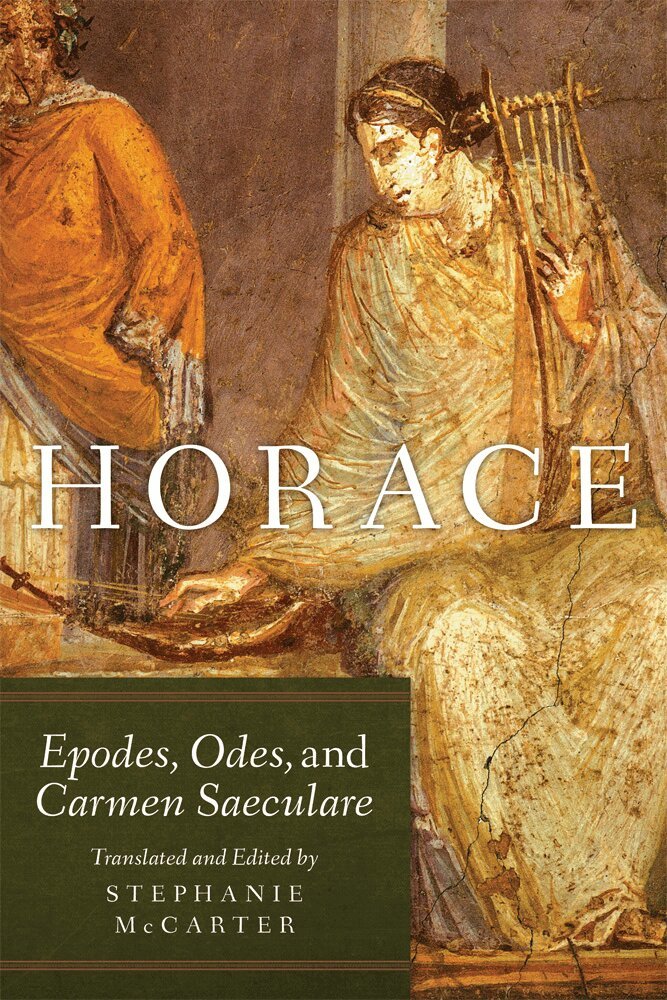
One of the most admired poets of Roman antiquity, Horace (65-8 B.C.E.) had a major influence on later poets and writers. Even for those unfamiliar with his writings, the poet's admonitions to 'seize the day' or follow the 'golden mean' remain an eternal part of our common language. This new edition of Horace's best-known poetry presents the original Latin texts of his well-known Epodes, Odes, and Carmen Saeculare side by side with remarkably faithful English translations.Through rigorous scholarship and keen attention to poetic form and detail, Stephanie McCarter preserves in these pages Horace's stanzaic structures and line numbers, marrying Horace's verse to iambic meter, which has a natural and appealing flow in English. Her careful, line-by-line translation makes these works newly accessible to students and other readers, who will find fresh meaning in Horace's timeless observations about politics, ethics, and aesthetics.Ideally suited for use in both classical literature and Latin language courses, this bilingual edition of Horace's poetry is enhanced by an in-depth introduction, explanatory notes, reference maps, and a glossary of literary terms.
Classical stories about women who wield power, from the Amazons to Dido to CleopatraIn this fascinating anthology, ancient women threaten male power by stepping into the roles traditionally held by men. They command armies, exercise sexual autonomy, speak in public, issue laws and subject others (even masculine heroes and citizen men) to their control. All of these stories were written by men and none of them can be read as affirmations or celebrations of women in power. Instead, their sexist attitudes continue to justify women’s exclusion from power.Yet despite the fear and suspicion the male authors direct toward these women, we can find much to admire in their tales, from the coordinated action of the women of Aristophanes’s Assemblywomen, to the righteous anger of Boudicca against sexual violence by men in power, to the successful resistance of Amanirenas against Rome’s colonial expansion. Read differently, these tales testify to the long history of women in power and suggest new paths for female empowerment.
During the Roman transition from Republic to Empire in the first century B.C.E., the poet Horace found his own public success in the era of Emperor Augustus at odds with his desire for greater independence. In Horace between Freedom and Slavery, Stephanie McCarter offers new insights into Horace’s complex presentation of freedom in the first book of his Epistles and connects it to his most enduring and celebrated moral exhortation, the golden mean.She argues that, although Horace commences the Epistles with an uncompromising insistence on freedom, he ultimately adopts a middle course. She shows how Horace explores in the poems the application of moderate freedom first to philosophy, then to friendship, poetry, and place. Rather than rejecting philosophical masters, Horace draws freely on them without swearing permanent allegiance to any—a model for compromise that allows him to enjoy poetic renown and friendships with the city’s elite while maintaining a private sphere of freedom. This moderation and adaptability, McCarter contends, become the chief ethical lessons that Horace learns for himself and teaches to others. She reads Horace’s reconfiguration of freedom as a political response to the transformations of the new imperial age.
One of the most admired poets of Roman antiquity, Horace (65-8 B.C.E.) had a major influence on later poets and writers. Even for those unfamiliar with his writings, the poet's admonitions to 'seize the day' or follow the 'golden mean' remain an eternal part of our common language. This new edition of Horace's best-known poetry presents the original Latin texts of his well-known Epodes, Odes, and Carmen Saeculare side by side with remarkably faithful English translations.Through rigorous scholarship and keen attention to poetic form and detail, Stephanie McCarter preserves in these pages Horace's stanzaic structures and line numbers, marrying Horace's verse to iambic meter, which has a natural and appealing flow in English. Her careful, line-by-line translation makes these works newly accessible to students and other readers, who will find fresh meaning in Horace's timeless observations about politics, ethics, and aesthetics.Ideally suited for use in both classical literature and Latin language courses, this bilingual edition of Horace's poetry is enhanced by an in-depth introduction, explanatory notes, reference maps, and a glossary of literary terms.