Stephen C. Maberly – författare
Visar alla böcker från författaren Stephen C. Maberly. Handla med fri frakt och snabb leverans.
4 produkter
4 produkter
Inbunden, Engelska, 2024
915 kr
Skickas inom 7-10 vardagar
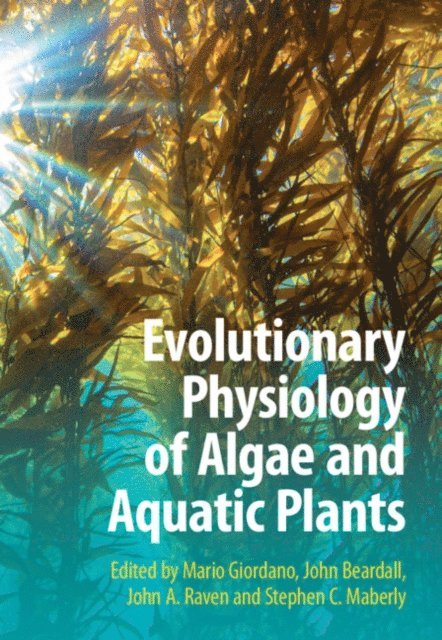
Photosynthetic organisms have an enormous influence on our environment through their effects on the development of other life on Earth and the way they alter the planet's geology and geochemistry. This book takes a unique approach by examining the evolutionary history of the major groups of aquatic photoautotrophs in the context of the ecophysiological characteristics that have allowed them to adapt to the challenges of life in water and thrive under past and present environmental conditions. The important role played by aquatic photoautotrophs on a planet undergoing unprecedented anthropogenic-induced change is also highlighted, in chapters on their critical function in mitigating environmental change through their physiological processes, and on the role of algae in biotechnology. This invaluable resource will be appreciated by researchers and advanced students interested in the biodiversity and evolutionary physiology of the full range of aquatic photoautotrophs, and their interaction with the environment.
E-bok
PDF, Engelska, 20241 069 kr
Läs direkt efter köp
E-bok
Engelska, 20241 069 kr
Läs direkt efter köp
Inbunden, Engelska, 2023
1 619 kr
Skickas inom 10-15 vardagar
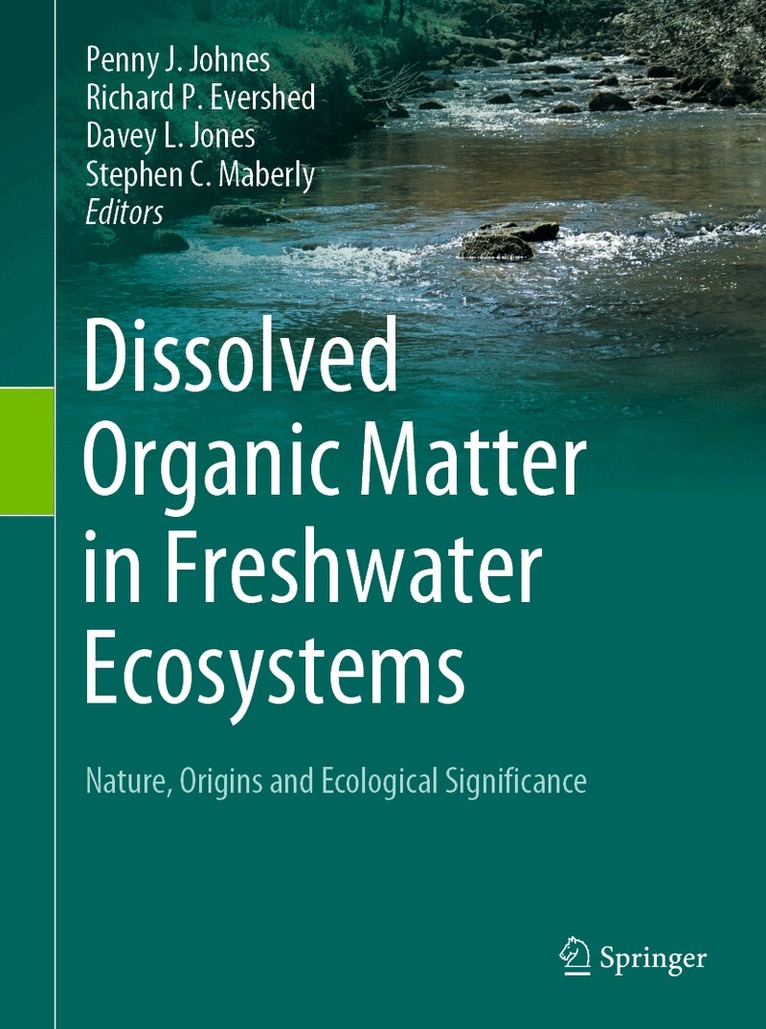
This book contains a collection of papers from the special issue on DOM in Freshwater Ecosystems: Nature, Origins and Ecological Significance, published in Vol. 164, Issue 1 (164-1), 2023. of the journal Biogeochemistry. Nutrient flux to fresh waters is increasing globally wherever there is sustained economic development, generating extensive and undesirable impacts on freshwater ecosystems. Dissolved Organic Matter (DOM) is a key component in this flux, yet its nature, origins and ultimate ecological impacts in freshwater ecosystems are poorly understood.Much research is now underway to characterise DOM in fresh waters, to predict its composition relative to contributing sources in the catchment and to determine its likely ecosystem role within receiving waters. This book brings together some of the latest thinking from this research. It synthesises the state of the science and the history of the interest in DOM in fresh waters and identifies the novel approaches that allow the molecular scale to be probed. These techniques are applied at scale to reveal how catchments of different character determine the nature and supply of DOM in fresh waters and explores its ecological role and significance.The chapters, 'DOM in freshwaters: state of the science and future challenges ', ‘Characterisation of riverine dissolved organic matter using a complementary suite of chromatographic and mass spectrometric methods’, ‘Optical quality of dissolved organic matter in throughfall and stemflow varies across tree species and season in a temperate headwater forest’, ‘Fingerprinting the elemental composition and chemodiversity of Arctic vegetation leachates: consequences for dissolved organic matter dynamics in Arctic environments’, ‘Determining patterns in the composition of dissolved organic matter in freshwaters according to land use and management ‘, ‘Landscape controls on riverine export of dissolved organic carbon from Great’, ‘Isotopic evidence for sources of dissolved carbon and the role of organic matter respiration in the Fraser River basin, Canada’, ‘Dissolved organic nutrients at the interface of fresh and marine waters: flow regime changes, biogeochemical cascades and picocyanobacterial blooms– the example of Florida Bay, USA’, are available open access under a Creative Commons Attribution 4.0 International License via link.springer.comPreviously published in Biogeochemistry Vol. 164, Issue 1 (164-1) 2023