Stephen Healy – författare
Visar alla böcker från författaren Stephen Healy. Handla med fri frakt och snabb leverans.
5 produkter
5 produkter
Häftad, Engelska, 2013
201 kr
Skickas inom 5-8 vardagar
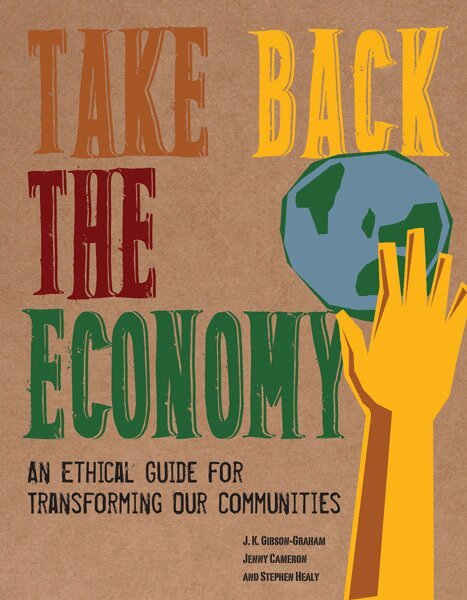
In the wake of economic crisis on a global scale, more and more people are reconsidering their role in the economy and wondering what they can do to make it work better for humanity and the planet. In this innovative book, J. K. Gibson-Graham, Jenny Cameron, and Stephen Healy contribute complex understandings of economics in practical terms: what can we do right now, in our own communities, to make a difference? Full of exercises, thinking tools, and inspiring examples from around the world, Take Back the Economy shows how people can implement small-scale changes in their own lives to create ethical economies. There is no manifesto here, no one prescribed model; rather, readers are encouraged and taught how to take back the economy in ways appropriate for their own communities and context, using what they already have at hand. Take Back the Economy dismantles the idea that the economy is separate from us and best comprehended by experts. Instead, the authors demonstrate that the economy is the outcome of the decisions and efforts we make every day. The economy is thus reframed as a space of ethical action-something we can shape and alter according to what is best for the well-being of people and the planet. The book explores what people are already doing to build ethical economies, presenting these deeds as mutual concerns: What is necessary for survival, and what do we do with the surplus produced beyond what will fulfill basic needs? What do we consume, and how do we preserve and replenish the commons-those resources that can be shared to maintain all? And finally, how can we invest in a future worth living in? Suitable for activists and students alike, Take Back the Economy will be of interest to anyone seeking a more just, sustainable, and equitable world.
Inbunden, Engelska, 2025
1 215 kr
Skickas inom 5-8 vardagar
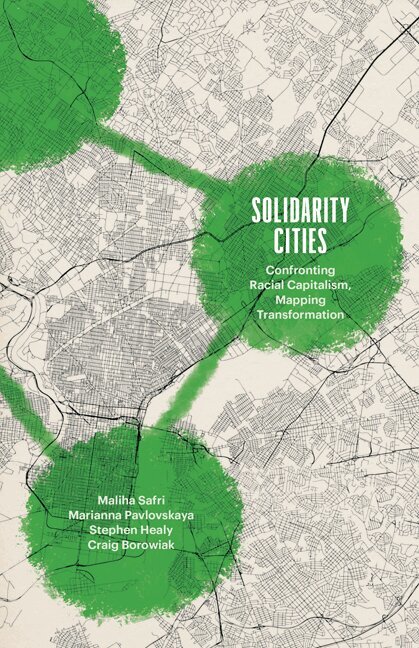
Mapping the transformative effects of America’s urban solidarity economiesSolidarity economies, characterized by diverse practices of cooperation and mutual support, have long played pivotal but largely invisible roles in fostering shared survival and envisioning alternatives to racial capitalism globally and in the United States. This book maps the thriving existence of these cooperative networks in three differently sized American cities, highlighting their commitment to cooperation, democracy, and inclusion and demonstrating the desire-and the pressing need-to establish alternative foundations for social and economic justice. Collectively authored by four social scientists, Solidarity Cities analyzes the deeply entrenched racial and economic divides from which cooperative networks emerge as they work to provide unmet basic needs, including food security, affordable housing, access to fair credit, and employment opportunities. Examining entities such as community gardens, credit unions, cooperatives, and other forms of economic solidarity, the authors highlight how relatively small yet vital interventions into public life can expand into broader movements that help bolster the overall well-being of their surrounding communities. Bringing together insights from geography, political economy, and political science with mapping and spatial analysis methodologies, surveys, and in-depth interviews, Solidarity Cities illuminates the extensive footprints of solidarity economies and the roles they play in communities. The authors show how these initiatives act as bulwarks against gentrification, exploitation, and economic exclusion, helping readers see them as part of the past, present, and future of more livable and just cities. Retail e-book files for this title are screen-reader friendly with images accompanied by short alt text and/or extended descriptions.
Häftad, Engelska, 2025
289 kr
Skickas inom 5-8 vardagar
Mapping the transformative effects of America’s urban solidarity economiesSolidarity economies, characterized by diverse practices of cooperation and mutual support, have long played pivotal but largely invisible roles in fostering shared survival and envisioning alternatives to racial capitalism globally and in the United States. This book maps the thriving existence of these cooperative networks in three differently sized American cities, highlighting their commitment to cooperation, democracy, and inclusion and demonstrating the desire-and the pressing need-to establish alternative foundations for social and economic justice. Collectively authored by four social scientists, Solidarity Cities analyzes the deeply entrenched racial and economic divides from which cooperative networks emerge as they work to provide unmet basic needs, including food security, affordable housing, access to fair credit, and employment opportunities. Examining entities such as community gardens, credit unions, cooperatives, and other forms of economic solidarity, the authors highlight how relatively small yet vital interventions into public life can expand into broader movements that help bolster the overall well-being of their surrounding communities. Bringing together insights from geography, political economy, and political science with mapping and spatial analysis methodologies, surveys, and in-depth interviews, Solidarity Cities illuminates the extensive footprints of solidarity economies and the roles they play in communities. The authors show how these initiatives act as bulwarks against gentrification, exploitation, and economic exclusion, helping readers see them as part of the past, present, and future of more livable and just cities. Retail e-book files for this title are screen-reader friendly with images accompanied by short alt text and/or extended descriptions.
E-bok
Finska, 2019379 kr
Läs direkt efter köp
Elävä talous on opas talouden haltuunottoon ja muuttamiseen jokapäiväisellä toiminnalla. Teos kyseenalaistaa totunnaiset käsitykset taloudesta ja sen keskeisistä ulottuvuuksista: mitä on työ, liiketoiminta, vaihto, omistaminen, sijoittaminen? Osoittamalla, kuinka moninaisin tavoin taloutta voidaan ymmärtää ja harjoittaa, teos tuo tarjolle laajan valikoiman keinoja parantaa yhteistä hyvinvointia rajallisella planeetalla. Teos pohjaa kattavaan empiiriseen ja teoreettiseen tutkimustyöhön taloutta toisin tekevien yksilöiden ja yhteisöjen parissa eri puolilla maailmaa. Teoreettisia ajatuksia havainnollistetaan todellisin ja fiktiivisin esimerkein jo toteutetuista hankkeista, aloitteista ja toimintatavoista. Visuaaliset ja vertauskuvalliset työkalut auttavat lukijaa tiedostamaan talouteen liittyviä eettisiä kysymyksiä ja omia vaikutusmahdollisuuksiaan. Kirja sopii sekä omatoimiseen työskentelyyn että ryhmä- ja koulutuskäyttöön. Teos perustuu englanninkieliseen alkuteokseen Take Back the Economy: An Ethical Guide to Transforming our Communities, jonka kirjoittajat J. K. Gibson-Graham, Jenny Cameron ja Stephen Healy ovat tehneet uraauurtavaa työtä feministisen talousteorian, talousmaantieteen ja yhteisöllisten talouden muotojen tutkimiseksi ja kehittämiseksi. Eeva Talvikallio on yhteiskuntien totunnaisten ajattelumallien ja käytäntöjen kyseenalaistamiseen erikoistunut kirjoittaja ja kääntäjä. Elävä talous on hänen alkuteosta täydentävän kirjoitus- ja suomennostyönsä hedelmä.
92 kr
Läs direkt efter köp
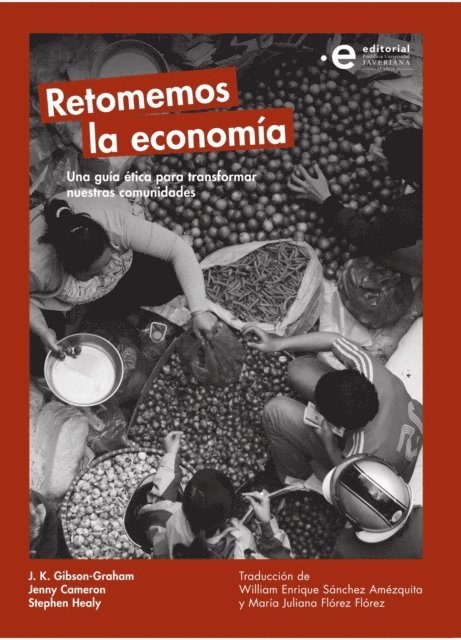
Al despertar de la crisis económica global, más y más gente está reconsiderando su papel en la economía y preguntándose qué puede hacer para que funcione mejor para la humanidad y el planeta. J. K. Gibson-Graham, Jenny Cameron y Stephen Healy contribuyen en términos prácticos a la compleja comprensión de la economía y responden a la pregunta: ¿qué podemos hacer ahora mismo en nuestras comunidades para hacer la diferencia? Con ejercicios atractivos, herramientas para pensar y ejemplos inspiradores de distintos lugares del mundo, este innovador libro muestra de qué manera la gente puede generar cambios a pequeña escala en sus propias vidas para crear economías éticas, pues desmantela la idea según la cual la economía es una cuestión ajena a la gente común y demuestra que es el resultado de las decisiones y los esfuerzos que hacemos en el día a día.