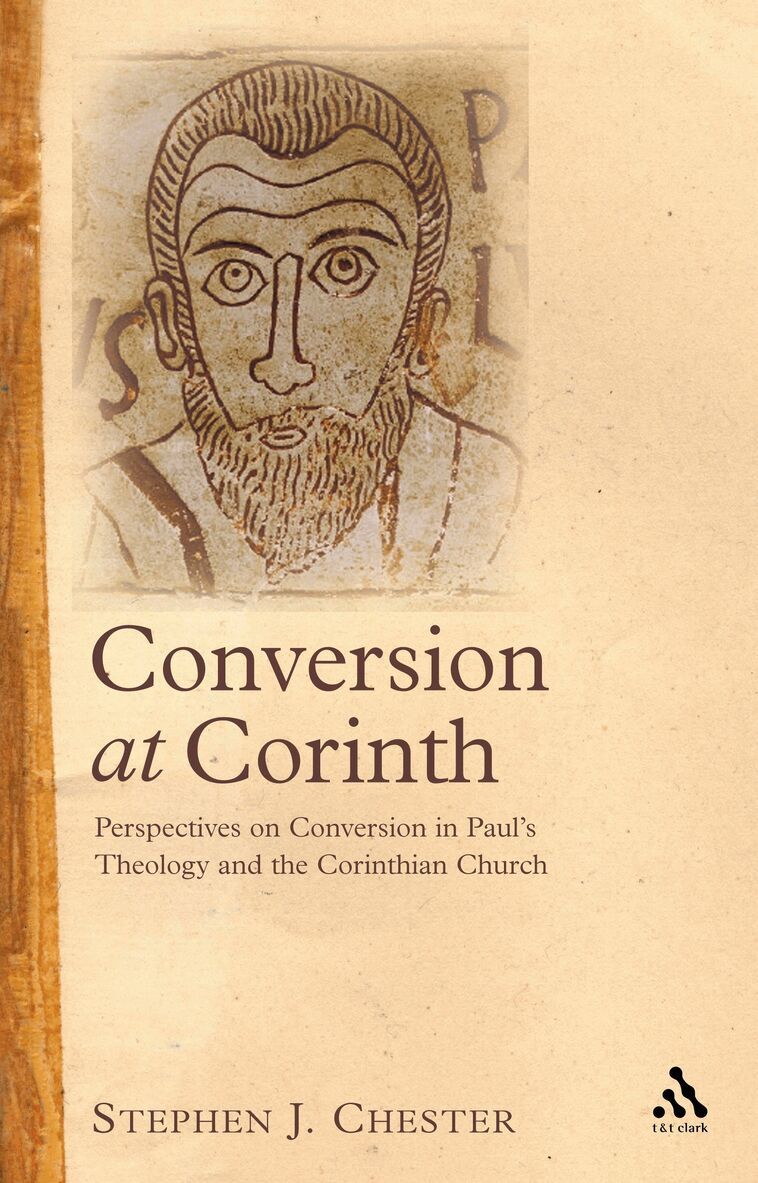
Paul's conversion and its impact on his theology has been studied extensively. Yet little has been done to relate this to Paul's attitude towards the conversion of others, or to perspectives on conversion held by converts in the churches Paul founded. Soteriology is often considered in isolation from the practical issues of how conversion was expected to take place and the nature of its expected consequences. This book addresses these issues, taking account of recent developments in conversion studies in the social sciences and other disciplines. Stephen Chester first reviews these developments and assesses the potential value of sociologist Anthony Gidden's general social theory of structuration. He then utilizes this to explore Paul's perspectives on conversion in relation to both Gentile and Jewish converts. He also explores the Corinthians' perspectives on conversion in the context of Graeco-Roman religious and social life. Here emerges a fascinating account of perspectives on conversion in the crucial formative years of early Christianity.
Paul''s conversion and its impact on his theology has been studied extensively. Yet little has been done to relate this to Paul''s attitude towards the conversion of others, or to perspectives on conversion held by converts in the churches Paul founded. Soteriology is often considered in isolation from the practical issues of how conversion was expected to take place and the nature of its expected consequences. This book addresses these issues, taking account of recent developments in conversion studies in the social sciences and other disciplines. Stephen Chester first reviews these developments and assesses the potential value of sociologist Anthony Gidden''s general social theory of structuration. He then utilizes this to explore Paul''s perspectives on conversion in relation to both Gentile and Jewish converts. He also explores the Corinthians'' perspectives on conversion in the context of Graeco-Roman religious and social life. Here emerges a fascinating account of perspectives on conversion in the crucial formative years of early Christianity.
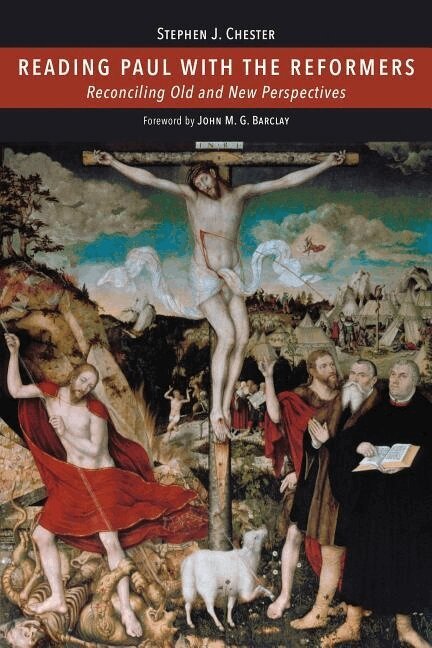
In debates surrounding the New Perspective on Paul, the 16th-century Protestant Reformers are often characterised as the apostle's misinterpreters in chief. In this book Stephen Chester challenges that conception with a careful and nuanced reading of the Reformers' Pauline exegesis. Examining the overall contours of early Reformation exegesis of Paul, Chester contrasts the Reformers with their Roman opponents and explores particular contributions made by such key figures as Luther, Melanchthon, and Calvin. He relates their insights to contemporary debates in Pauline theology about justification, union with Christ, and other central themes, arguing that their work remains a significant resource today. Being published in the 500th anniversary year of the Protestant Reformation, Reading Paul with the Reformers reclaims a robust, contemporary understanding of how the Reformers really read Paul.
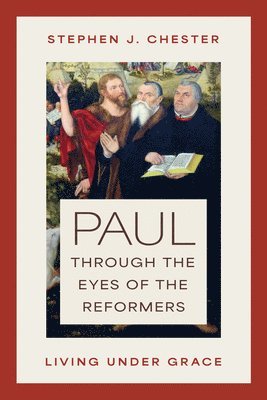
A brilliant reappraisal of Protestant Reformers views on Paul In this incisive book, Stephen Chester challenges misconceptions and provides new insights into how sixteenth-century Protestant Reformers interpreted the writings of Paul. Writing for those who are interpreting Pauline letters in and for todays world, Chester demonstrates the value of a nuanced and accurate understanding of the Reformers views on Paul. Throughout the book, Chester draws on key ideas from his monumental work Reading Paul with the Reformers, which won Christianity Todays book of the year award in biblical studies. In Paul through the Eyes of the Reformers, Chester updates the argument and presents the ideas in a shorter and more accessible form designed for a broad readership. To help readers better understand the Reformers historical and theological context, Chester surveys perspectives on Paul prior to the sixteenth century. Against this background, Chester illuminates the paradigm shifts in Pauline interpretation that unfolded during the Reformation, paying special attention to the work of Martin Luther, Philip Melanchthon, and John Calvin. He also discusses the promise and challenge of reading Paul with the Reformers today, highlighting the importance of engaging with the Reformers work critically, reaching different conclusions from them where necessary, and taking inspiration from them when appropriate. Paul through the Eyes of the Reformers is a remarkable resource for biblical scholars who care about Paul and his theology.
Romans 6 is one of the most important texts on Christian living, conversion, and baptism, and it is foundational for Christian ethics. It profoundly challenges widespread cultural assumptions in the West about individual autonomy and what it means to be authentically human. It also challenges believers to live up to their gospel and its implications.In this exposition of Romans 6, two senior scholars offer guidance on preaching and teaching major Pauline theological concepts. Romans 6 reveals the foundation of Paul's theology and indeed the whole of Christianity: We must die with Christ to live with him. The authors place this important chapter within the context of the entire letter, trace its influence on theology and church doctrine, and show how this classic text can speak afresh to the life of the church today. The book is perfect for sermon preparation and small group study.The Touchstone Texts series addresses key Bible passages, making high-quality biblical scholarship accessible to the church. The series editor is Stephen B. Chapman, Duke Divinity School.