Stephen Misener – författare
Visar alla böcker från författaren . Handla med fri frakt och snabb leverans.
3 produkter
3 produkter
Inbunden, Engelska, 1999
1 613 kr
Skickas inom 10-15 vardagar
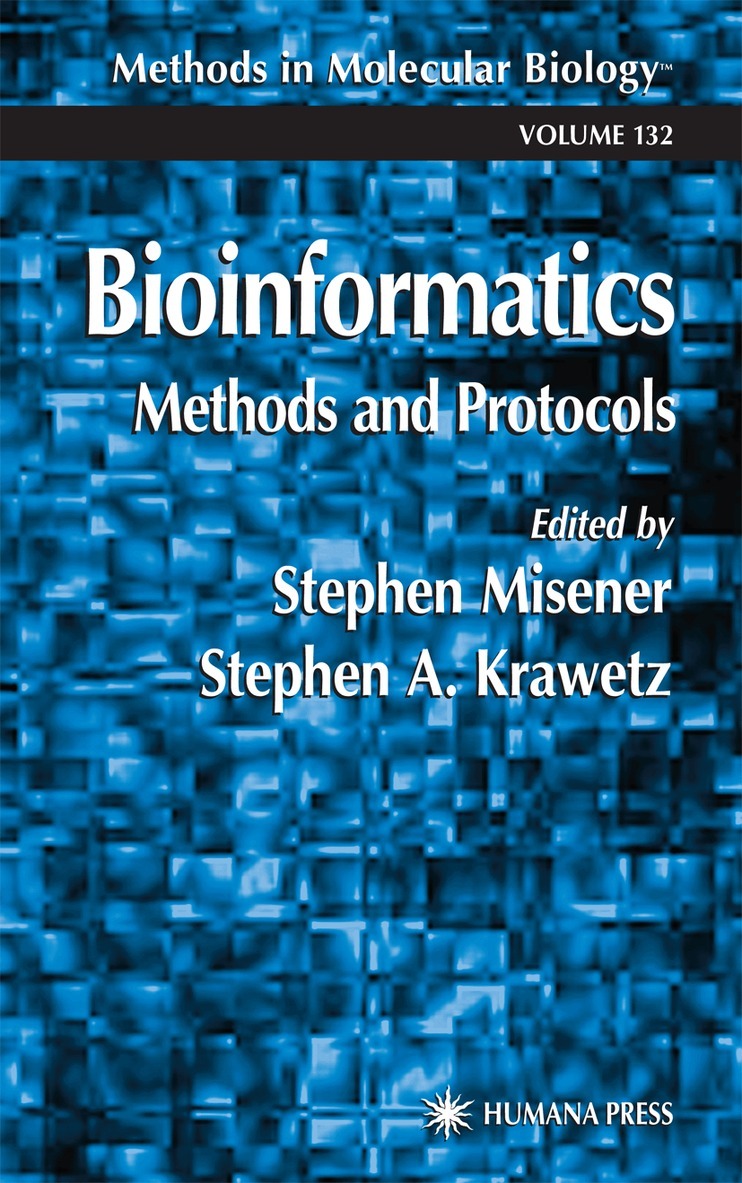
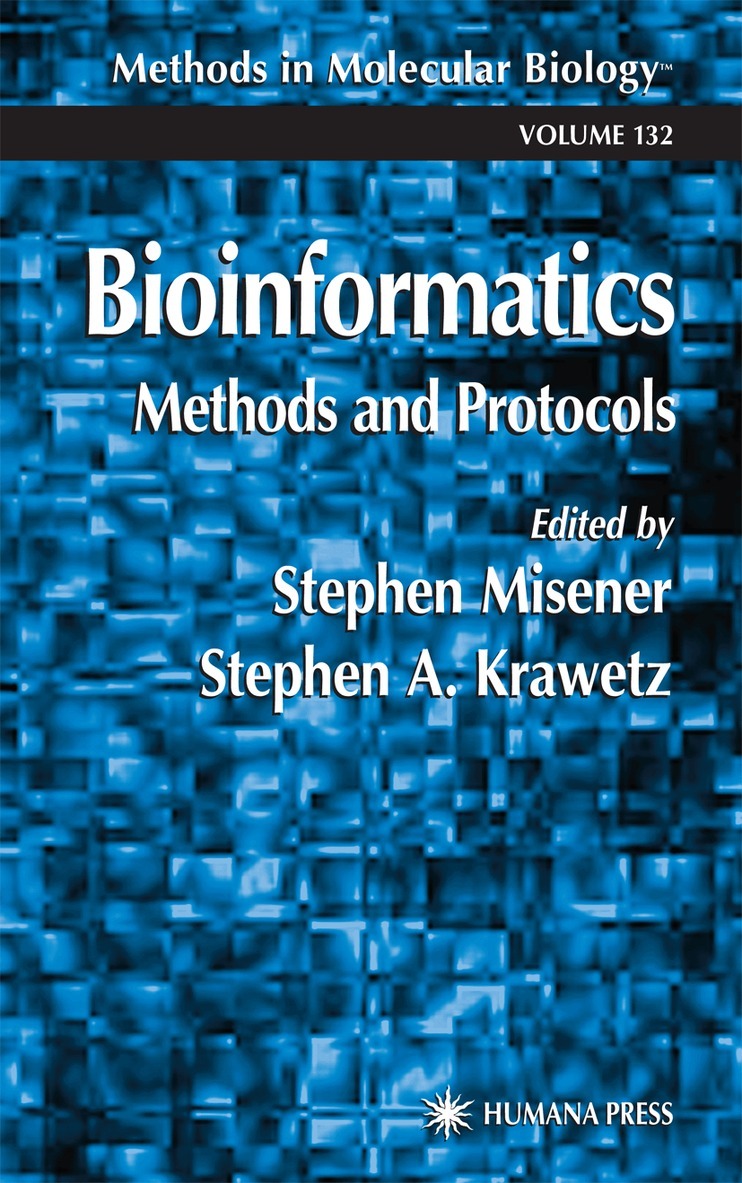
Computers have become an essential component of modern biology. They help to manage the vast and increasing amount of biological data and continue to play an integral role in the discovery of new biological relationships. This in silico approach to biology has helped to reshape the modern biological sciences. With the biological revolution now among us, it is imperative that each scientist develop and hone today’s bioinformatics skills, if only at a rudimentary level. Bioinformatics Methods and Protocols was conceived as part of the Methods in Molecular Biology series to meet this challenge and to provide the experienced user with useful tips and an up-to-date overview of current developments. It builds upon the foundation that was provided in the two-volume set published in 1994 entitled Computer Analysis of Sequence Data. We divided Bioinformatics Methods and Protocols into five parts, including a thorough survey of the basic sequence analysis software packages that are available at most institutions, as well as the design and implemen- tion of an essential introductory Bioinformatics course. In addition, we included sections describing specialized noncommercial software, databases, and other resources available as part of the World Wide Web and a stimul- ing discussion of some of the computational challenges biologists now face and likely future solutions.
E-bok
Engelska, 20082 044 kr
Läs direkt efter köp
Computers have become an essential component of modern biology. They help to manage the vast and increasing amount of biological data and continue to play an integral role in the discovery of new biological relationships. This in silico approach to biology has helped to reshape the modern biological sciences. With the biological revolution now among us, it is imperative that each scientist develop and hone today’s bioinformatics skills, if only at a rudimentary level. Bioinformatics Methods and Protocols was conceived as part of the Methods in Molecular Biology series to meet this challenge and to provide the experienced user with useful tips and an up-to-date overview of current developments. It builds upon the foundation that was provided in the two-volume set published in 1994 entitled Computer Analysis of Sequence Data. We divided Bioinformatics Methods and Protocols into five parts, including a thorough survey of the basic sequence analysis software packages that are available at most institutions, as well as the design and implemen- tion of an essential introductory Bioinformatics course. In addition, we included sections describing specialized noncommercial software, databases, and other resources available as part of the World Wide Web and a stimul- ing discussion of some of the computational challenges biologists now face and likely future solutions.
Häftad, Engelska, 2010
1 608 kr
Skickas inom 10-15 vardagar
Computers have become an essential component of modern biology. They help to manage the vast and increasing amount of biological data and continue to play an integral role in the discovery of new biological relationships. This in silico approach to biology has helped to reshape the modern biological sciences. With the biological revolution now among us, it is imperative that each scientist develop and hone today’s bioinformatics skills, if only at a rudimentary level. Bioinformatics Methods and Protocols was conceived as part of the Methods in Molecular Biology series to meet this challenge and to provide the experienced user with useful tips and an up-to-date overview of current developments. It builds upon the foundation that was provided in the two-volume set published in 1994 entitled Computer Analysis of Sequence Data. We divided Bioinformatics Methods and Protocols into five parts, including a thorough survey of the basic sequence analysis software packages that are available at most institutions, as well as the design and implemen- tion of an essential introductory Bioinformatics course. In addition, we included sections describing specialized noncommercial software, databases, and other resources available as part of the World Wide Web and a stimul- ing discussion of some of the computational challenges biologists now face and likely future solutions.