Stephen Reyna – författare
Visar alla böcker från författaren Stephen Reyna. Handla med fri frakt och snabb leverans.
8 produkter
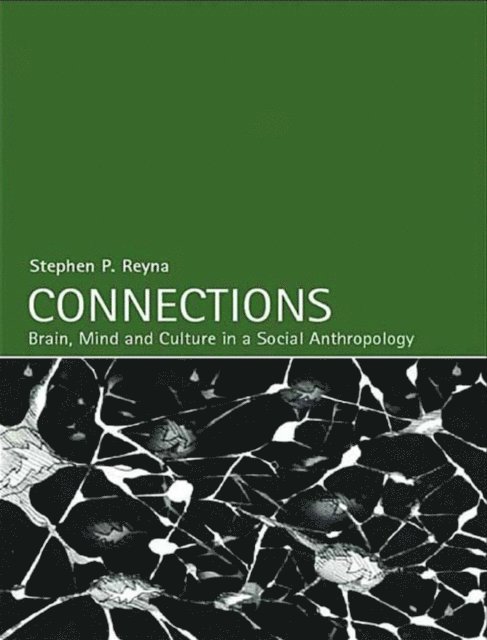
Connections
Brain, Mind and Culture in a Social Anthropology
Inbunden, 2002
2475 kr
Lägg i varukorg
Have you ever wondered how the internal space of our brain connects with the external space of society? Drawing on hermeneutics and neuroscience Stephen Reyna develops an anthropological theory that explains the relationship between the biological and the cultural.Recent popular interest in the …
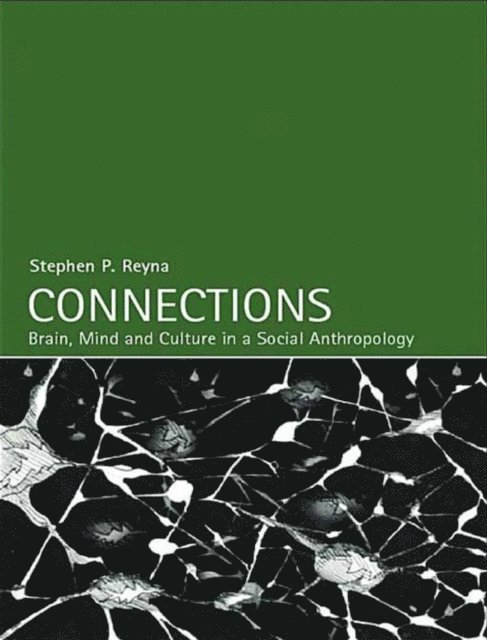
Connections
Brain, Mind and Culture in a Social Anthropology
Häftad, 2002
735 kr
Lägg i varukorg
Have you ever wondered how the internal space of our brain connects with the external space of society? Drawing on hermeneutics and neuroscience Stephen Reyna develops an anthropological theory that explains the relationship between the biological and the cultural.Recent popular interest in the …
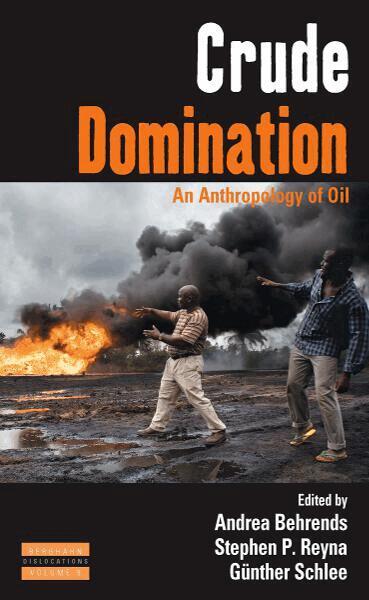
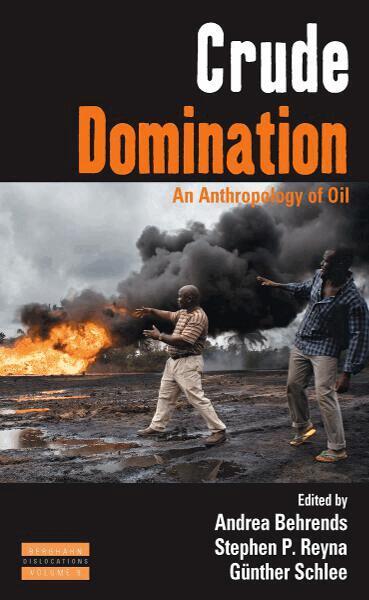
Crude Domination
An Anthropology of Oil
Av Andrea Behrends, Stephen Reyna m. fl.
Inbunden, 2011
1921 kr
Lägg i varukorg
Crude Domination is an innovative and important book about a critical topic – oil. While there have been numerous works about petroleum from ‘experience-far’ perspectives, there have been relatively few that have turned the ‘experience-near’ ethnographic gaze of anthropology on the topic. Crude …
Crude Domination
An Anthropology of Oil
Av Gunther Schlee, Stephen Reyna m. fl.
E-bok, 2011
326 kr
Lägg i varukorg
Crude Domination is an innovative and important book about a critical topic – oil. While there have been numerous works about petroleum from ‘experience-far’ perspectives, there have been relatively few that have turned the ‘experience-near’ ethnographic gaze of anthropology on the topic. Crude …
Connections
Brain, Mind and Culture in a Social Anthropology
E-bok, 2003
866 kr
Lägg i varukorg
Have you ever wondered how the internal space of our brain connects with the external space of society? Drawing on hermeneutics and neuroscience Stephen Reyna develops an anthropological theory that explains the relationship between the biological and the cultural. Recent popular interest in the …
Connections
Brain, Mind and Culture in a Social Anthropology
E-bok, 2003
866 kr
Lägg i varukorg
Have you ever wondered how the internal space of our brain connects with the external space of society? Drawing on hermeneutics and neuroscience Stephen Reyna develops an anthropological theory that explains the relationship between the biological and the cultural. Recent popular interest in the …
Crude Domination
An Anthropology of Oil
Av Andrea Behrends, Stephen Reyna m. fl.
Häftad, 2013
527 kr
Lägg i varukorg
Crude Domination is an innovative and important book about a critical topic – oil. While there have been numerous works about petroleum from ‘experience-far’ perspectives, there have been relatively few that have turned the ‘experience-near’ ethnographic gaze of anthropology on the topic. Crude …
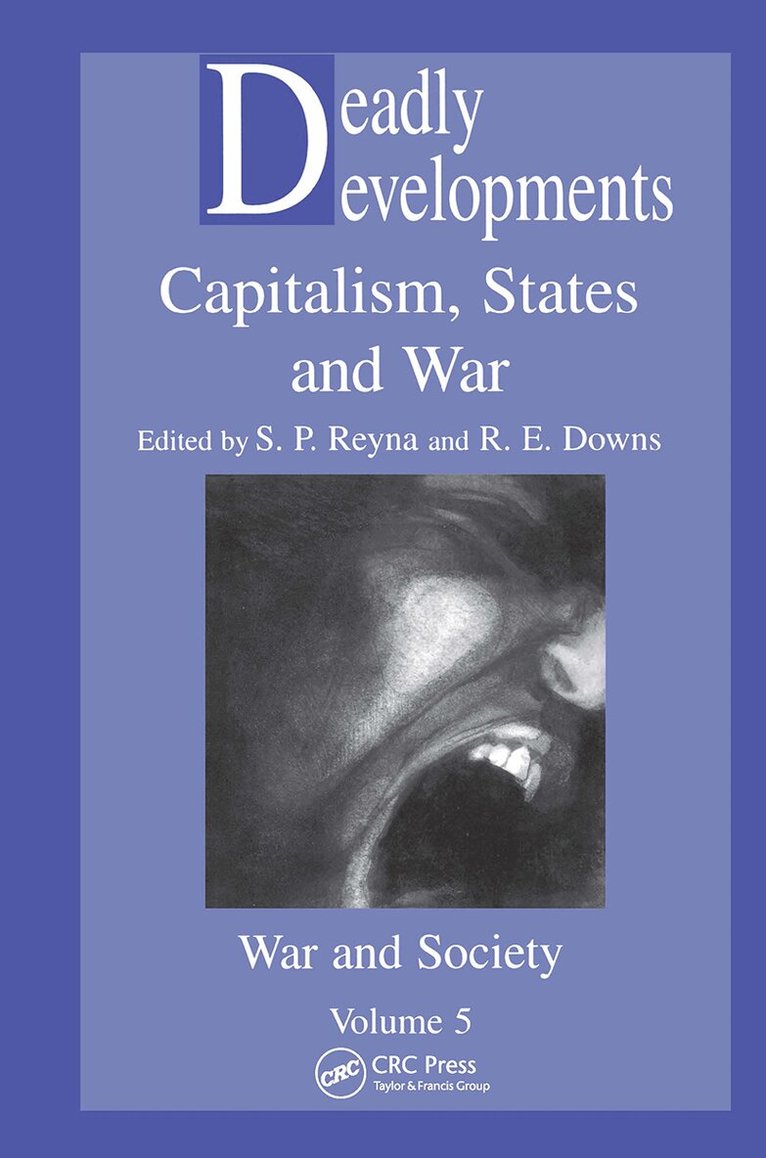
Deadly Developments
Av Stephen Reyna, S. P. Reyna m. fl.
Inbunden, 1999
2510 kr
Lägg i varukorg
Ten anthropologists trace the machinations of war and the effects of violence in capitalist states, from their formation to the present. This collection, the newest volume in the War and Society series, questions the foundations of classical social theory while investigating local and international …