Steve Smale – författare
Visar alla böcker från författaren Steve Smale. Handla med fri frakt och snabb leverans.
6 produkter
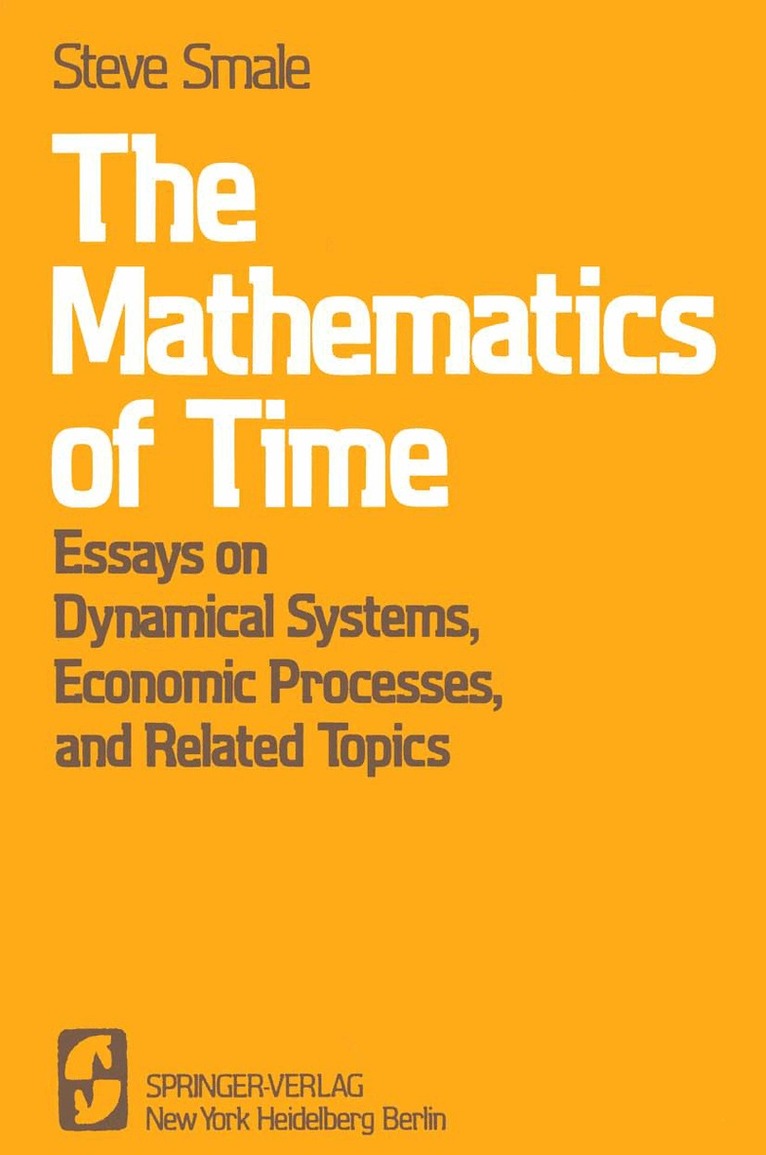
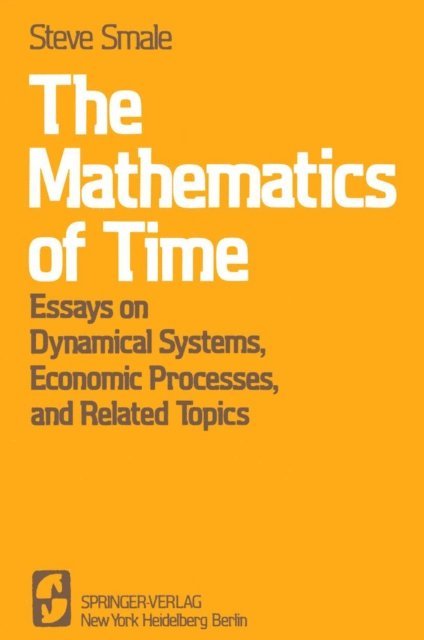
Mathematics of Time
Essays on Dynamical Systems, Economic Processes, and Related Topics
Av Steve Smale
Häftad, 1980
876 kr
Lägg i varukorg
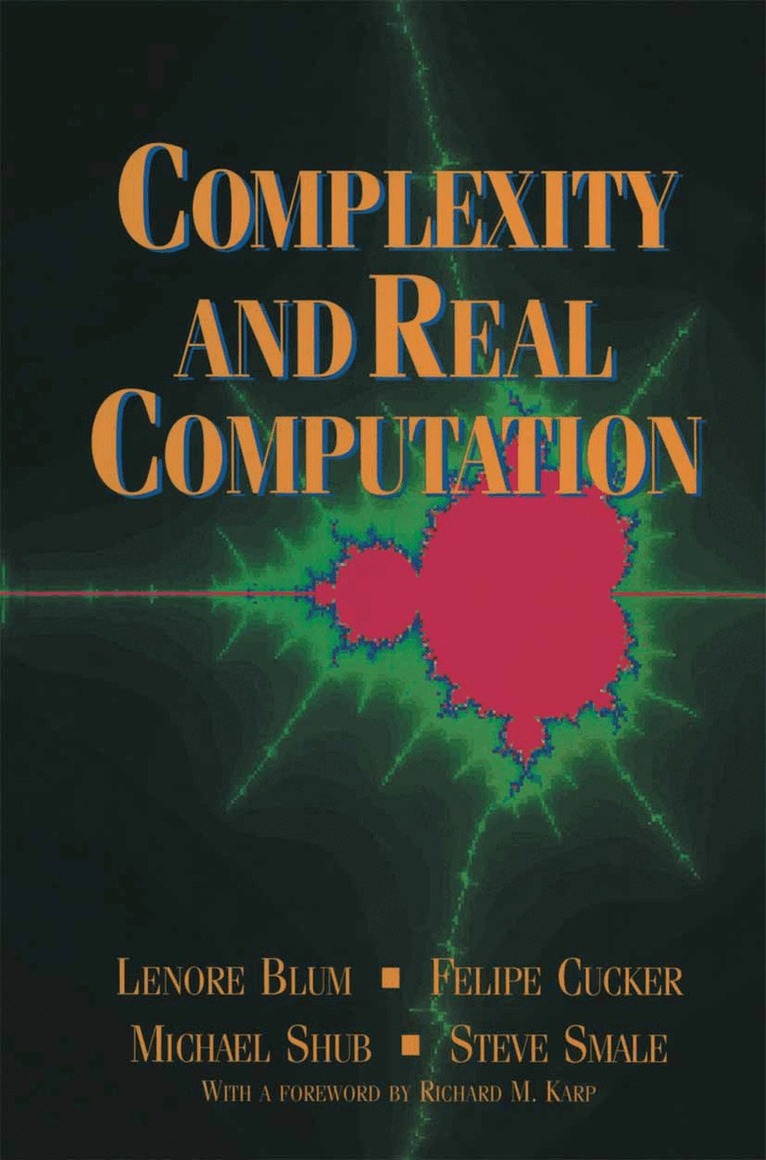
Complexity and Real Computation
Av Lenore Blum, Felipe Cucker m. fl.
Inbunden, 1997
875 kr
Lägg i varukorg
Computational complexity theory provides a framework for understanding the cost of solving computational problems, as measured by the requirement for resources such as time and space. The objects of study are algorithms defined within a formal model of computation. Upper bounds on the computational …
Mathematics of Numerical Analysis
Av James Renegar, Michael. Shub m. fl.
Häftad, 1996
2147 kr
Lägg i varukorg
The lectures in this volume are the proceedings from the 1995 AMS-SIAM Summer Seminar in Applied Mathematics held in Park City, UT. The mathematical theory of real number algorithms was the subject of the conference, with emphasis on geometrical, algebraic, analytic, and foundational perspectives. …
Complexity and Real Computation
Av Steve Smale, Michael Shub m. fl.
E-bok, 2012
734 kr
Lägg i varukorg
Computational complexity theory provides a framework for understanding the cost of solving computational problems, as measured by the requirement for resources such as time and space. The objects of study are algorithms defined within a formal model of computation. Upper bounds on the computational …
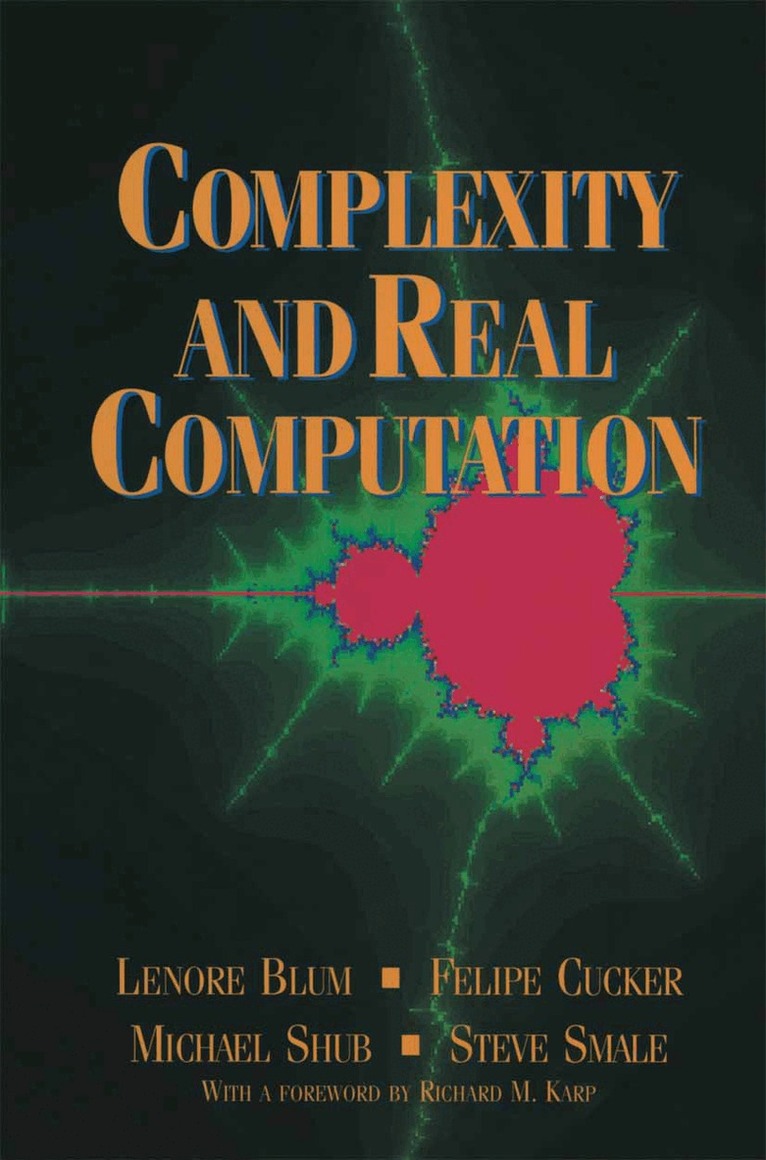
Complexity and Real Computation
Av Lenore Blum, Felipe Cucker m. fl.
Häftad, 2012
550 kr
Lägg i varukorg
Computational complexity theory provides a framework for understanding the cost of solving computational problems, as measured by the requirement for resources such as time and space. The objects of study are algorithms defined within a formal model of computation. Upper bounds on the computational …
Mathematics of Time
Essays on Dynamical Systems, Economic Processes, and Related Topics
Av Steve Smale
E-bok, 2012
1141 kr
Lägg i varukorg