Steven J. Harris – författare
Visar alla böcker från författaren Steven J. Harris. Handla med fri frakt och snabb leverans.
9 produkter
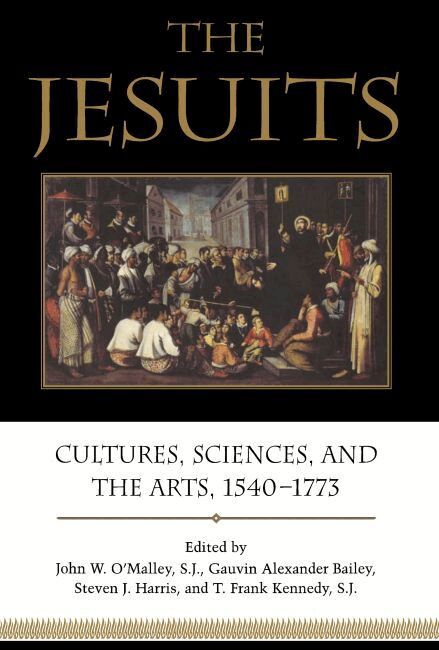
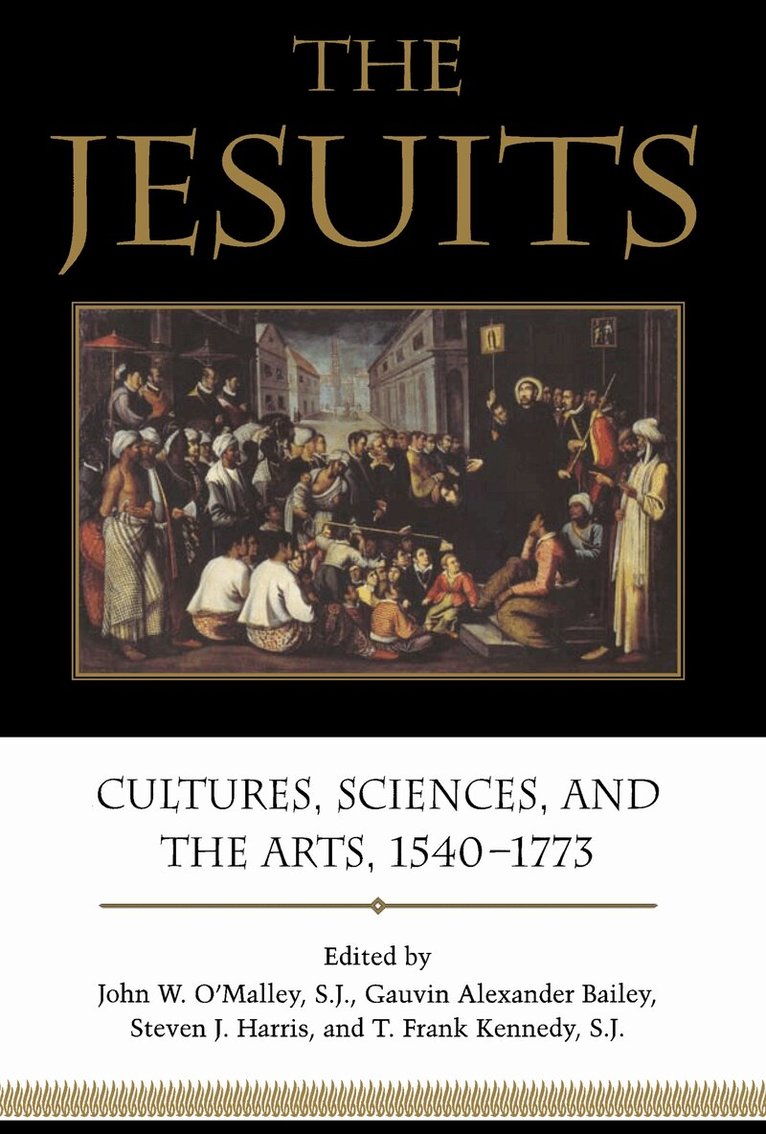
Jesuits
Cultures, Sciences, and the Arts, 1540-1773
Av John W. O'Malley, Gauvin Alexander Bailey m. fl.
Inbunden, 1999
1141 kr
Lägg i varukorg
In recent years scholars in a range of disciplines have begun to re-evaluate the history of the Society of Jesus. Approaching the subject with new questions and methods, they have reconsidered the importance of the Society in many sectors, including those related to the sciences and the arts. They …
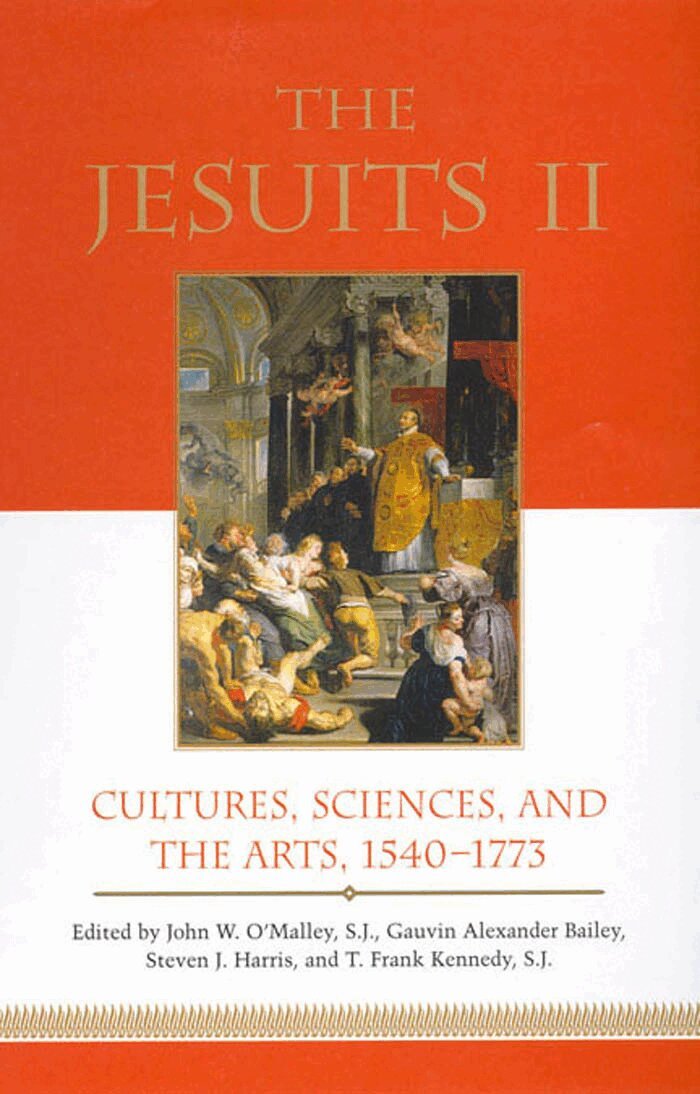
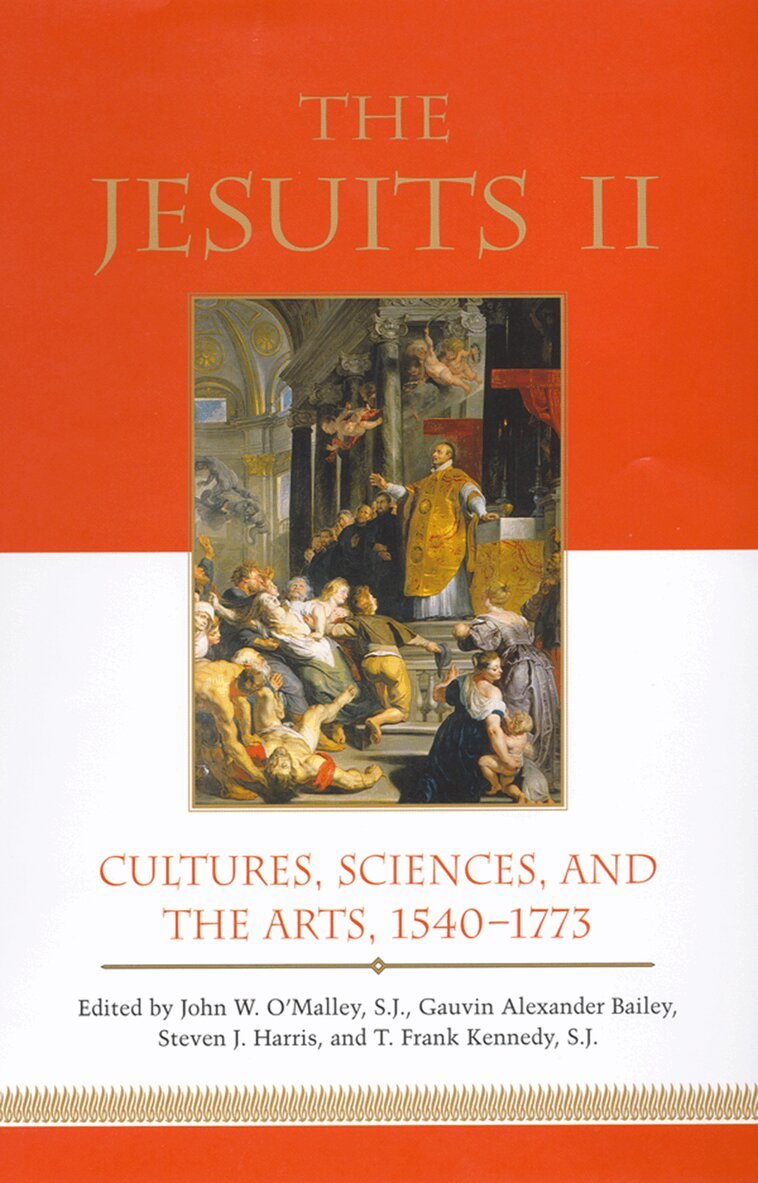
Jesuits II
Cultures, Sciences, and the Arts, 1540-1773
Av John W. O'Malley, Gauvin Alexander Bailey m. fl.
E-bok, 2006
789 kr
Lägg i varukorg
Recent years have seen scholars in a wide range of disciplines re-evaluate the history of the Society of Jesus. In 1997, a group of scholars convened a major international conference to discuss the world of the Jesuits between 1540 and 1773 (the year of its suppression by papal edict). This meeting …
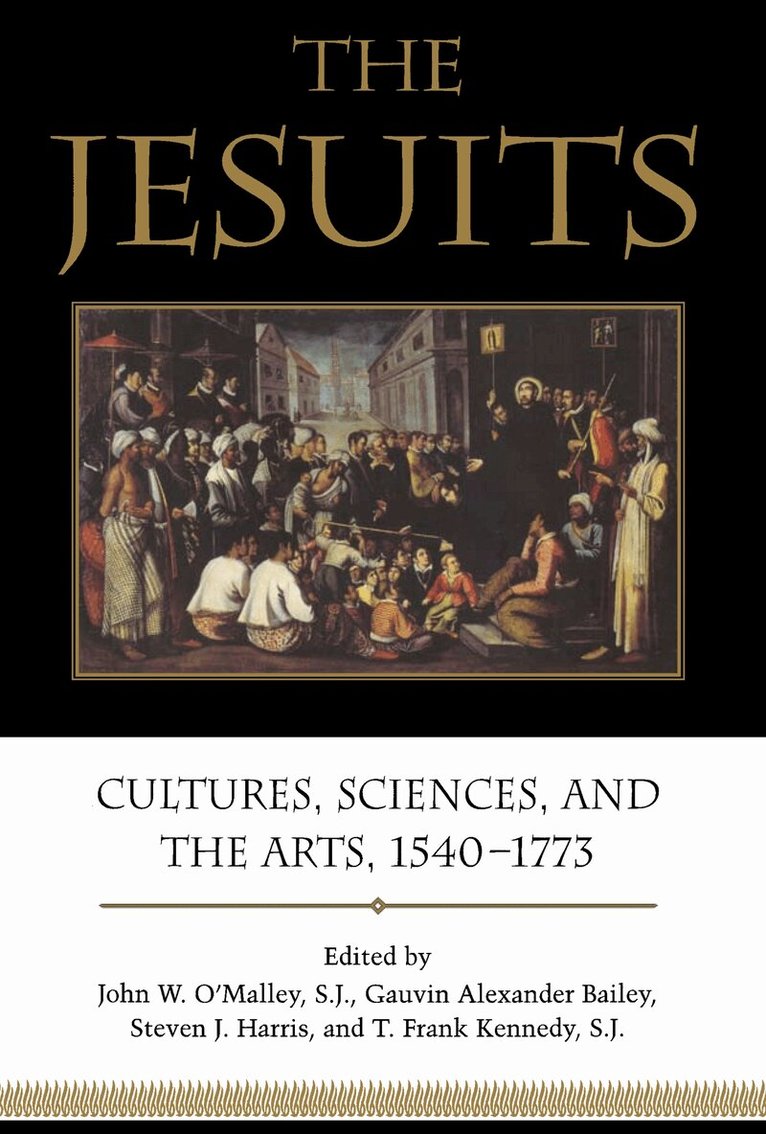
Jesuits
Cultures, Sciences, and the Arts, 1540-1773
Av John W. O'Malley, Gauvin Alexander Bailey m. fl.
E-bok, 2000
717 kr
Lägg i varukorg
In recent years scholars in a range of disciplines have begun to re-evaluate the history of the Society of Jesus. Approaching the subject with new questions and methods, they have reconsidered the importance of the Society in many sectors, including those related to the sciences and the arts. They …
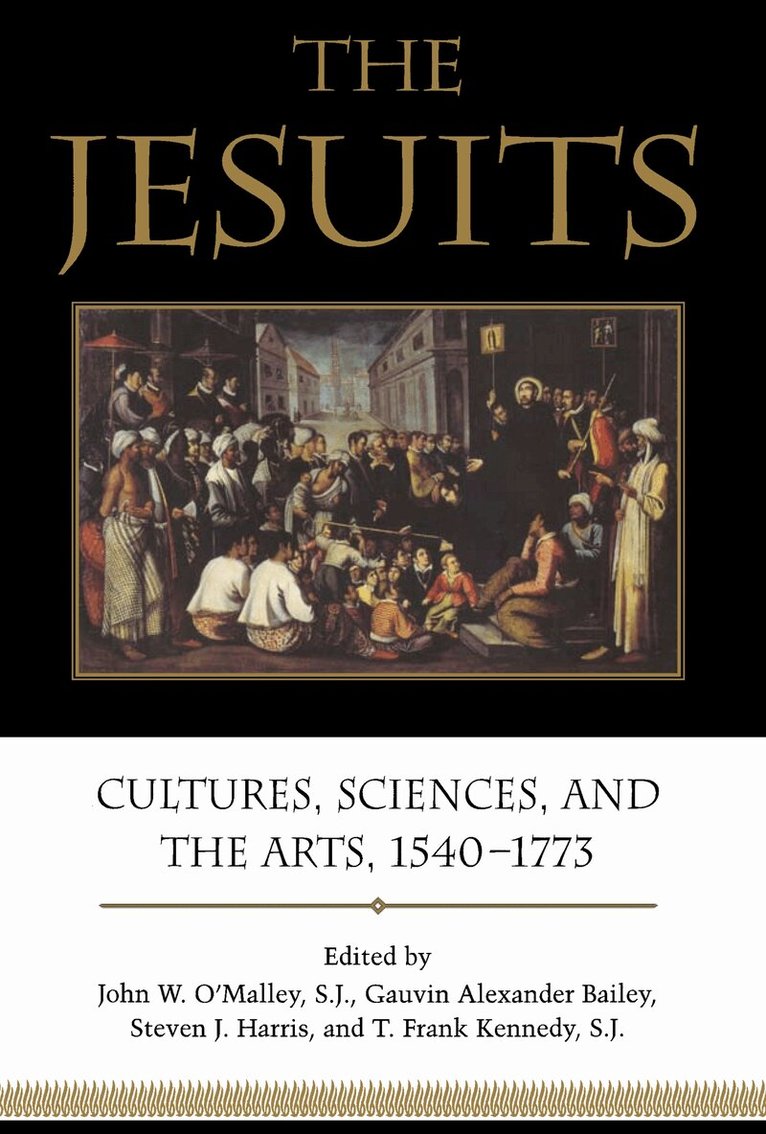
Jesuits
Cultures, Sciences, and the Arts, 1540-1773
Av John W. O'Malley, Gauvin Alexander Bailey m. fl.
E-bok, 2016
717 kr
Lägg i varukorg
In recent years scholars in a range of disciplines have begun to re-evaluate the history of the Society of Jesus. Approaching the subject with new questions and methods, they have reconsidered the importance of the Society in many sectors, including those related to the sciences and the arts. They …
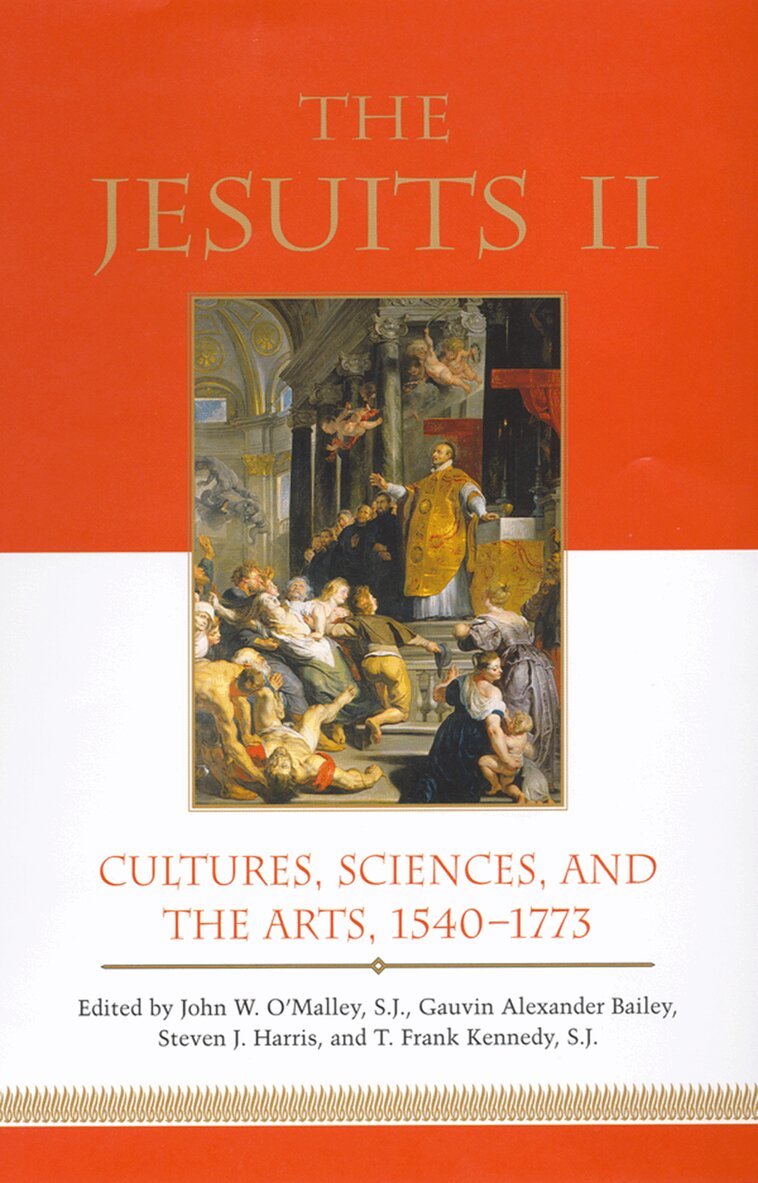
Jesuits II
Cultures, Sciences, and the Arts, 1540-1773
Av John W. O'Malley, Gauvin Alexander Bailey m. fl.
E-bok, 2016
815 kr
Lägg i varukorg
Recent years have seen scholars in a wide range of disciplines re-evaluate the history of the Society of Jesus. In 1997, a group of scholars convened a major international conference to discuss the world of the Jesuits between 1540 and 1773 (the year of its suppression by papal edict). This meeting …
Jesuits
Cultures, Sciences, and the Arts, 1540-1773
Av John W. O'Malley, Gauvin Alexander Bailey m. fl.
Häftad, 2015
556 kr
Lägg i varukorg
In recent years scholars in a range of disciplines have begun to re-evaluate the history of the Society of Jesus. Approaching the subject with new questions and methods, they have reconsidered the importance of the Society in many sectors, including those related to the sciences and the arts. They …
Jesuits II
Cultures, Sciences, and the Arts, 1540-1773
Av John W. O'Malley, Gauvin Alexander Bailey m. fl.
Häftad, 2016
635 kr
Lägg i varukorg
Recent years have seen scholars in a wide range of disciplines re-evaluate the history of the Society of Jesus. In 1997, a group of scholars convened a major international conference to discuss the world of the Jesuits between 1540 and 1773 (the year of its suppression by papal edict). This meeting …
Crucible of War, 1939-1945
The Official History of the Royal Canadian Air Force
Av Brereton Greenhous, Steven J. Harris m. fl.
E-bok, 1994
909 kr
Lägg i varukorg
Some 40 per cent of RCAF aircrew who served overseas during the Second World War did so in RACF squadrons. This is their story. The first RCAF squadron to see action in the Second World War was No. 1 Fighter Squadron, later to be No. 401, which from 18 August 1940 participated in the Battle of …
Crucible of War, 1939-1945
The Official History of the Royal Canadian Air Force
Av Brereton Greenhous, Steven J. Harris m. fl.
Häftad, 1994
725 kr
Lägg i varukorg
Some 40 per cent of RCAF aircrew who served overseas during the Second World War did so in RACF squadrons. This is their story. The first RCAF squadron to see action in the Second World War was No. 1 Fighter Squadron, later to be No. 401, which from 18 August 1940 participated in the Battle of …