Steven Serels – författare
Visar alla böcker från författaren Steven Serels. Handla med fri frakt och snabb leverans.
9 produkter
9 produkter
Inbunden, Engelska, 2013
621 kr
Skickas inom 10-15 vardagar
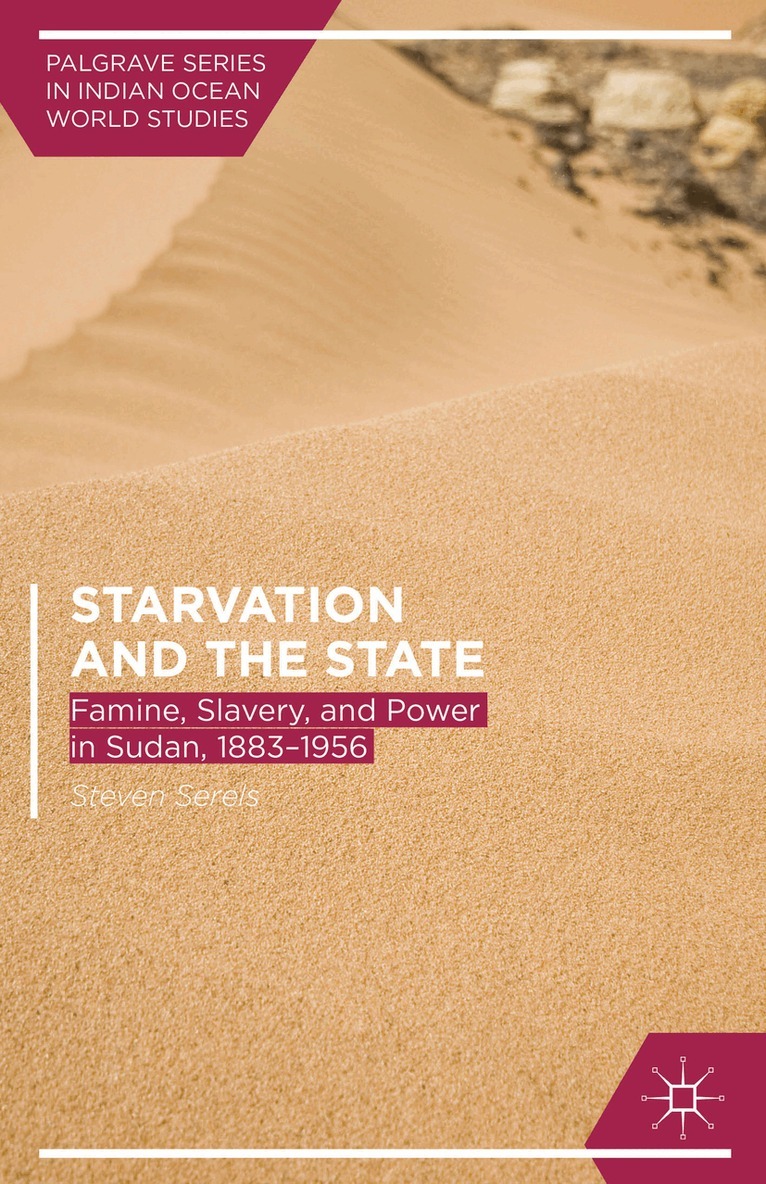
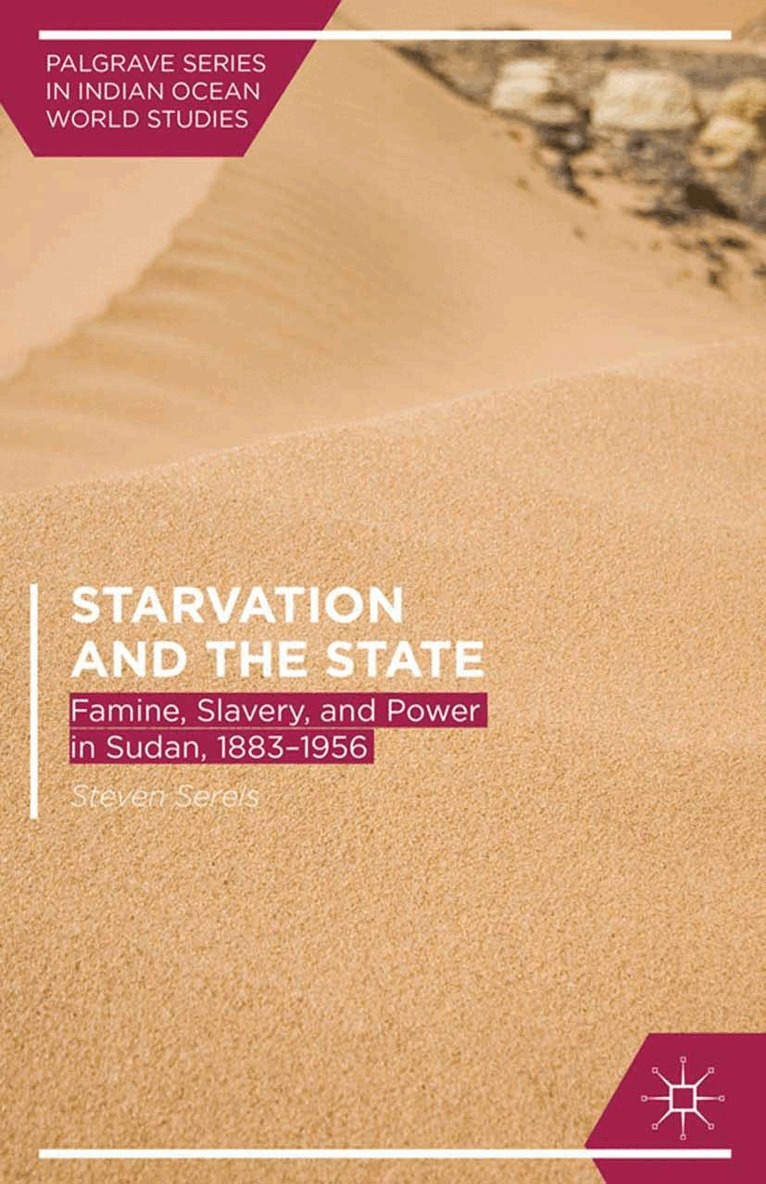
Sudan has historically suffered devastating famines that have powerfully reshaped its society. This study shows that food crises were the result of exploitative processes that transferred resources to a small group of beneficiaries, including British imperial agents and indigenous elites who went on to control the Sudanese state at independence.
E-bok
PDF, Engelska, 2013748 kr
Läs direkt efter köp
Sudan has historically suffered devastating famines that have powerfully reshaped its society. This study shows that food crises were the result of exploitative processes that transferred resources to a small group of beneficiaries, including British imperial agents and indigenous elites who went on to control the Sudanese state at independence.
Häftad, Engelska, 2013
621 kr
Skickas inom 10-15 vardagar
Sudan has historically suffered devastating famines that have powerfully reshaped its society. This study shows that food crises were the result of exploitative processes that transferred resources to a small group of beneficiaries, including British imperial agents and indigenous elites who went on to control the Sudanese state at independence.
Häftad, Engelska, 2018
956 kr
Skickas inom 10-15 vardagar
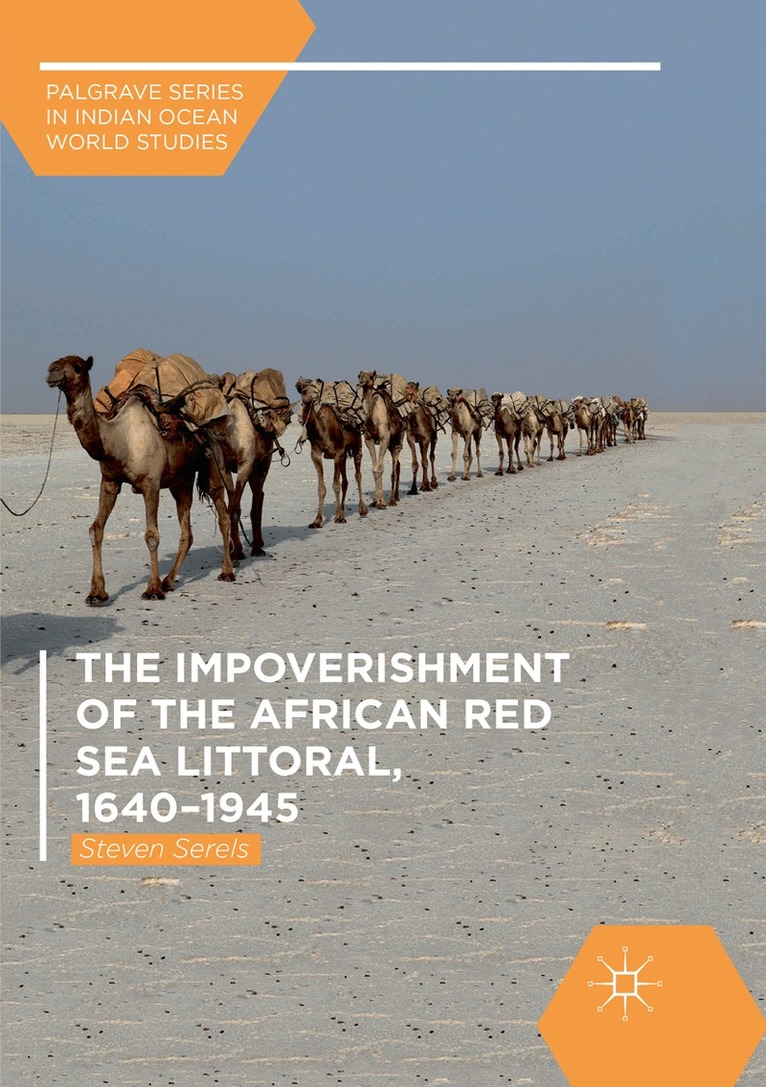
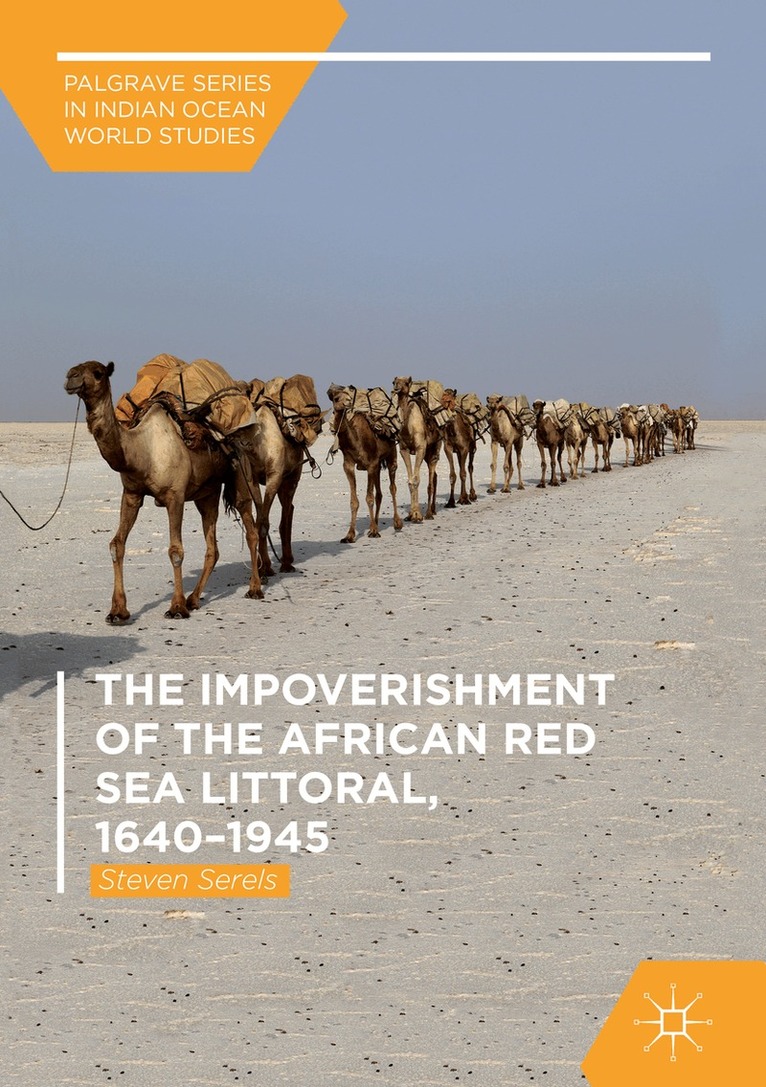
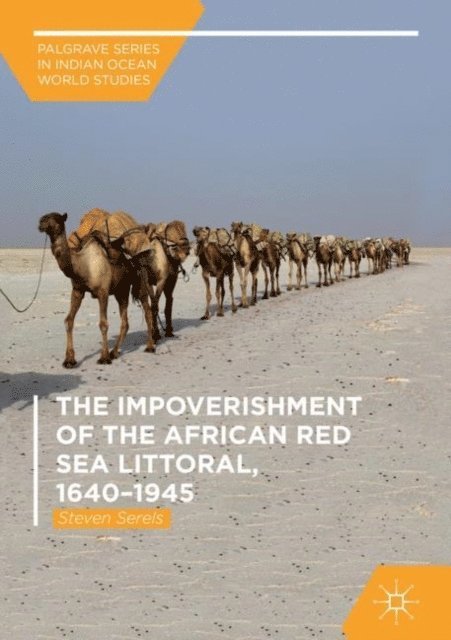
The African Red Sea Littoral, currently divided between Sudan, Eritrea, Ethiopia, and Djibouti, is one of the poorest regions in the world. But the pastoralist communities indigenous to this region were not always poor—historically, they had access to a variety of resources that allowed them to prosper in the harsh, arid environment. This access was mediated by a robust moral economy of pastoralism that acted as a social safety net. Steven Serels charts the erosion of this moral economy, a slow-moving process that began during the Little Ice Age mega-drought of the seventeenth and eighteenth centuries and continued through the devastating famines of the twentieth century. By examining mass sedentarization after the Second World War as merely the latest manifestation of an inter-generational environmental and economic crisis, this book offers an innovative lens for understanding poverty in northeastern Africa.
Inbunden, Engelska, 2019
1 571 kr
Skickas inom 10-15 vardagar
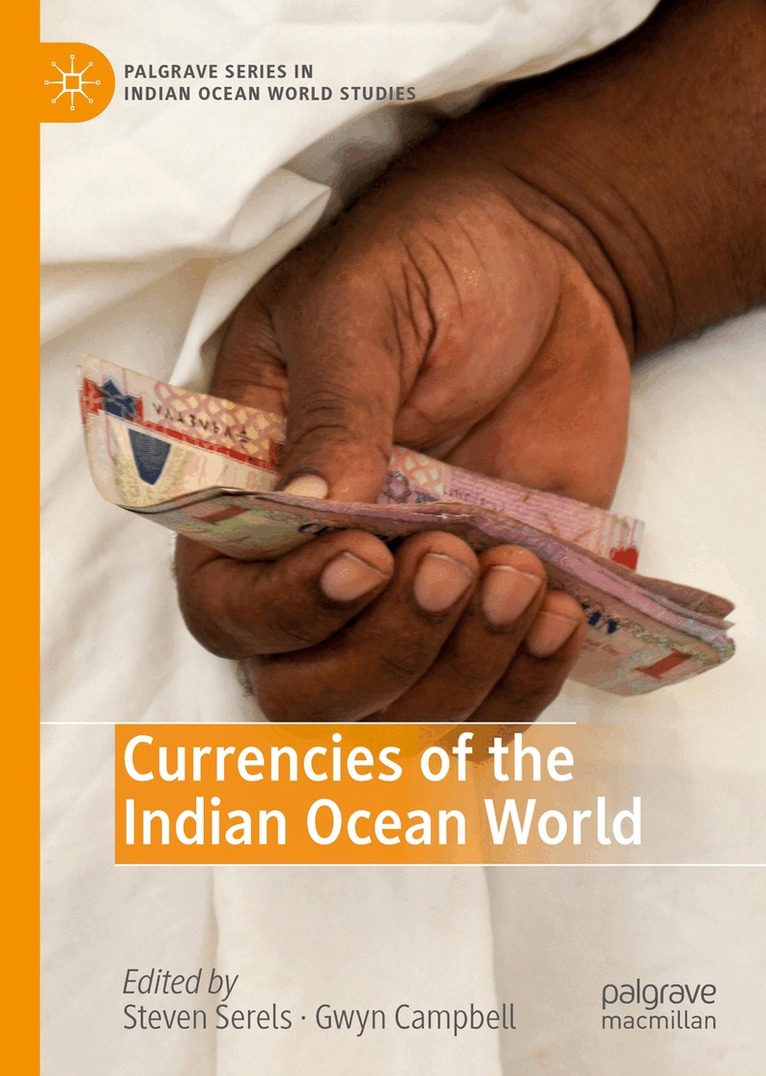
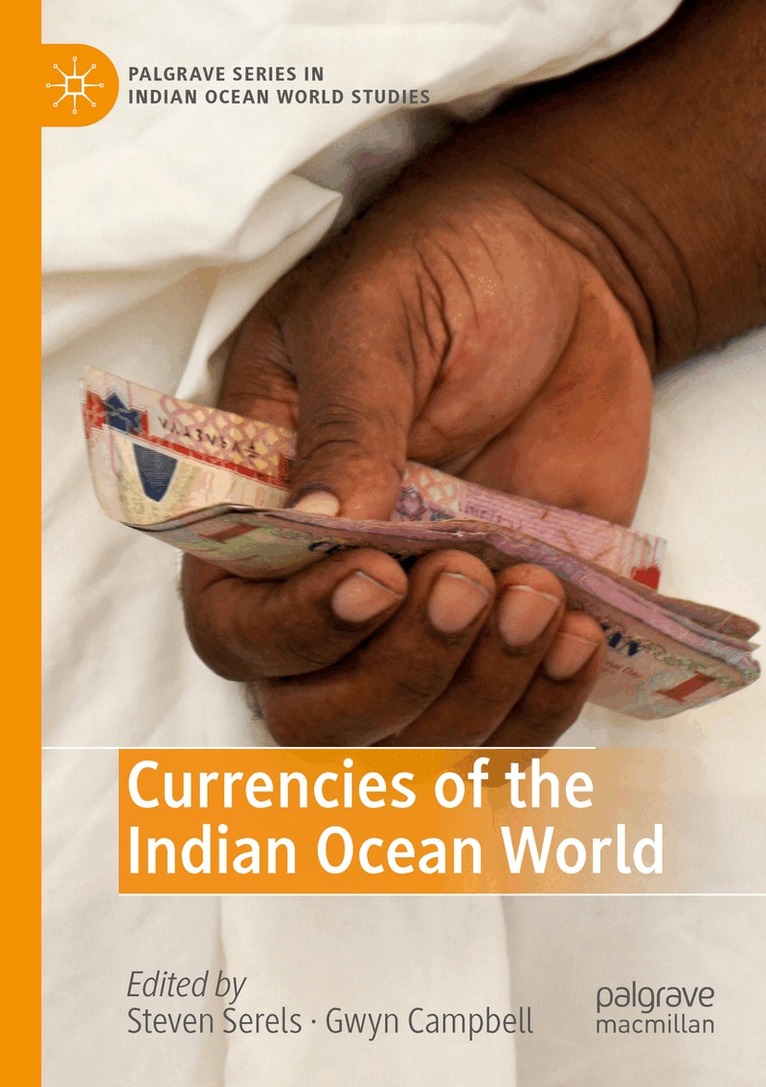
This book is the first to trace the unique monetary history of the Indian Ocean World. Long-distance trade across the region was facilitated by a highly complex multi-currency system undergirded by shared ideas that transcended ethno-linguistic, religious and class divisions. Currencies also occupied key roles in local spiritual, aesthetic and affective practices. Foregrounding these tensions between the global/universalistic and the local/particularistic, the volume shows how this traditional currency system remained in place until the middle of the twentieth century, and how aspects of the system continue to inform monetary practices throughout the region. With case studies covering China, India, the Arabian Sea, the Red Sea, East Africa, Zanzibar, Madagascar and Mauritius from the thirteenth to the twenty-first centuries, this volume explores the central role currencies played in economic exchange as well as in establishing communal bonds, defining state power and expressing religious sentiments.
E-bok
Engelska, 20191 879 kr
Läs direkt efter köp
This book is the first to trace the unique monetary history of the Indian Ocean World. Long-distance trade across the region was facilitated by a highly complex multi-currency system undergirded by shared ideas that transcended ethno-linguistic, religious and class divisions. Currencies also occupied key roles in local spiritual, aesthetic and affective practices. Foregrounding these tensions between the global/universalistic and the local/particularistic, the volume shows how this traditional currency system remained in place until the middle of the twentieth century, and how aspects of the system continue to inform monetary practices throughout the region. With case studies covering China, India, the Arabian Sea, the Red Sea, East Africa, Zanzibar, Madagascar and Mauritius from the thirteenth to the twenty-first centuries, this volume explores the central role currencies played in economic exchange as well as in establishing communal bonds, defining state power and expressing religious sentiments.
Häftad, Engelska, 2020
1 571 kr
Skickas inom 10-15 vardagar
This book is the first to trace the unique monetary history of the Indian Ocean World. Long-distance trade across the region was facilitated by a highly complex multi-currency system undergirded by shared ideas that transcended ethno-linguistic, religious and class divisions. Currencies also occupied key roles in local spiritual, aesthetic and affective practices. Foregrounding these tensions between the global/universalistic and the local/particularistic, the volume shows how this traditional currency system remained in place until the middle of the twentieth century, and how aspects of the system continue to inform monetary practices throughout the region. With case studies covering China, India, the Arabian Sea, the Red Sea, East Africa, Zanzibar, Madagascar and Mauritius from the thirteenth to the twenty-first centuries, this volume explores the central role currencies played in economic exchange as well as in establishing communal bonds, defining state power and expressing religious sentiments.
Inbunden, Engelska, 2018
956 kr
Skickas inom 10-15 vardagar
The African Red Sea Littoral, currently divided between Sudan, Eritrea, Ethiopia, and Djibouti, is one of the poorest regions in the world. But the pastoralist communities indigenous to this region were not always poor—historically, they had access to a variety of resources that allowed them to prosper in the harsh, arid environment. This access was mediated by a robust moral economy of pastoralism that acted as a social safety net. Steven Serels charts the erosion of this moral economy, a slow-moving process that began during the Little Ice Age mega-drought of the seventeenth and eighteenth centuries and continued through the devastating famines of the twentieth century. By examining mass sedentarization after the Second World War as merely the latest manifestation of an inter-generational environmental and economic crisis, this book offers an innovative lens for understanding poverty in northeastern Africa.
E-bok
Engelska, 20181 182 kr
Läs direkt efter köp
The African Red Sea Littoral, currently divided between Sudan, Eritrea, Ethiopia, and Djibouti, is one of the poorest regions in the world. But the pastoralist communities indigenous to this region were not always poor—historically, they had access to a variety of resources that allowed them to prosper in the harsh, arid environment. This access was mediated by a robust moral economy of pastoralism that acted as a social safety net. Steven Serels charts the erosion of this moral economy, a slow-moving process that began during the Little Ice Age mega-drought of the seventeenth and eighteenth centuries and continued through the devastating famines of the twentieth century. By examining mass sedentarization after the Second World War as merely the latest manifestation of an inter-generational environmental and economic crisis, this book offers an innovative lens for understanding poverty in northeastern Africa.