Steven Umbrello - Böcker
Visar alla böcker från författaren Steven Umbrello. Handla med fri frakt och snabb leverans.
8 produkter
8 produkter
602 kr
Skickas inom 7-10 vardagar
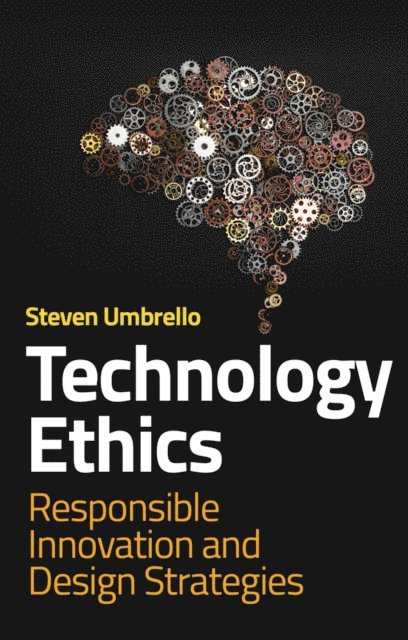
Technologies cannot simply be understood as neutral tools or instruments; they embody the values of their creators and may unconsciously reinforce existing inequalities and biases.Technology Ethics shows how responsible innovation can be achieved. Demonstrating how design and philosophy converge, the book delves into the intricate narratives that shape our understanding of technology – from instrumentalist views to social constructivism. Yet, at its core, it champions interactionalism as the most promising and responsible narrative. Through compelling examples and actionable tools this book unravels the nuances of these philosophical positions, and is tailored to foster responsible innovation and thoughtful design. As our everyday lives further intertwine with technology, understanding and implementing these design principles becomes not just beneficial, but essential.This concise and accessible introduction is essential reading for students and scholars of philosophy of technology, engineering ethics, science and technology studies, and human–machine communication, as well as policymakers.
205 kr
Skickas inom 7-10 vardagar
Technologies cannot simply be understood as neutral tools or instruments; they embody the values of their creators and may unconsciously reinforce existing inequalities and biases.Technology Ethics shows how responsible innovation can be achieved. Demonstrating how design and philosophy converge, the book delves into the intricate narratives that shape our understanding of technology – from instrumentalist views to social constructivism. Yet, at its core, it champions interactionalism as the most promising and responsible narrative. Through compelling examples and actionable tools this book unravels the nuances of these philosophical positions, and is tailored to foster responsible innovation and thoughtful design. As our everyday lives further intertwine with technology, understanding and implementing these design principles becomes not just beneficial, but essential.This concise and accessible introduction is essential reading for students and scholars of philosophy of technology, engineering ethics, science and technology studies, and human–machine communication, as well as policymakers.
538 kr
Skickas inom 10-15 vardagar
This open access book shows how value sensitive design (VSD), responsible innovation, and comprehensive engineering can guide the rapid development of technological responses to the COVID-19 crisis. Responding to the ethical challenges of data-driven technologies and other tools requires thinking about values in the context of a pandemic as well as in a post-COVID world. Instilling values must be prioritized from the beginning, not only in the emergency response to the pandemic, but in how to proceed with new societal precedents materializing, new norms of health surveillance, and new public health requirements.The contributors with expertise in VSD bridge the gap between ethical acceptability and social acceptance. By addressing ethical acceptability and societal acceptance together, VSD guides COVID-technologies in a way that strengthens their ability to fight the virus, and outlines pathways for the resolution of moral dilemmas. This volume provides diachronic reflections on the crisis response to address long-term moral consequences in light of the post-pandemic future. Both contact-tracing apps and immunity passports must work in a multi-system environment, and will be required to succeed alongside institutions, incentive structures, regulatory bodies, and current legislation. This text appeals to students, researchers and importantly, professionals in the field.
432 kr
Skickas inom 10-15 vardagar
This open access book shows how value sensitive design (VSD), responsible innovation, and comprehensive engineering can guide the rapid development of technological responses to the COVID-19 crisis. Responding to the ethical challenges of data-driven technologies and other tools requires thinking about values in the context of a pandemic as well as in a post-COVID world. Instilling values must be prioritized from the beginning, not only in the emergency response to the pandemic, but in how to proceed with new societal precedents materializing, new norms of health surveillance, and new public health requirements.The contributors with expertise in VSD bridge the gap between ethical acceptability and social acceptance. By addressing ethical acceptability and societal acceptance together, VSD guides COVID-technologies in a way that strengthens their ability to fight the virus, and outlines pathways for the resolution of moral dilemmas. This volume provides diachronic reflections on the crisis response to address long-term moral consequences in light of the post-pandemic future. Both contact-tracing apps and immunity passports must work in a multi-system environment, and will be required to succeed alongside institutions, incentive structures, regulatory bodies, and current legislation. This text appeals to students, researchers and importantly, professionals in the field.
Digitally Divided
The Impact of Technology on Belief and Societal Polarization
Inbunden, Engelska, 2026
2 342 kr
Kommande
This book offers a critical exploration of how digital technologies are reshaping religious belief, ethical frameworks, and social cohesion. As faith and ideology increasingly migrate to online platforms, the book examines how algorithm-driven content, echo chambers, and decentralized authority structures influence discourse and deepen societal divides. Drawing from interdisciplinary perspectives in religious studies, sociology, philosophy, and digital humanities, this volume interrogates how sacred rituals, spaces, and moral narratives are being transformed in the digital age. Amid rising concerns over misinformation and polarization, this timely work challenges the assumption that technology must inevitably fragment communities. Instead, it explores how digital spaces might also foster new forms of dialogue, connection, and meaning. From online religious practices to surveillance ethics and the digital reshaping of spiritual authority, Digitally Divided maps the risks and possibilities at the intersection of belief and technology. Essential reading for scholars, students, and practitioners across multiple disciplines, it is a vital contribution to understanding how we live, believe, and connect in an increasingly digitized world.
1 349 kr
Skickas inom 7-10 vardagar
The study of the social implications of human enhancement is an interdisciplinary work that draws from the fields of political science, sociology, philosophy, and bioethics, among others. It is also a complex and rapidly evolving subject that raises important questions about the potential benefits and risks of these technologies, as well as how society should govern and regulate their development and use. An in-depth exploration of current and future human enhancement technologies, this book delves into the specifics of current and emerging human enhancement technologies, such as cognitive enhancers, brain-computer interfaces, and genetic engineering, discussing the state of the art, the limitations and also the technological developments that one can expect in the future and how they can be regulated and used responsibly.
Del 2 - Politics of Human Enhancement
Theology of Human Enhancement in Western Traditions
Inbunden, Engelska, 2026
1 553 kr
Kommande
In the rapidly advancing landscape of science and technology, humanity stands at the threshold of unprecedented possibilities, particularly in the realm of human enhancement. Theologians, philosophers, ethicists, and scientists engage in profound discussions about the ethical, moral, and spiritual implications of enhancing the human experience. What does it mean to be human in the face of technological augmentation? How do religious traditions perceive the ethical boundaries of human enhancement? Can spirituality coexist with the pursuit of enhancing our physical, cognitive, and emotional capacities? This volume embarks on comprehensively exploring these questions and more, drawing from diverse theological perspectives, ethical frameworks, and scientific insights. This book aims to bridge the gap between theology, ethics, and emerging technologies by fostering an interdisciplinary dialogue. It encourages readers to contemplate the intricate relationship between humanity’s quest for enhancement and the enduring spiritual questions that have captivated human minds for centuries.
1 156 kr
Skickas inom 7-10 vardagar
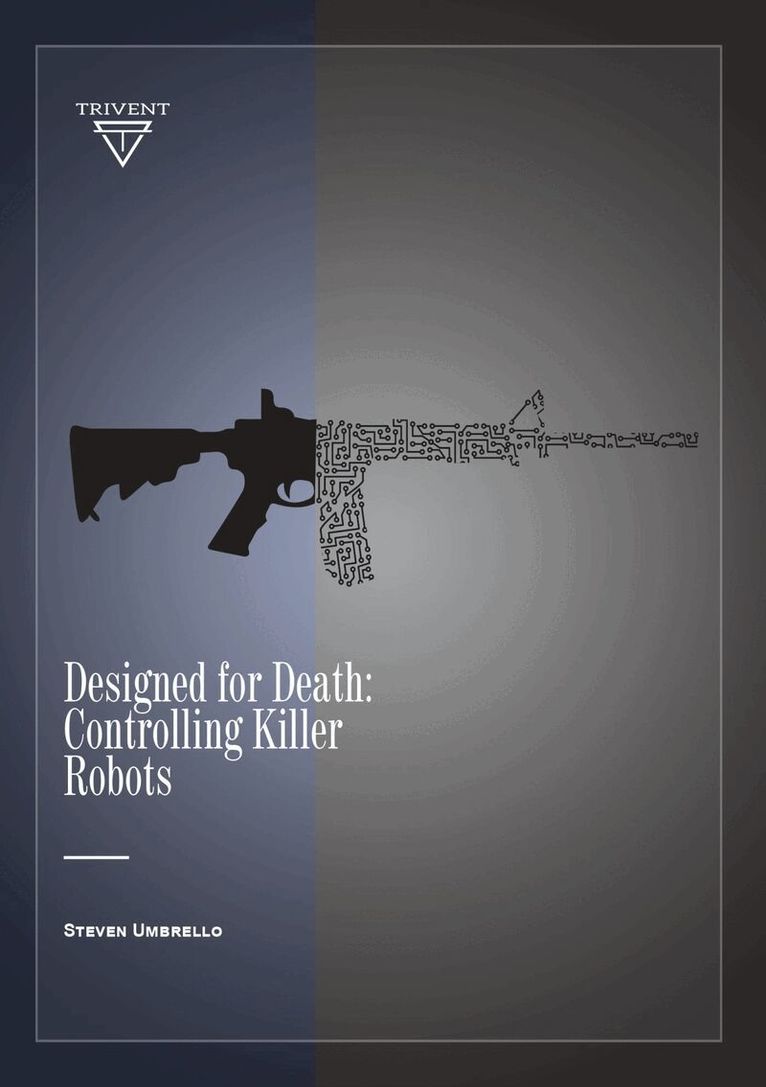
Autonomous weapons systems, often referred to as 'killer robots', have been a hallmark of popular imagination for decades. However, with the inexorable advance of artificial intelligence systems (AI) and robotics, killer robots are quickly becoming a reality. These lethal technologies can learn, adapt, and potentially make life and death decisions on the battlefield with little-to-no human involvement. This naturally leads to not only legal but ethical concerns as to whether we can meaningful control such machines, and if so, then how. Such concerns are made even more poignant by the ever-present fear that something may go wrong, and the machine may carry out some action(s) violating the ethics or laws of war. Researchers, policymakers, and designers are caught in the quagmire of how to approach these highly controversial systems and to figure out what exactly it means to have meaningful human control over them, if at all. In Designed for Death, Dr Steven Umbrello aims to not only produce a realistic but also an optimistic guide for how, with human values in mind, we can begin to design killer robots. Drawing on the value sensitive design (VSD) approach to technology innovation, Umbrello argues that context is king and that a middle path for designing killer robots is possible if we consider both ethics and design as fundamentally linked. Umbrello moves beyond the binary debates of whether or not to prohibit killer robots and instead offers a more nuanced perspective of which types of killer robots may be both legally and ethically acceptable, when they would be acceptable, and how to design for them.