Stuart P. M. Mackintosh - Böcker
Visar alla böcker från författaren Stuart P. M. Mackintosh. Handla med fri frakt och snabb leverans.
5 produkter
5 produkter
778 kr
Tillfälligt slut
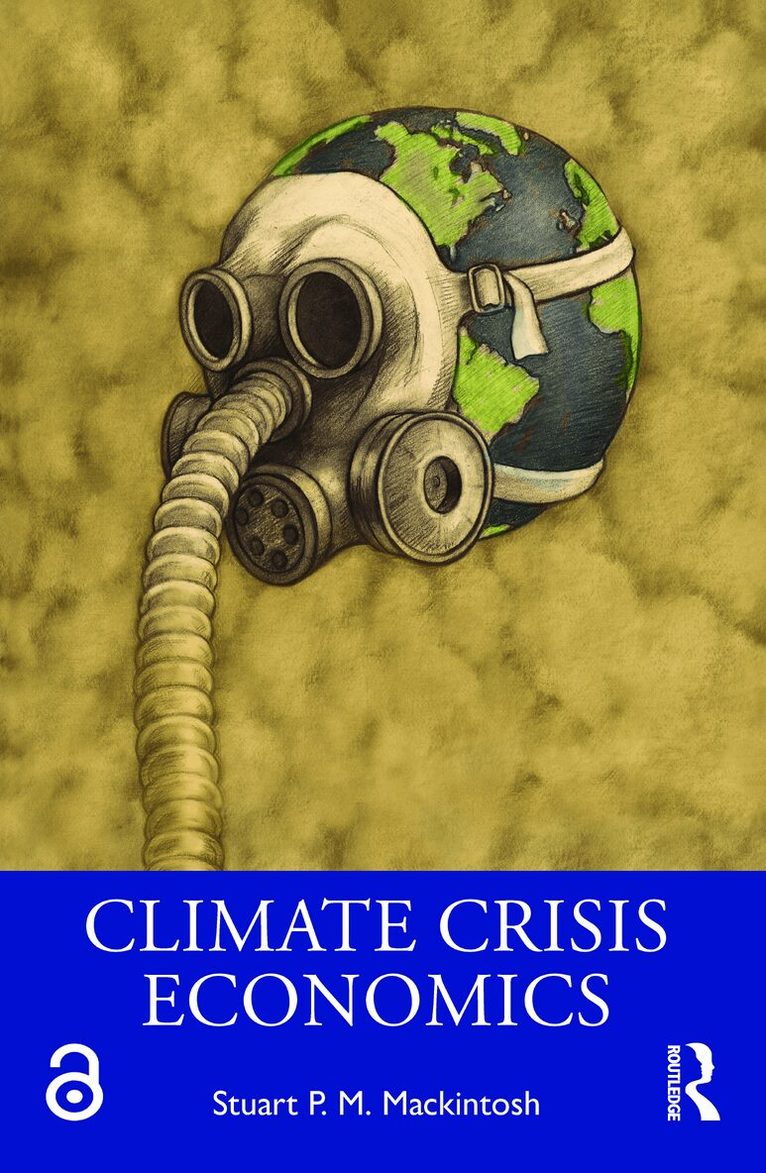
Climate Crisis Economics draws on economics, political economy, scientific literature, and data to gauge the extent to which our various communities – political, economic, business – are making the essential leap to a new narrative and policy approach that will accelerate us towards the necessary transition to a decarbonized economy and sustainable future.The book draws out policies and practices with both national and local examples, which will demonstrate various complementary approaches that are empowering states and people as they seek to pursue the carbon neutral goal. The author delineates a climate crisis economics approach that is fit for purpose and which can help achieve necessary climate change goals in the decades ahead. Ensuring economic and ecological sustainability is neither easy nor cost-free; there is no single solution to the climate crisis. All aspects of our economies, policies, business, and personal practices must come into alignment in order to succeed. Frustratingly, we know what is needed and we have many of the technologies and systems to make the leap to a carbon neutral economy, yet we still fail to act with alacrity. Leaders, communities, and businesses must shift their narratives in how they talk about and think about the climate crisis. In doing so, in making the narrative leap to a new understanding about what is possible and necessary, we can stop endangering our common future and single, fragile, global habitat, and instead set the stage for Green Globalisation 2.0 and a new, sustainable industrial revolution.Climate Crisis Economics will appeal to academics, students, investors, and professionals from varying disciplines including politics, international political economy, and international economics. Written in an accessible voice, it draws on work in fields outside of and in addition to politics and economics to make a case for climate crisis economics as an approach to addressing the climate change challenge ahead.The Open Access version of this book, available at www.taylorfrancis.com, has been made available under a Creative Commons Attribution-Non Commercial-No Derivatives 4.0 license. Thanks to the support of libraries working with Knowledge Unlatched www.knowledgeunlatched.org
Redesign of the Global Financial Architecture
State Authority, New Risks and Dynamics
Häftad, Engelska, 2022
635 kr
Skickas inom 10-15 vardagar
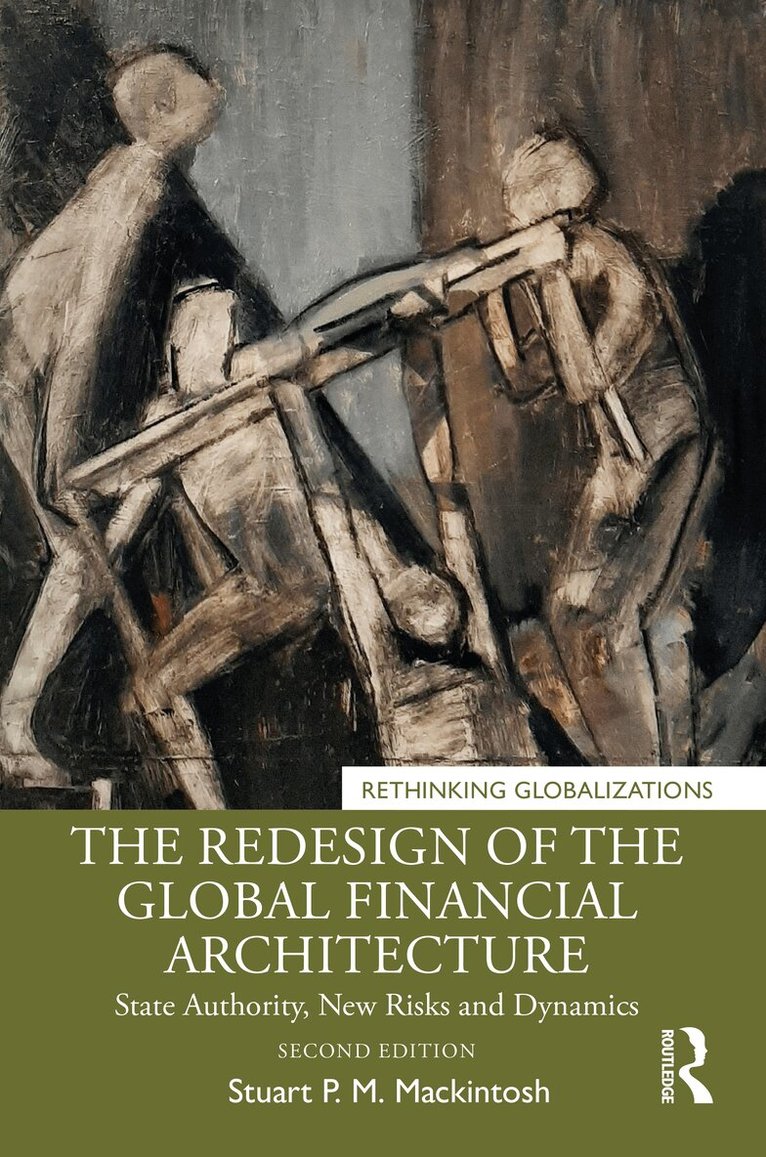
More than ten years on from the most intense phase of the global financial crisis, and the collective international response in the G20 summit in London, a ‘new normal’ has emerged with systems in place to mitigate against further banking crises. This updated new edition analyzes this post-crisis international and national regulatory framework and asks whether the current paradigm is fit for purpose as new dangers gestate and develop.This new edition includes a discussion of the impact of the aggressively deregulatory and anti-globalist policies of the Trump administration and its pursuit of an ‘America First’ policy and explores its implications for the regulatory landscape constructed and tended by previous leaders. The author addresses new and future systemic risks, many outside the regulated banking sector, which have grown in importance since 2015. He develops possible future scenarios for the international regulatory architecture, both negative and positive, asking, ‘Are we better prepared for future banking crises?’ New risks, including the COVID-19 pandemic and economic crash, are testing the global system; and the G20, without US leadership, may be failing in this latest most severe crisis of our lifetimes. This book provides a unique narrative explanation drawn from leading actors of key events and policy changes as they unfolded immediately post-crisis. The author builds upon the first edition to capture key developments that have occurred during the past five years, while raising key questions and vulnerabilities, and looking at future risks and challenges that may emerge.This text will be of great interest to students, teachers and researchers of financial frameworks, globalisation and political economy.
Redesign of the Global Financial Architecture
State Authority, New Risks and Dynamics
Inbunden, Engelska, 2020
2 151 kr
Skickas inom 10-15 vardagar
More than ten years on from the most intense phase of the global financial crisis, and the collective international response in the G20 summit in London, a ‘new normal’ has emerged with systems in place to mitigate against further banking crises. This updated new edition analyzes this post-crisis international and national regulatory framework and asks whether the current paradigm is fit for purpose as new dangers gestate and develop.This new edition includes a discussion of the impact of the aggressively deregulatory and anti-globalist policies of the Trump administration and its pursuit of an ‘America First’ policy and explores its implications for the regulatory landscape constructed and tended by previous leaders. The author addresses new and future systemic risks, many outside the regulated banking sector, which have grown in importance since 2015. He develops possible future scenarios for the international regulatory architecture, both negative and positive, asking, ‘Are we better prepared for future banking crises?’ New risks, including the COVID-19 pandemic and economic crash, are testing the global system; and the G20, without US leadership, may be failing in this latest most severe crisis of our lifetimes. This book provides a unique narrative explanation drawn from leading actors of key events and policy changes as they unfolded immediately post-crisis. The author builds upon the first edition to capture key developments that have occurred during the past five years, while raising key questions and vulnerabilities, and looking at future risks and challenges that may emerge.This text will be of great interest to students, teachers and researchers of financial frameworks, globalisation and political economy.
576 kr
Skickas inom 10-15 vardagar
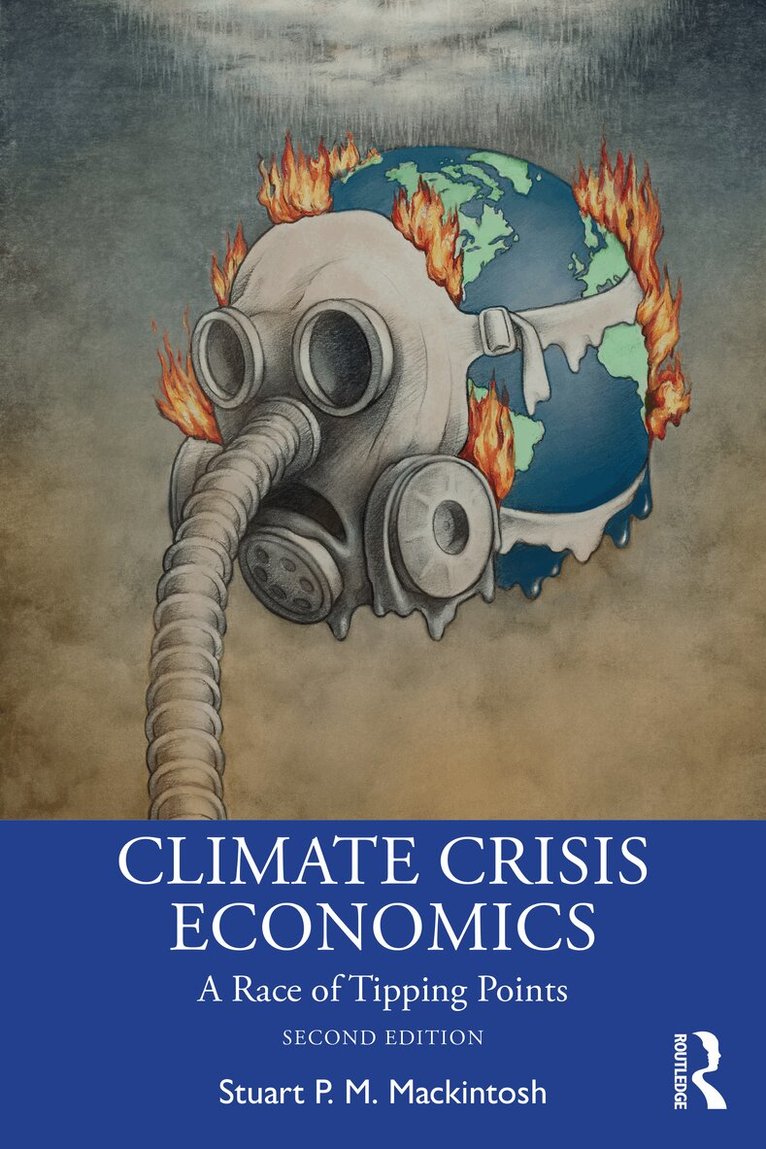
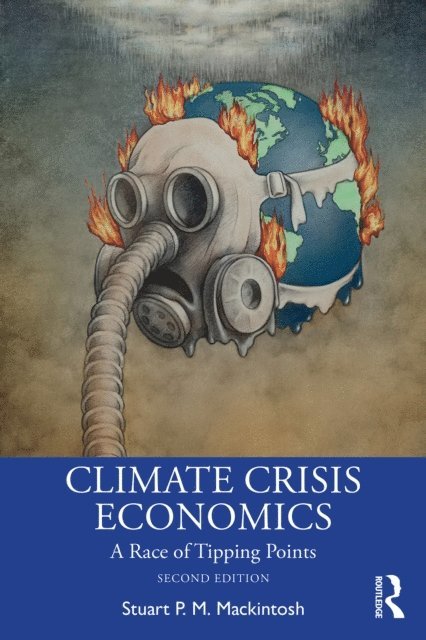
Climate Crisis Economics: A Race of Tipping Points draws on economics, political economy, scientific literature, and data to gauge the extent to which our various communities – political, economic, and business – are making the essential leap to a new narrative and policy approach that will accelerate us towards the necessary transition to a decarbonised economy and sustainable future. Time is fast running out to avoid tipping points of no return, warns Mackintosh.The book draws out policies and practices with both national and local examples, which demonstrate various complementary approaches that are empowering states and people as they seek to pursue the carbon-neutral goal. The author delineates a climate crisis economics approach that is fit for purpose and which can help achieve necessary climate change goals in the decades ahead. This new 2nd edition has been thoroughly updated throughout, including new material on the Biden administration and countries outside the United States and Europe; new chapters on tipping point dangers, and the need for a just transition. It includes key questions for students and supplemental reading for each chapter.Written in an accessible voice, Climate Crisis Economics: A Race of Tipping Points makes the case for a new model of climate crisis economics, and new narratives to address the climate change dangers ahead. It will appeal to academics, students, investors, and professionals from varying disciplines including politics, international political economy, and international economics.
2 088 kr
Skickas inom 10-15 vardagar
Climate Crisis Economics: A Race of Tipping Points draws on economics, political economy, scientific literature, and data to gauge the extent to which our various communities – political, economic, and business – are making the essential leap to a new narrative and policy approach that will accelerate us towards the necessary transition to a decarbonised economy and sustainable future. Time is fast running out to avoid tipping points of no return, warns Mackintosh.The book draws out policies and practices with both national and local examples, which demonstrate various complementary approaches that are empowering states and people as they seek to pursue the carbon-neutral goal. The author delineates a climate crisis economics approach that is fit for purpose and which can help achieve necessary climate change goals in the decades ahead. This new 2nd edition has been thoroughly updated throughout, including new material on the Biden administration and countries outside the United States and Europe; new chapters on tipping point dangers, and the need for a just transition. It includes key questions for students and supplemental reading for each chapter.Written in an accessible voice, Climate Crisis Economics: A Race of Tipping Points makes the case for a new model of climate crisis economics, and new narratives to address the climate change dangers ahead. It will appeal to academics, students, investors, and professionals from varying disciplines including politics, international political economy, and international economics.