Subodh Kumar – författare
Visar alla böcker från författaren Subodh Kumar. Handla med fri frakt och snabb leverans.
15 produkter
15 produkter
Häftad, Engelska, 2023
1 630 kr
Skickas inom 10-15 vardagar
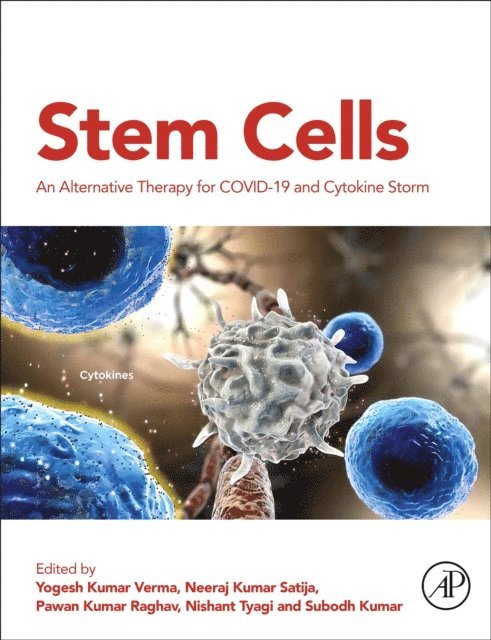
Stem Cells: An Alternative Therapy for COVID-19 and Cytokine Storm provides mechanistic insights into the role of stem cells to combat COVID-19 outbreak and other pathologies where cytokines storm is the cause of concern for e.g., radiation exposure, multiple organ failure and sepsis. There has been an increase in number of cases of new diseases in the last decade, including mucormycosis, Zika virus, H1N1 influenza virus, among others. These diseases can be characterized by the induction of cytokine storm, which is mainly responsible for morbidity and mortality.Stem cell therapy has emerged as a potential treatment for viral diseases, including, but not limited to, COVID-19. Interestingly, clinical trials in patients with COVID-19 complications depicted faster recovery in patients post mesenchymal stem cells therapy owing to the decreased cytokines levels, anti-viral effects and regeneration of the infected tissue. Evaluates the role of MSCs to combat cytokine storm, the challenges regarding COVID-19 therapy and how they can be countered using stem cells, and the risk of opportunistic infections post COVID-19 Presents how stem cell therapy has emerged as a potential treatment for viral diseases, including, but not limited to, COVID-19 Provides a detailed understanding of the novel coronavirus, with an emphasis on therapeutic aspects
E-bok
Engelska, 20232 319 kr
Läs direkt efter köp
Stem Cells: An Alternative Therapy for COVID-19 and Cytokine Storm provides mechanistic insights into the role of stem cells to combat COVID-19 outbreak and other pathologies where cytokines storm is the cause of concern for e.g., radiation exposure, multiple organ failure and sepsis. There has been an increase in number of cases of new diseases in the last decade, including mucormycosis, Zika virus, H1N1 influenza virus, among others. These diseases can be characterized by the induction of cytokine storm, which is mainly responsible for morbidity and mortality.Stem cell therapy has emerged as a potential treatment for viral diseases, including, but not limited to, COVID-19. Interestingly, clinical trials in patients with COVID-19 complications depicted faster recovery in patients post mesenchymal stem cells therapy owing to the decreased cytokines levels, anti-viral effects and regeneration of the infected tissue.- Evaluates the role of MSCs to combat cytokine storm, the challenges regarding COVID-19 therapy and how they can be countered using stem cells, and the risk of opportunistic infections post COVID-19- Presents how stem cell therapy has emerged as a potential treatment for viral diseases, including, but not limited to, COVID-19- Provides a detailed understanding of the novel coronavirus, with an emphasis on therapeutic aspects
Häftad, Engelska, 2026
1 714 kr
Kommande
Fundamentals of Translational Tissue Engineering explores the practical dimensions of tissue engineering (TE), outlining the intricate path of development of tissue engineered products. The book navigates the reader through the fundamental aspects and challenges in TE, equipping the reader with insights crucial to comprehending the journey a tissue engineered product traverses on its way to clinical translation. The first section, Material Sciences, provides the reader with a general overview covering the basics of scaffolds, biomaterials and techniques, while the larger, second section, Biological and Clinical Aspects, discussing the biological perspectives relating to tissue engineering.This is a multi-disciplinary work that will be ideal for audiences of varying levels of expertise, from the novice exploring fundamental concepts or the seasoned professionals seeking comprehensive information, readers of all backgrounds will be able to access and benefit from this tailored approach.Provides a fundamental understanding of tissue engineering, covering challenges, limitations, and industry perspectivesOffers insights into the clinical translation of biomedical products, aiding both novice and experienced researchers in understanding the journey from bench to bedsideAddresses social issues related to organ donation, providing a platform for ethical discussions
Häftad, Engelska, 2023
710 kr
Skickas inom 7-10 vardagar
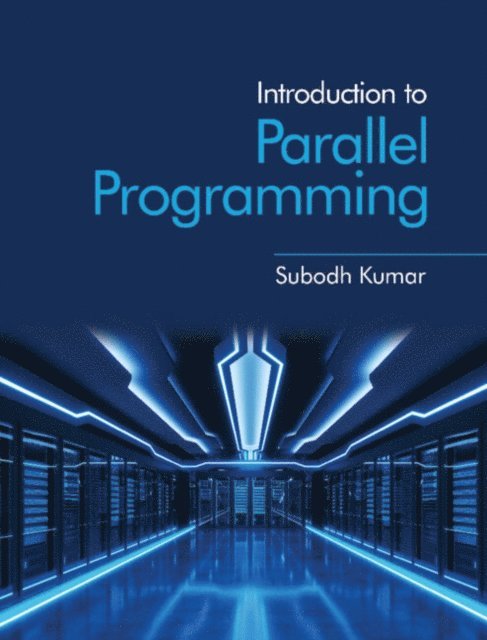
In modern computer science, there exists no truly sequential computing system; and most advanced programming is parallel programming. This is particularly evident in modern application domains like scientific computation, data science, machine intelligence, etc. This lucid introductory textbook will be invaluable to students of computer science and technology, acting as a self-contained primer to parallel programming. It takes the reader from introduction to expertise, addressing a broad gamut of issues. It covers different parallel programming styles, describes parallel architecture, includes parallel programming frameworks and techniques, presents algorithmic and analysis techniques and discusses parallel design and performance issues. With its broad coverage, the book can be useful in a wide range of courses; and can also prove useful as a ready reckoner for professionals in the field.
E-bok
PDF, Engelska, 2023865 kr
Läs direkt efter köp
In modern computer science, there exists no truly sequential computing system; and most advanced programming is parallel programming. This is particularly evident in modern application domains like scientific computation, data science, machine intelligence, etc. This lucid introductory textbook will be invaluable to students of computer science and technology, acting as a self-contained primer to parallel programming. It takes the reader from introduction to expertise, addressing a broad gamut of issues. It covers different parallel programming styles, describes parallel architecture, includes parallel programming frameworks and techniques, presents algorithmic and analysis techniques and discusses parallel design and performance issues. With its broad coverage, the book can be useful in a wide range of courses; and can also prove useful as a ready reckoner for professionals in the field.
Inbunden, Engelska, 2025
3 058 kr
Skickas inom 10-15 vardagar
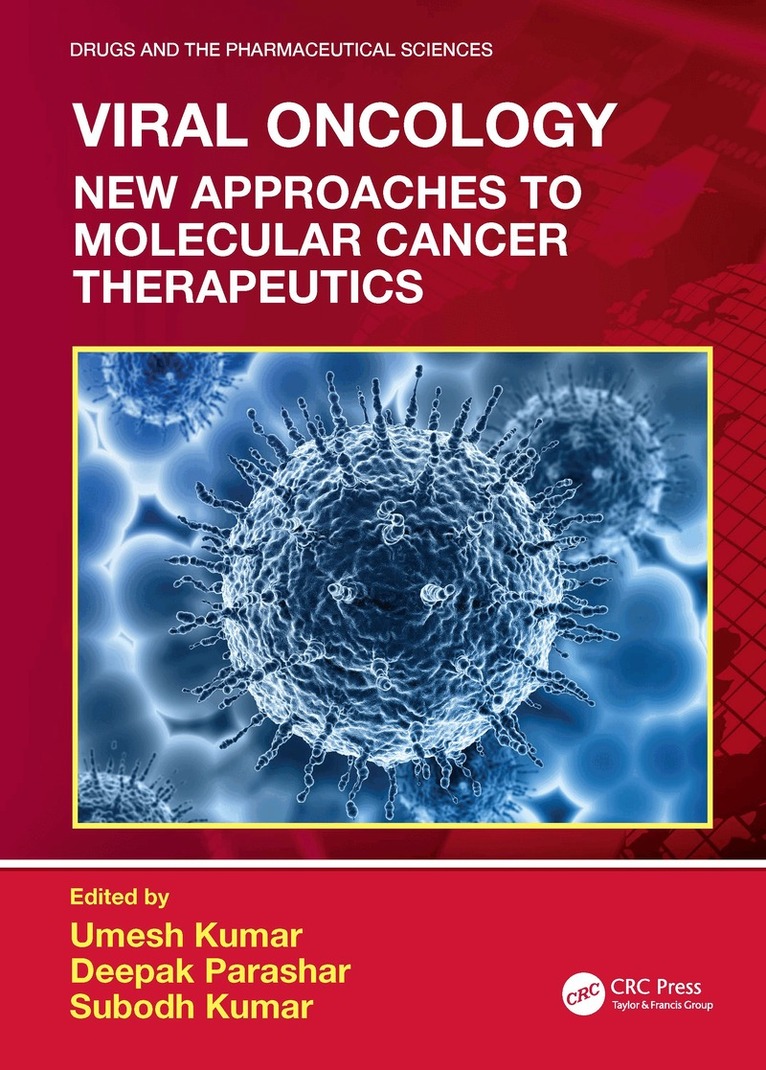
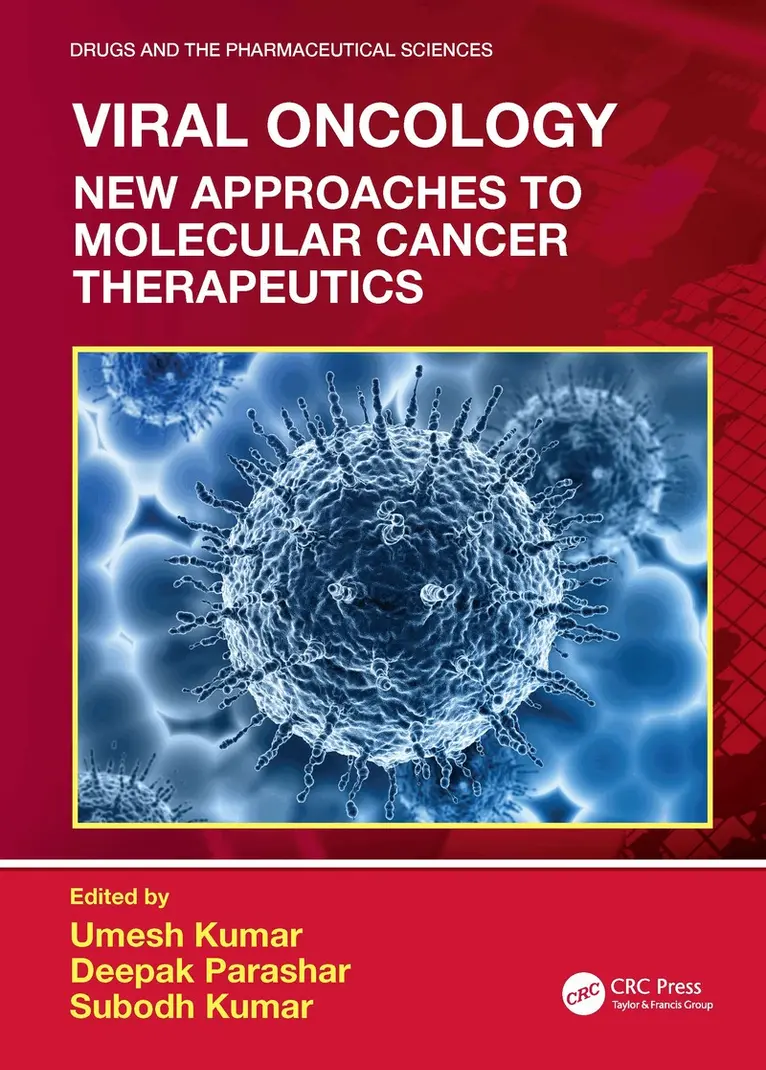
Viral Oncology: New Approaches to Molecular Cancer Therapeutics offers a comprehensive exploration of how viruses contribute to cancer development, bridging the gap between basic virology and clinical oncology. Featuring contributions from leading researchers, this authoritative text examines the mechanisms of viral oncogenesis, key oncogenic viruses, and the latest therapeutic strategies. The book highlights cutting-edge research on Human Papillomavirus (HPV), Epstein-Barr Virus (EBV), Hepatitis B and C, and other cancer-causing viruses, providing clinicians and researchers with critical insights into the prevention, diagnosis, and treatment of virus-induced cancers. Ideal for oncologists, virologists, and molecular biologists, this text equips readers with both foundational knowledge and the latest advancements in the rapidly evolving field of viral oncology. Stay ahead in the field with this definitive guide to understanding and combating virusinduced malignancies. The volume explores the biology and pathology of oncogenic viruses, offering insights into novel therapeutic approaches, including immunotherapy and gene editing. Viral Oncology: New Approaches to Molecular Cancer Therapeutics presents an in-depth and authoritative examination of how oncogenic viruses contribute to cancer development and progression, bridging the critical gap between foundational virology and clinical oncology. This volume brings together groundbreaking research from world-renowned scientists and clinicians who explore the complex mechanisms of viral oncogenesis, shedding light on both well-established and emerging viral agents, such as HPV, EBV, Hepatitis B and C, and Kaposi’s Sarcoma-associated Herpesvirus (KSHV). The text delves into the molecular processes through which these viruses initiate and sustain cancerous growth, offering insights into viral integration, immune evasion, and cellular transformation. With a focus on the latest developments in therapeutic strategies, Viral Oncology covers innovative approaches, including targeted molecular therapies, immunotherapies, gene editing techniques, and personalized medicine strategies aimed at halting virus-induced tumorigenesis. Designed for a broad audience of oncologists, virologists, molecular biologists, and clinical researchers, this text provides a thorough understanding of the epidemiology, pathology, and treatment implications of viral oncology. It serves as an indispensable guide to the mechanisms of virus-driven cancers and how these insights are being translated into cutting-edge therapeutic interventions. With its rich blend of cutting-edge science, clinical applications, and visionary outlook, Viral Oncology: New Approaches to Molecular Cancer Therapeutics is an essential resource for any professional involved in cancer research, diagnostics, and treatment. Whether you are a seasoned oncologist, virologist, or a researcher investigating the molecular basis of cancer, this book offers the latest knowledge and tools to effectively understand and combat virus-induced malignancies. Stay at the forefront of the rapidly evolving field of viral oncology with this comprehensive and forward-looking text – a definitive resource for understanding the interplay between viruses and cancer, and harnessing that knowledge for therapeutic innovation.
Häftad, Engelska, 2026
1 024 kr
Skickas inom 10-15 vardagar
Viral Oncology: New Approaches to Molecular Cancer Therapeutics offers a comprehensive exploration of how viruses contribute to cancer development, bridging the gap between basic virology and clinical oncology. Featuring contributions from leading researchers, this authoritative text examines the mechanisms of viral oncogenesis, key oncogenic viruses, and the latest therapeutic strategies. The book highlights cutting-edge research on Human Papillomavirus (HPV), Epstein-Barr Virus (EBV), Hepatitis B and C, and other cancer-causing viruses, providing clinicians and researchers with critical insights into the prevention, diagnosis, and treatment of virus-induced cancers. Ideal for oncologists, virologists, and molecular biologists, this text equips readers with both foundational knowledge and the latest advancements in the rapidly evolving field of viral oncology. Stay ahead in the field with this definitive guide to understanding and combating virusinduced malignancies. The volume explores the biology and pathology of oncogenic viruses, offering insights into novel therapeutic approaches, including immunotherapy and gene editing. Viral Oncology: New Approaches to Molecular Cancer Therapeutics presents an in-depth and authoritative examination of how oncogenic viruses contribute to cancer development and progression, bridging the critical gap between foundational virology and clinical oncology. This volume brings together groundbreaking research from world-renowned scientists and clinicians who explore the complex mechanisms of viral oncogenesis, shedding light on both well-established and emerging viral agents, such as HPV, EBV, Hepatitis B and C, and Kaposi’s Sarcoma-associated Herpesvirus (KSHV). The text delves into the molecular processes through which these viruses initiate and sustain cancerous growth, offering insights into viral integration, immune evasion, and cellular transformation. With a focus on the latest developments in therapeutic strategies, Viral Oncology covers innovative approaches, including targeted molecular therapies, immunotherapies, gene editing techniques, and personalized medicine strategies aimed at halting virus-induced tumorigenesis. Designed for a broad audience of oncologists, virologists, molecular biologists, and clinical researchers, this text provides a thorough understanding of the epidemiology, pathology, and treatment implications of viral oncology. It serves as an indispensable guide to the mechanisms of virus-driven cancers and how these insights are being translated into cutting-edge therapeutic interventions. With its rich blend of cutting-edge science, clinical applications, and visionary outlook, Viral Oncology: New Approaches to Molecular Cancer Therapeutics is an essential resource for any professional involved in cancer research, diagnostics, and treatment. Whether you are a seasoned oncologist, virologist, or a researcher investigating the molecular basis of cancer, this book offers the latest knowledge and tools to effectively understand and combat virus-induced malignancies. Stay at the forefront of the rapidly evolving field of viral oncology with this comprehensive and forward-looking text – a definitive resource for understanding the interplay between viruses and cancer, and harnessing that knowledge for therapeutic innovation.
E-bok
PDF, Engelska, 20252 673 kr
Läs direkt efter köp
Viral Oncology: New Approaches to Molecular Cancer Therapeutics offers a comprehensive exploration of how viruses contribute to cancer development, bridging the gap between basic virology and clinical oncology. Featuring contributions from leading researchers, this authoritative text examines the mechanisms of viral oncogenesis, key oncogenic viruses, and the latest therapeutic strategies. The book highlights cutting-edge research on Human Papillomavirus (HPV), Epstein-Barr Virus (EBV), Hepatitis B and C, and other cancer-causing viruses, providing clinicians and researchers with critical insights into the prevention, diagnosis, and treatment of virus-induced cancers. Ideal for oncologists, virologists, and molecular biologists, this text equips readers with both foundational knowledge and the latest advancements in the rapidly evolving field of viral oncology. Stay ahead in the field with this definitive guide to understanding and combating virusinduced malignancies. The volume explores the biology and pathology of oncogenic viruses, offering insights into novel therapeutic approaches, including immunotherapy and gene editing. Viral Oncology: New Approaches to Molecular Cancer Therapeutics presents an in-depth and authoritative examination of how oncogenic viruses contribute to cancer development and progression, bridging the critical gap between foundational virology and clinical oncology. This volume brings together groundbreaking research from world-renowned scientists and clinicians who explore the complex mechanisms of viral oncogenesis, shedding light on both well-established and emerging viral agents, such as HPV, EBV, Hepatitis B and C, and Kaposi's Sarcoma-associated Herpesvirus (KSHV). The text delves into the molecular processes through which these viruses initiate and sustain cancerous growth, offering insights into viral integration, immune evasion, and cellular transformation. With a focus on the latest developments in therapeutic strategies, Viral Oncology covers innovative approaches, including targeted molecular therapies, immunotherapies, gene editing techniques, and personalized medicine strategies aimed at halting virus-induced tumorigenesis. Designed for a broad audience of oncologists, virologists, molecular biologists, and clinical researchers, this text provides a thorough understanding of the epidemiology, pathology, and treatment implications of viral oncology. It serves as an indispensable guide to the mechanisms of virus-driven cancers and how these insights are being translated into cutting-edge therapeutic interventions. With its rich blend of cutting-edge science, clinical applications, and visionary outlook, Viral Oncology: New Approaches to Molecular Cancer Therapeutics is an essential resource for any professional involved in cancer research, diagnostics, and treatment. Whether you are a seasoned oncologist, virologist, or a researcher investigating the molecular basis of cancer, this book offers the latest knowledge and tools to effectively understand and combat virus-induced malignancies. Stay at the forefront of the rapidly evolving field of viral oncology with this comprehensive and forward-looking text - a definitive resource for understanding the interplay between viruses and cancer, and harnessing that knowledge for therapeutic innovation.
E-bok
Engelska, 20252 673 kr
Läs direkt efter köp
Viral Oncology: New Approaches to Molecular Cancer Therapeutics offers a comprehensive exploration of how viruses contribute to cancer development, bridging the gap between basic virology and clinical oncology. Featuring contributions from leading researchers, this authoritative text examines the mechanisms of viral oncogenesis, key oncogenic viruses, and the latest therapeutic strategies. The book highlights cutting-edge research on Human Papillomavirus (HPV), Epstein-Barr Virus (EBV), Hepatitis B and C, and other cancer-causing viruses, providing clinicians and researchers with critical insights into the prevention, diagnosis, and treatment of virus-induced cancers. Ideal for oncologists, virologists, and molecular biologists, this text equips readers with both foundational knowledge and the latest advancements in the rapidly evolving field of viral oncology. Stay ahead in the field with this definitive guide to understanding and combating virusinduced malignancies. The volume explores the biology and pathology of oncogenic viruses, offering insights into novel therapeutic approaches, including immunotherapy and gene editing. Viral Oncology: New Approaches to Molecular Cancer Therapeutics presents an in-depth and authoritative examination of how oncogenic viruses contribute to cancer development and progression, bridging the critical gap between foundational virology and clinical oncology. This volume brings together groundbreaking research from world-renowned scientists and clinicians who explore the complex mechanisms of viral oncogenesis, shedding light on both well-established and emerging viral agents, such as HPV, EBV, Hepatitis B and C, and Kaposi's Sarcoma-associated Herpesvirus (KSHV). The text delves into the molecular processes through which these viruses initiate and sustain cancerous growth, offering insights into viral integration, immune evasion, and cellular transformation. With a focus on the latest developments in therapeutic strategies, Viral Oncology covers innovative approaches, including targeted molecular therapies, immunotherapies, gene editing techniques, and personalized medicine strategies aimed at halting virus-induced tumorigenesis. Designed for a broad audience of oncologists, virologists, molecular biologists, and clinical researchers, this text provides a thorough understanding of the epidemiology, pathology, and treatment implications of viral oncology. It serves as an indispensable guide to the mechanisms of virus-driven cancers and how these insights are being translated into cutting-edge therapeutic interventions. With its rich blend of cutting-edge science, clinical applications, and visionary outlook, Viral Oncology: New Approaches to Molecular Cancer Therapeutics is an essential resource for any professional involved in cancer research, diagnostics, and treatment. Whether you are a seasoned oncologist, virologist, or a researcher investigating the molecular basis of cancer, this book offers the latest knowledge and tools to effectively understand and combat virus-induced malignancies. Stay at the forefront of the rapidly evolving field of viral oncology with this comprehensive and forward-looking text - a definitive resource for understanding the interplay between viruses and cancer, and harnessing that knowledge for therapeutic innovation.
Häftad, Engelska, 2025
229 kr
Skickas inom 5-8 vardagar
E-bok
Engelska30 kr
Läs direkt efter köp
238 kr
Läs direkt efter köp
E-bok
Engelska, 202028 kr
Läs direkt efter köp
This book is an attempt to compile the mythological narrative of the Siddhnath Temple at Vanwar. It is also a story of the conflict between Vaishnavism and Shaivism. Shiva is in battle with Asuras and fights against Shri Krishna. This symbolizes the un-Aryanization of Shiva. The story of giving sonship to the demon Bamasur increased his popularity among the majority of the indigenous people. It is possible that due to the emergence of Buddhist and other contemporary religions, the popularity of Sanatan religion in the Indian subcontinent has declined in the majority. Then the Brahmins incorporated such stories into Purana to bring back the Bahujan deprived group through Shiva
Häftad, Engelska, 2025
525 kr
Skickas inom 5-8 vardagar
E-bok
Engelska, 20143 055 kr
Läs direkt efter köp
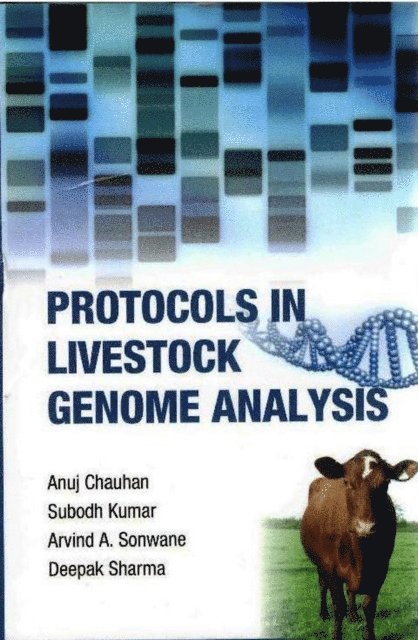
The book Protocols in Livestock Genome Analysis Presents the Fundamental principle and detailed protocols of laboratory techniques with an adequate amount of thought been applied towards making it simplistic and effective. The book has been structured into seventeen chapters. It begins with Chapter 1, givingreaders some basic safety and precautions while working in molecular genetics laboratory that is exposed to hazardous agents. Chapter 2, 3 and 4 explains the most basic and fundamental procedures in molecular genetics laboratory i.e. isolation of genomic DNA, plasmid DNA, total RNA which are prerequisite for researchers conducting downstream genetics research like gene amplification or expression. Chapter 5 deals with quantification of DNA and RNA with specific examples. Chapter 6 deals with technique of polymerase chain reaction for amplification of a specific DNA sequences while Chapter 7 focuses on various variants of polymerase chain reaction that have been developed over the years for specific applications. Chapter 8 discusses the reverse transcriptionpolymerase chain reaction which is important prerequisite for gene expression studies and genetic characterization. Chapter 9 describes at length, agarose gel electrophoresis for the separation of nucleic acids and their analysis. Chapter 10describes single strand conformation polymorphism, a technique that is capable of identifying most sequence variations in a single strand of DNA. Chapter 11 details the restriction digestion of DNA molecules by restriction endonucleases. Chapter 12 describes real-time PCR that can detect their accumulation and quantify the number of substrate DNA molecules present in starting sample. Chapter 13 discusses the method of chromatin immunoprecipitation, a very important technique for elucidating the transcriptional regulation of gene expression. Chapter 14 deals with detailed analysis of microsatellite repeat sequences along with statistical tools for data analysis. Chapter 15 explains the very important procedures of DNA ligation, competent cells preparation and transformation involved in cloning of any desired DNA sequence. Chapter 16 describes the set of steps for retrieving QTL & SNP information from online Animal QTL databases. Chapter 17 provides a simple understanding of DNA microarrays. Chapter 18 details the in situ hybridization method for localization of genetic material. Chapter 19 provides the recipe for preparation of buffers and solutions required for conducting various procedures outlined in previous chapters.