Sue Myburgh – författare
Visar alla böcker från författaren Sue Myburgh. Handla med fri frakt och snabb leverans.
4 produkter
4 produkter
E-bok
PDF, Engelska, 2014640 kr
Läs direkt efter köp
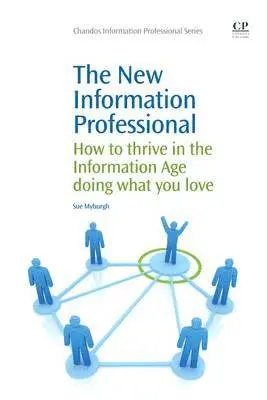
This books looks at the role of the information professional in the changing environment in which they now work. Information professionals find themselves in a paradoxical situation: there is increased interest in information and its management, stimulated by the Internet, and, simultaneously, diminished recognition by employers and the public at large of the theory and practice of library and information science. This has resulted in the ''invasion'' of traditional library and information science territory by ''rival'' groups, such as information technologists, system analysts, business consultants and even accountants, while information professionals with appropriate skills are ignored or even unemployed. This book provides clarification of the many issues facing both practicing information managers and library and information science students, as well as providing a guide to the new and diverse career pathways available in the field. These tools assist individuals in achieving greater success in their careers, as well as leading to greater recognition of the contribution of library and information services in organisations and society.- Assists practitioners plan progressive career paths and increase their status within organisations- Describes a practical and practicable approach to the management of information, knowledge and documents, which will clarify issues for both information managers and their employers- The only book of its type, written by an author with wide international experience in practice and academia, which distils a diverse range of points of view into one easily accessible, and useful, source
E-bok
Engelska, 2013790 kr
Läs direkt efter köp
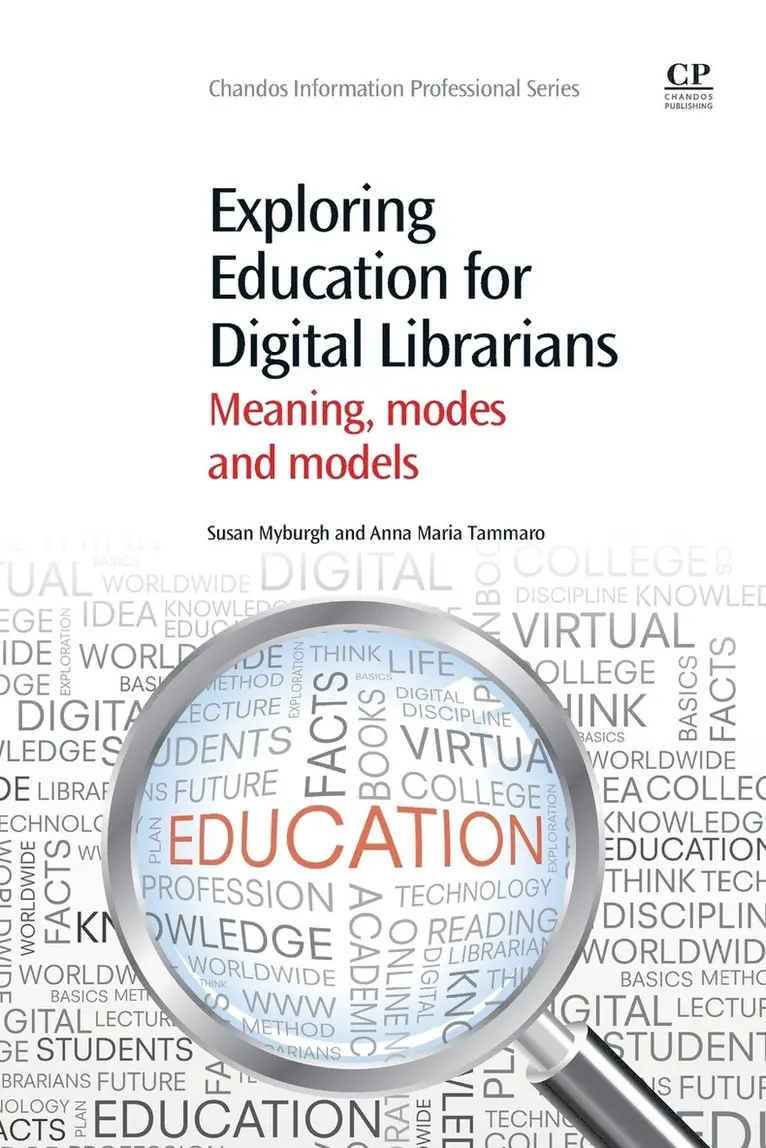
Exploring Education for Digital Librarians provides a refreshing perspective on the discipline and profession of Library and Information Science (LIS), with a focus on preparing students for careers as librarians who can deal with present and future digital information environments. A re-examination of the knowledge base of the field, combined with a proposed theoretical structure for LIS, provide the basis for this work, which also examines competencies for practice as well as some of the international changes in the nature of higher education. The authors finally suggest a model that could be used internationally to educate librarians for their new roles and social responsibilities in a digitised, networked world.The twelve chapters of this book cover key issues in education for digital librarians, including: the necessity of regenerating the profession; current contexts; previous research on education for digital librarians; understanding the dimensions of the discipline and profession of librarianship, and the distinctions between them; the social purpose of librarianship as a profession and the theoretical framework which supports the practice of the profession; a brief analysis of curriculum design, pedagogies and teaching methods, and a glimpse of the proactive and important future role of librarianship in society.- Considers the ubiquitous misunderstanding that technology can replace libraries and librarians- Provides a theoretical view of the field which can contribute awareness of dimensions of the dilemmas which the discipline/profession currently faces- Presents a broad international perspective which provides a basis for a new model for LIS education
Häftad, Engelska, 2005
581 kr
Skickas inom 10-15 vardagar
This books looks at the role of the information professional in the changing environment in which they now work. Information professionals find themselves in a paradoxical situation: there is increased interest in information and its management, stimulated by the Internet, and, simultaneously, diminished recognition by employers and the public at large of the theory and practice of library and information science. This has resulted in the ‘invasion’ of traditional library and information science territory by ‘rival’ groups, such as information technologists, system analysts, business consultants and even accountants, while information professionals with appropriate skills are ignored or even unemployed. This book provides clarification of the many issues facing both practicing information managers and library and information science students, as well as providing a guide to the new and diverse career pathways available in the field. These tools assist individuals in achieving greater success in their careers, as well as leading to greater recognition of the contribution of library and information services in organisations and society.
Häftad, Engelska, 2013
629 kr
Skickas inom 10-15 vardagar
Exploring Education for Digital Librarians provides a refreshing perspective on the discipline and profession of Library and Information Science (LIS), with a focus on preparing students for careers as librarians who can deal with present and future digital information environments. A re-examination of the knowledge base of the field, combined with a proposed theoretical structure for LIS, provide the basis for this work, which also examines competencies for practice as well as some of the international changes in the nature of higher education. The authors finally suggest a model that could be used internationally to educate librarians for their new roles and social responsibilities in a digitised, networked world.The twelve chapters of this book cover key issues in education for digital librarians, including: the necessity of regenerating the profession; current contexts; previous research on education for digital librarians; understanding the dimensions of the discipline and profession of librarianship, and the distinctions between them; the social purpose of librarianship as a profession and the theoretical framework which supports the practice of the profession; a brief analysis of curriculum design, pedagogies and teaching methods, and a glimpse of the proactive and important future role of librarianship in society.