Sujith Koonan - Böcker
Visar alla böcker från författaren Sujith Koonan. Handla med fri frakt och snabb leverans.
5 produkter
5 produkter
2 502 kr
Skickas inom 3-6 vardagar
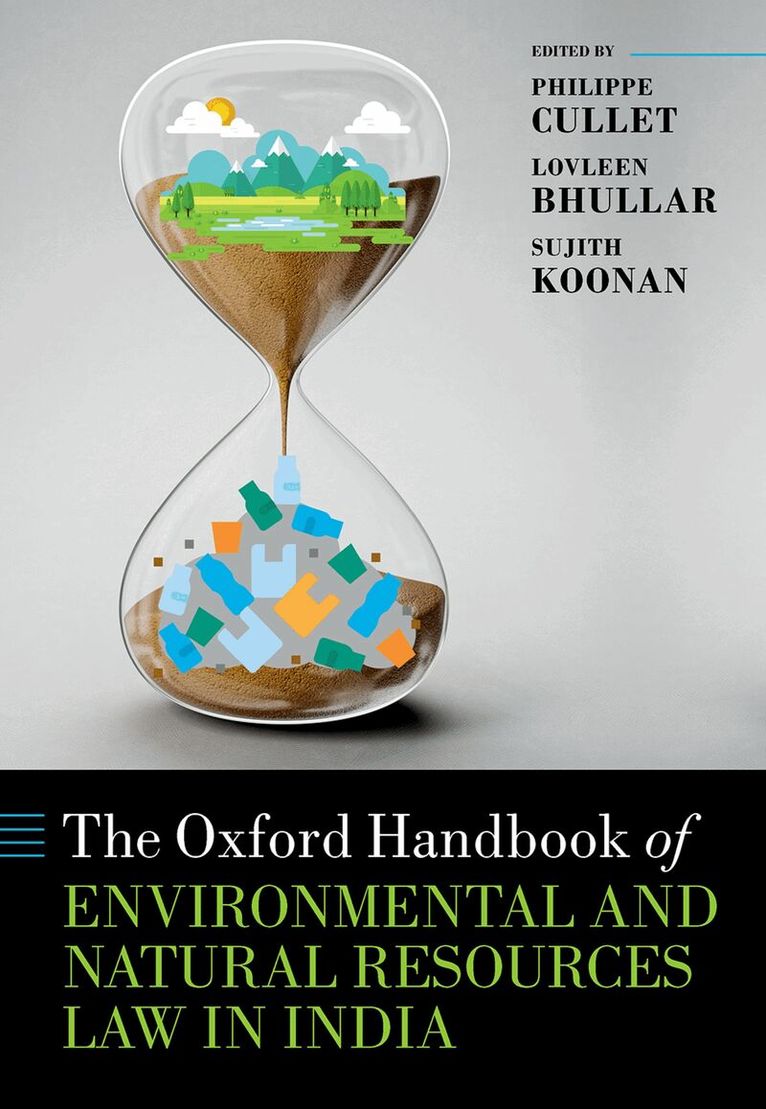
Environmental law is a broad discipline covering issues such as nature conservation, the prevention or abatement of pollution, and waste management. It also encompasses concerns related to natural resources, such as forests, minerals, and fisheries, and the balance between their use and conservation. India has been at the forefront of jurisprudential developments among countries with similar environmental, geographical, socio-economic, and cultural conditions. Concurrently, the country has been receptive to ideas and principles arising from other parts of the world or from international law. The growth of environmental and natural resources law in India has been sustained in equal measure by growing environmental awareness and the increasingly dire nature of the problems associated with the environment and natural resources, ranging from local issues to the global climate crisis. At the same time, the continuous push for development has not abated, leading to recurrent pressure to weaken existing standards for environmental protection and the management and use of natural resources. The Oxford Handbook of Environmental and Natural Resources Law in India offers the most comprehensive coverage of the diverse and complex discipline of environmental and natural resources law in India over the past fifty years. With forty-two contributions from law and non-law scholars, the Handbook presents diverse perspectives on several areas including biodiversity, climate change, water, forests, agriculture, health, resource extraction, and industrial development. By departing from the existing approach that examines natural resources law and environmental law separately, The Oxford Handbook of Environmental and Natural Resources Law in India offers a much-needed integrated analysis of the development of domestic jurisprudence vis-à-vis the environment and natural resources.
505 kr
Skickas inom 5-8 vardagar
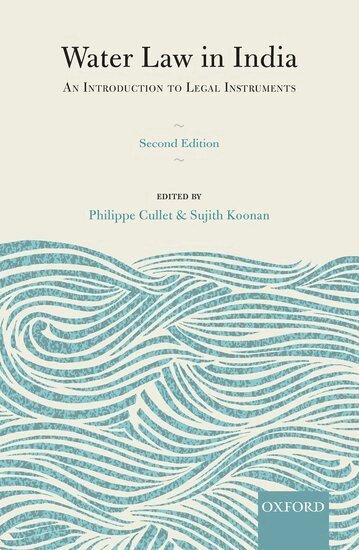
First published in 2011, Water Law in India is the only book to offer a comprehensive survey of the legal instruments concerning water in India. It presents a variety of national and state-level instruments that make up the complex and diverse field of water law and policy. This book fills a critical gap in the study of water law, providing a rich reference point for the entire gamut of legal mechanisms available in India.This edition has been extensively revised to include new instruments on water regulation, such as the draft National Water Framework Bill, 2016, and the Model Groundwater (Sustainable Management) Act, 2016; new water-related instruments in such varied fields as criminal law, land acquisition law, and rural employment legislation; and a chapter on international legal instruments. Chapters on drinking water supply, environmental dimensions of water conservation, water infrastructure for irrigation and flood control, groundwater regulation, and institutions catering to water have been thoroughly updated for a complete coverage of water law.
555 kr
Skickas inom 5-8 vardagar
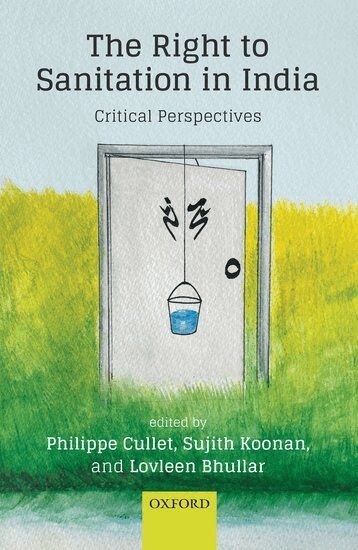
The right to sanitation has been recognised in India for more than two decades, and progressively integrated into the international human rights law framework since the beginning of the century. The recognition of the right itself is not a matter for debate in India since courts have repeatedly affirmed its existence as a right deriving from the fundamental right to life. Key issues arise in the context of conceptualisation and realisation of the right and relate to the existence and/or the scope of a law and policy framework for the realisation of the right to sanitation for all, the scope of the right, the links with other rights such as health and gender equality, as well as issues of specific relevance in the Indian context, such as manual scavenging, and more generally, caste-based discrimination and exploitation linked to sanitation work. In a context where sanitation challenges are more severe in India than in many other countries, this book represents the first effort to conceptually engage with the right to sanitation and its multiple dimensions in India. It also analyses the right to sanitation in India in the broader international and comparative setting.
3 351 kr
Skickas inom 7-10 vardagar
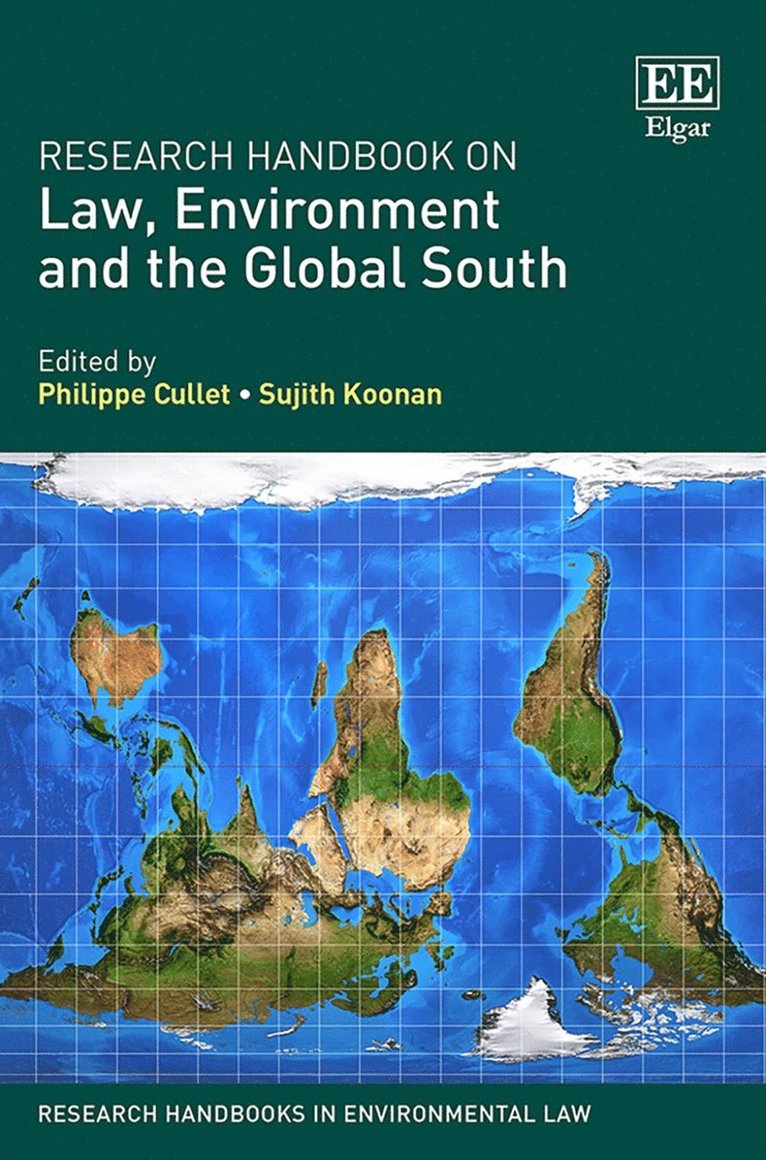
This comprehensive Research Handbook offers an innovative analysis of environmental law in the global South. It contributes to an important reassessment of some of the major concepts underlying environmental law, from a perspective that emphasises how their application affects poor and marginalised people as well as the wider ecosystems in which they live.Through legal analysis of environmental issues themselves, rather than the often limited discussion of existing legal instruments, this Research Handbook discusses areas rarely prioritised in environmental law, such as land rights, and underlines how these intersect with issues including poverty, livelihoods and the use of natural resources. Featuring contributors largely from, or working in, the global South with a variety of approaches and backgrounds, the Research Handbook challenges familiar narratives around development and sustainability in this context and provides new insights into environmental rights and justice.Researchers and postgraduate students will find this Research Handbook's unique perspective invaluable, particularly in the context of a growing interest in 'people-centric' environmental law. Policymakers and activists in the global South will also be interested in its analysis of key issues and suggestions for alternative models and future policy.Contributors include: S. Adelman, U. Baxi, V. Bhagat-Ganguly, S. Bhattacharjee, L. Bhullar, C.R. Bijoy, P. Cullet, J. Dehm, B. Gebremichael, K. Gill, S. Gopalakrishnan, E. Grant, M. Gupta, T. Kaime, P. Kameri-Mbote, A.H. Khan, M. Kidd, K. Kohli, S. Koonan, A. Kothari, L. Kotzé, F. Lesniewska, L. Lohmann, M. Menon, F. Padel, U. Ramanthan, J. Razzaque, G. Sahu, P. Sampat
735 kr
Skickas inom 7-10 vardagar
This comprehensive Research Handbook offers an innovative analysis of environmental law in the global South. It contributes to an important reassessment of some of the major concepts underlying environmental law, from a perspective that emphasises how their application affects poor and marginalised people as well as the wider ecosystems in which they live.Through legal analysis of environmental issues themselves, rather than the often limited discussion of existing legal instruments, this Research Handbook discusses areas rarely prioritised in environmental law, such as land rights, and underlines how these intersect with issues including poverty, livelihoods and the use of natural resources. Featuring contributors largely from, or working in, the global South with a variety of approaches and backgrounds, the Research Handbook challenges familiar narratives around development and sustainability in this context and provides new insights into environmental rights and justice.Researchers and postgraduate students will find this Research Handbook's unique perspective invaluable, particularly in the context of a growing interest in 'people-centric' environmental law. Policymakers and activists in the global South will also be interested in its analysis of key issues and suggestions for alternative models and future policy.Contributors include: S. Adelman, U. Baxi, V. Bhagat-Ganguly, S. Bhattacharjee, L. Bhullar, C.R. Bijoy, P. Cullet, J. Dehm, B. Gebremichael, K. Gill, S. Gopalakrishnan, E. Grant, M. Gupta, T. Kaime, P. Kameri-Mbote, A.H. Khan, M. Kidd, K. Kohli, S. Koonan, A. Kothari, L. Kotzé, F. Lesniewska, L. Lohmann, M. Menon, F. Padel, U. Ramanthan, J. Razzaque, G. Sahu, P. Sampat